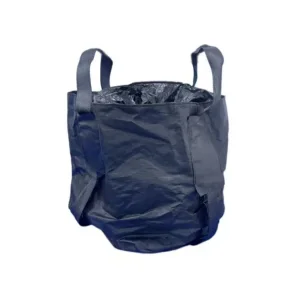
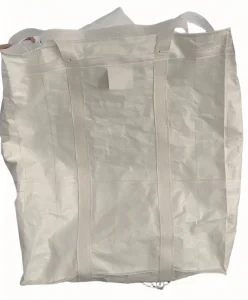
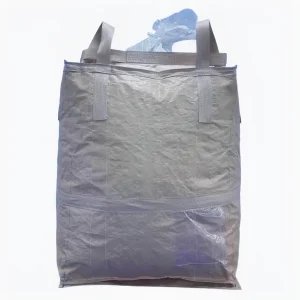
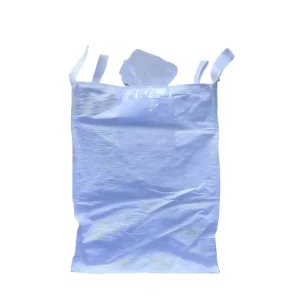
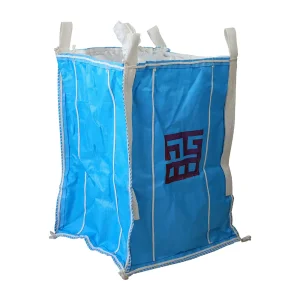
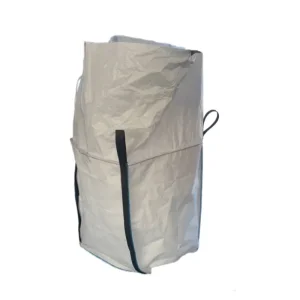
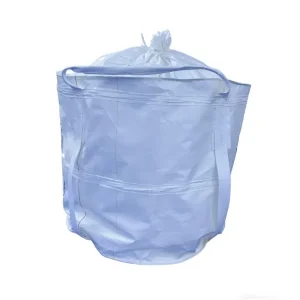
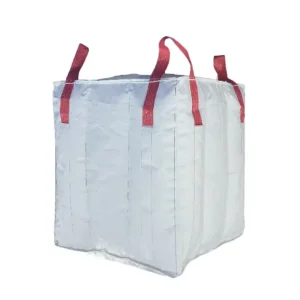
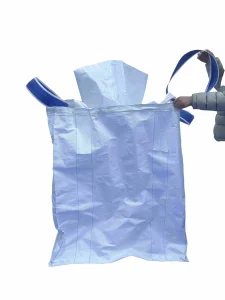
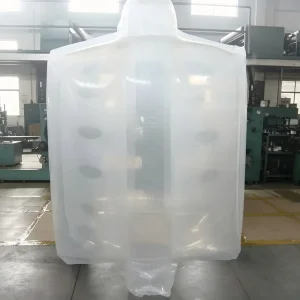
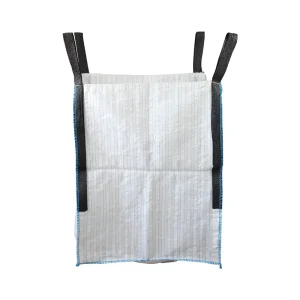
Unlike standard bags, our laminated woven inner liner FIBCs utilize a multi-layer extrusion process. We bond a PE (Polyethylene) film directly to the woven fabric, or insert a specialized form-fit liner, creating a hermetic seal that prevents sifting of powders as fine as 5 microns.
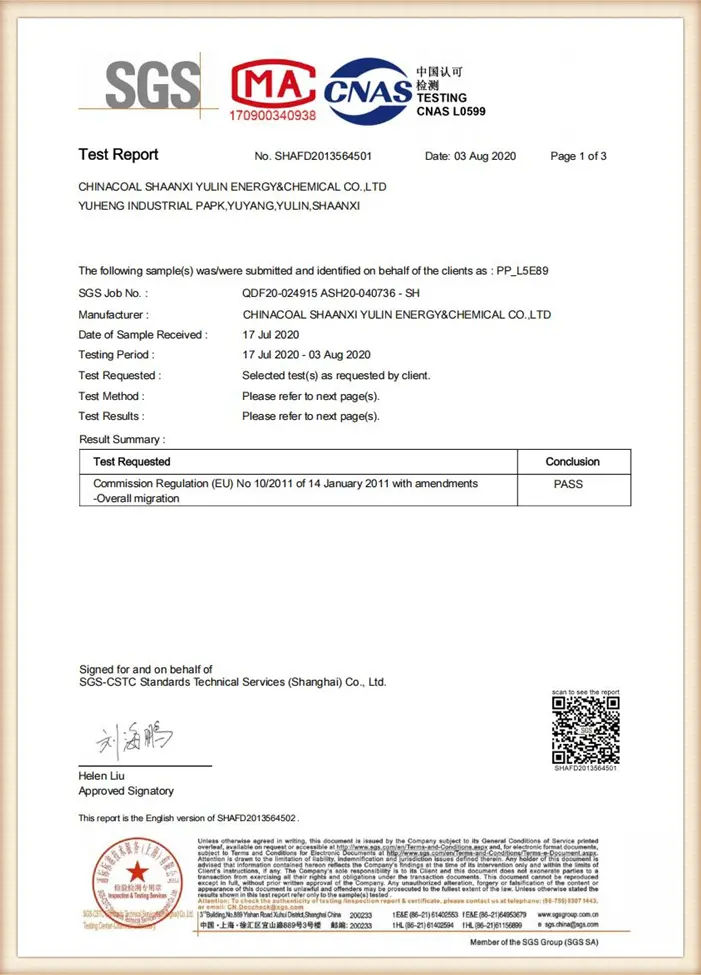
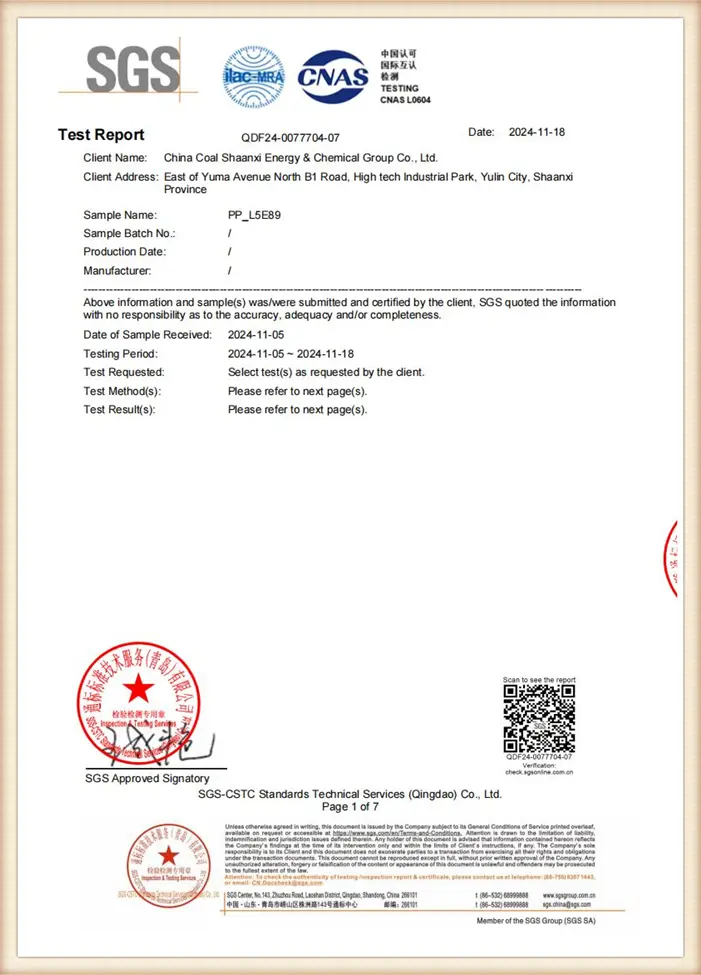
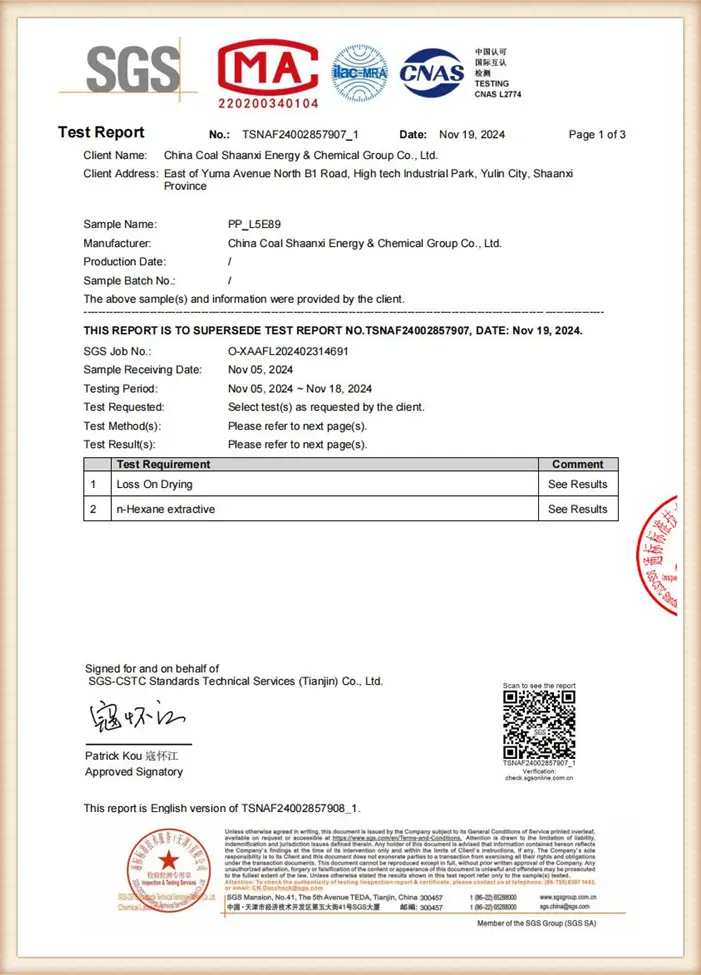
With over 30 years in operation, our facility operates under ISO 9001 and ISO 22000 standards. We utilize 100% virgin polypropylene, ensuring every bag is FDA-compliant and safe for pharmaceutical or high-purity battery material applications.
Enterprises in the EU, NA, and SE Asia are shifting toward laminated solutions to meet ESG goals—reducing product waste through leakage prevention while ensuring the safety of workers handling volatile chemical powders.
For lithium-ion battery separators and powders, cleanliness is the primary metric. Our laminated liners are produced in a Class 100,000 cleanroom to prevent metallic ion contamination, a critical requirement for the EV industry.
Chemical stability is vital. Laminated inner liners provide an oxygen and moisture barrier that prevents fertilizers from caking or losing potency during cross-continental shipping in high-humidity environments.
Following the Search Quality Rater Guidelines for safety and reliability, our food-grade bags feature ultrasonic cutting to eliminate loose threads and specialized "sift-proof" seams for fine flour and pharmaceutical ingredients.
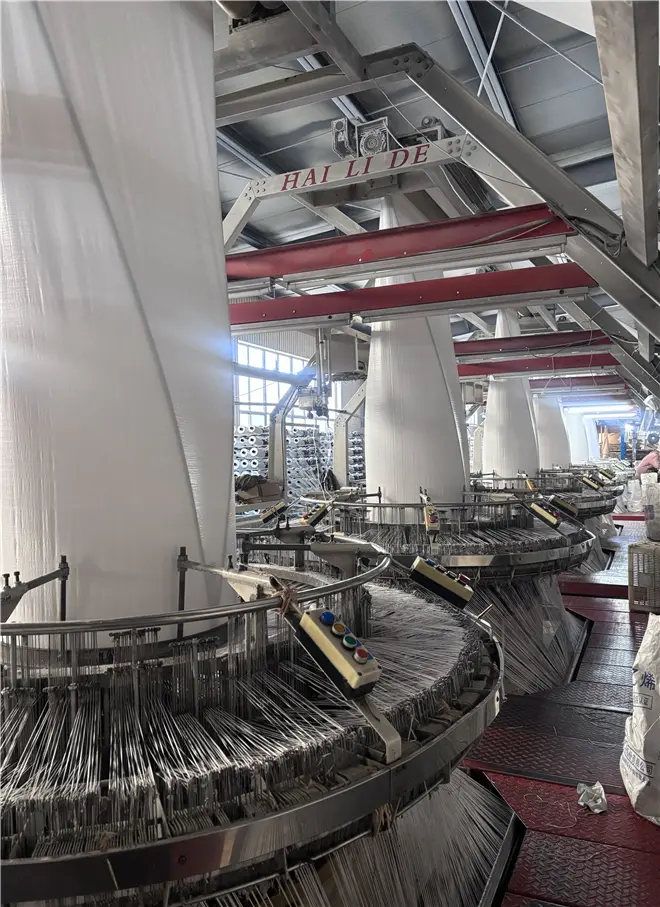
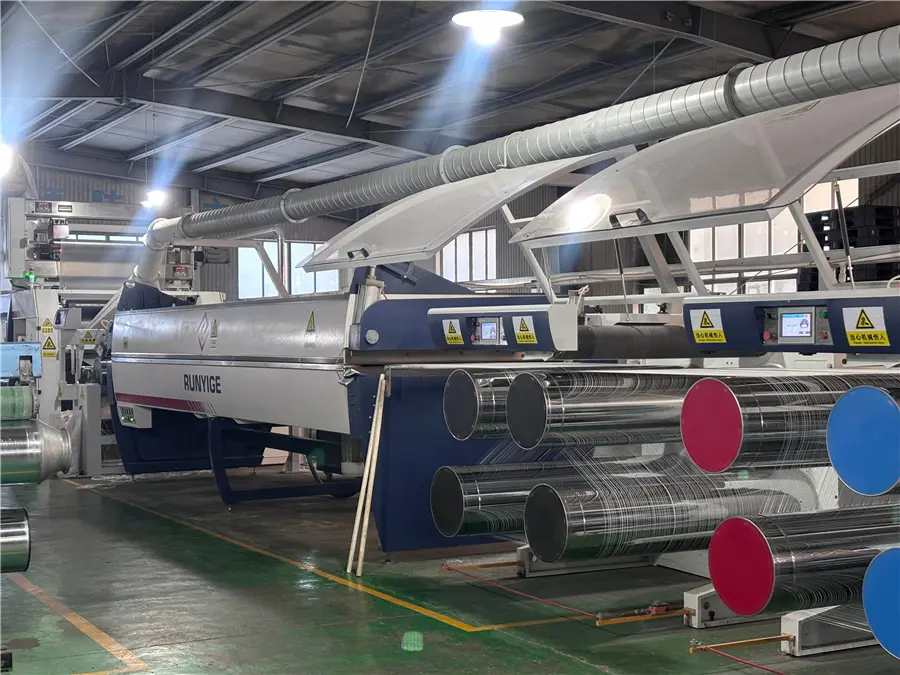
Step 1: Drawing - Transforming virgin resins into high-tensile tapes.
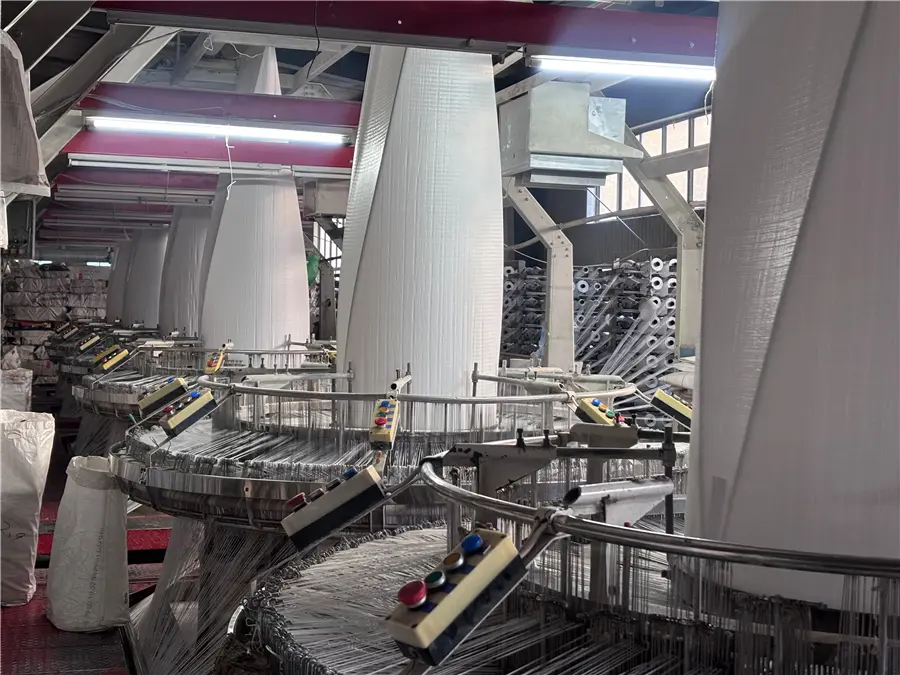
Step 2: Weaving - High-speed looms creating the base fabric structure.
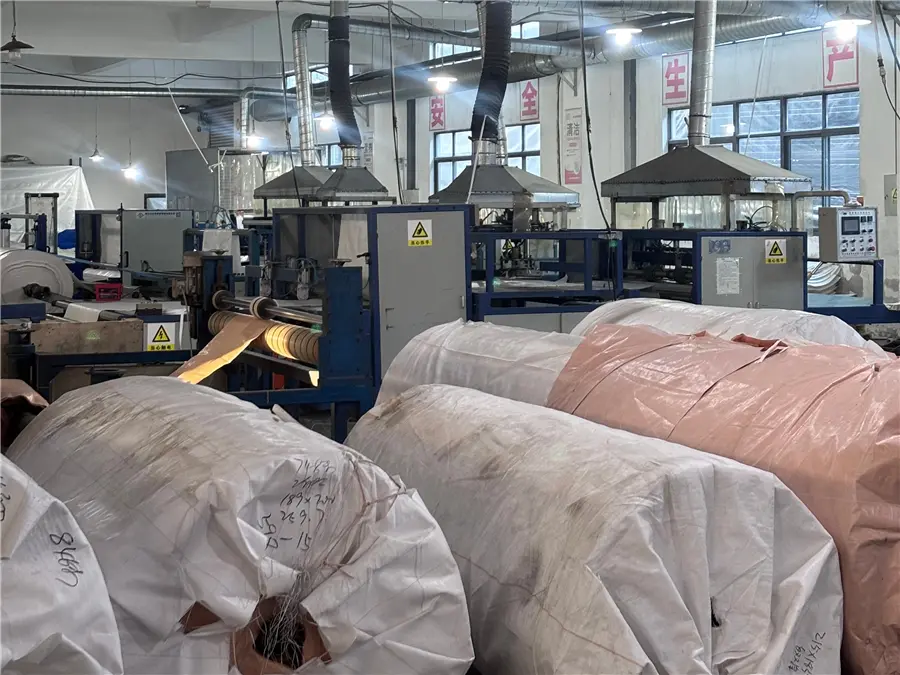
Step 3: Cutting - Precise ultrasonic cutting to prevent fraying.
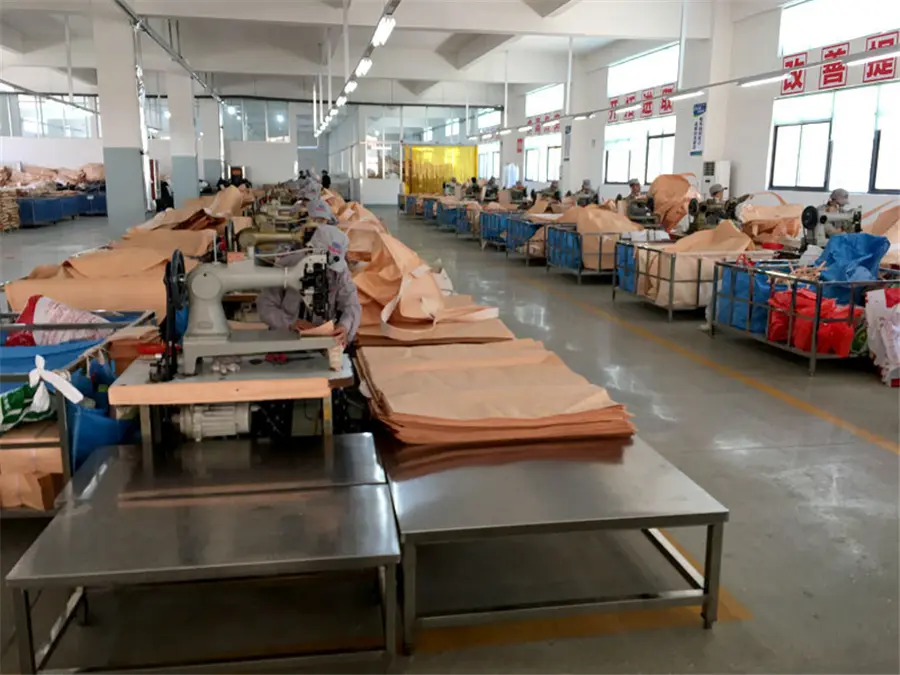
Step 4: Sewing - Heavy-duty stitching by skilled technicians.
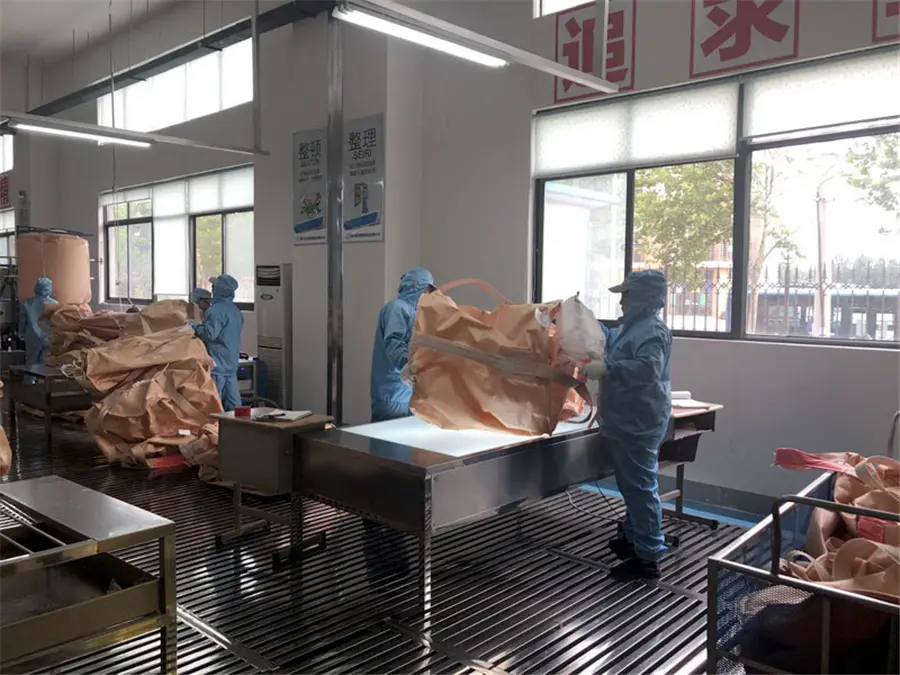
Step 5: Inspection - Rigorous testing for load and cleanliness.
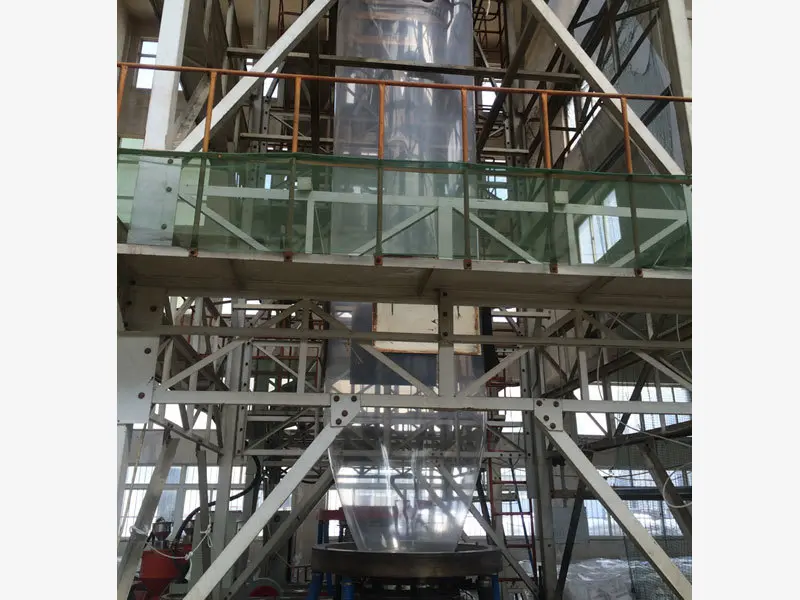
Step 6: Inner Pockets - Installation of high-barrier liners.
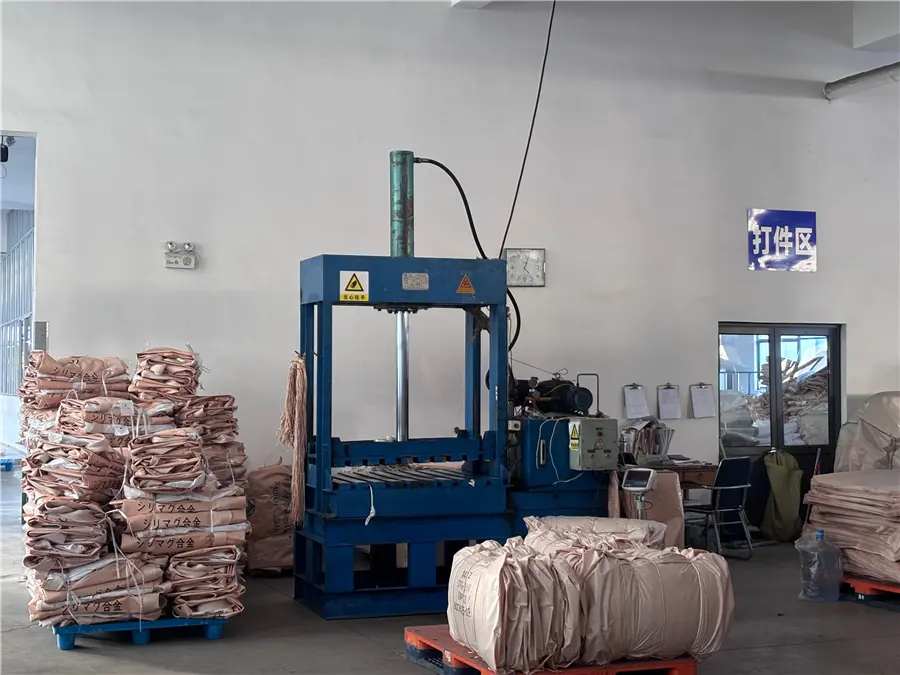
Step 7: Packing - Compressed baling for efficient logistics.
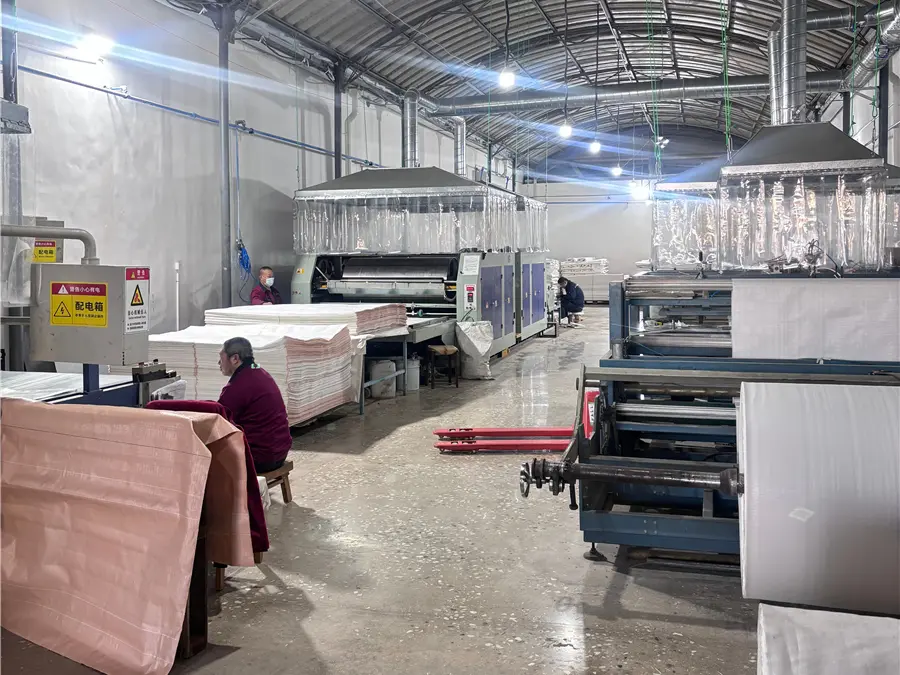
Step 8: Printing - Custom brand logos and safety handling info.
A: A laminated bag has a thin PE film bonded directly to the woven fabric, suitable for basic moisture protection. An inner liner is a separate plastic bag (PE/PA/Aluminum) placed inside the FIBC, offering superior barrier properties for ultra-fine powders or oxygen-sensitive materials.
A: Yes. We use 100% virgin PP and PE materials that meet FDA food-grade standards. Our production takes place in an ISO 22000 certified clean workshop.
A: As a direct factory with an annual output of 3 million units, we leverage economies of scale and a fully integrated supply chain (from tape drawing to sewing) to offer the most competitive "Pricelist" without compromising on safety factors.
A: Typically, sample development takes 7-10 days, and mass production for a 20ft/40ft container takes 20-30 days depending on the customization complexity.
 Zhensheng