Zhensheng
1 / 3
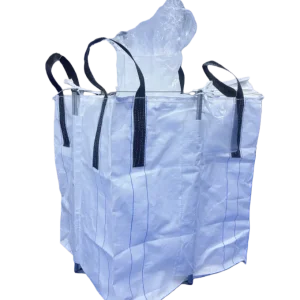
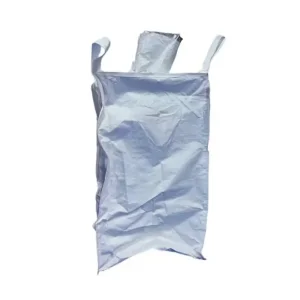
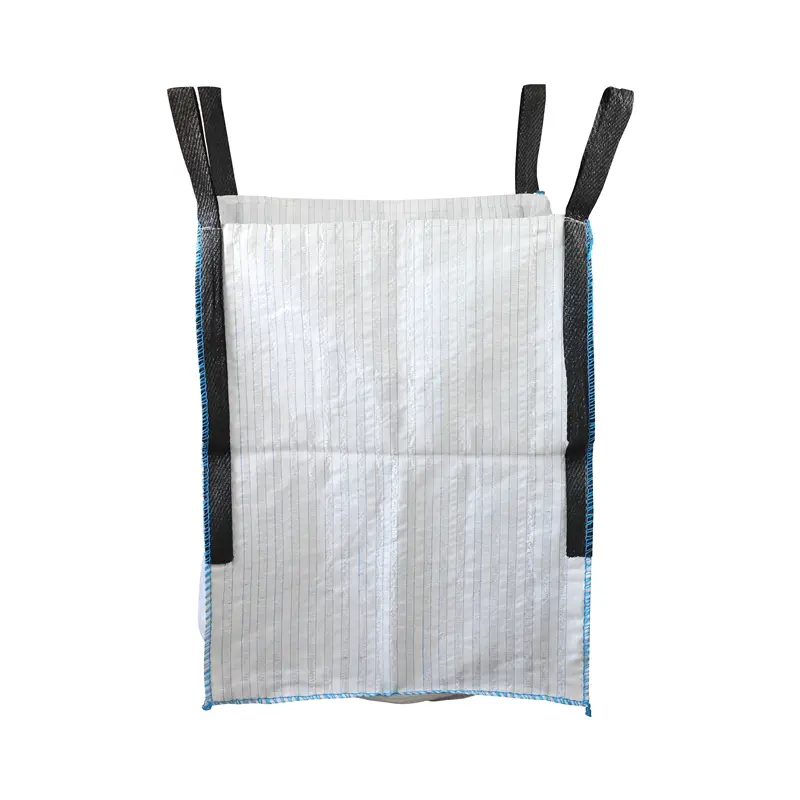
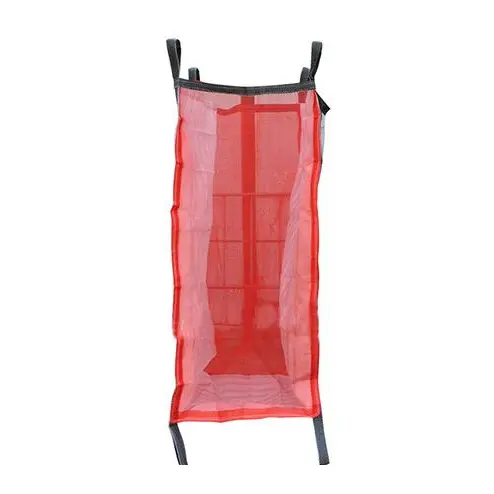
This FIBC is specially designed for materials requiring ventilation protection. Its core application scenarios include:
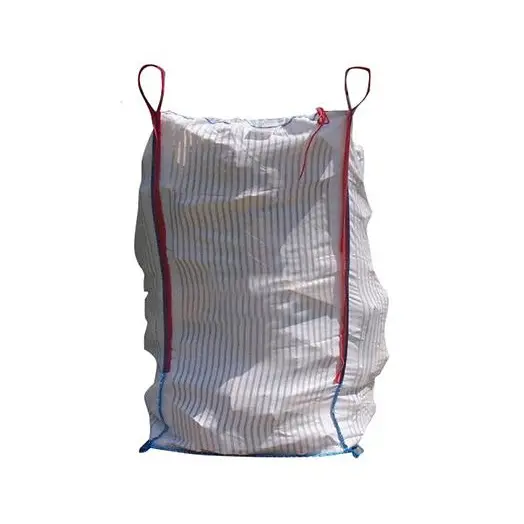
Loading root crops such as potatoes, onions, and sweet potatoes; the breathable structure keeps materials dry and prevents deterioration during storage and transportation.
Packaging block materials like wood and lightweight construction aggregates, suitable for hoisting and transportation while preventing materials from getting damp and moldy.
Also applicable for packaging bulk materials that need ventilation, such as feed and dehydrated vegetables.
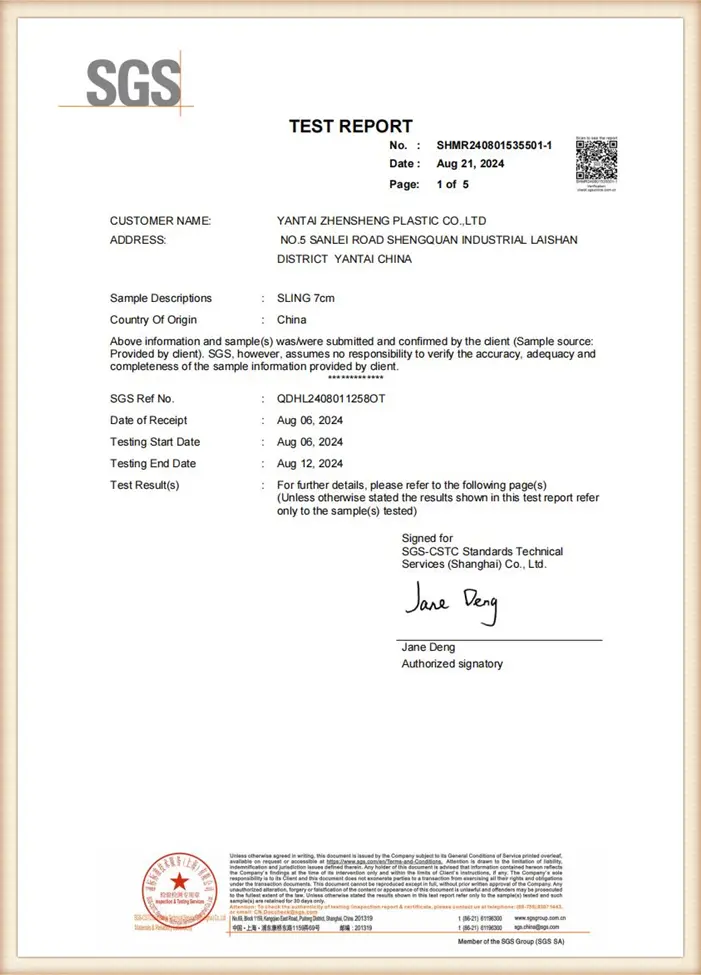
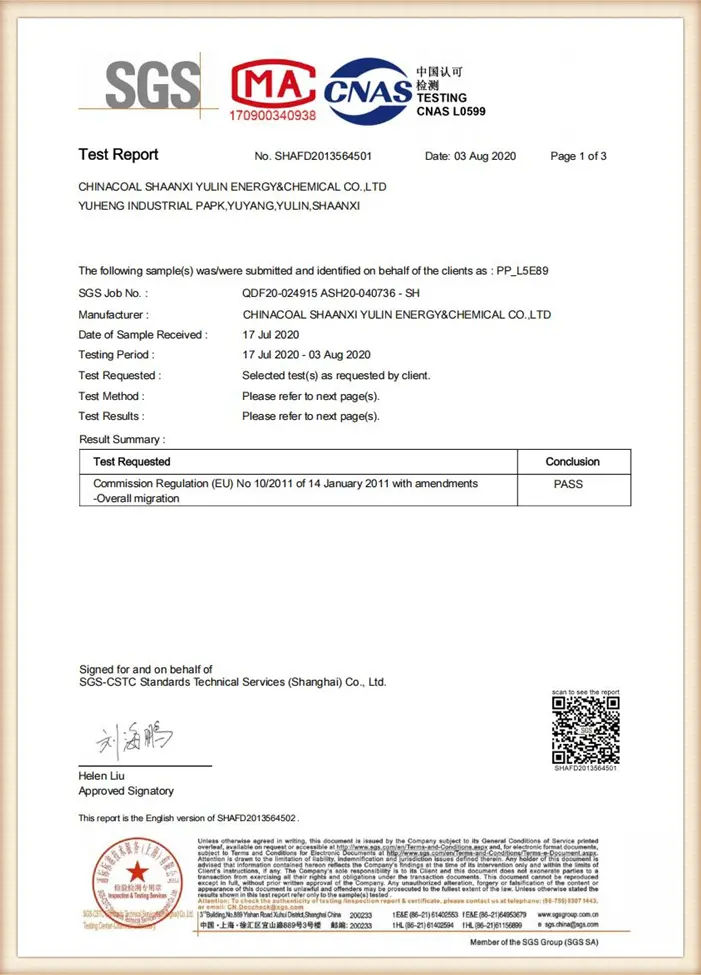
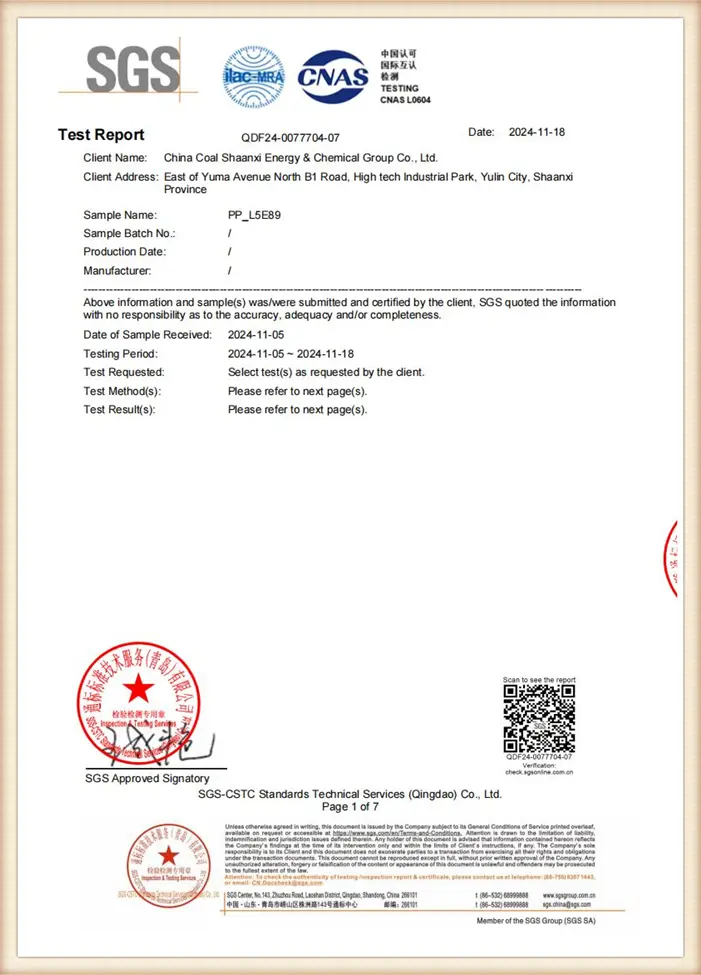
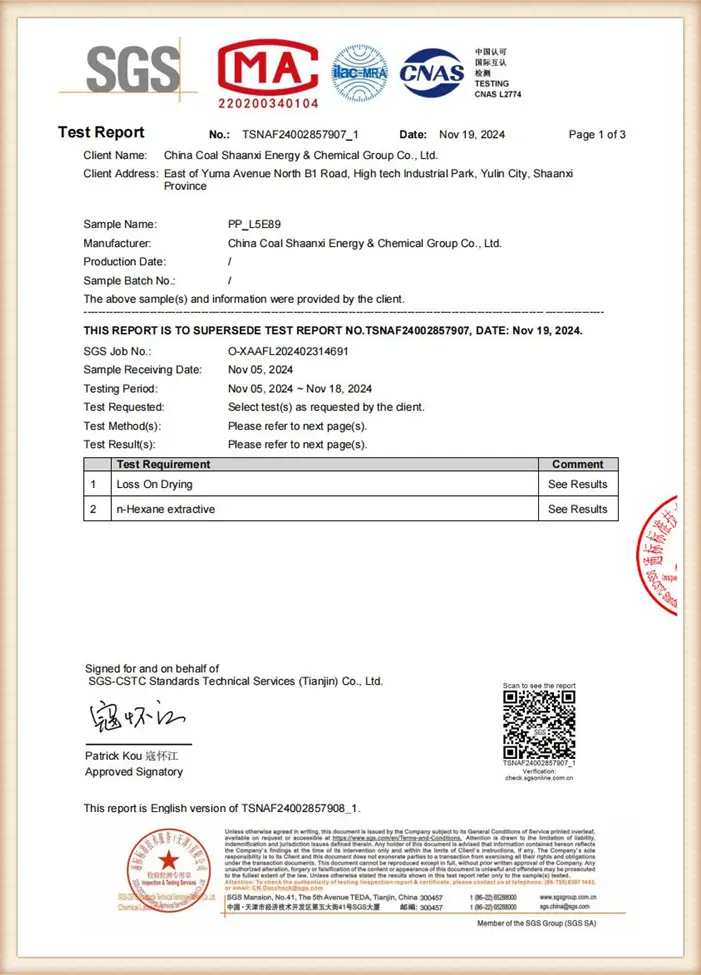
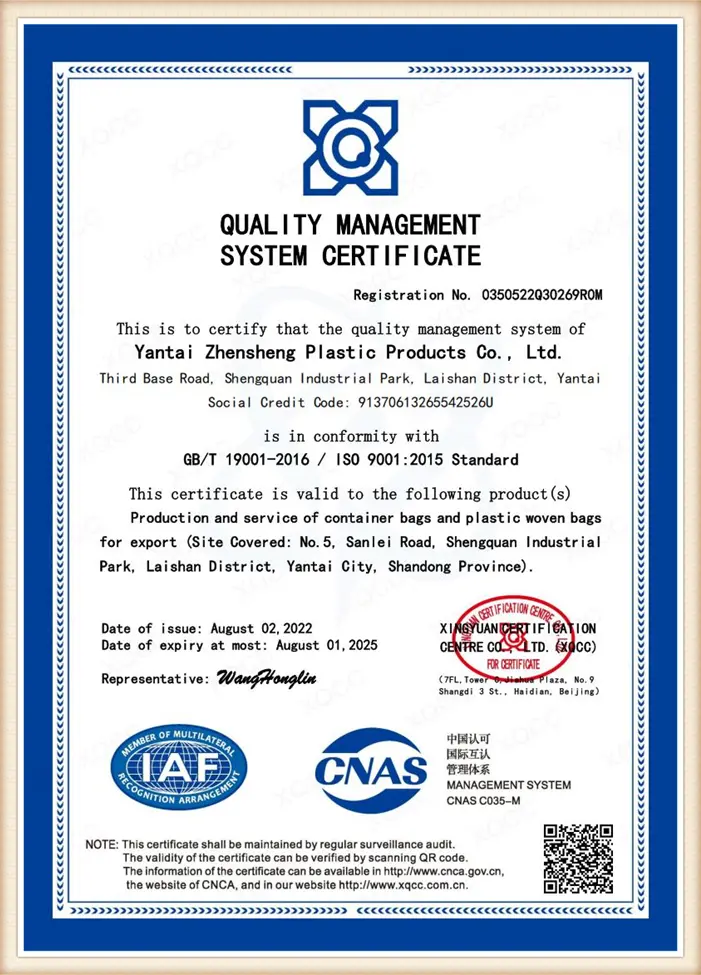
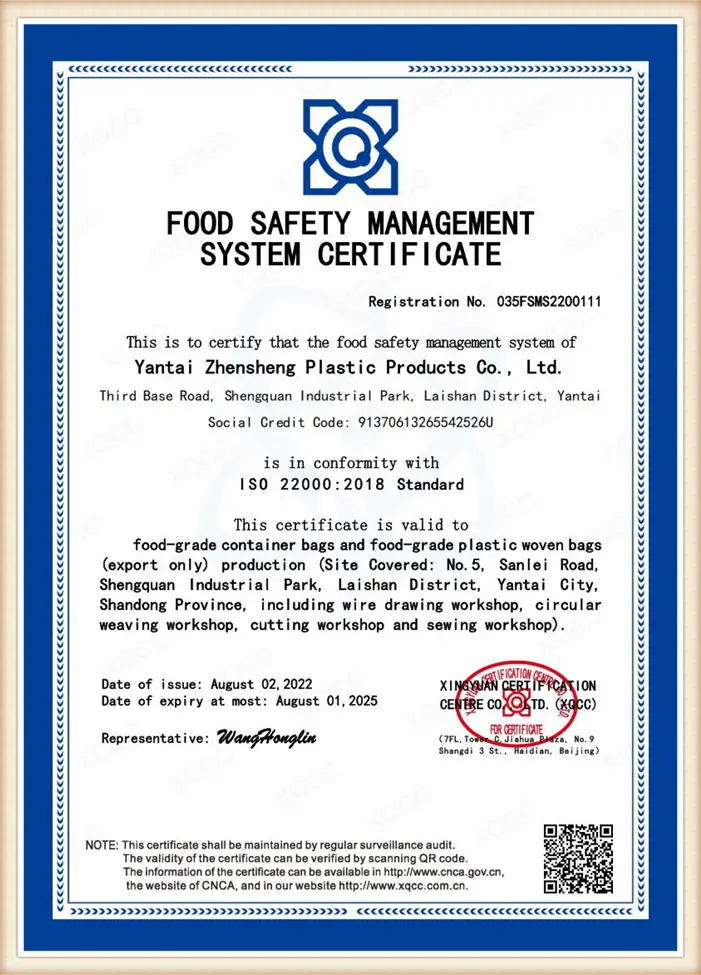
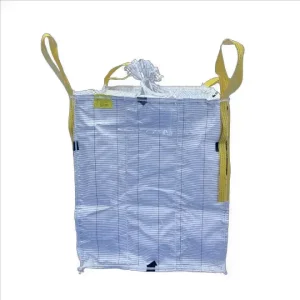
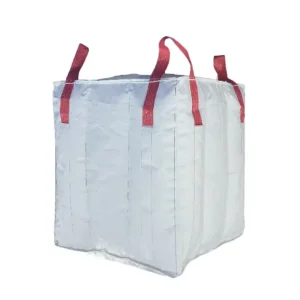
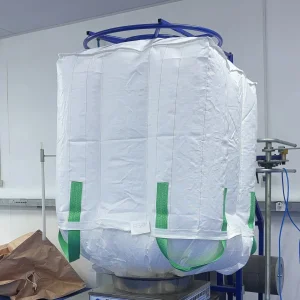
A ventilated FIBC bag features built-in breathable structures such as striped air vents woven into the fabric. These allow moisture and heat to escape from inside the bag, which is essential for perishable or moisture-sensitive goods. Standard bulk bags lack this airflow capability.
This FIBC bag is manufactured from new PP raw materials with a standard load capacity of 1–2 tons. It maintains a safety factor of 5:1, meaning it is tested to hold five times its rated load, ensuring reliable performance for heavy bulk materials.
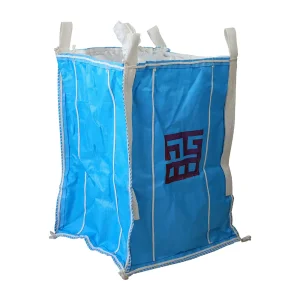
Yes. The bag dimensions, sling types, and features such as discharge ports can all be adjusted to meet your requirements. Additionally, brand logos and product information can be printed directly on the bag surface.
This bag is ideal for root crops and vegetables that require airflow during storage and transit, including potatoes, onions, sweet potatoes, and dehydrated vegetables. The breathable design helps keep products dry and extends shelf life.
Absolutely. The bag is well-suited for packaging block materials such as wood, lightweight construction aggregates, and similar industrial goods. Its high load-bearing capacity and breathable structure help prevent moisture buildup during transportation.
Always load the bag within its rated capacity (1–2 tons) and use appropriate lifting equipment. Inspect the bag before each use for any damage to the fabric or slings. Avoid direct sunlight when not in use to prolong its lifespan.