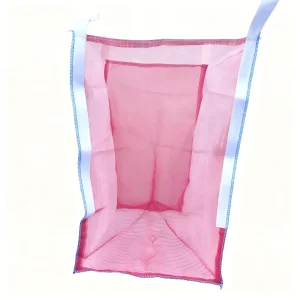
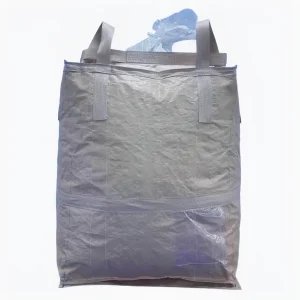
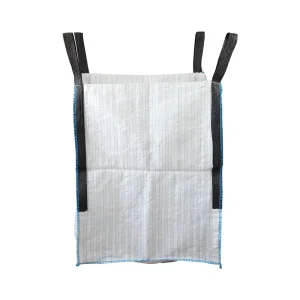
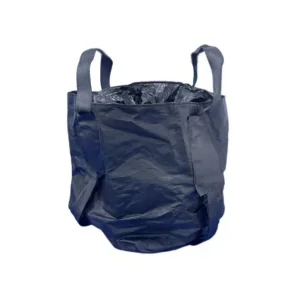
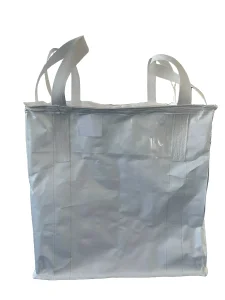
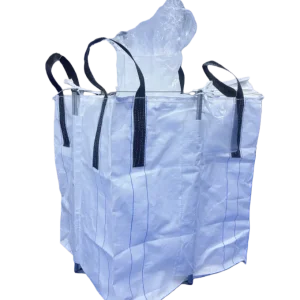
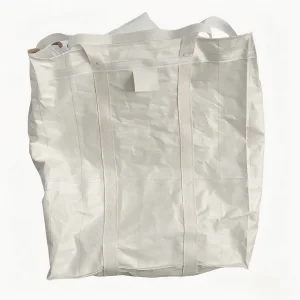
Explore our premium product line manufactured with the highest safety thresholds, certified materials, and customized engineering specifications.
In modern industrial logistics, the integrity of a Flexible Intermediate Bulk Container (FIBC) relies entirely on its weakest structural element. While woven body fabrics successfully contain tons of materials, it is the heavy-duty lifting loops that absorb the dynamic stresses of cranes, forklifts, and ports. Global transport regulations, including the strict ISO 21898 standards, mandate that lifting loops achieve safety factors ranging from 5:1 for single-trip use to 6:1 or 8:1 for multi-trip bulk packaging systems.
As the primary interface for materials handling, heavy-duty lifting loops face intensive structural demands. Whether lifting copper concentrate in South American ports or transporting volatile chemical powders in Northern Europe, lifting loops must maintain structural resilience under mechanical, environmental, and thermal stresses. A failure in a lifting loop can lead to mechanical drops, material waste, environmental contamination, and critical safety hazards. Consequently, global procurement teams are shifting away from generic off-the-shelf lifting straps to specialized ODM (Original Design Manufacturer) partnerships that align structural engineering with specific operational stresses.
Advanced woven configurations ensure lifting loops distribute load stresses evenly across the bag seam, preventing point-specific failures during high-velocity crane operations.
Configured specifically to absorb multi-axial seismic and sudden mechanical shifts during container loading and crane transfers at intermodal hubs.
Formulated with premium virgin polypropylene and performance-grade UV stabilizers (HALS) to withstand intense solar exposure during transport.
Founded in 1988, Yantai ZS Bulk Bags Manufacturing Co., Ltd. is a leading manufacturer specializing in customized design and production of mid-to-high-end FIBCs (Flexible Intermediate Bulk Containers). With more than 30 years of industry experience, we offer cost-effective, customized packaging solutions as our core capability. Backed by extensive technical expertise and rigorous quality control, we are a trusted manufacturing partner for well-known enterprises globally.
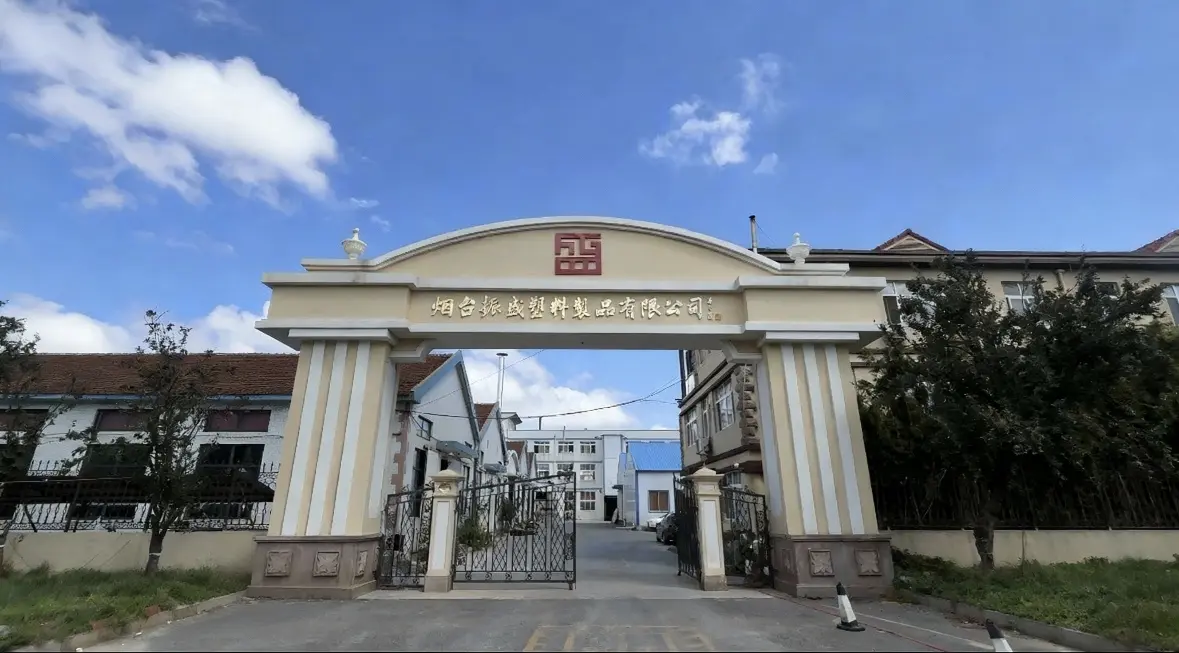
Our manufacturing capabilities span two modern production bases located in the Laishan and Muping districts of Yantai City, covering a total area of 60,000 square meters. We employ over 300 personnel, including a dedicated team of 30+ technical specialists and inspectors. By managing a complete closed-loop industrial chain from raw material extrusion to finished product manufacturing, we maintain total control over quality and delivery times. Supported by advanced weaving equipment and lean management processes, we deliver a stable monthly output of over 250,000 units and an annual production exceeding 3 million units. This scale allows us to efficiently support large bulk orders as well as precision customizations.
Sourcing heavy-duty lifting loops and integrated FIBC systems from our factory in China offers significant supply chain advantages. The industrial cluster in Shandong provides direct access to high-grade virgin polypropylene, custom chemical additives (UV stabilizers, color masterbatches), and specialized weaving machinery. This ecosystem enables us to keep lead times short while offering broad customization options.
Unlike assembly-only plants that outsource strap weaving, we extrude our own yarns and weave the lifting loops in-house. This complete process loop guarantees trace-level quality control. We monitor denier thickness, weave density, and seam strength directly on the production floor, reducing external supplier costs and passing those savings to our clients.
Whether your application requires cross-corner, side-seam, tunnel loops, or heavy-duty stevedore slings, our manufacturing setup is designed for rapid line reconfiguration. We support specialized requests, such as color-coded warning loops, multi-filament reinforcement, and anti-static grounding connections, with minimal lead-time penalties.
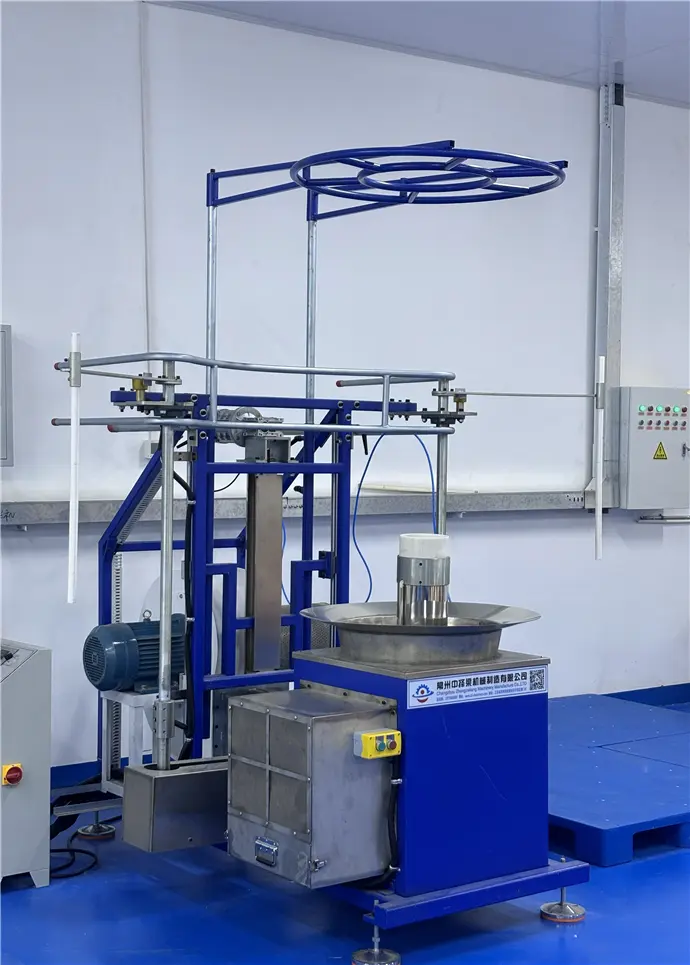
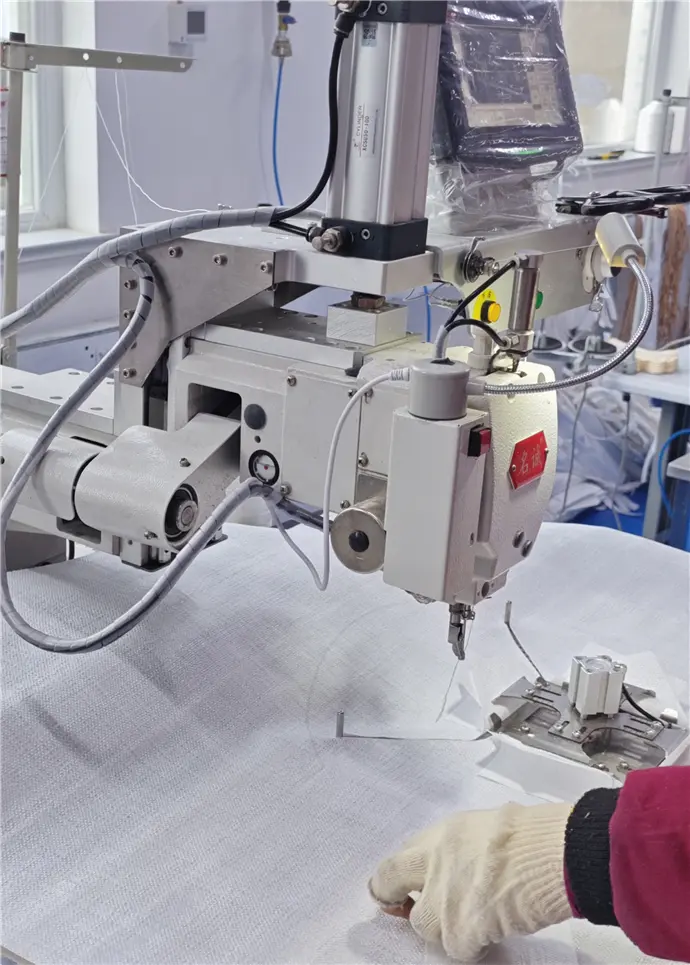
Quality assurance is embedded in every step of our manufacturing workflow. From raw material inspection to final packaging, we ensure full traceability and high product cleanliness.
We source 100% virgin polypropylene resin. All incoming material batches undergo structural and melt-flow testing to guarantee reliable base strength.
Resin is extruded into high-tenacity flat tapes. During this stage, UV inhibitors and anti-static agents are blended to achieve consistent compound distribution.
Tapes are woven into heavy-duty body fabrics and high-strength lifting loops using specialized circular and flat looms to handle high load requirements.
Fabric panels and loops are cut using ultrasonic cutting machines. This process seals the edges to prevent fraying and minimize dust contamination.
Bags are customized with tracking codes, safety labels, handling instructions, and corporate branding using chemical-resistant, food-safe inks.
Sewing is completed in our ISO 22000-compliant, dust-free workshop. Technicians assemble body panels, loops, and spouts using heavy-duty lockstitches.
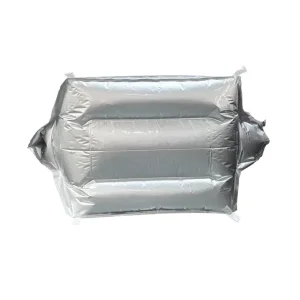
For chemical and barrier-critical applications, high-barrier aluminum liners or anti-leak sift-proofing cords are integrated into the bag assemblies.
Finished units are tested on-site for tensile strength, electrical resistance (for Type C bags), and seam integrity to ensure strict compliance.
When handling critical agricultural ingredients, hazardous chemical powders, or heavy battery raw materials, product safety is non-negotiable. Our production methods focus on hygiene, contaminant elimination, and reliable load safety.
For food-grade and high-hygiene industries, we use 100% virgin polypropylene raw materials that comply with FDA food-contact regulations. This eliminates the risk of heavy-metal contamination or structural inconsistencies associated with recycled resins.
All sewing processes for food-grade, pharmaceutical, and high-purity battery materials are conducted within our ISO 22000-certified cleanroom. This facility is equipped with positive pressure HEPA filtration systems, centralized dust removal, and insect control. Every finished bag undergoes thorough metal detection, vacuum cleaning, and UV sterilization before being packaged for shipment.
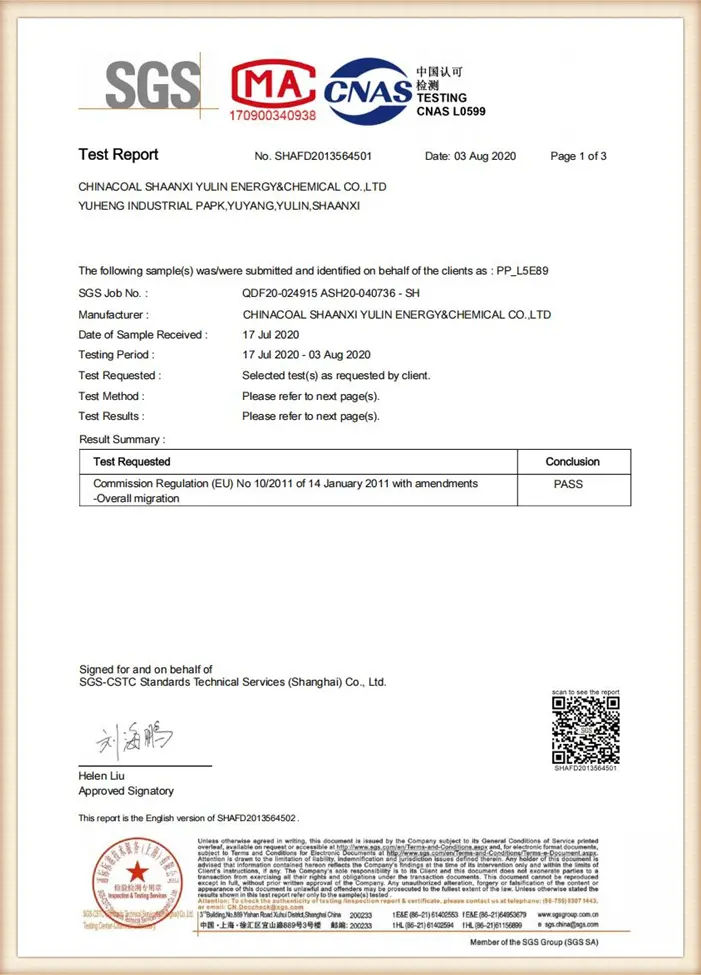
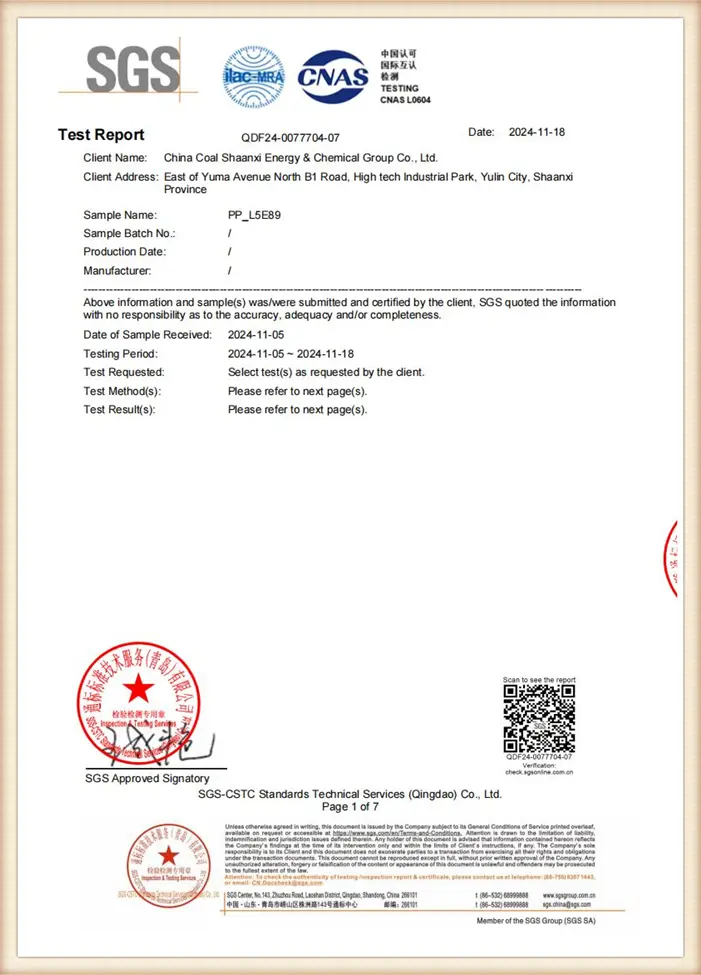
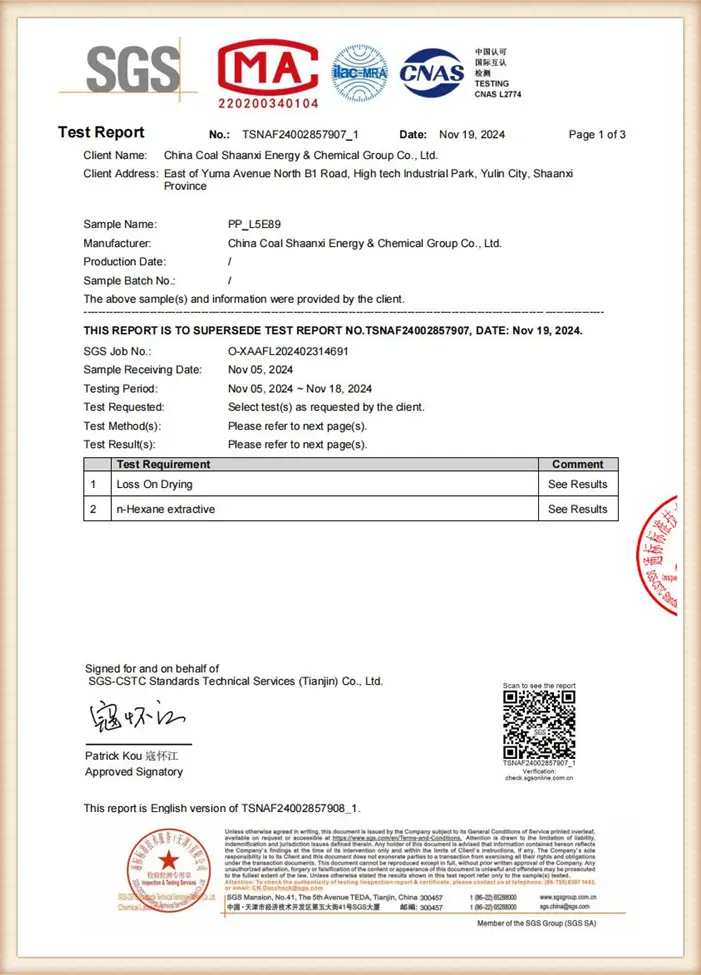
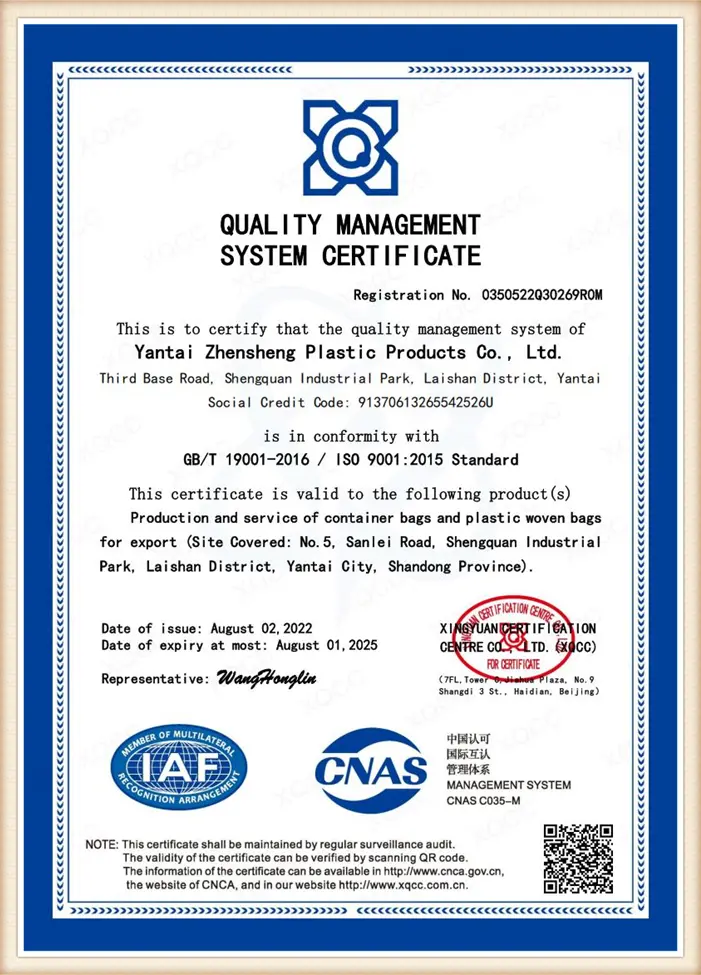
Different industrial environments require specific loop configurations. By customizing loop design and fabric characteristics, we help clients minimize material loss and improve terminal safety.
Cargo: Copper concentrates, iron ore, nickel powder.
Engineering Challenge: High weights (up to 2.5 tons per bag) and dynamic loads from port crane handling.
Solution: Double-reinforced cross-corner loops with stevedore webbing for fast, secure crane linkage.
Cargo: Lithium-ion battery separators, cobalt oxides, precursor chemicals.
Engineering Challenge: Strict requirements for zero contamination (free of heavy metals, zinc, and dust).
Solution: Ultrasonic-cut bags with multi-layer barrier liners, sewn in an ISO 22000 cleanroom.
Cargo: Polyethylene powders, volatile organic granules.
Engineering Challenge: Risk of dust explosion from electrostatic discharge during filling or emptying.
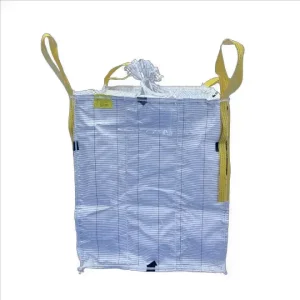
Solution: Groundable Type C bags with conductive lifting loops interconnected to ground tabs.
Cargo: Bitumen, hot-pour chemical additives.
Engineering Challenge: Material temperatures reaching up to 130°C degrade standard polypropylene loops.
Solution: High-temperature co-polymer weaves that retain tensile strength under heat stress.
As international supply chains emphasize circular economies, safety, and traceability, heavy-duty FIBC and lifting loop designs are evolving to meet new requirements:
Traditionally, lifting loops and body fabrics utilize different polymer formulations, making recycling complex. Modern designs focus on mono-material constructions where loops, base fabrics, and sewing threads are made of matching polypropylene grades to simplify the recycling process.
Integrating RFID chips directly into the webbing of lifting loops allows logistics operators to trace load counts, safety history, and raw material origins automatically, optimizing automated warehouse management.
As solar radiation indices rise in equatorial regions, lifting loops require high-performance HALS additives. This ensures safety margins remain intact even during extended outdoor storage at port depots.
For B2B procurement managers, evaluating an ODM partner requires verifying several technical parameters. Below is a checklist of critical requirements to review before placing high-volume orders:
| Technical Spec | Standard Requirement | Verification Metric |
|---|---|---|
| Safe Working Load (SWL) | 500 kg to 2,500 kg per bag | Load cell compression and drop-rig testing |
| Safety Factor (SF) | 5:1 (Single-trip) / 6:1 (Multi-trip) | ISO 21898 certification documentation |
| Electrostatic Safety | Type A, Type B, Type C (Conductive) | Breakdown voltage < 6kV / Resistance to ground < 10^8 Ω |
| Contamination Threshold | Zero loose fiber fraying, food contact safe | Ultrasonic heat cutting and cleanroom production (ISO 22000) |
Review key technical considerations for heavy-duty lifting loops and FIBC specifications.
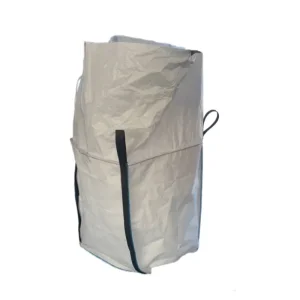
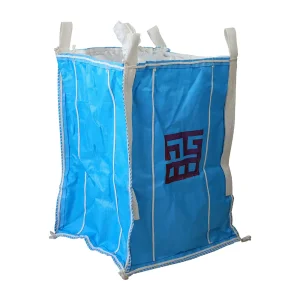
Browse our selection of heavy-duty, anti-static, breathable, and high-barrier bulk bags designed for specialized industrial cargo.
 Zhensheng