Frequently Asked Questions (FAQ)
Q
What makes a ventilated FIBC bag different from a standard bulk bag?
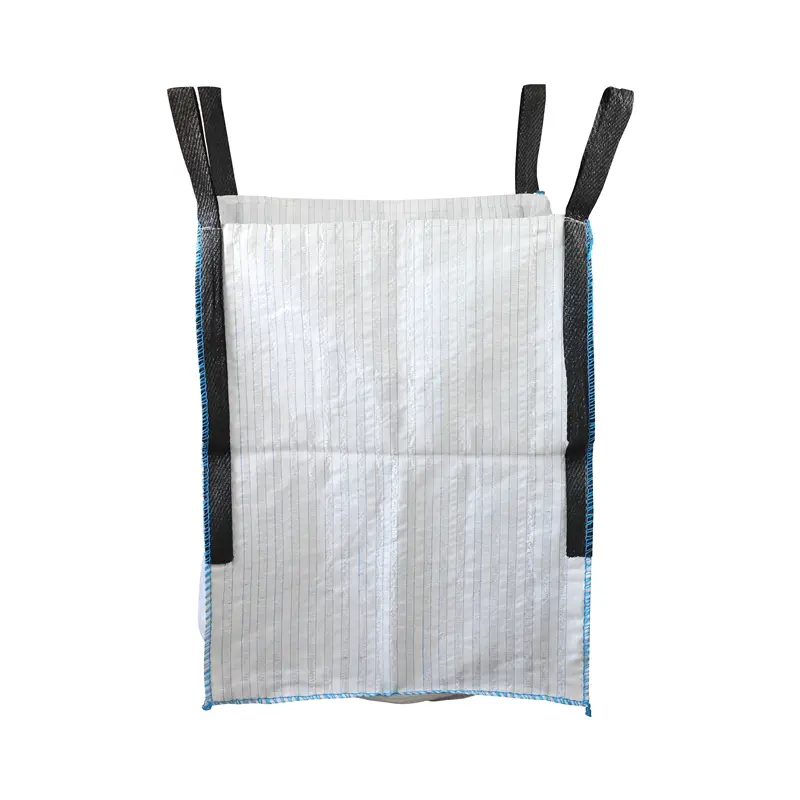
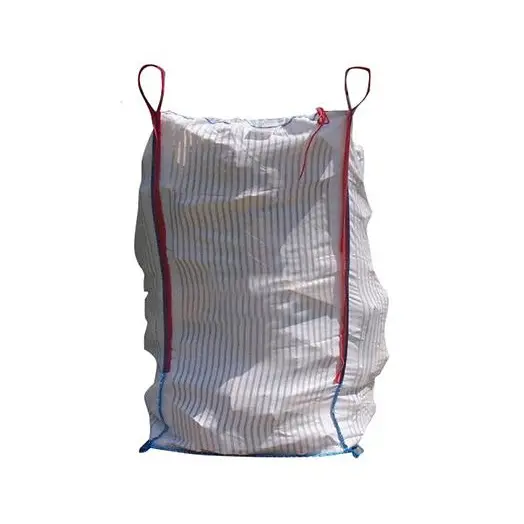
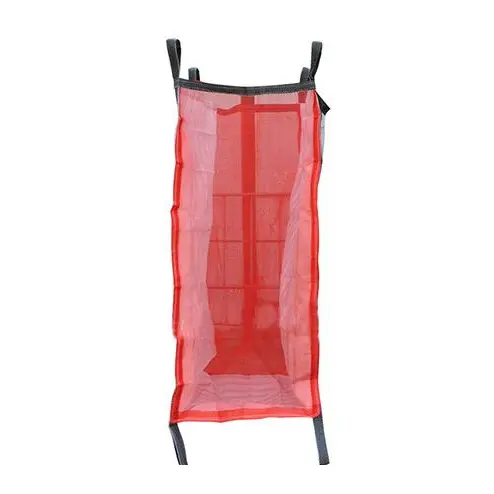
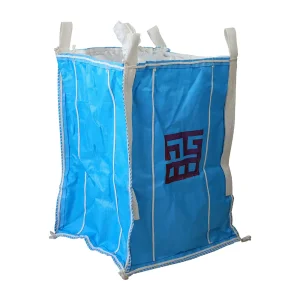
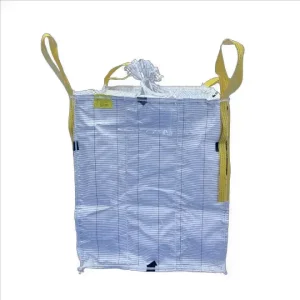
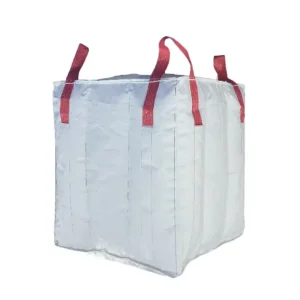
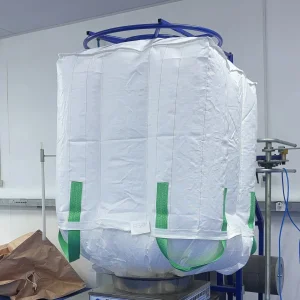
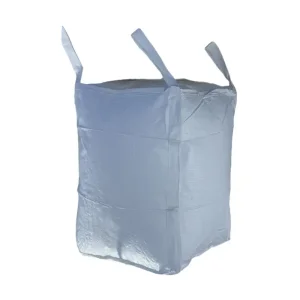
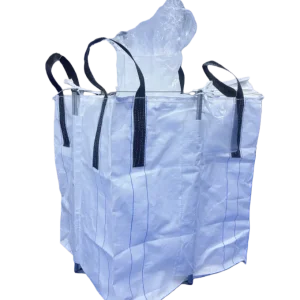
A ventilated FIBC bag features built-in breathable structures such as striped air vents woven into the fabric. These allow moisture and heat to escape from the contents, preventing mildew, caking, and deterioration — something a standard sealed bulk bag cannot do.
Q
What is the maximum load capacity of your ventilated FIBC bags?
Our ventilated FIBC bags are manufactured from new PP raw materials with a standard load capacity of 1–2 tons and a safety factor of 5:1, making them reliable for heavy blocky or granular materials.
Q
Can the bags be customized with our company's branding or logo?
Yes. We offer full customization including bag size, sling type, discharge port options, and surface printing. You can have your brand logo, material information, or other details printed directly on the bag.
Q
Which agricultural products are suitable for ventilated FIBC bags?
These bags are ideal for root vegetables and crops that require airflow during storage and transport, including potatoes, onions, sweet potatoes, dehydrated vegetables, and animal feed. The breathable design helps maintain freshness and prevents spoilage.
Q
Are ventilated FIBC bags suitable for construction or building materials?
Absolutely. These bags are well-suited for packaging block materials such as wood pieces and lightweight construction aggregates. They support hoisting and transportation operations while the breathable structure protects contents from moisture and mold.
Q
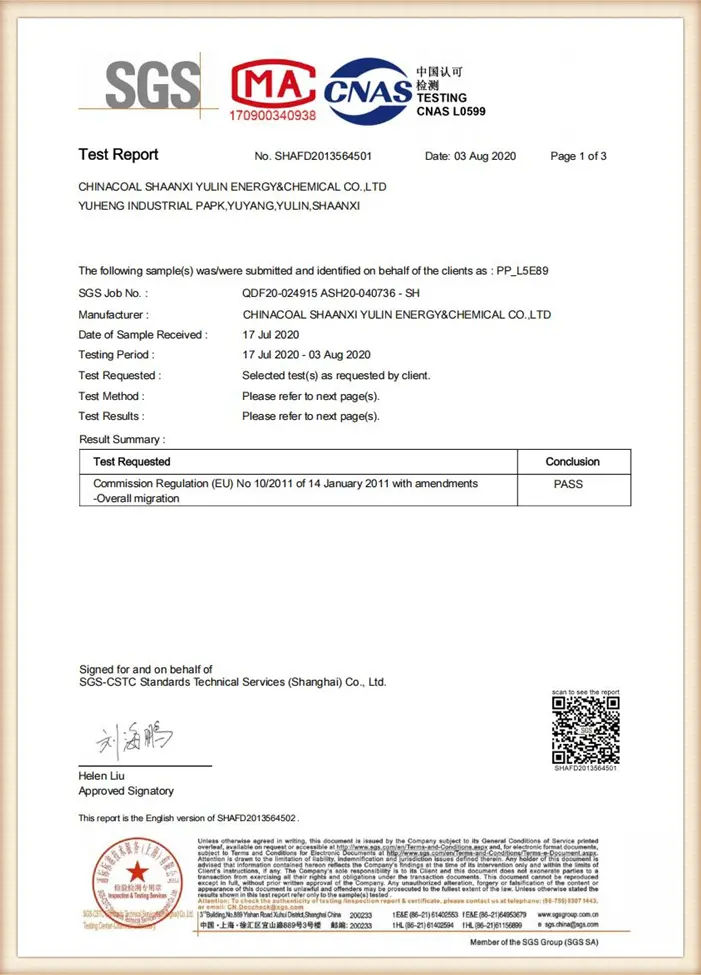
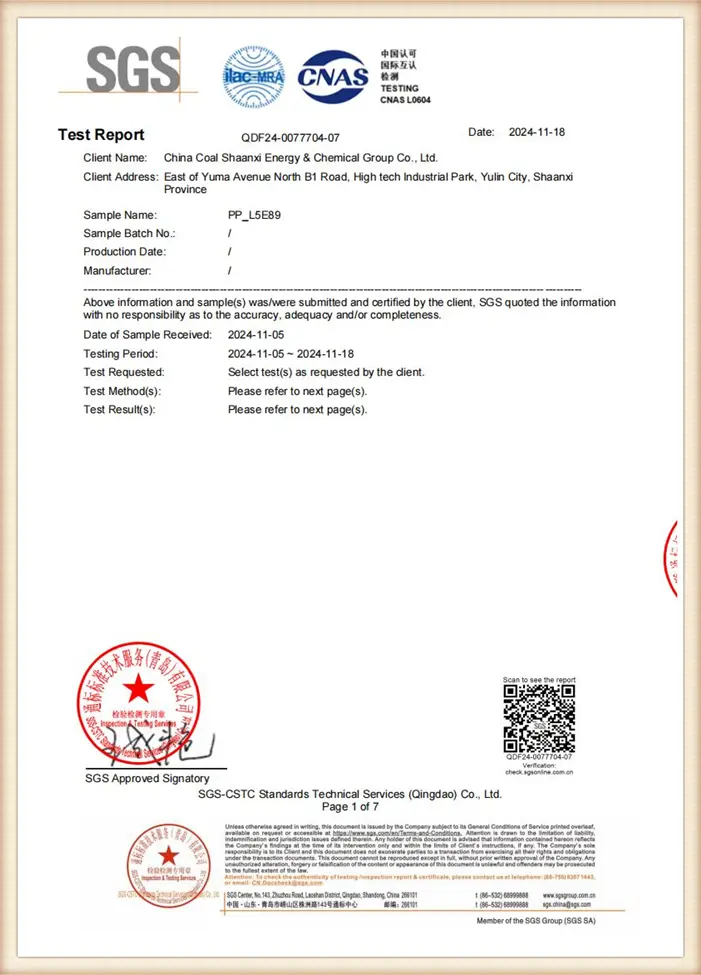
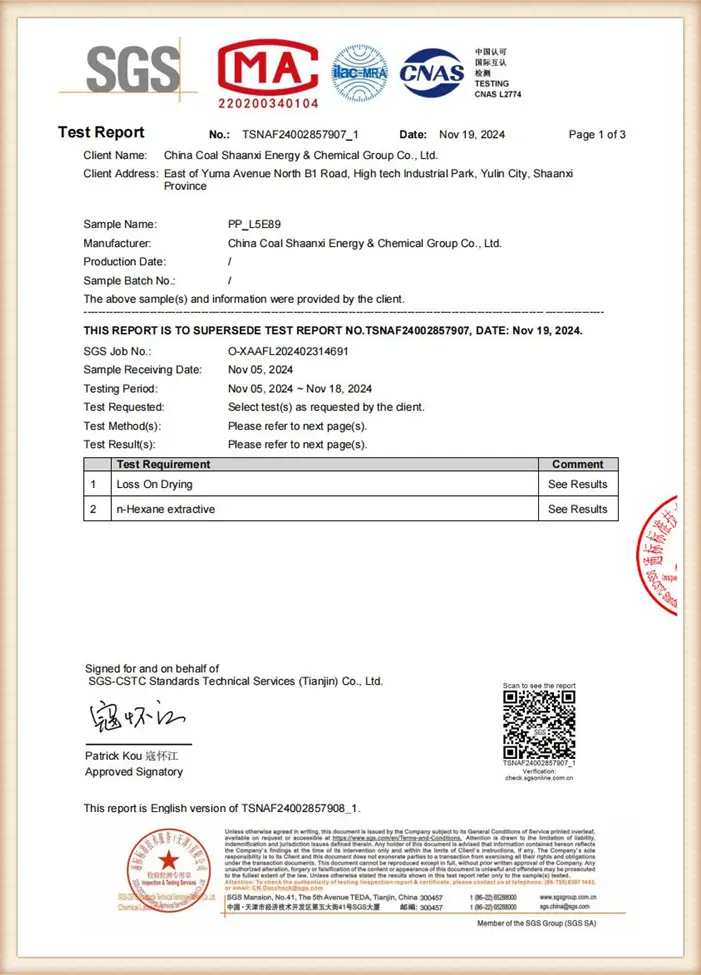
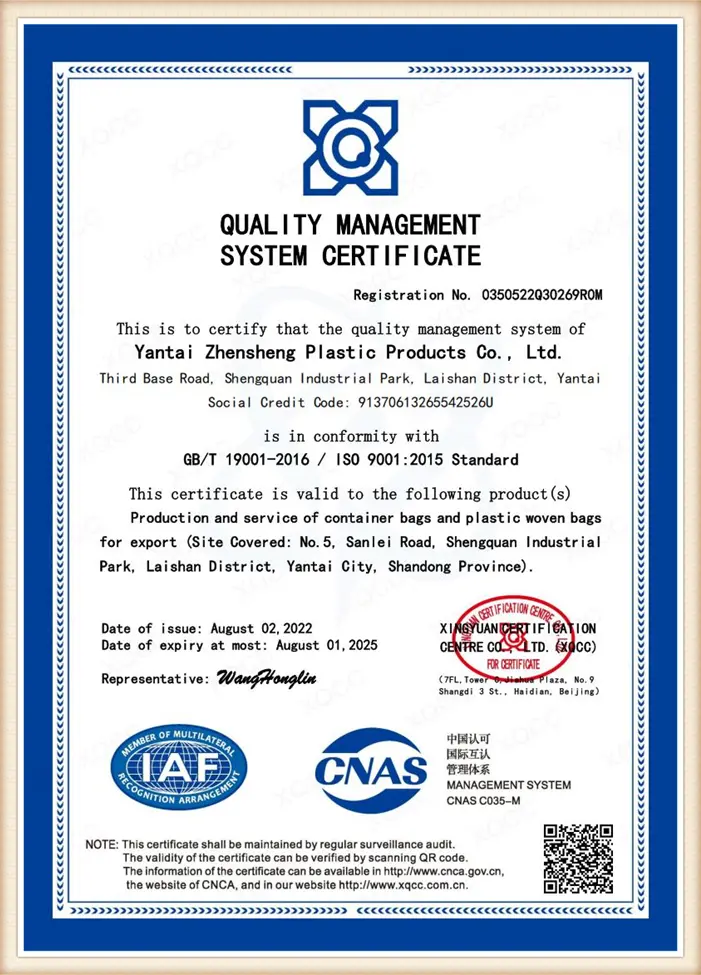
What certifications or quality standards do your FIBC bags comply with?
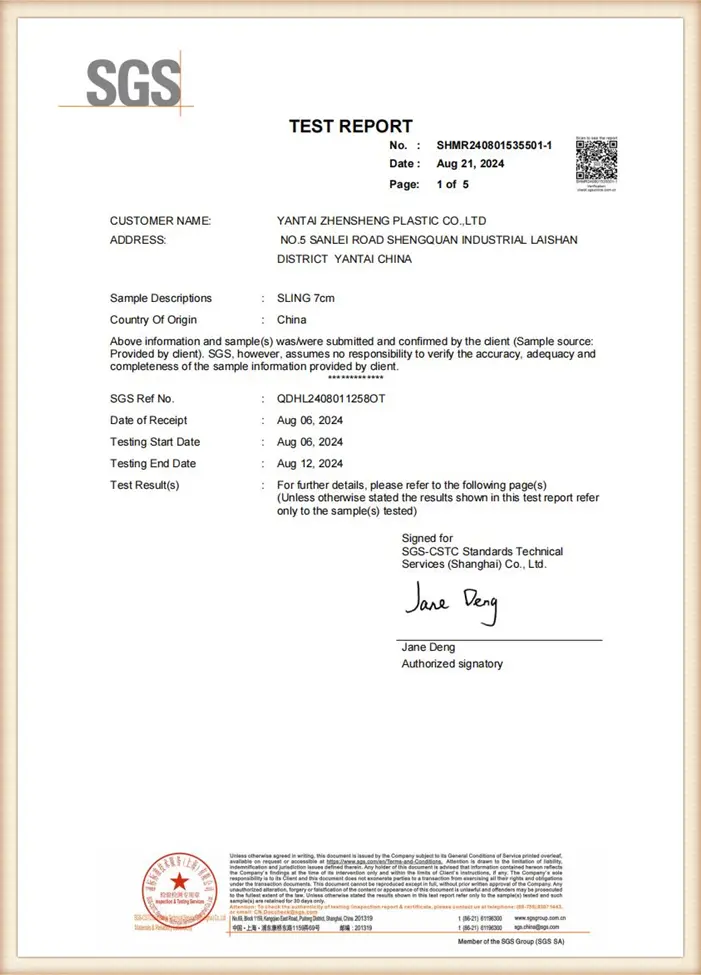
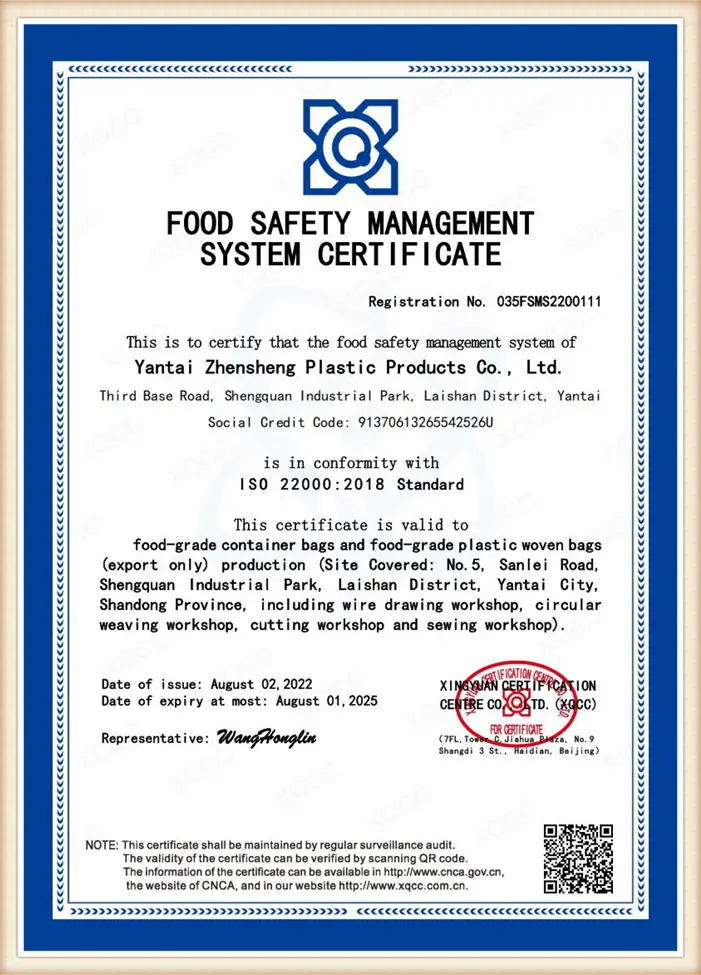
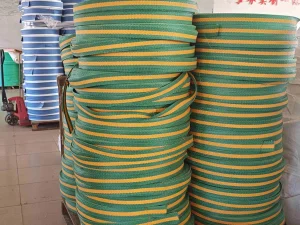
Our FIBC bags are produced under strict quality control processes. Please refer to the detail pictures and certificate images above for specific certifications. Feel free to contact our support team directly for detailed compliance documentation relevant to your market or industry.
 Zhensheng