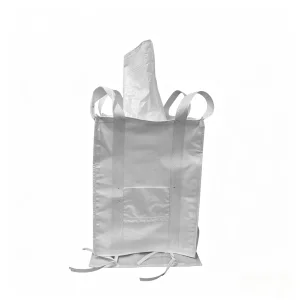
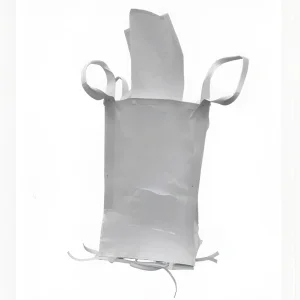
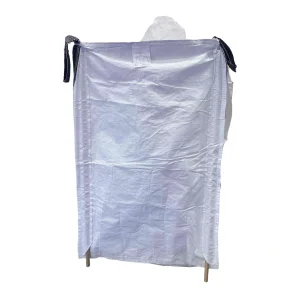
Explore our leading selection of custom-configured bulk packaging solutions designed for high-cleanliness materials, dangerous compounds, and extreme logistics tasks.
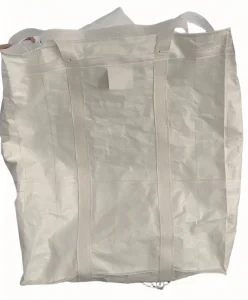
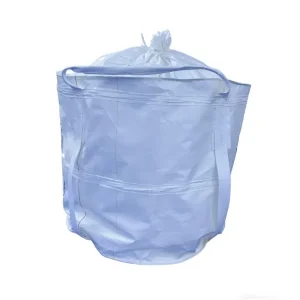
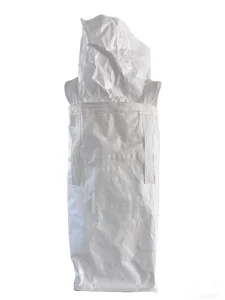
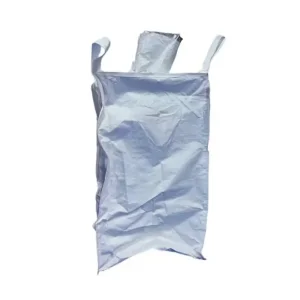
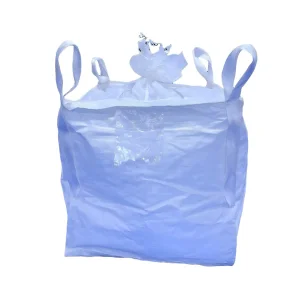
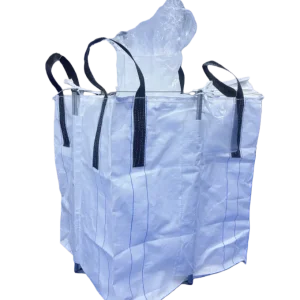
In the highly regulated arena of global chemical raw materials, mineral products, battery grade energy stores, and food-grade logistics, the structural integrity of your packaging system acts as the first line of defense against product degradation, batch cross-contamination, and transport-induced disasters. Founded in 1988, Yantai ZS Bulk Bags Manufacturing Co., Ltd. (operating globally under ZS Bulk Bags) has stood as a pioneer in technical FIBC optimization, serving as a trusted strategic partner for over 246 enterprise clients across the globe. Our industrial focus is to construct custom engineered FIBCs (Flexible Intermediate Bulk Containers) that deliver perfect product stability, comprehensive ESD safety compliance, and optimized filling processes.
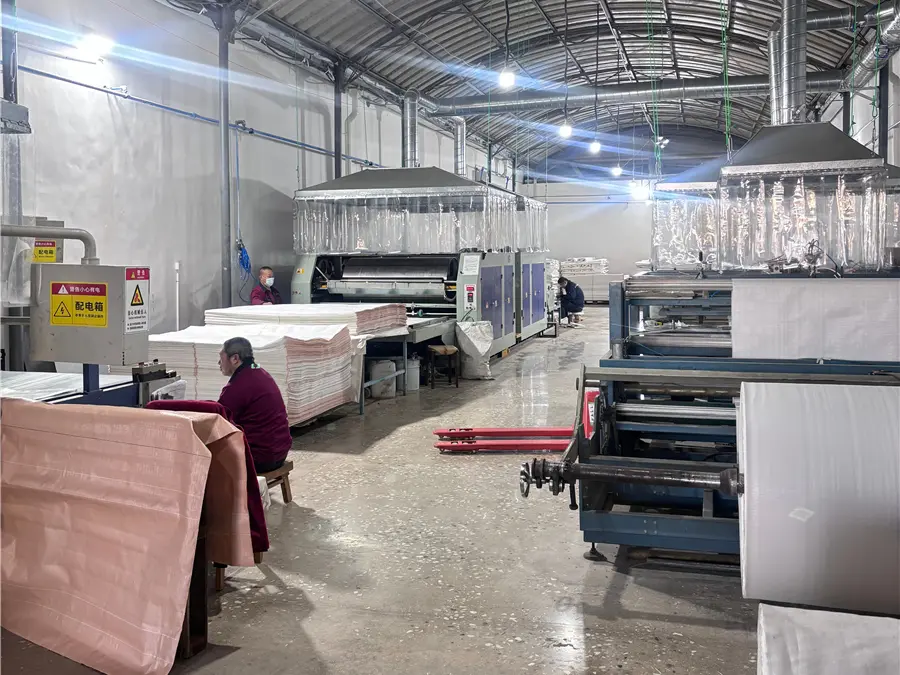
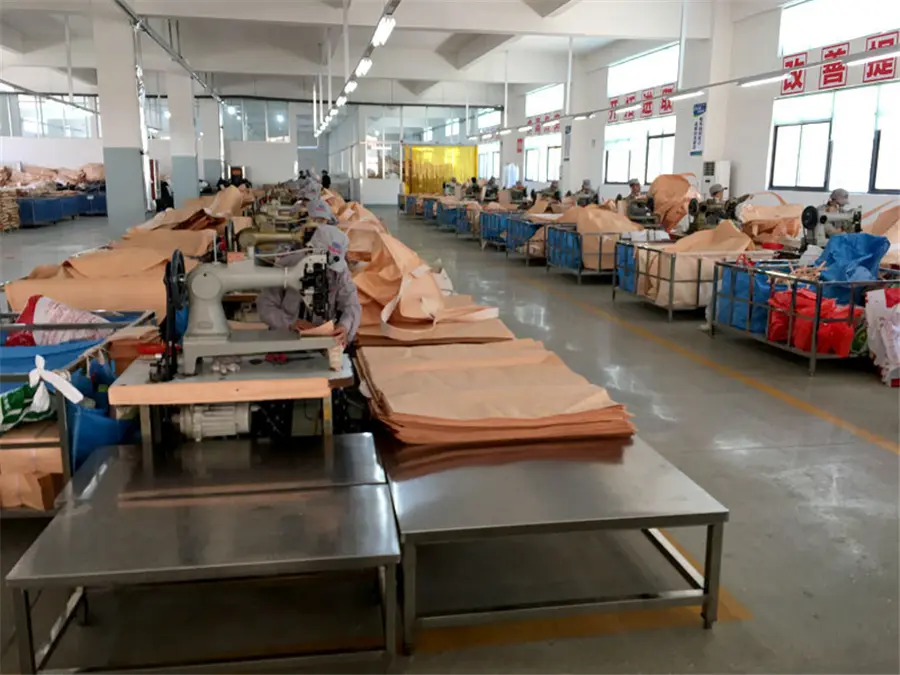
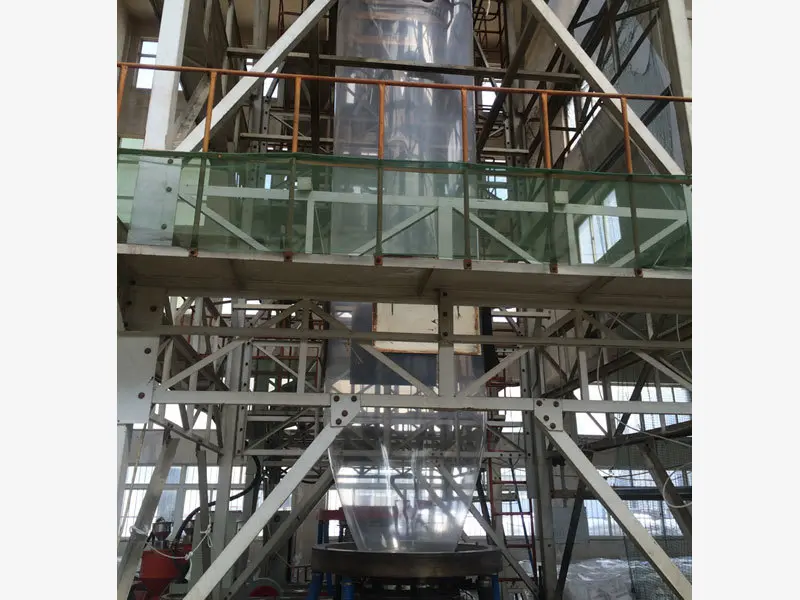
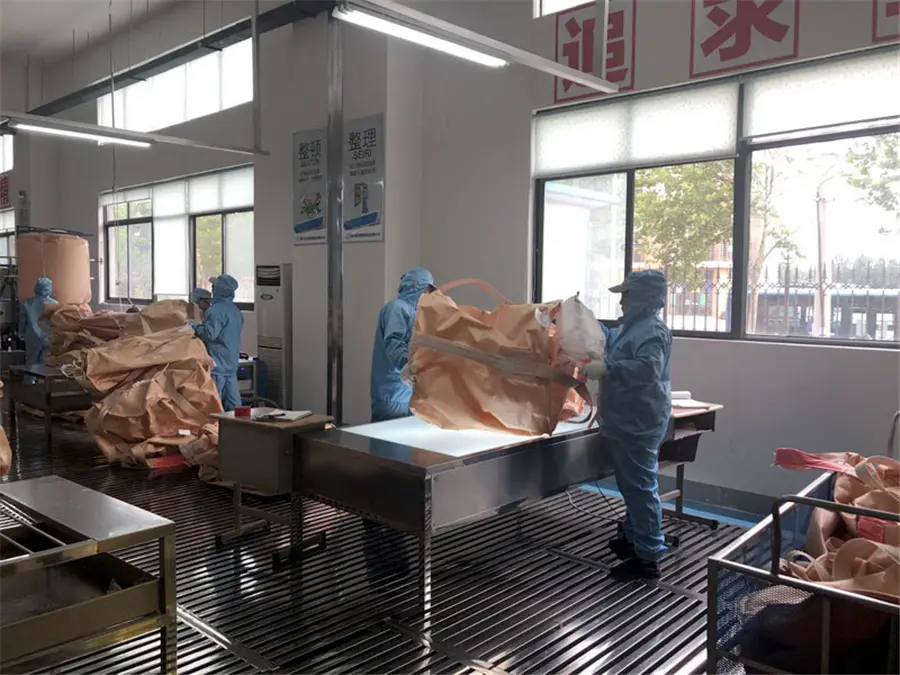
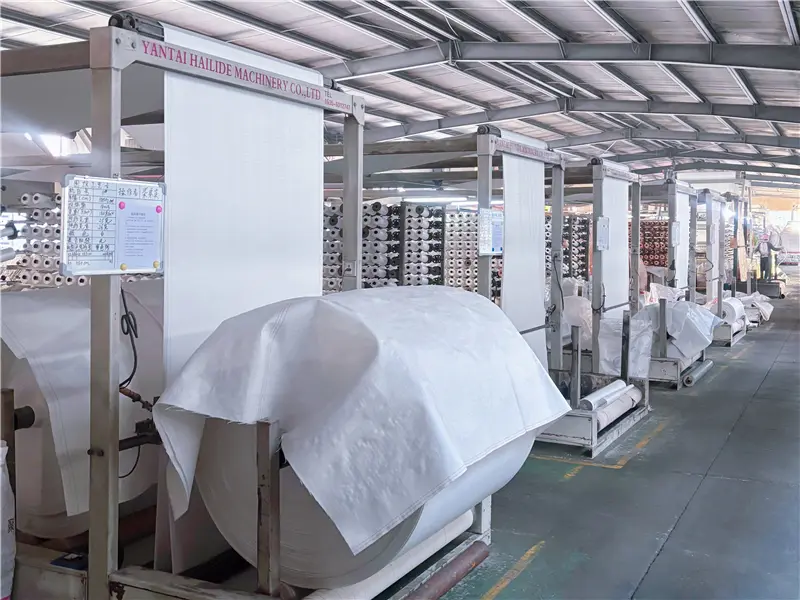
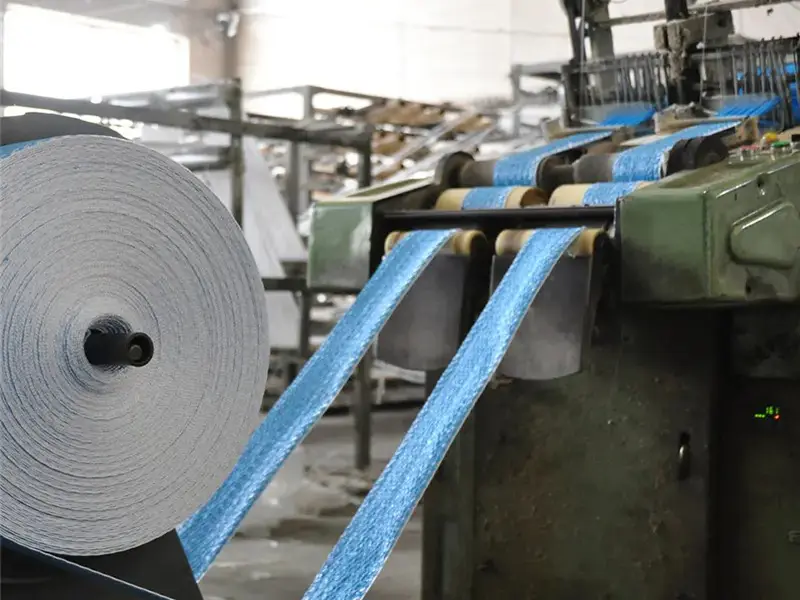
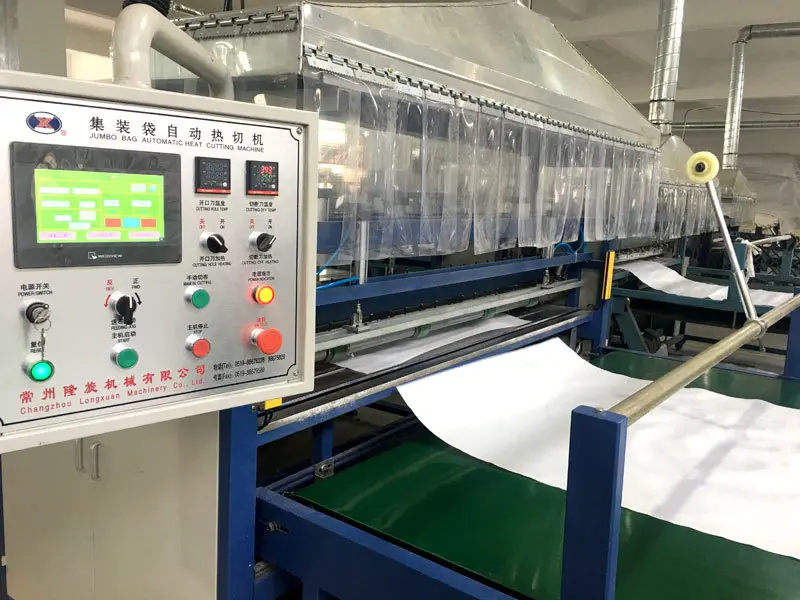
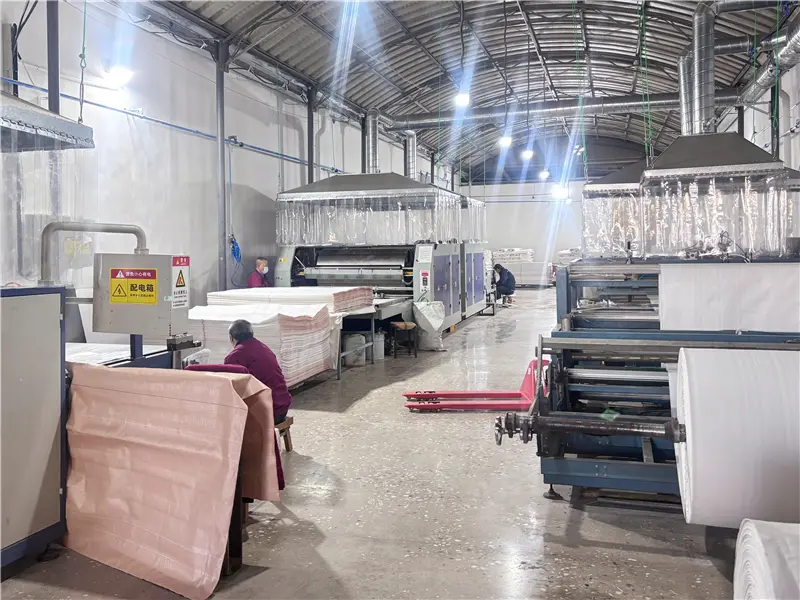
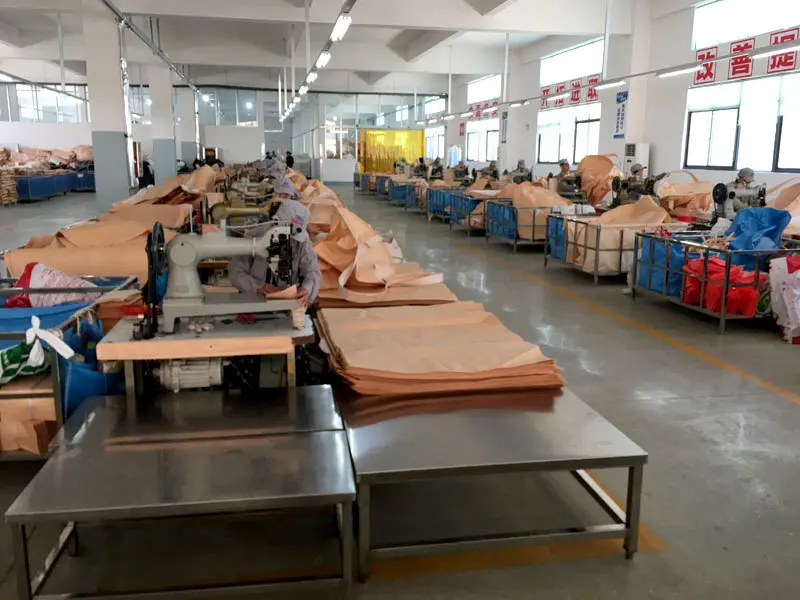
Boasting a complete, closed-loop vertical integration structure, ZS Bulk Bags maintains two advanced production facilities in Muping District and Laishan District within Yantai City, spanning an expanse of 60,000 square meters. The company coordinates an elite workforce exceeding 300 experienced professionals, featuring over 30 dedicated packaging quality inspectors and structural polymer engineers. Our integrated supply chain extends from raw resin polymer extrusion and ribbon draw, to automated circular weaving, high-hygiene food grade cleanroom fabrication, multi-layered aluminum barrier liner inserts, and state-of-the-art tensile testing labs. By managing every stage internally, we sustain a reliable monthly capacity of over 250,000 high-performance bags (annual volume exceeding 3 million units), guaranteeing stable product quality and on-time shipments for bulk global logistics contract buyers.
How technological advancements, material sciences, and environmental mandates are shaping the future of global bulk logistics packaging.
With the rapid expansion of lithium-ion battery production and high-purity pharmaceutical manufacturing, standard industrial woven packaging is no longer sufficient. Industries now demand Class 10,000 (ISO 7) and Class 100,000 (ISO 8) cleanrooms where bulk bags are cut, sewn, and sealed to ensure they are completely free of microscopic dust, fibers, and foreign matter.
To protect highly hygroscopic and oxygen-sensitive raw materials during long ocean voyages, developers are replacing standard PE liners with complex multi-layer co-extruded structures, such as EVOH, aluminum foil, and metallized films. These designs reduce oxygen transmission rates (OTR) and water vapor transmission rates (WVTR) to near zero.
Explosive chemical dust and organic powder atmospheres require rigorous electrostatic control. Packaging must strictly adhere to the IEC 61340-4-4 international standard. This compliance requires transitioning from simple insulated structures (Type A) to grounded conductive systems (Type C) or self-dissipating configurations (Type D).
Global chemical and logistics leaders are driving the adoption of circular PP packaging economies. Modern customizable bulk bags are engineered using high-tensile, 100% recyclable virgin polypropylene. They are designed for multi-trip safety ratings (6:1 or 8:1 Safety Factor) to significantly lower the carbon footprint per transport cycle.
Purchasing managers and supply chain directors at multinational corporations evaluate bulk bag procurement based on total cost of ownership (TCO) and risk mitigation. A failure in packaging can cause high material losses, factory contamination shutdowns, and serious injuries to loading personnel. At ZS Bulk Bags, we optimize production parameters to balance mechanical strength, containment performance, and shipping costs.
Our engineering matrix maps specific material densities to the physical properties of our woven fabrics (GSM, weave density, tensile strength, and UV exposure ratings). By designing bulk bags tailored to the flowability, bulk density, and electrostatic properties of your product, we help eliminate common handling challenges like bag deformation, unstable stacks, sifted powder dust leaks, and discharge chute blockages.
| Material Category | Material Characteristics | Recommended Fabric Base (GSM) | Recommended Inner Liner Specification | Lifting Loop System Config | Static Hazard Classification |
|---|---|---|---|---|---|
| Battery Cathode/Anode Materials | Ultrafine powder, metallic contamination risk, hygroscopic | 180 - 220 GSM Virgin PP with internal coating | Multi-layer Aluminum Foil Barrier Liner | Cross-Corner Loop + Bottom Stevedore Straps | Non-explosive (Needs High Cleanliness) |
| Industrial Chemicals / Raw Powders | Highly fluid, dust hazard, sensitive to static discharge | 160 - 200 GSM Woven PP + Anti-static Yarn | Form-Fit Conductive PE / Laminated inner coat | Heavy-Duty Side Seam Loops + Dustproof Seaming | Type C / Type D Electrostatic protection |
| Heavy Mining Ore Concentrates | High bulk density, abrasive, outdoor storage | 220 - 240 GSM UV Resistant Fabric (150kLy) | Unlined / Coated base (depending on moisture content) | Dual Stevedore Straps / Continuous Loops | Type A (Non-flammable minerals) |
| Food & Pharmaceutical Grade Items | Zero tolerance for contamination, high hygiene demand | 170 - 210 GSM Pure Virgin PP (No regrind allowed) | FDA-approved Form-Fit LLDPE (Cleanroom inserted) | 4-Loop Tunneled Straps, Ultrasonic Cut edges | Type A / Type B depending on dry environments |
Tailored structural designs matching the rigorous demands of global operations and challenging environments.
The manufacturing of Lithium Iron Phosphate (LFP), Nickel-Cobalt-Manganese (NCM), and synthetic graphite requires packaging with strict metal contamination limits (typically measured in parts per billion). Our ODM High Cleanliness Baffle FIBC Bulk Bags are produced in cleanroom conditions where all air is run through multi-stage HEPA filters. The fabrics undergo hot-knife or ultrasonic cutting to seal loose fibers. Every bag passes through a high-intensity cleaning machine to extract microscopic particulates, and is inspected with metal detectors before vacuum packing. Baffle inserts keep the bag square, increasing container space utilization by up to 25% compared to round bags.
Industrial bitumen and hot road-repair asphalt are typically filled at temperatures ranging from 110°C to 180°C. Standard polypropylene base fabrics break down and lose their strength above 85°C. ZS Bulk Bags engineered the High Temperature Resistant Asphalt FIBC Bags using specialized polymer structures. We combine heat-stabilized polypropylene with multi-layer high-melt inner liners to withstand continuous thermal exposure without cracking or leaking. This structural design enables the safe handling of hot liquids and quick solidification without requiring expensive heated metal tankers.
Copper concentrate, iron sand, and silica powders are highly abrasive materials with high bulk densities. During marine transit, these materials are often exposed to high humidity and intense UV radiation. Our Heavy-Duty UV-Resistant FIBC Bags for Copper Concentrate use fabric woven from custom-formulated masterbatch resin that includes premium UV inhibitors (HALS). This material resists degradation from solar radiation even in harsh environments like open ports and desert storage yards. The bag's seams are reinforced with heavy-duty polypropylene ropes to prevent tears, ensuring a high level of safety throughout long transit periods.
In global industrial procurement, a customizable bulk bag's price is not a single, fixed number. Instead, it is a calculation based on raw materials, manufacturing standards, and performance specifications. Transparency in cost elements is critical for procurement teams to budget accurately and verify value. Below is our benchmark costing blueprint, which shows how specific design choices affect the final cost of customizable bulk bags.
| Base Type | Dimensional Range (cm) | Safe Working Load (SWL) | Safety Factor (SF) | Key Technical Specs | Estimated Base Price (FOB China) |
|---|---|---|---|---|---|
| Standard Circular / U-Panel | 90 x 90 x 110 | 1,000 kg | 5:1 (Single Use) | 160 GSM, Uncoated, open top, plain seams | $3.80 - $4.80 |
| Coated Dustproof Liner Bag | 95 x 95 x 120 | 1,200 kg | 5:1 (Single Use) | 175 GSM + Lamination, triple dustproof felt seams | $5.20 - $6.50 |
| Ultra-Clean Baffle Bag (Q-Bag) | 105 x 105 x 120 | 1,250 kg | 5:1 (Single Use) | 180 GSM, Internal shape retention panels, cleanroom assembly | $6.80 - $8.50 |
| Standard Conductive (Type C) | 90 x 90 x 130 | 1,000 kg | 6:1 (Multi-Use) | 190 GSM base with grid conductive yarns, ground tabs | $12.50 - $15.50 |
| High Barrier Foil-Lined FIBC | 95 x 95 x 135 | 1,500 kg | 6:1 (Multi-Use) | 220 GSM high tensile base, 4-layer aluminum foil liner insert | $18.50 - $24.00 |
| UN Certified Hazardous Cargo Bag | 95 x 95 x 125 | 1,500 kg | 6:1 (Multi-Use) | Heavy-duty 240 GSM base, drop-tested structural seams | $8.50 - $11.50 |
Tracing raw polymers through precision manufacturing steps to final quality-assured packaging.
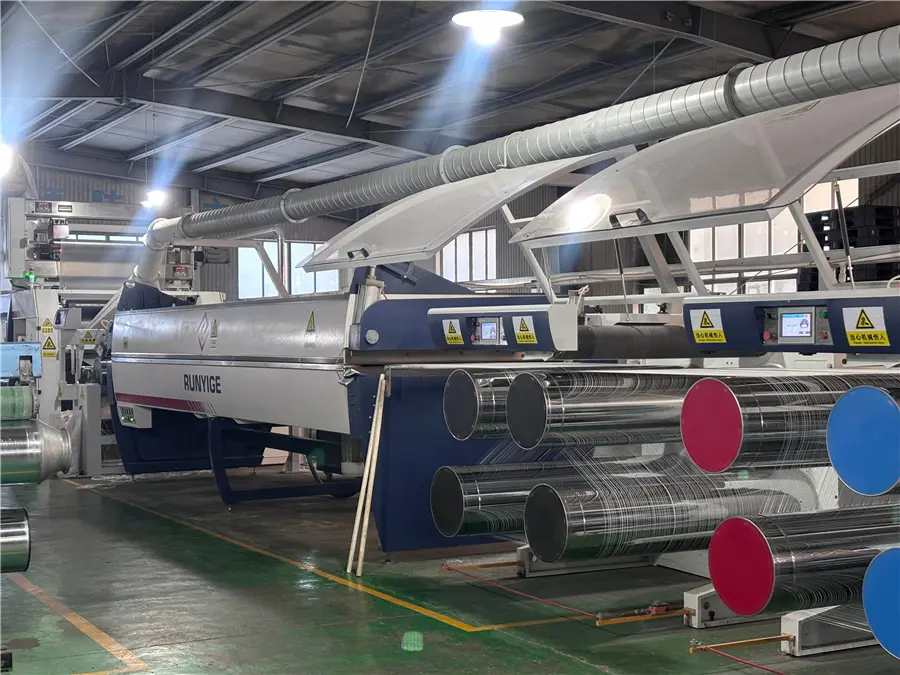
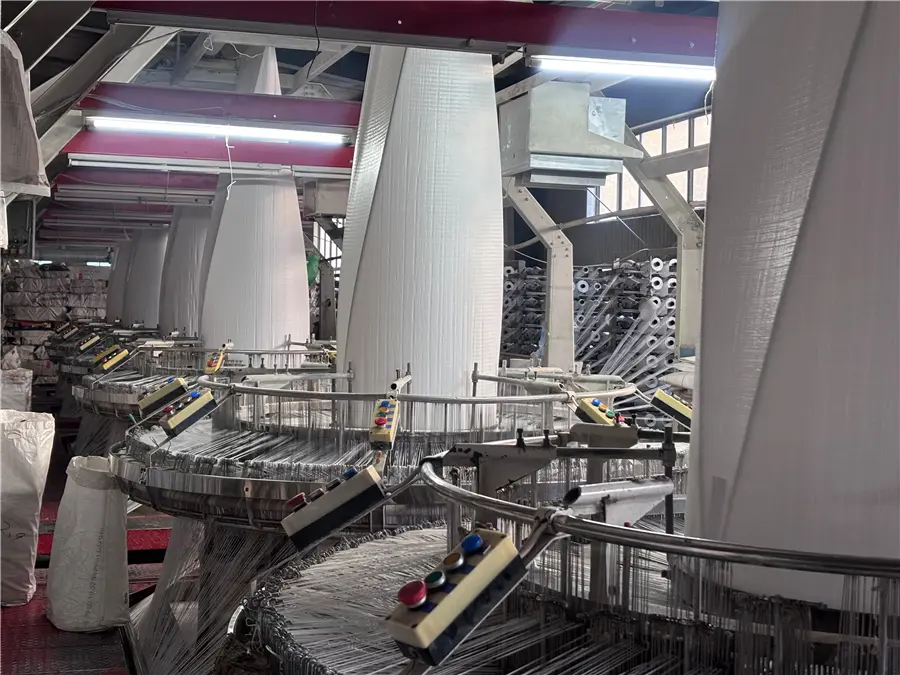
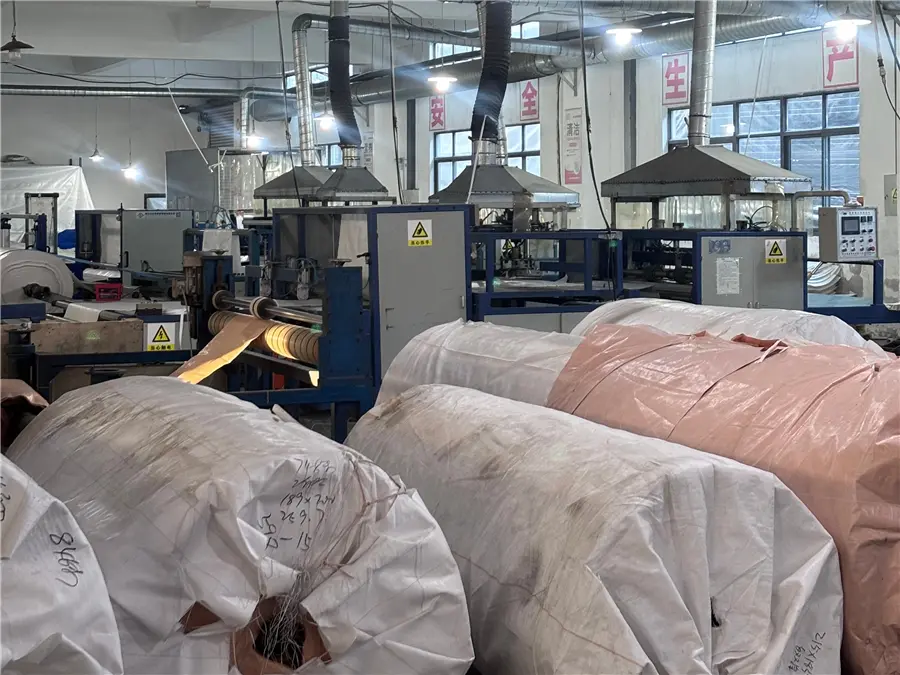
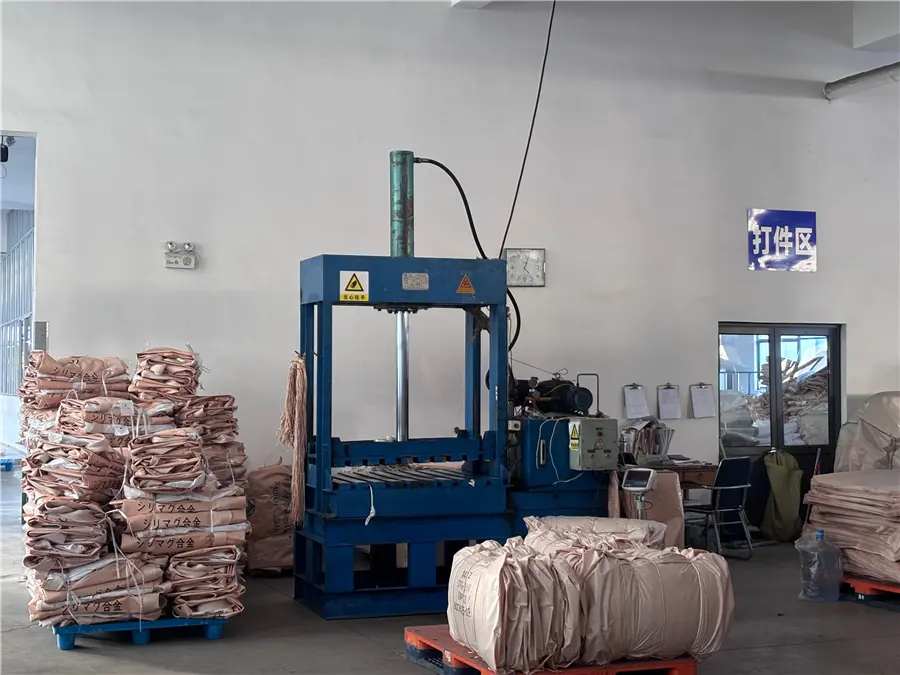
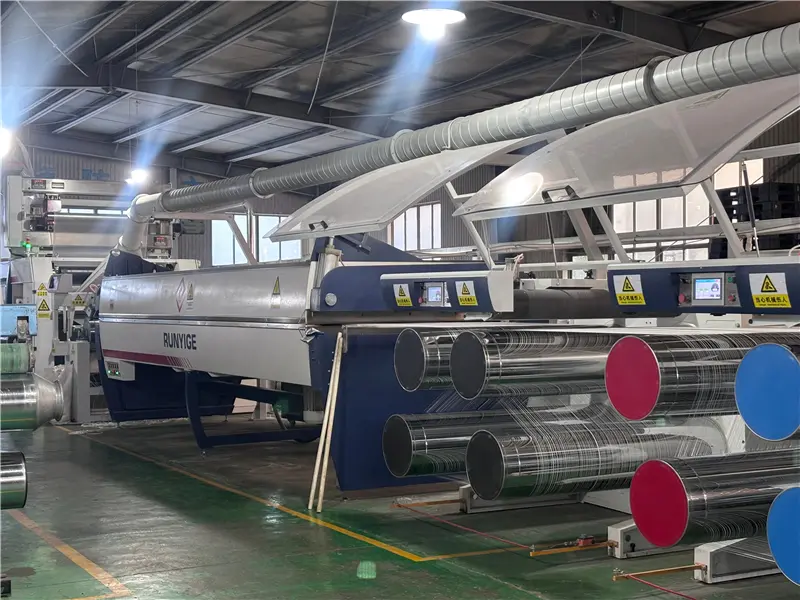
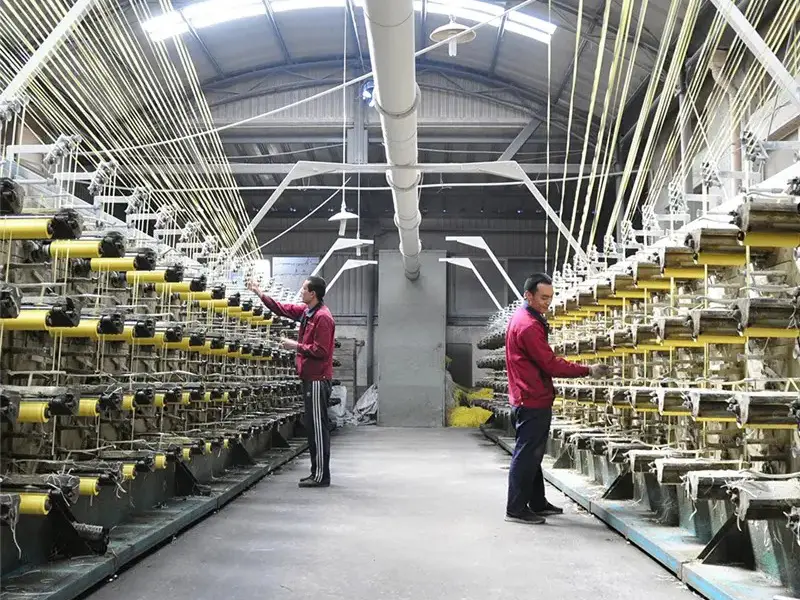
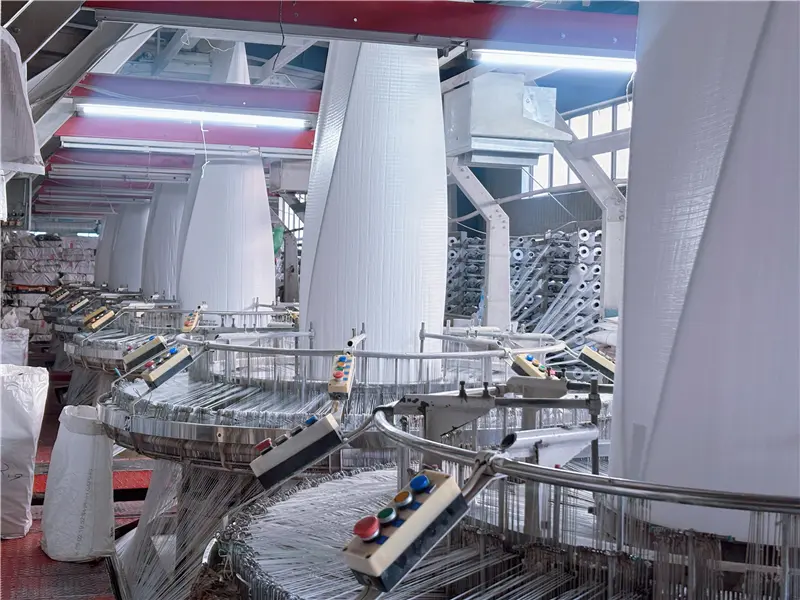
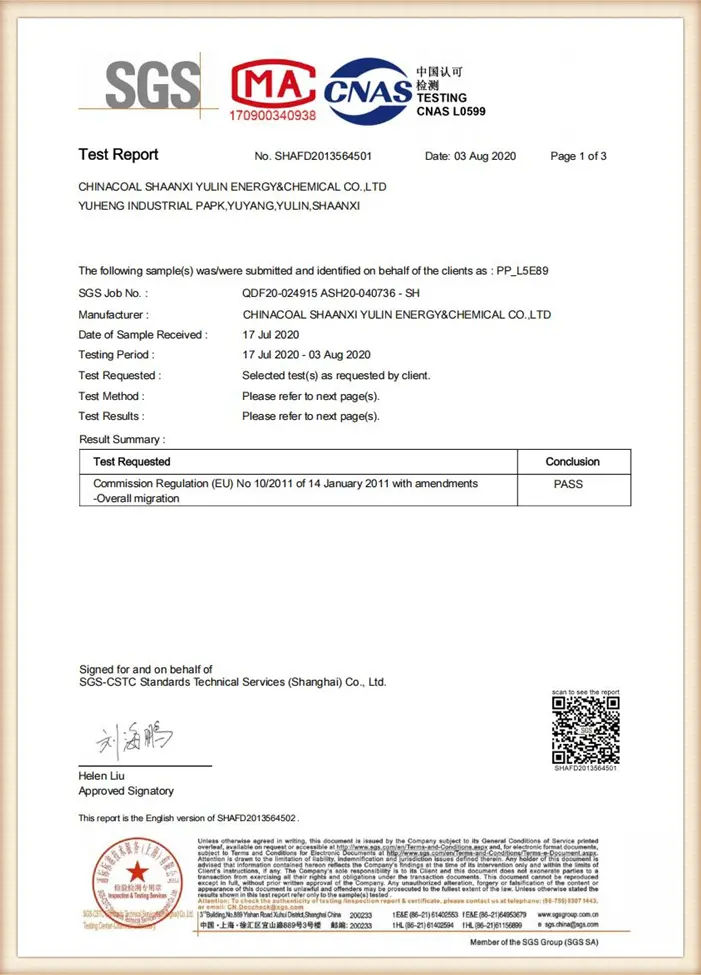
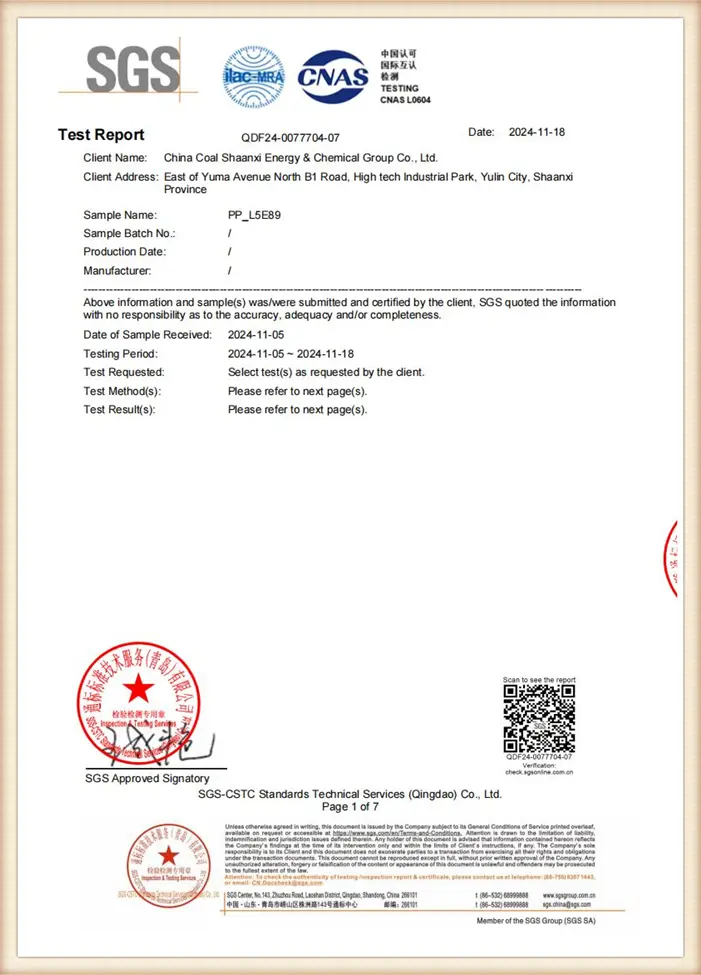
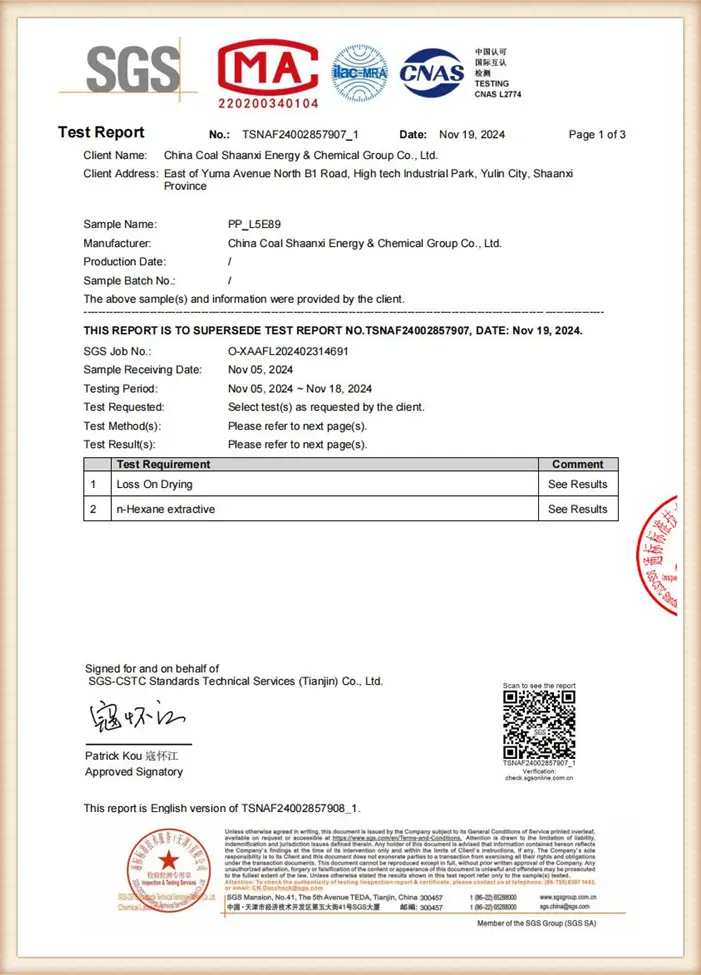
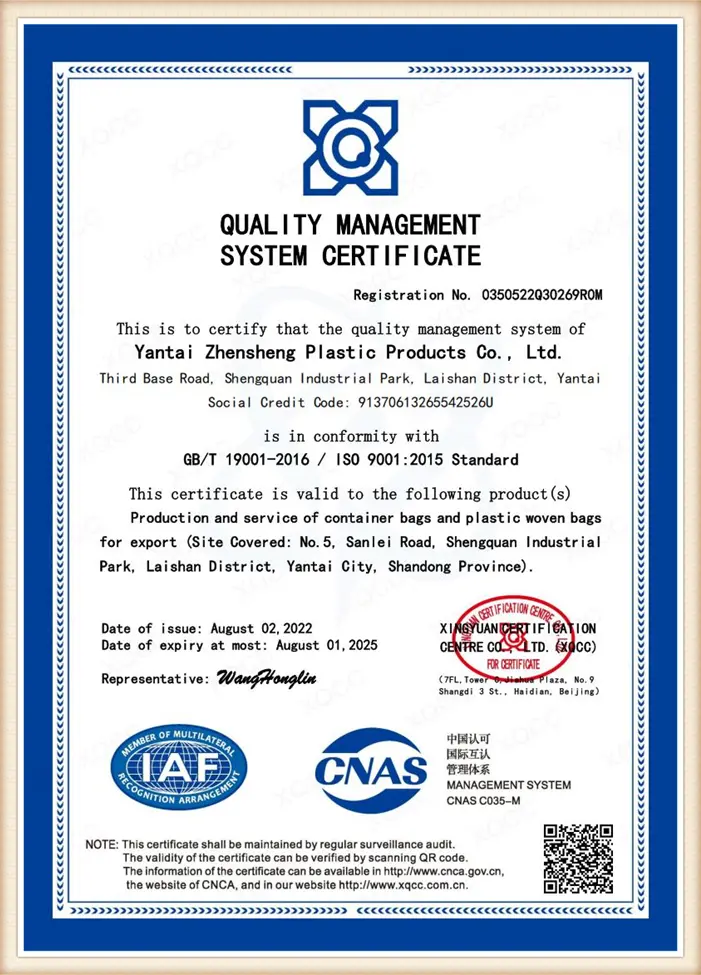
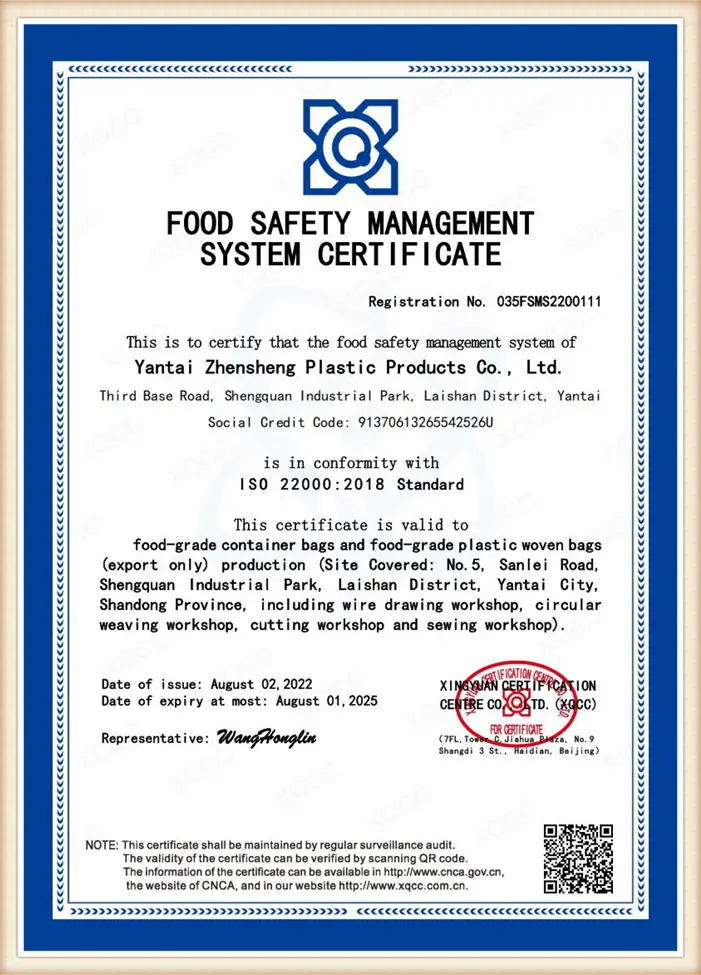
To operate in international markets, packaging must comply with strict national and global regulatory frameworks. ZS Bulk Bags maintains comprehensive certifications to ensure our products can be imported and utilized in highly regulated industries globally. We conform to international quality management system standards under ISO 9001:2015 and run a dedicated cleanroom facility audited under ISO 22000 food safety guidelines.
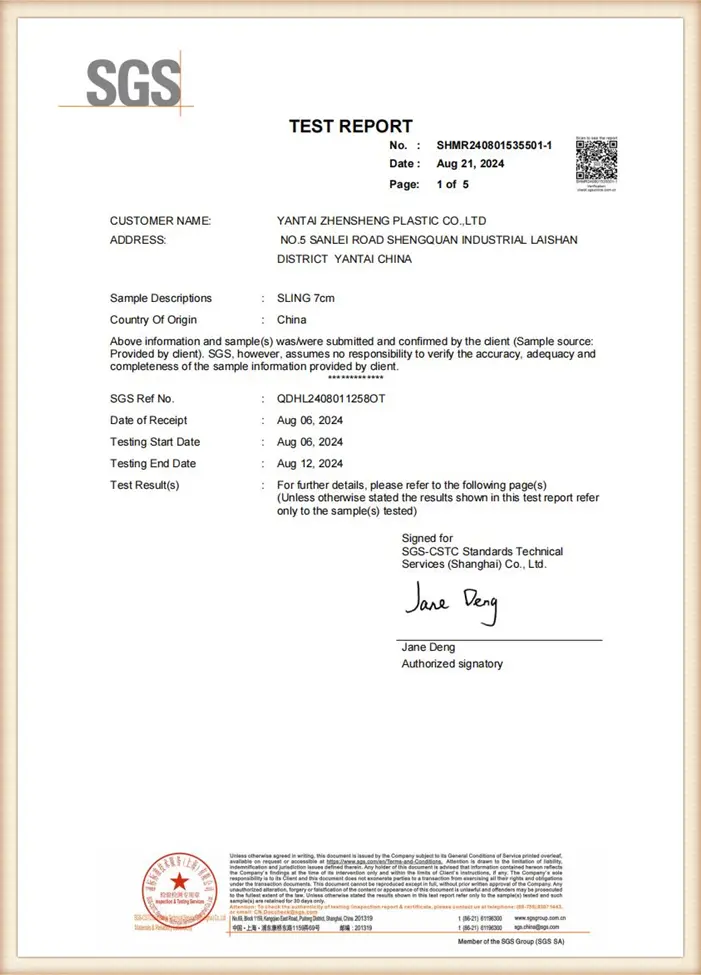
For chemical and hazardous materials transportation, our bags are designed and tested to meet UN packaging requirements. This includes testing structural resistance to impacts, stack loading, drops, and tears under simulated shipping conditions. For food contact applications, our virgin polypropylene resin compounds and custom polymer extrusion parameters comply fully with US Food and Drug Administration (FDA) regulations and European Food Contact standards. This ensures that no harmful substances migrate into food or pharmaceutical materials.
A forward-looking view into Yantai ZS's packaging innovations and sustainability goals for 2026-2030.
As logistics supply chains become more automated and sustainable, ZS Bulk Bags is investing in the development of next-generation packaging systems. Our R&D team is currently developing Bio-Polymer Blended Polyolefins to create biodegradable FIBC structures that maintain strength during storage but break down quickly in composting conditions after disposal. This initiative aims to meet rising corporate ESG targets worldwide.
In addition, our product roadmap includes integrating IoT-based Tracking Sensors directly into the seams of high-value chemical bulk bags. This integration will allow shippers to track weight profiles, locate cargo via GPS, and monitor interior humidity and temperature in real time during transit. By developing these smart, data-connected packaging systems, we aim to improve bulk logistics safety and trace integrity for premium chemicals and battery materials globally.
Answering critical technical and commercial questions on customizable bulk bag design, cost structures, and compliance.
Browse our secondary catalog of specialized high-strength FIBCs, anti-leak containment systems, and raw base materials.
 Zhensheng