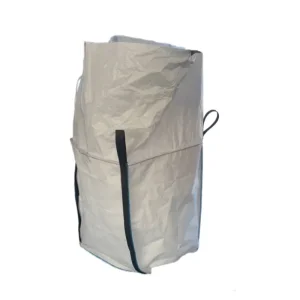
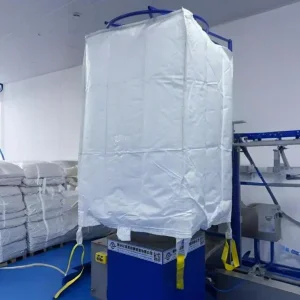
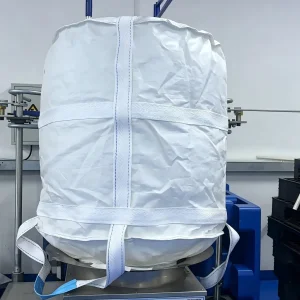
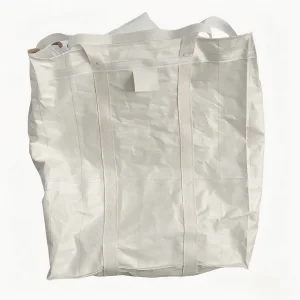
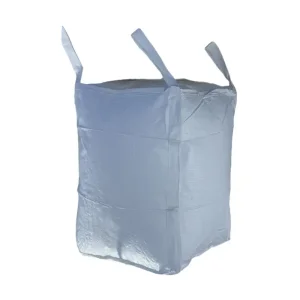
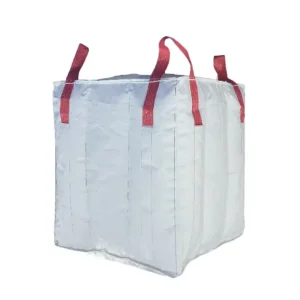
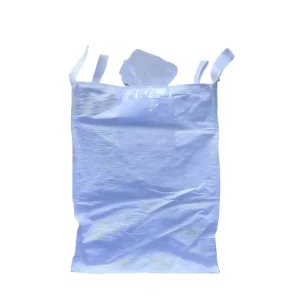
High-performance bulk bags designed for extreme industrial environments.
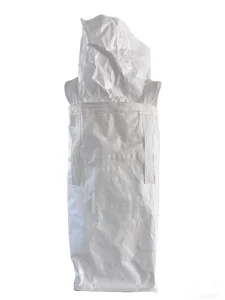
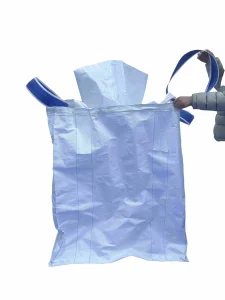
In the contemporary industrial landscape, the demand for Heat Resistant FIBC (Flexible Intermediate Bulk Containers) has transitioned from a niche requirement to a critical supply chain necessity. As global manufacturing moves toward more integrated, high-temperature processing—particularly in chemical synthesis, mining, and polymer production—the traditional polypropylene bag is no longer sufficient. ODM Heat Resistant FIBC bags are specifically engineered to maintain structural integrity at temperatures exceeding standard operating ranges (typically 80°C to 120°C), preventing catastrophic failure during hot-fill operations or in extreme transit climates.
The global market is currently witnessing a paradigm shift. Buyers are no longer just looking for "suppliers"; they are seeking partners with deep technical expertise who can offer Information Gain—providing data on material thermal degradation, tensile strength retention, and polymer stabilization. China, as the world's manufacturing hub, has evolved to meet these needs, with companies like Yantai ZS Bulk Bags Manufacturing Co., Ltd. leading the way through decades of material science research.
Utilization of high-melting-point co-polymers and specialized UV/Thermal stabilizers to extend bag lifespan in desert mining or hot-filling plants.
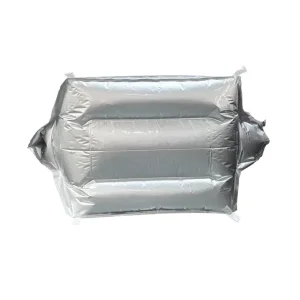
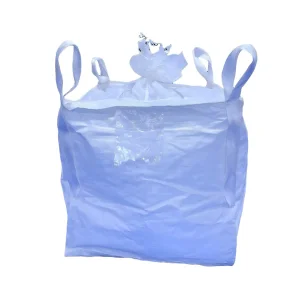
Integration of high-barrier aluminum foil and EVOH liners that provide not just heat resistance, but total atmospheric control for sensitive chemicals.
Strict adherence to ISO 21898 and specialized fire-retardant certifications ensuring the highest level of operator safety.
The future of FIBC technology lies in Smart Packaging. We are moving toward a roadmap where heat-resistant bags will feature integrated RFID and temperature-sensing threads. This allows logistics managers to monitor the thermal history of the cargo in real-time, ensuring that "hot-filled" materials have cooled at a safe rate without compromising the bag's fabric.
Technically, the development focuses on Molecular-Level Stabilization. By modifying the polypropylene chain with heat-stable additives, modern ODM factories can produce fabrics that resist "brittleness" even after repeated exposure to thermal cycling. This is crucial for circular economy initiatives where bag reuse is prioritized.
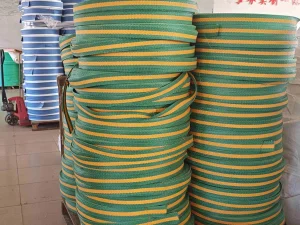
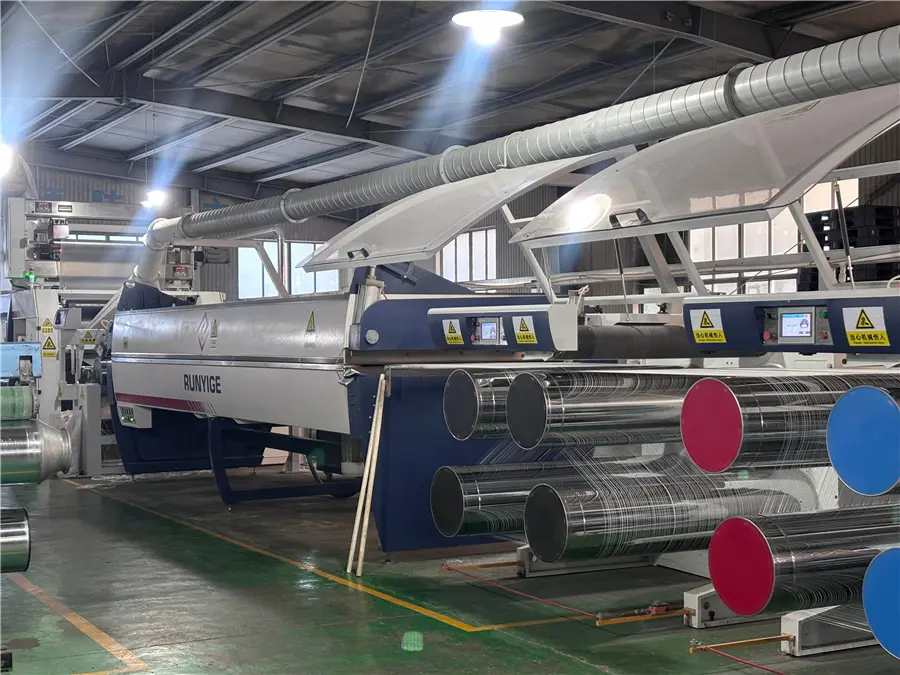
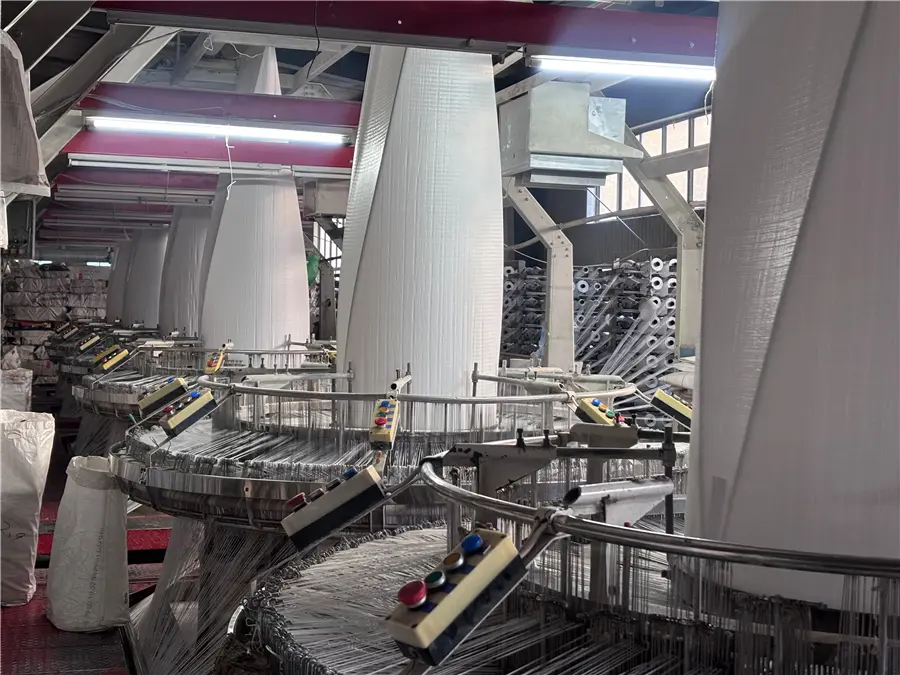
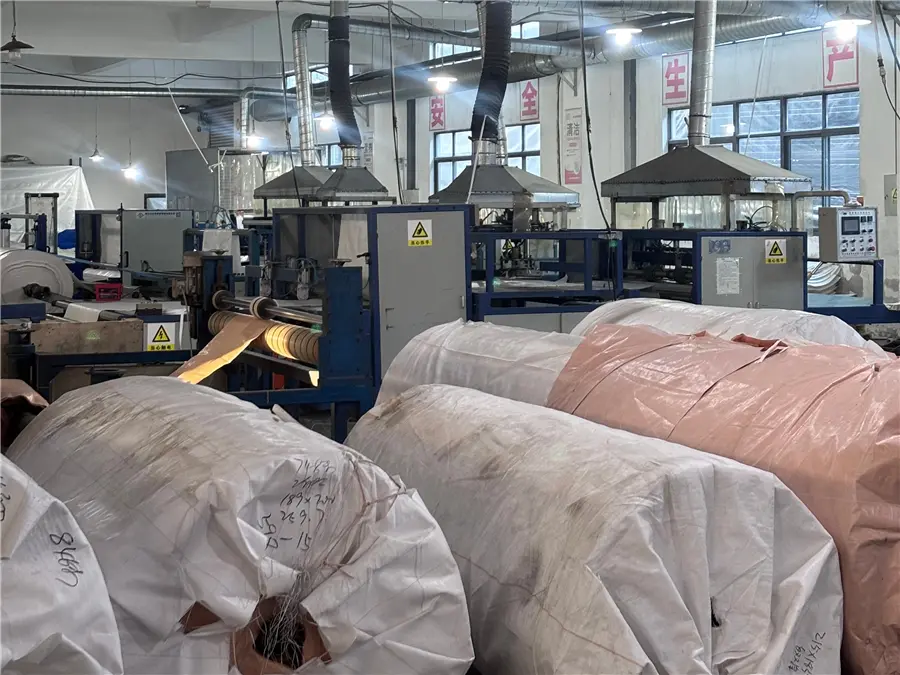
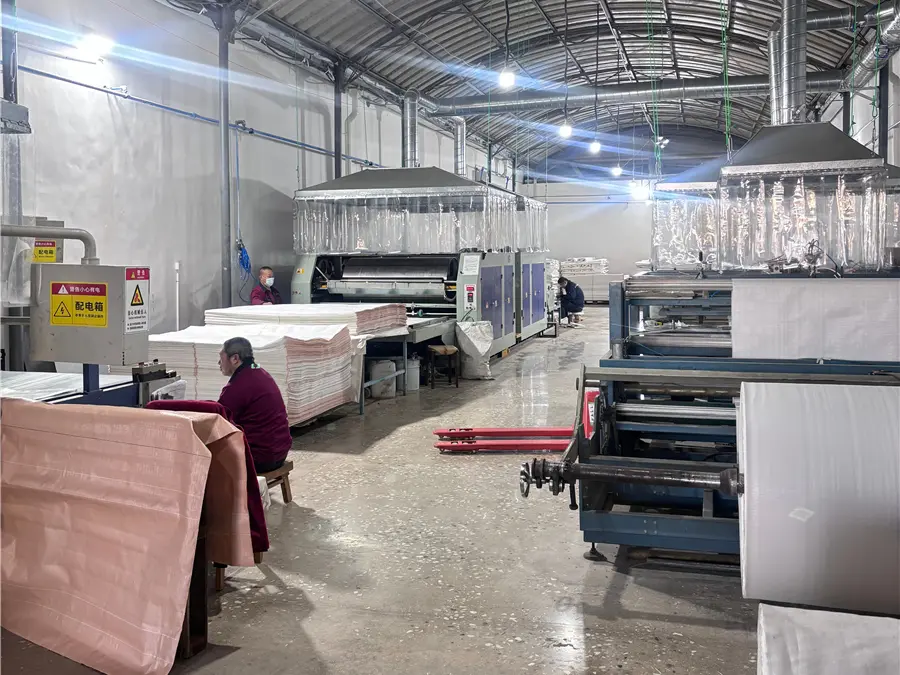
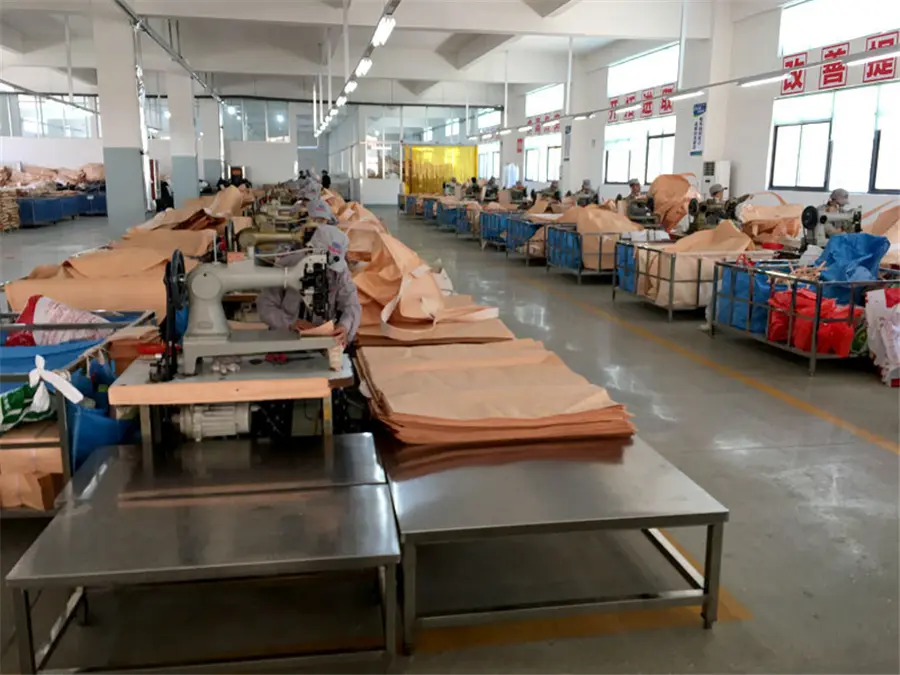
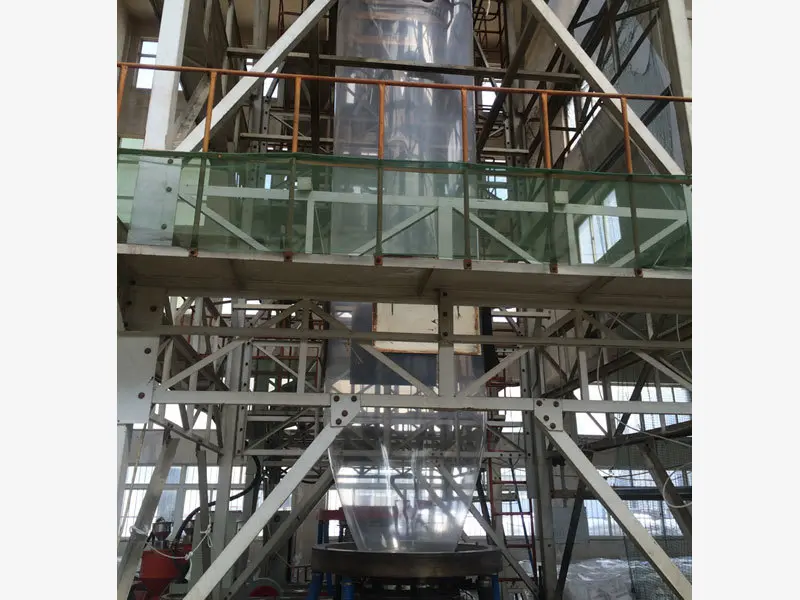
Why choose a China-based factory for your ODM needs? The answer lies in the Vertical Integration model exemplified by Yantai ZS. Unlike many Western distributors who outsource production, a true Chinese factory controls everything from Drawing and Weaving to Ultrasonic Cutting and Sewing.
This resilience allows for rapid prototyping. In an ODM scenario, a custom heat-resistant prototype can be developed, tested in a laboratory, and put into mass production within weeks, not months. This efficiency is backed by a robust local ecosystem of raw material suppliers, reducing the risk of global logistics disruptions.
In desert climates where ambient temperatures hit 50°C, and materials come out of the refinery at 90°C, our UV-resistant and high-thermal-stability bags prevent UV-degradation and structural stretching.
Focus on high-barrier aluminum foil liners to prevent moisture ingress and maintain the purity of high-value catalysts used in pharmaceutical manufacturing.
Heavy-duty, high-strength bags designed for the rigors of cross-continental rail and sea transport, where thermal expansion of ores can stress traditional packaging.
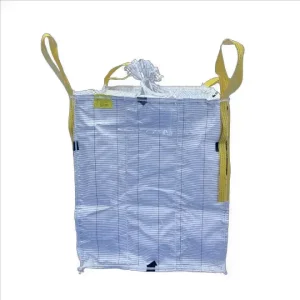
Precision-clean, Type C conductive bags for lithium and cobalt powders, ensuring zero static discharge during high-speed filling in controlled environments.
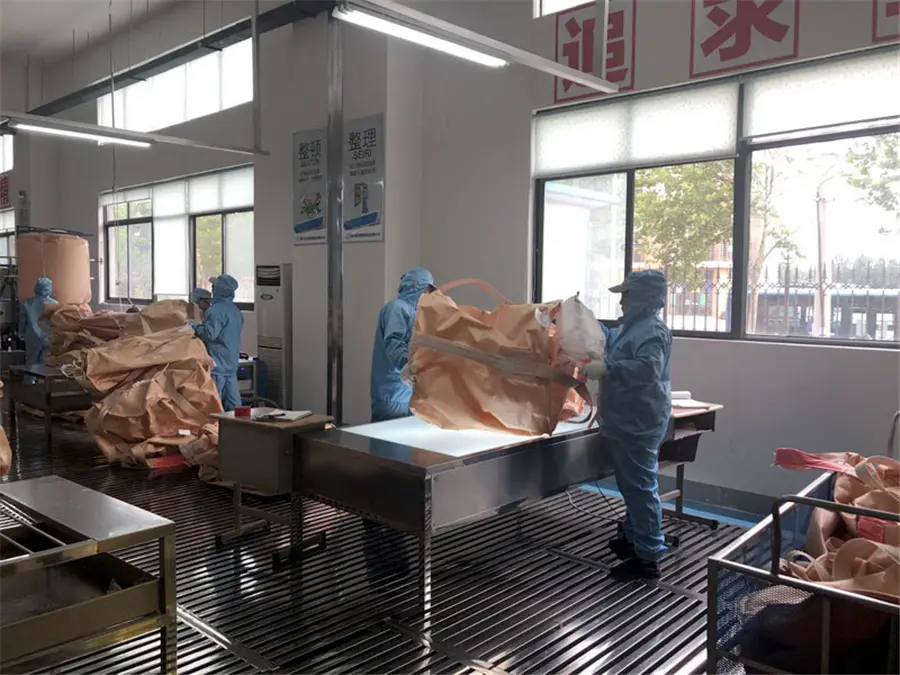
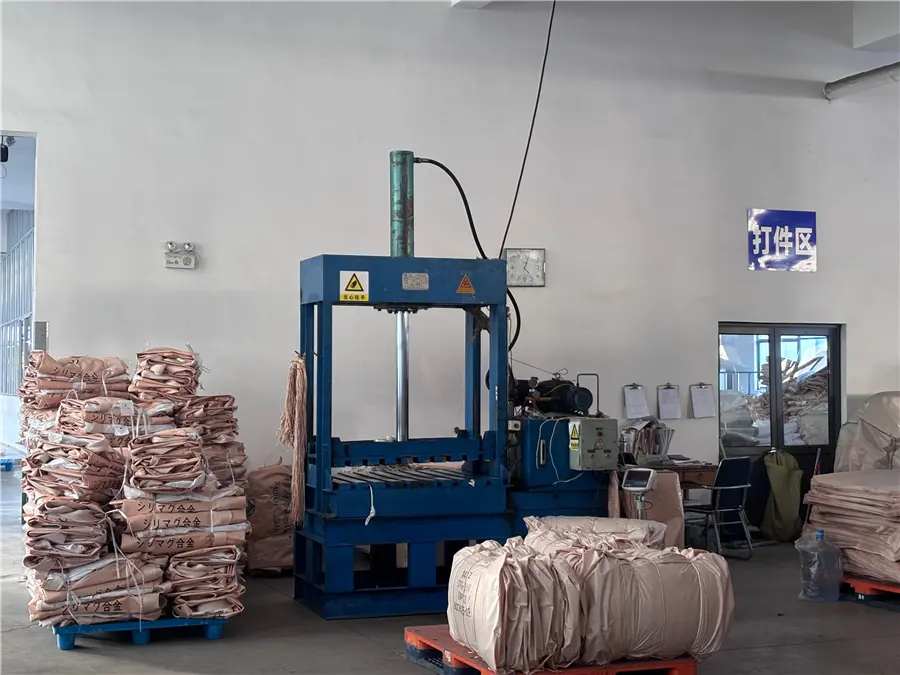
Founded in 1988, we are a professional manufacturer specializing in the customized design and production of mid-to-high-end FIBCs. With over 30 years of dedication, we have become a trusted choice for well-known enterprises both at home and abroad. Our 60,000 square meter modern production base is equipped with the latest technology to ensure quality and delivery efficiency.
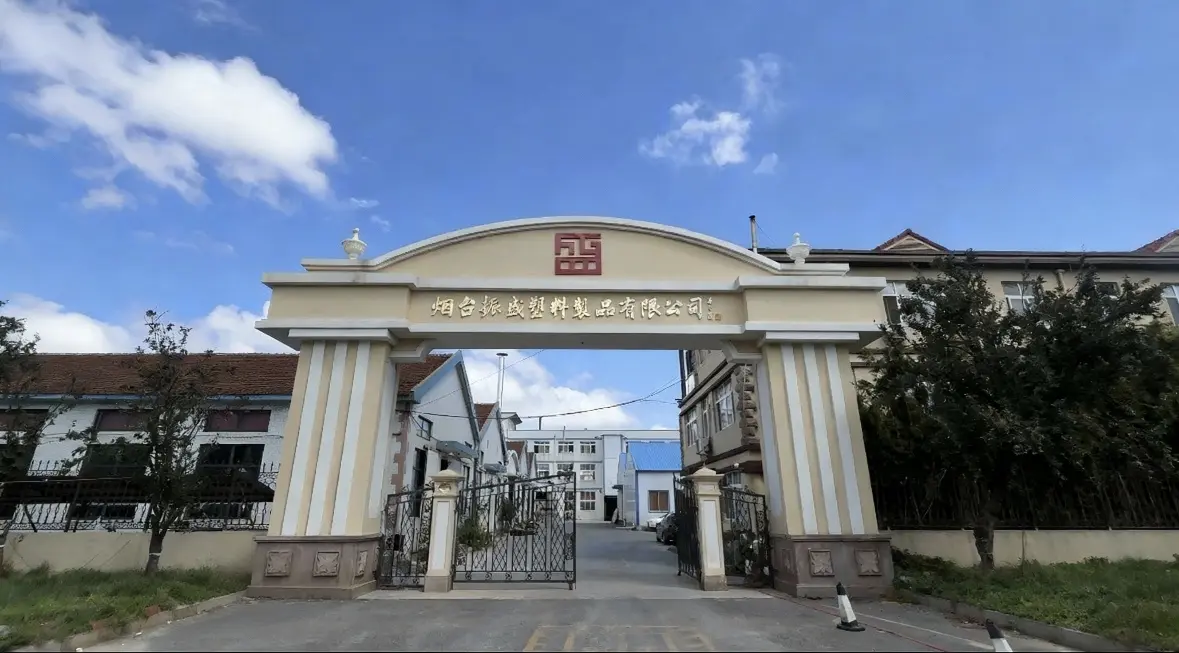
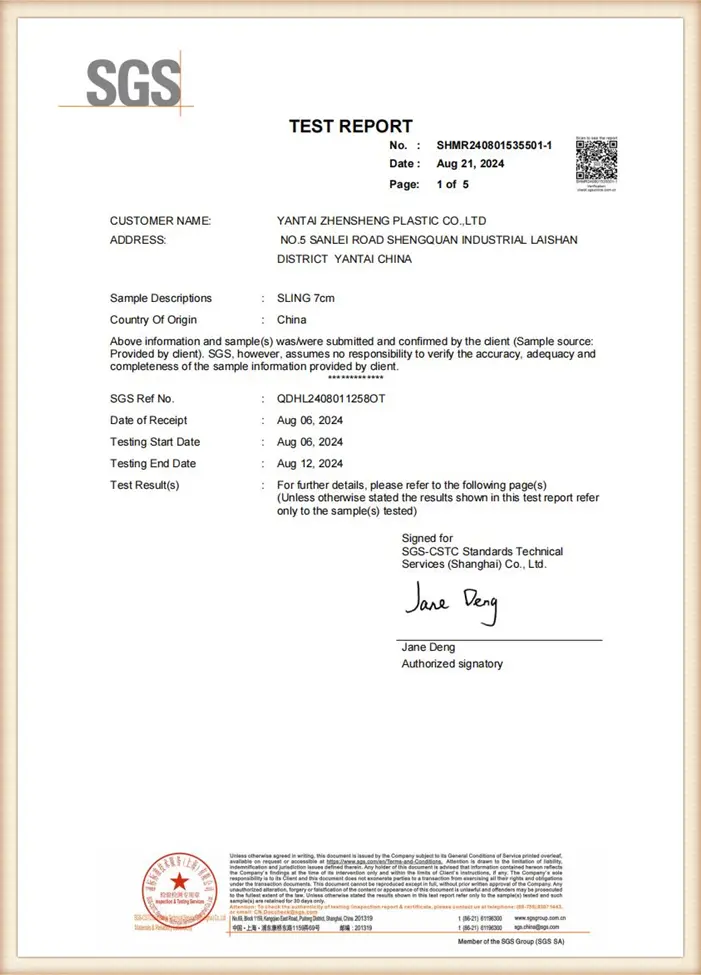
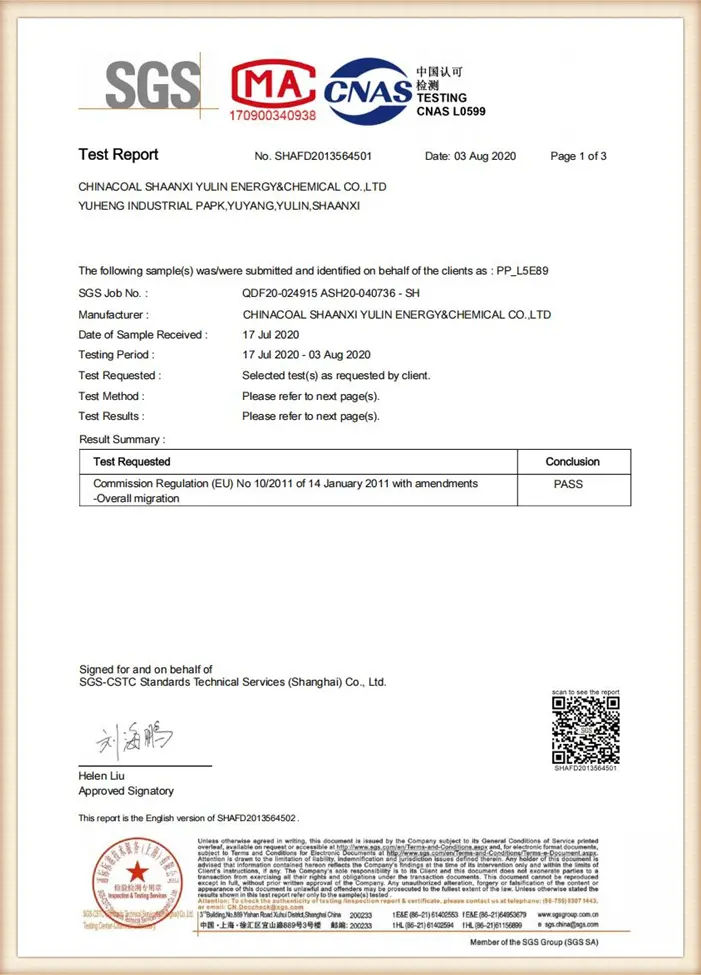
Ensuring precision and quality in every stitch.
Expert answers to your technical FIBC inquiries.
Standard PP bags begin to soften at 80°C. Our heat-resistant variants use specialized polymer blends and high-melting-point inner liners to safely handle fill materials up to 130°C without losing structural integrity or safety factors (SF 5:1/6:1).
While OEM focuses on manufacturing to your existing specs, ODM (Original Design Manufacturing) leverages our 30+ years of engineering experience to design a custom solution based on your cargo's chemical properties, fill temperature, and logistics route.
Yes. All our food-grade bags are produced in an ISO 22000 cleanroom using 100% virgin FDA-approved materials. We ensure zero contamination through ultrasonic cutting and vacuum suction cleaning.
We offer Type C conductive and Type D dissipative FIBCs. In high-temperature environments, static risk increases; our integrated carbon filaments provide a safe path to ground, preventing dust explosions.
Explore our full range of industrial bulk packaging solutions.
 Zhensheng