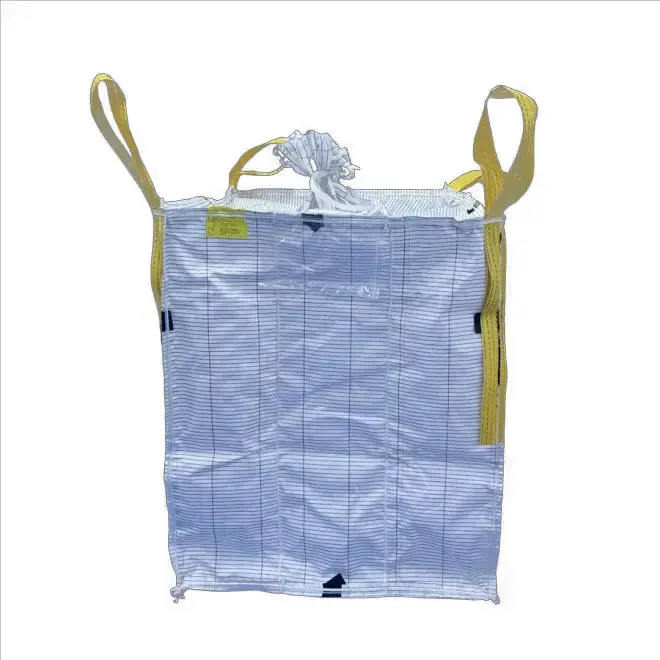
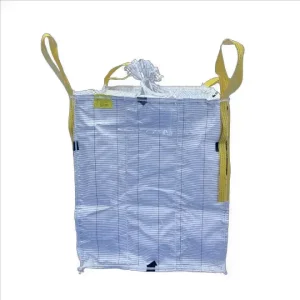
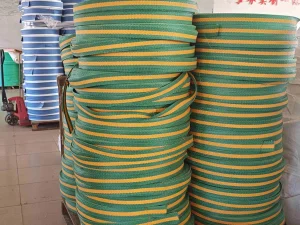
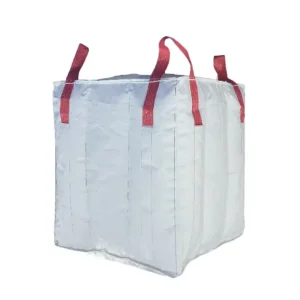
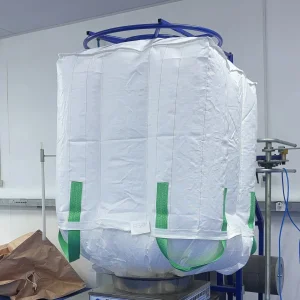
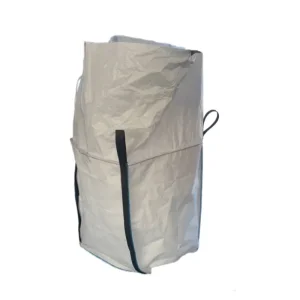
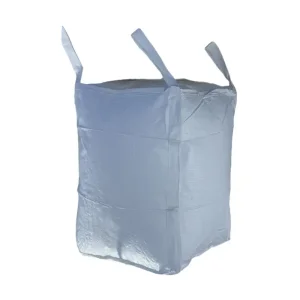
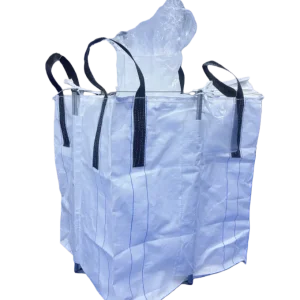
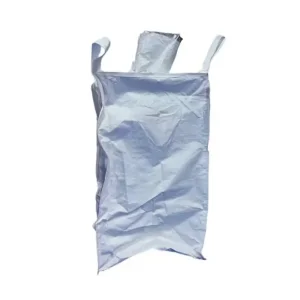
Type C conductive bag (also known as groundable conductive FIBC) is a specialized packaging product designed for flammable and explosive environments, primarily used to eliminate safety hazards caused by static electricity accumulation during material loading, unloading, and transportation. Its key design feature is that conductive filaments are interwoven into both the bag fabric and lifting slings, combined with the use of conductive films. Through grounding the conductive filaments, an electrostatic discharge channel is formed, which can effectively dissipate static electricity generated during loading and unloading, fundamentally preventing sparks from electrostatic discharge and avoiding dangerous incidents such as combustion and explosions.
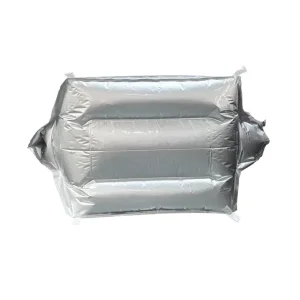
The surface resistance of such products is strictly controlled below 10⁷Ω, complying with relevant electrostatic safety standards. The bag body is made of high-strength polypropylene material, featuring excellent tear resistance and chemical corrosion resistance. Some styles can be equipped with leak-proof stitching and PE inner bags to achieve dust barrier and leak-proof effects.
💡
It is worth noting that the size, style, and load-bearing capacity of FIBCs can all be customized according to needs, and Type C conductive bags also support flexible adjustment of various parameters based on material characteristics, loading requirements, and usage scenarios.
With reliable electrostatic protection performance, Type C conductive bags are widely used in high-risk industries with static electricity risks. The core applications include:
1
Chemical Industry
Used for packaging and transporting various flammable chemical powders, pigments, catalysts, resin powders, and other materials, suitable for environments with flammable vapors or gases.
2
Pharmaceutical Industry
Loading sensitive materials such as pharmaceutical intermediates and excipients, ensuring electrostatic safety while meeting the cleanliness and protection requirements of the industry.
3
New Energy and Metallurgy
Suitable for the transportation of conductive or flammable powder materials such as lithium battery materials, metal powders, and metallurgical powders.
4
Other Fields
Used for packaging powder materials requiring electrostatic protection such as food additives, feed additives, and ore powders in combustible dust environments.
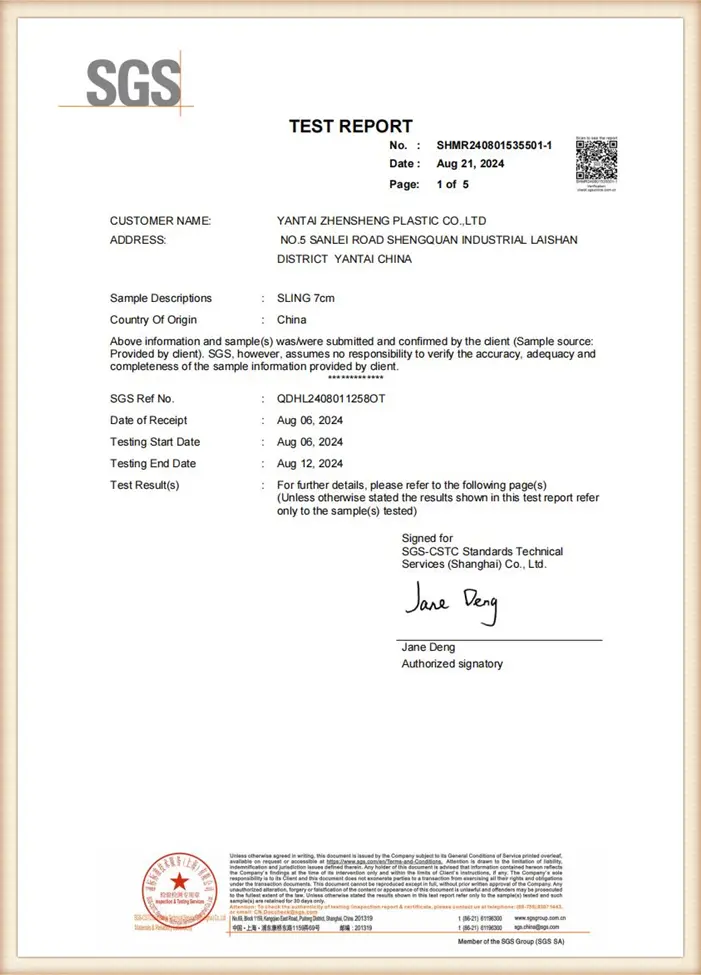
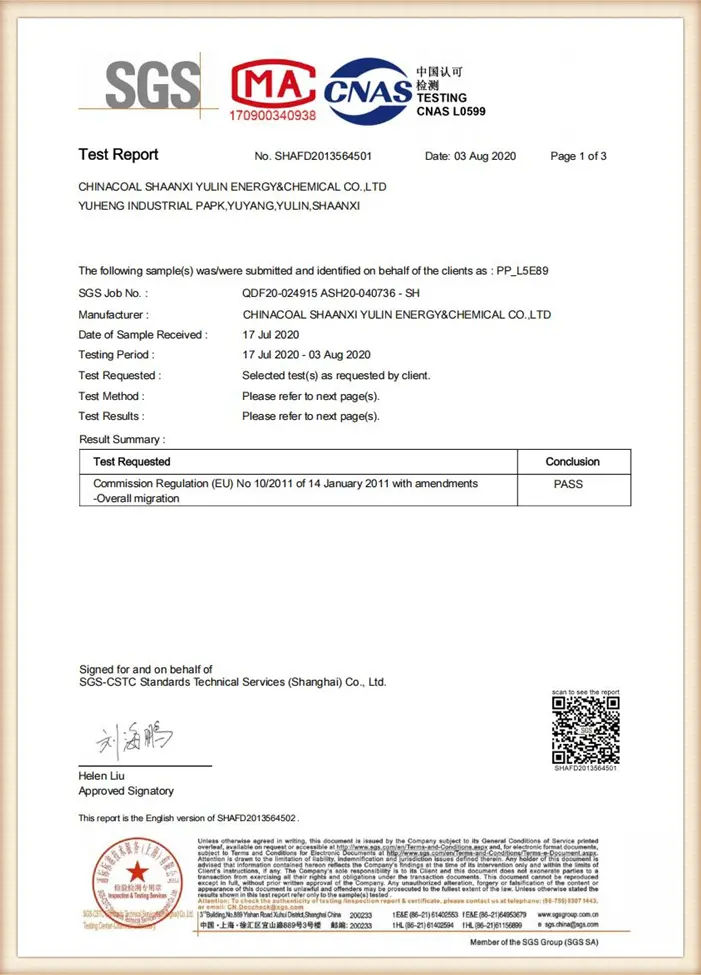
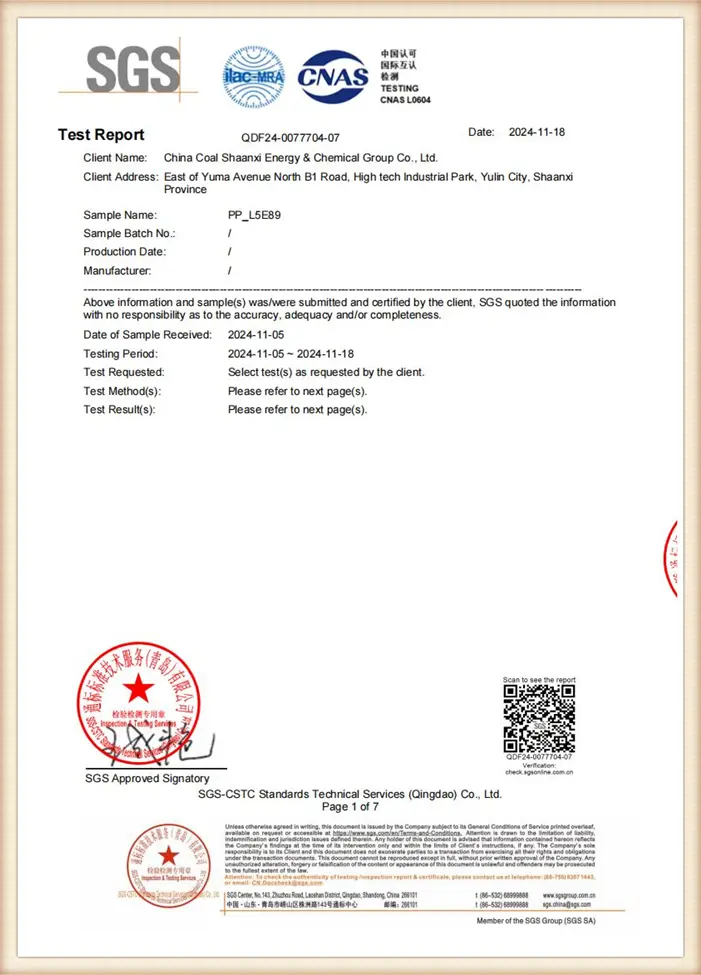
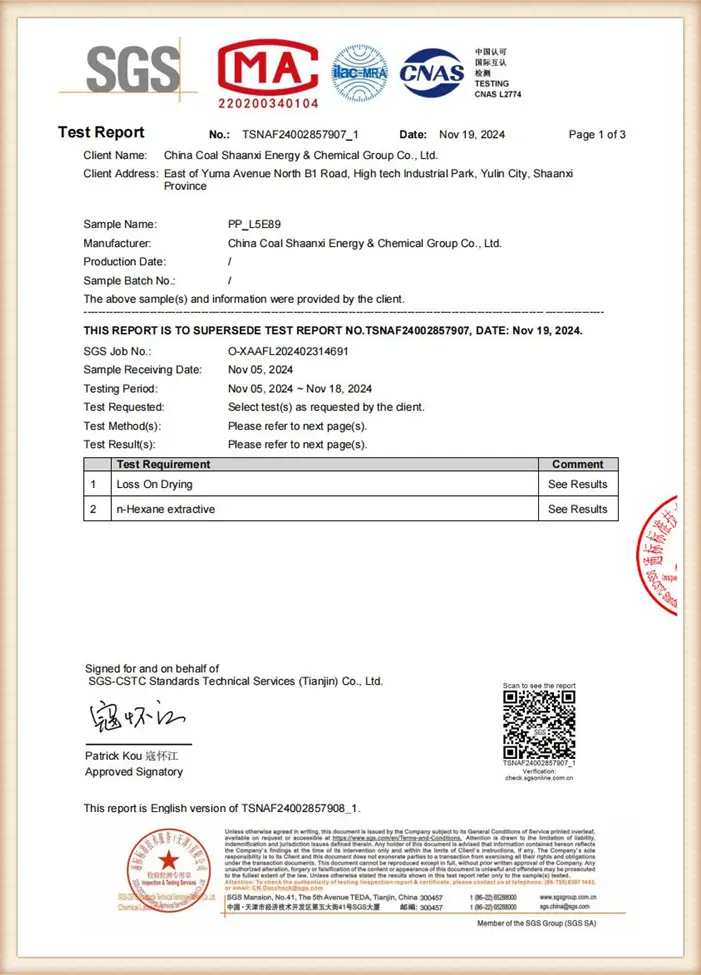
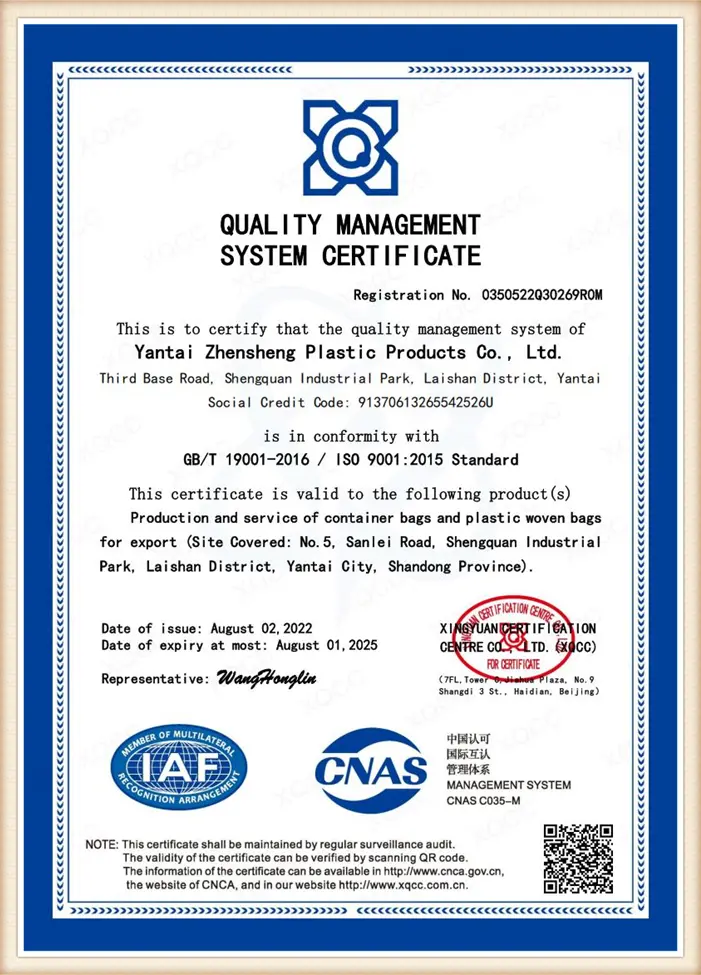
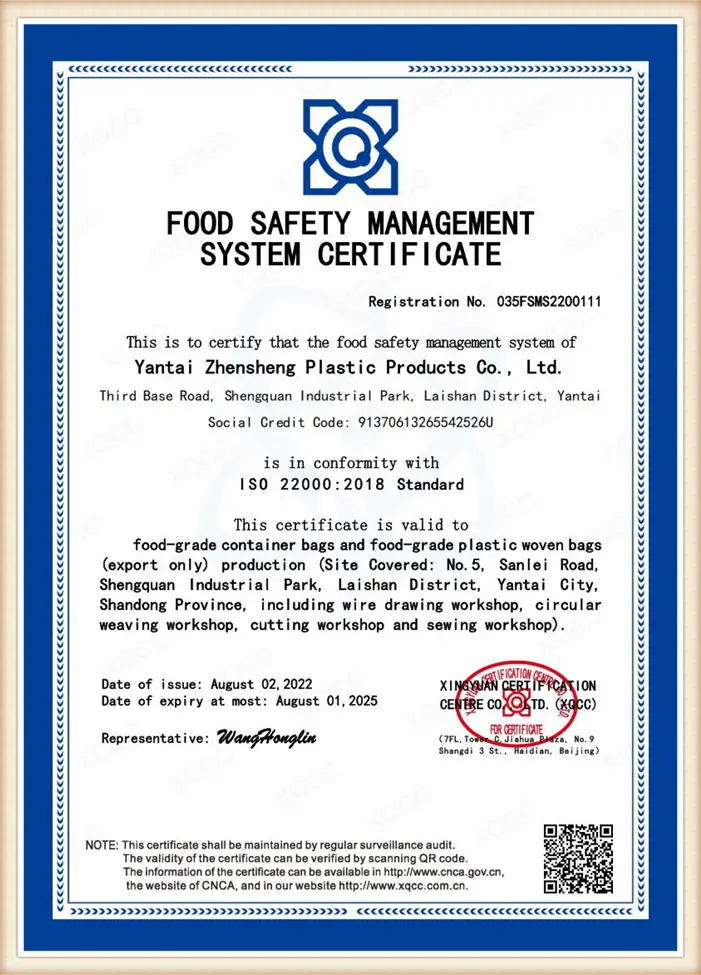
Product Details & Certification
Frequently Asked Questions
Q: What is the primary difference between Type C bags and standard FIBCs?
Type C bags are groundable. They feature interwoven conductive filaments that create a discharge path for static electricity, which is essential for safely handling materials in explosive environments where standard bags might cause sparks.
Q: Is grounding mandatory during the operation?
Yes, grounding is absolutely mandatory. Without a proper ground connection, the conductive grid within the bag cannot dissipate the built-up static charge, negating the safety features of the Type C design.
Q: What is the standard surface resistance for these bags?
The surface resistance is strictly maintained below 10⁷Ω, complying with international safety standards for electrostatic protective packaging.
Q: Can the bags be customized for specific chemical powders?
Yes, we support full customization of size, load-bearing capacity, and style. We can also add PE inner liners and leak-proof stitching for fine or sensitive chemical powders.
Q: What materials are used to ensure durability and safety?
The bags are constructed from high-strength polypropylene (PP) fabric integrated with a network of conductive yarns, ensuring both mechanical strength and reliable electrical continuity.
Q: Are these bags suitable for pharmaceutical use?
Yes, they are widely used for pharmaceutical intermediates and excipients, providing necessary electrostatic safety while maintaining industry-required cleanliness levels.
 Zhensheng