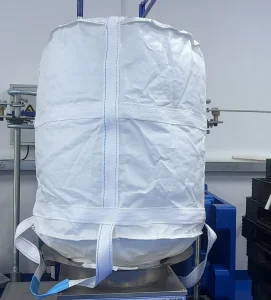
An in-depth analysis of how high-tenacity polypropylene woven fabric defines the safety and durability of global bulk logistics.
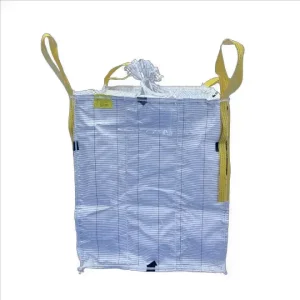
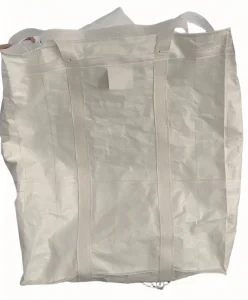
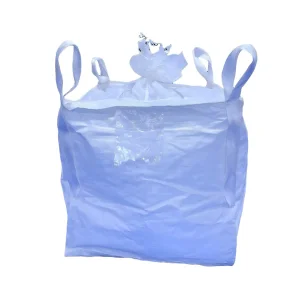
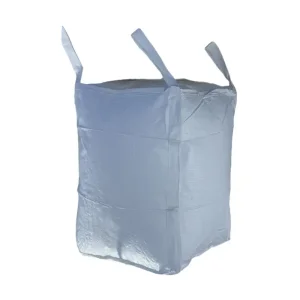
The global FIBC (Flexible Intermediate Bulk Container) industry relies entirely on the quality of its woven base cloth. As a critical component, the base cloth provides the tensile strength, tear resistance, and structural integrity required to transport loads ranging from 500kg to over 3000kg. In 2024, the demand for high-performance FIBC woven base cloth has shifted from simple containment to sophisticated technical textiles capable of withstanding UV degradation, static electricity, and high-temperature stress.
At Yantai ZS Bulk Bags, our base cloth is engineered using 100% virgin polypropylene (PP), a polymer chosen for its superior strength-to-weight ratio and chemical resistance. By utilizing advanced circular and flat loom technologies, we produce fabric that adheres to international Safety Factor (SF) standards, including the rigorous 5:1 (Single trip) and 6:1 (Multi-trip) ratios required for industrial and hazardous material transport.
Information Gain: Unlike standard woven sacks, high-end FIBC base cloth undergoes a "heat-setting" process to minimize shrinkage and ensure dimensional stability under load. This is a crucial factor for automated filling lines where precision is non-negotiable.
We manage the entire lifecycle from raw PP granules to drawing, weaving, and sewing. This allows for unparalleled quality control and cost efficiency compared to manufacturers who outsource fabric production.
For food and pharmaceutical industries, our fabrics are woven and cut using ultrasonic technology in dust-free workshops to ensure zero contamination from loose threads or environmental particles.
Our looms can produce base cloths with GSM (Grams per Square Meter) ranging from 120g to 260g, incorporating anti-static additives or high-density UV inhibitors based on the client's localized environment.
Sustainable packaging is no longer optional. Global enterprises are seeking FIBCs made from rPP (Recycled Polypropylene) or bags designed for easy recyclability. Our woven base cloth research is currently focused on mono-material designs where loops, base cloth, and liners can be recycled without segregation.
Logistics 4.0 demands traceability. We are integrating RFID tags into the woven base cloth layers, allowing mining and chemical companies to track bulk inventory in real-time throughout the global supply chain.
With the expansion of the chemical and lithium battery industries, base cloth must provide reliable grounding. Our conductive fibers are interwoven with the PP base cloth to ensure safe discharge in explosive atmospheres (ATEX zones).
Specialized base cloths are now required for asphalt and molten minerals. We use specialized additives that allow the fabric to maintain 80%+ of its tensile strength at temperatures exceeding 100°C.
High UV-exposure environments require base cloths with 1500+ hours of UV stability. Our bags are tested to withstand the harsh Australian sun while protecting grain and fertilizer from moisture ingress.
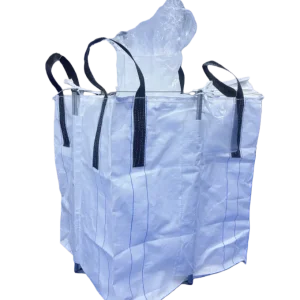
Transporting copper concentrate or iron ore requires a 6:1 Safety Factor. Our heavy-duty U-panel bags utilize high-GSM base cloth to prevent rupture during rough sea transit and crane lifting.
Cleanliness is paramount. Our base cloth undergoes pressurized air cleaning and light-table inspection to ensure no foreign bodies exist before the bags are sealed for delivery to pharma factories.
Global procurement directors often face the challenge of balancing Lead Time, Quality Consistency, and Cost. To mitigate supply chain risks, leading enterprises are moving toward the "China + 1" strategy, yet Yantai ZS Bulk Bags remains the primary partner due to our massive monthly output of 250,000 units. Key procurement metrics we satisfy include:
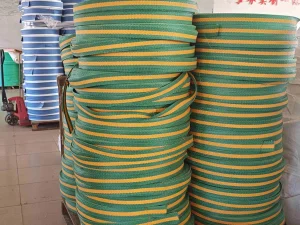
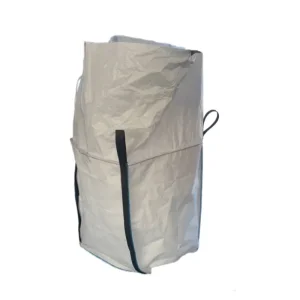
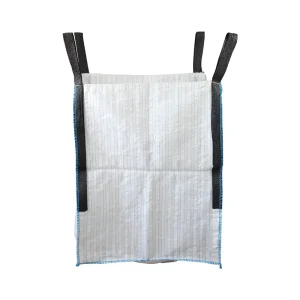
Circular woven cloth is produced as a continuous tube, eliminating side seams and increasing strength for specific bag designs. Flat woven cloth is used for U-panel bags, offering better dimensional stability and allowing for complex reinforcements.
We incorporate HALS (Hindered Amine Light Stabilizers) during the extrusion process. This prevents the PP polymer chains from breaking down when exposed to solar radiation, crucial for bags stored outdoors.
Yes. We apply a 20-30 micron PE lamination (coating) to the base cloth or provide internal liners (LDPE/Aluminum) to create a moisture-proof barrier.
Usually, a minimum of 160 GSM is required for a 1-ton bag with a 5:1 safety factor, but this depends on the bag dimensions and the nature of the product being packed.
Absolutely. We regularly submit our base cloth and finished FIBCs to international labs to verify tensile strength, top-lift endurance, and cyclical pressure tests.
 Zhensheng