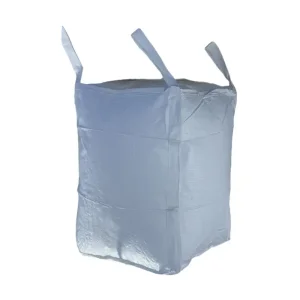
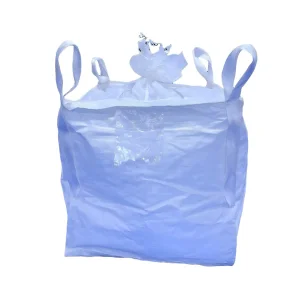
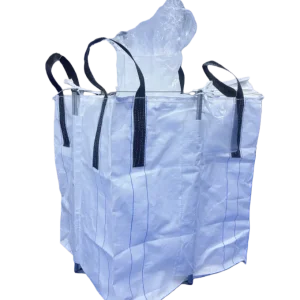
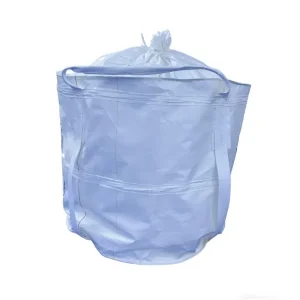
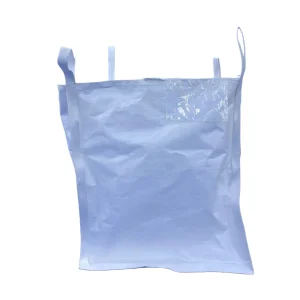
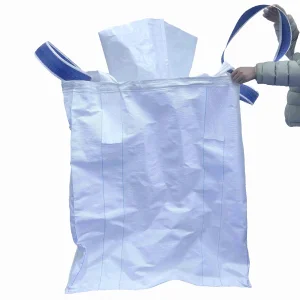
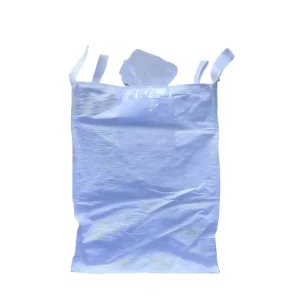
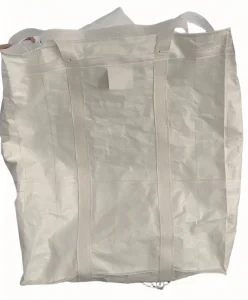
The global Flexible Intermediate Bulk Container (FIBC) market is undergoing a fundamental transformation. In an era where supply chain transparency and workplace safety are non-negotiable, the focus has shifted from mere "bag capacity" to "verifiable structural integrity." For chemical, pharmaceutical, and high-purity food manufacturers, the FIBC is no longer a passive container; it is a critical component of risk management. CE Certification and rigorous Quality Control (QC) are the dual pillars supporting this evolution.
Industry data suggests that the demand for high-end, quality-controlled bags is growing at a CAGR of 6.2%, significantly outpacing generic bulk packaging. This growth is driven by the tightening of international regulations such as the European Green Deal and UN Regulations for Hazardous Goods. As a leading growth director in the packaging sector, we recognize that "Information Gain" in this context means understanding the micro-level engineering—such as UV stabilizer ratios and polymer cross-linking—that ensures a bag doesn't fail under dynamic stress during 5,000-mile maritime transits.
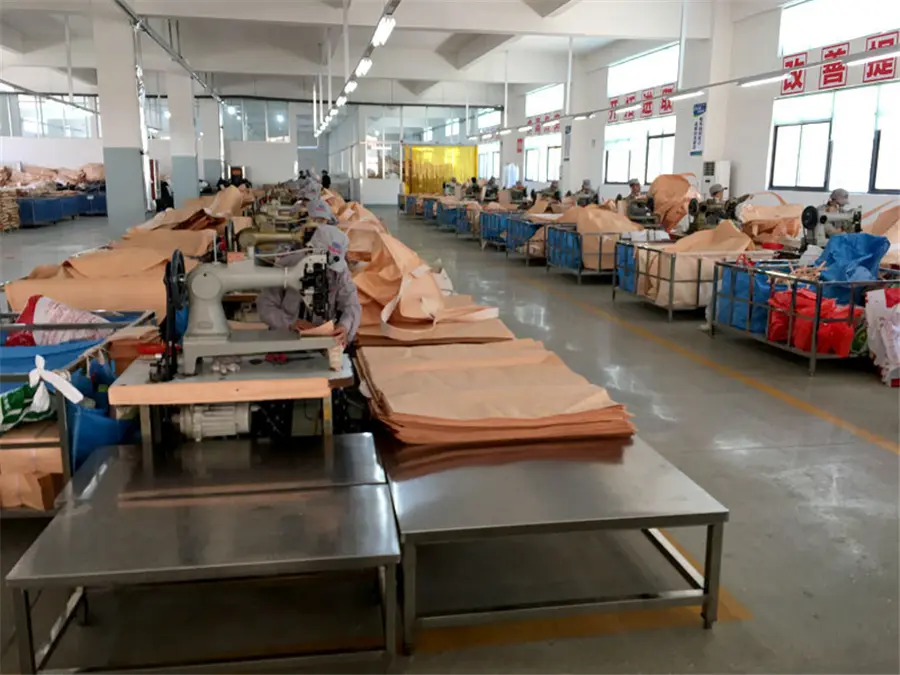
Founded in 1988, Yantai ZS Bulk Bags Manufacturing Co., Ltd. is a professional manufacturer specializing in the customized design and production of mid-to-high-end FIBCs. With over 30 years of dedication, we have become a benchmark in the industry, focusing on cost-effective customized solutions and strict quality control. Our strength lies in two modern production bases located in Laishan and Muping districts, covering 60,000 square meters and employing over 300 professionals.
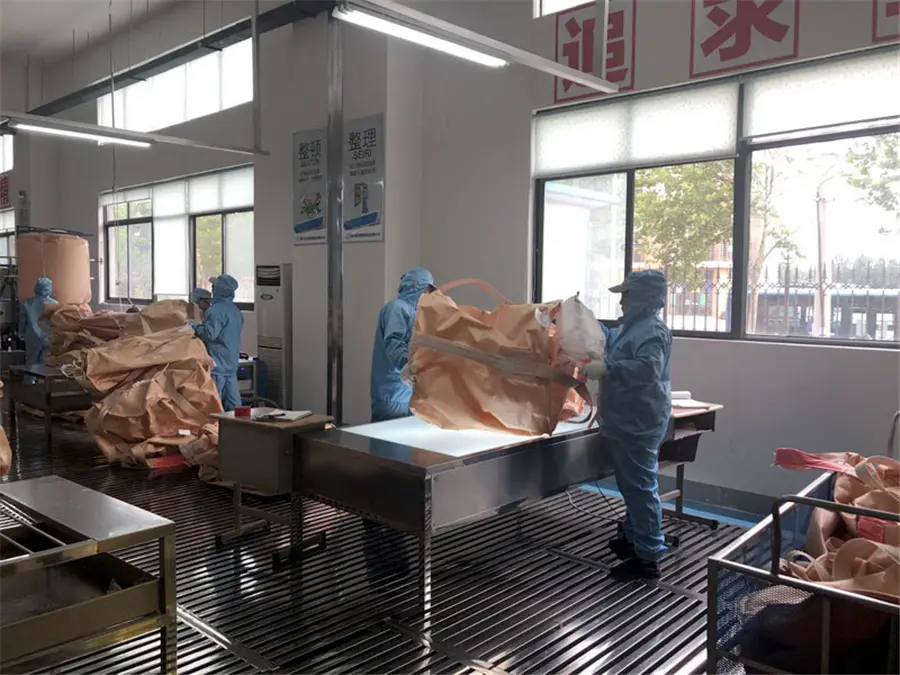
Especially for FIBCs designed for food-grade and high-hygiene applications, we use 100% virgin polypropylene raw materials, with all technical specifications strictly complying with FDA food-grade standards. All fabrics are cut using ultrasonic cutting technology, which effectively avoids fraying and dust issues caused by traditional cutting methods. Most importantly, all sewing processes for high-hygiene products are completed in a dust-free workshop that meets the ISO22000 Food Safety Management System standards.
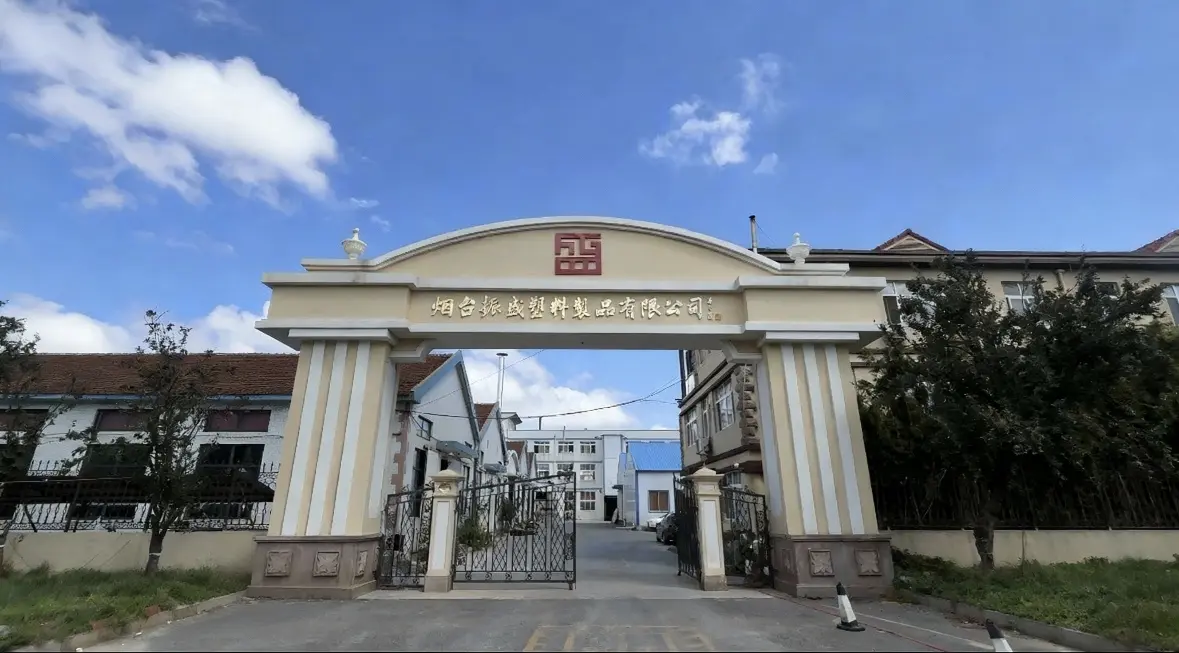
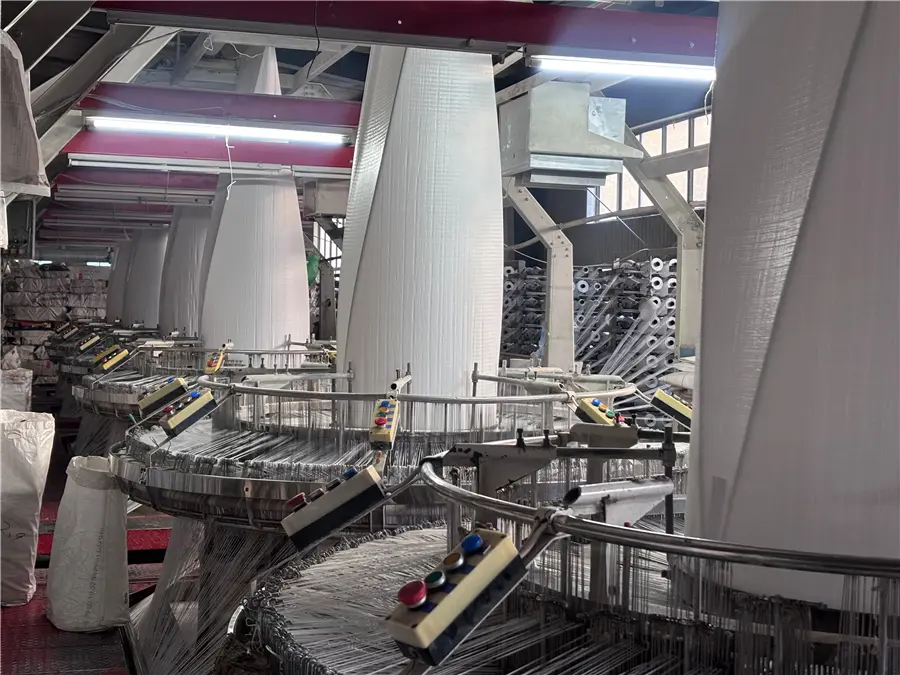
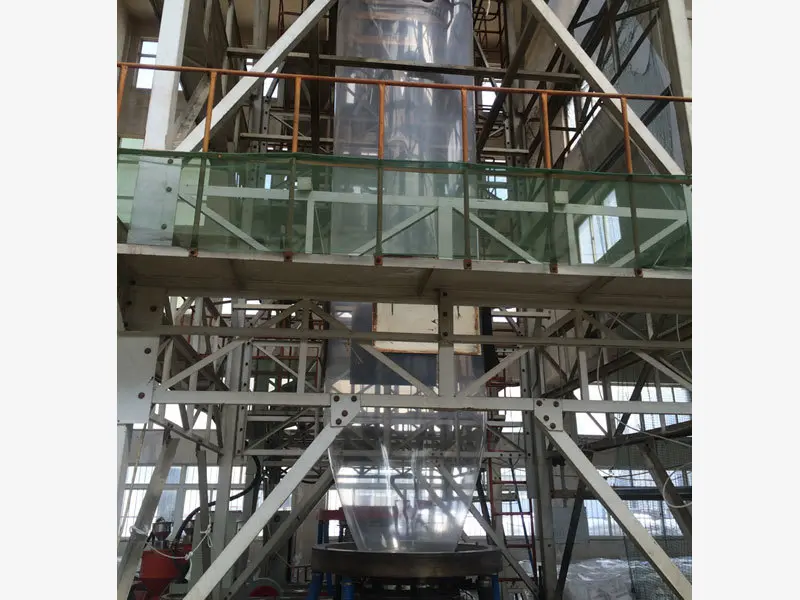
Integrated Industrial Chain
From raw material processing to finished products, we control every micron of the production process to ensure traceability.
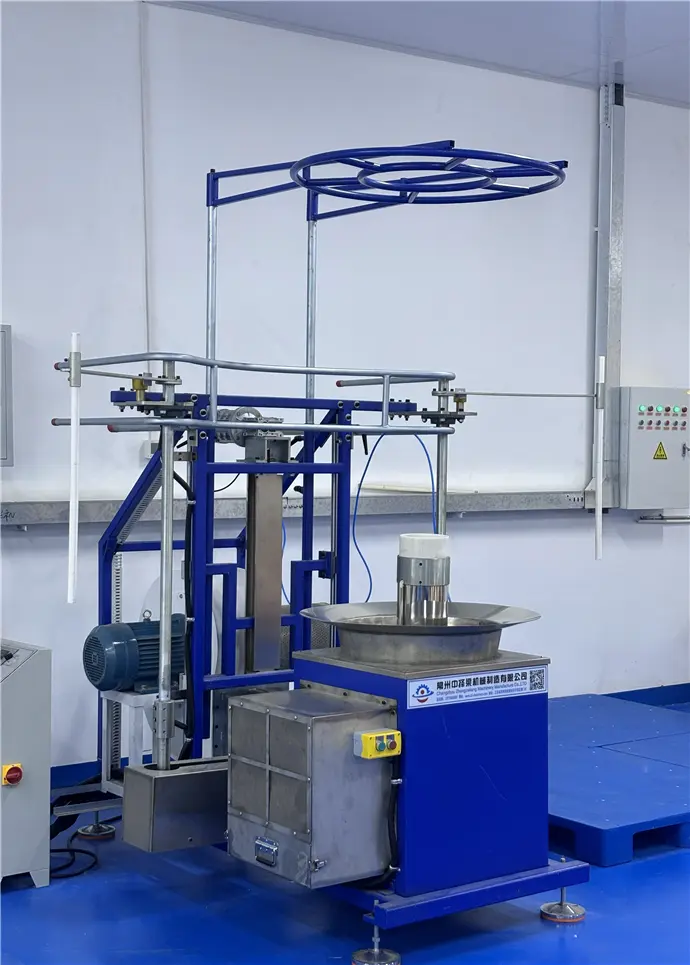
Dust-Free Workshop
State-of-the-art cleanrooms ensuring every FIBC leaving the factory is hygienic and free from any impurities.
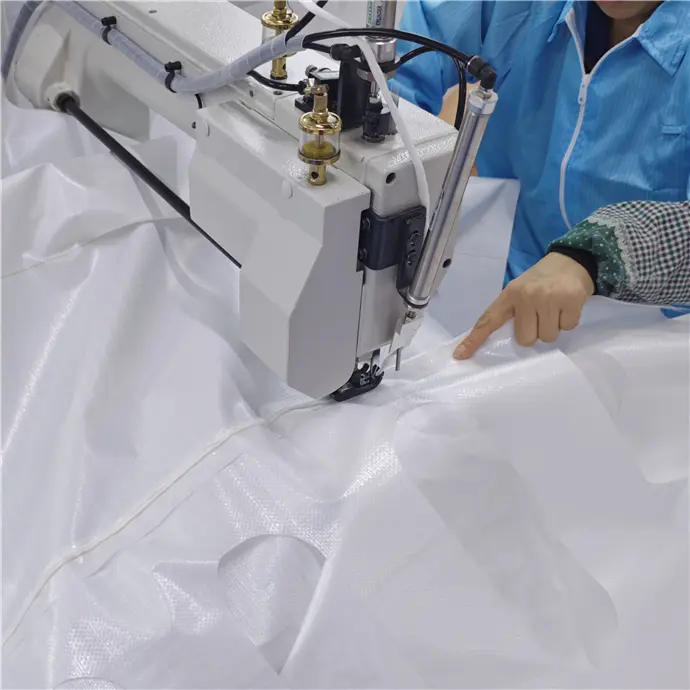
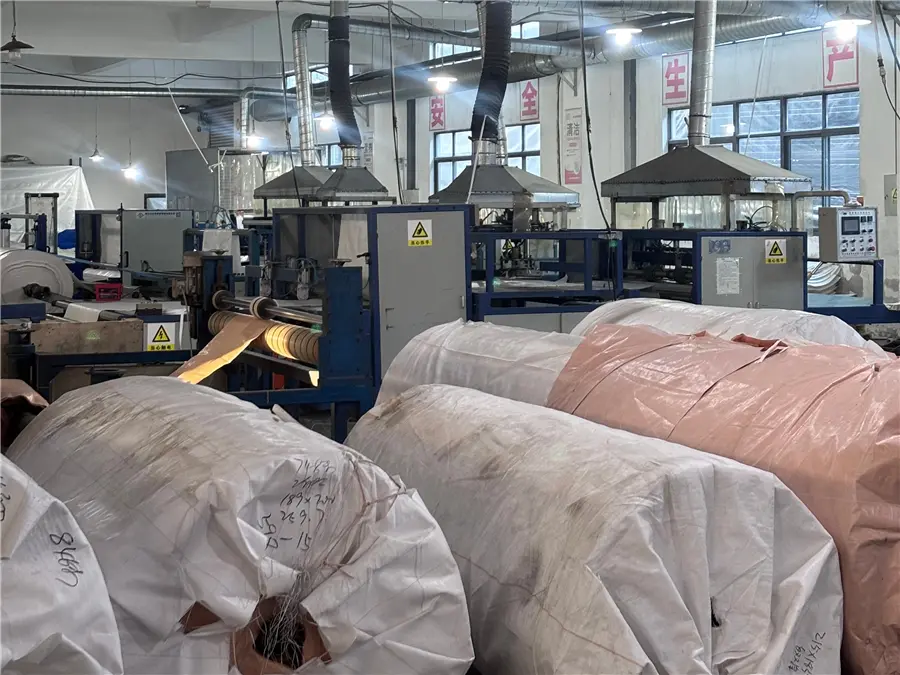
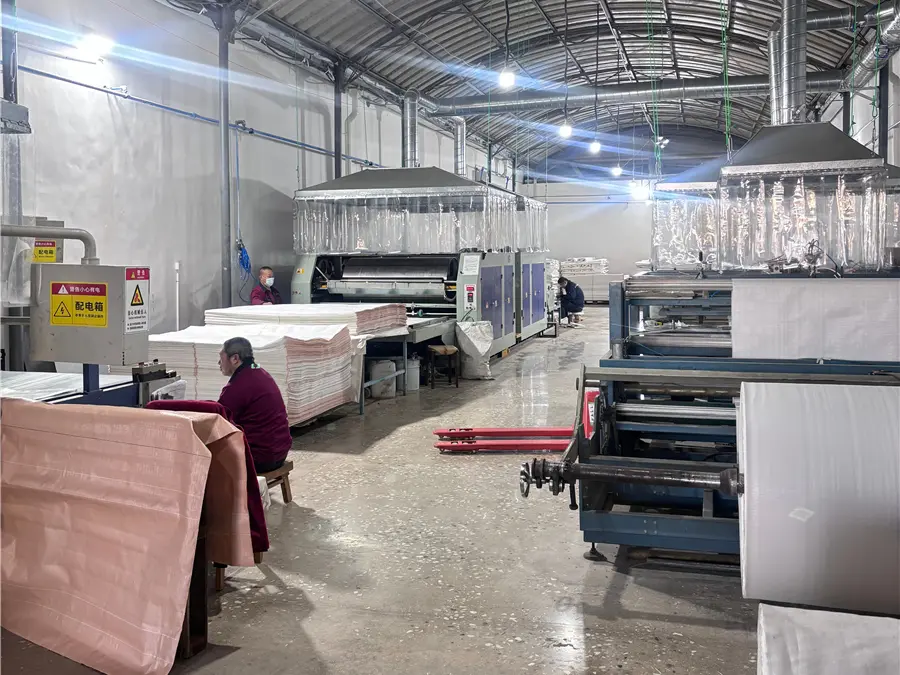
Precision Engineering
Advanced ultrasonic slitting and heavy-duty sewing machines for maximum load-bearing safety factors.
Modern industrial supply chains face unprecedented volatility. From the "Last Mile" challenges in chemical distribution to the "Zero-Contamination" requirements in the lithium-ion battery material sector, the need for robust FIBC solutions is paramount. Quality-controlled FIBC bags provide a vital buffer against transport risks.
In Europe and North America, the move towards Circular Economy models is forcing manufacturers to redesign FIBCs for multi-trip use (6:1 Safety Factor) or 100% recyclability. ZS Bulk Bags is at the forefront of this movement, integrating recycled PP without compromising the structural tensile strength—a feat of engineering that requires precise molecular weighing during the extrusion process.
Regional compliance is more than just a sticker. In the EU, CE marking signifies adherence to health, safety, and environmental protection standards. For our customers in the chemical industry, this means our bags are tested against the EN ISO 21898:2004 standard, ensuring that they can withstand the rigors of heavy lifting, stacking, and long-term UV exposure in various climates from the humid tropics to the arid Middle East.
Integration of nano-composites to enhance puncture resistance while reducing the overall weight of the bag, leading to lower carbon footprints in shipping.
R&D into embedded RFID and IoT sensors within the lifting loops to track real-time load stress and geolocation for high-value mineral transportation.
Developing a "Cradle-to-Cradle" certification for our bags, facilitating easy sorting and re-granulation at the end of the bag's life cycle.
Anti-static (Type C/D) bags designed to prevent incendiary discharges in explosive atmospheres. Essential for fine chemical powders.
ISO 22000 compliant liners that protect against moisture ingress and pest infestation for MSG, grains, and soybean meal.
Heat-resistant FIBCs for asphalt and high-density bags for cement clinker, designed for rapid discharge on-site.
High-cleanliness baffle bags for lithium carbonate and cobalt powders, preventing contamination in the EV battery supply chain.
It ensures the bag meets EU safety directives, specifically regarding the Safety Factor (SF). For example, a 5:1 SF means a bag rated for 1000kg can withstand 5000kg before failing. CE certification verifies these tests are performed in accredited labs.
Heat cutting can leave burnt, frayed edges that shed plastic particles into the product. Ultrasonic cutting cauterizes the edge cleanly without high heat, essential for pharmaceutical and food-grade hygiene.
We provide Type C Conductive bags which must be grounded, and Type D Dissipative bags that don't require grounding. Both are quality-controlled to meet the IEC 61340-4-4 standard for flammable environments.
Yes. We customize top-fill spouts and bottom-discharge diameters to match specific conveyor and hopper dimensions, ensuring a hermetic seal during filling to prevent dust clouds.
Choosing a CE certified, quality-controlled FIBC partner is an investment in your brand's reputation. Yantai ZS Bulk Bags is not just a factory; we are a strategic partner equipped with over 30 years of technical expertise. As we look toward the future, our focus remains on technological upgrading, sustainable innovation, and providing the world with packaging solutions that carry trust and safeguard value. From the initial raw material procurement to the final quality inspection, we ensure precision and traceability, making us the preferred choice for industry leaders worldwide.
 Zhensheng