CE Certification China Suppliers Factory - Large Open-Top Flat Bottom FIBC Bags for Bulk Material Transportation Pricelist, Companies

,

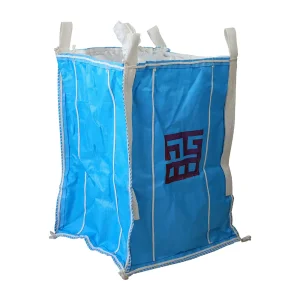
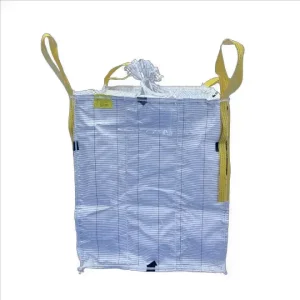
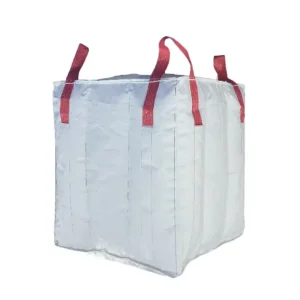
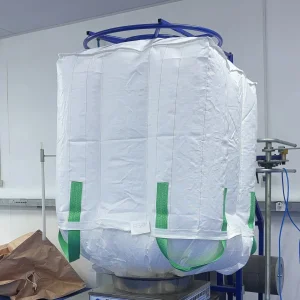
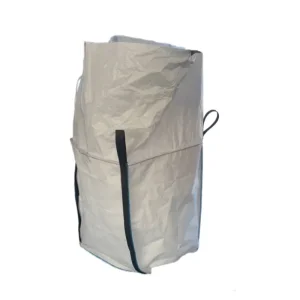
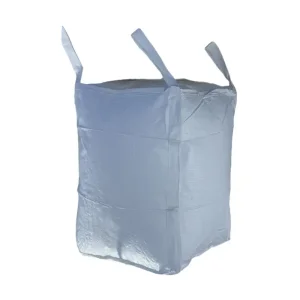
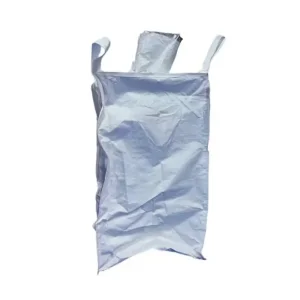
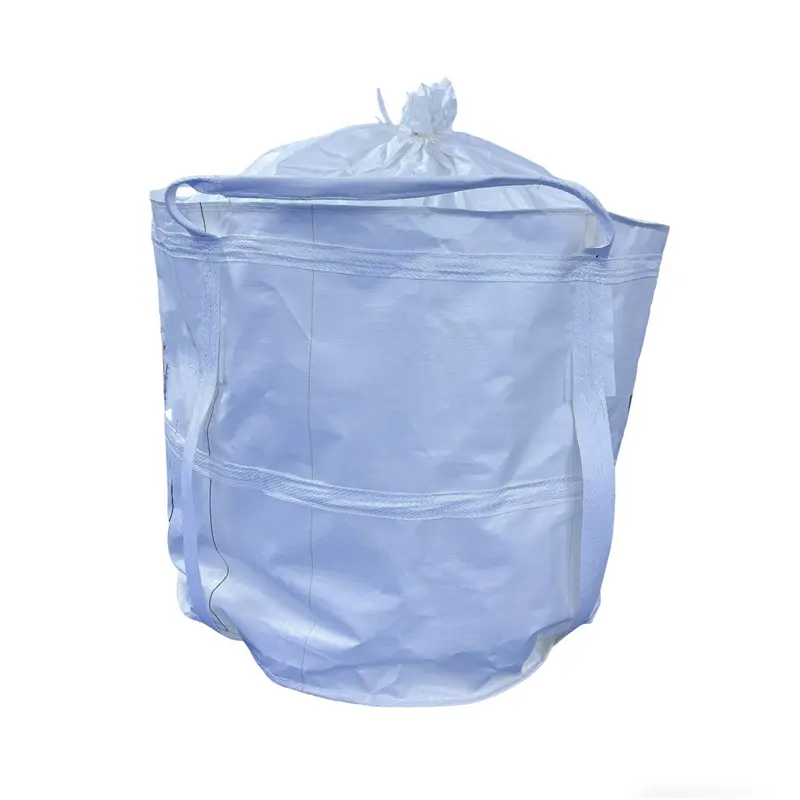
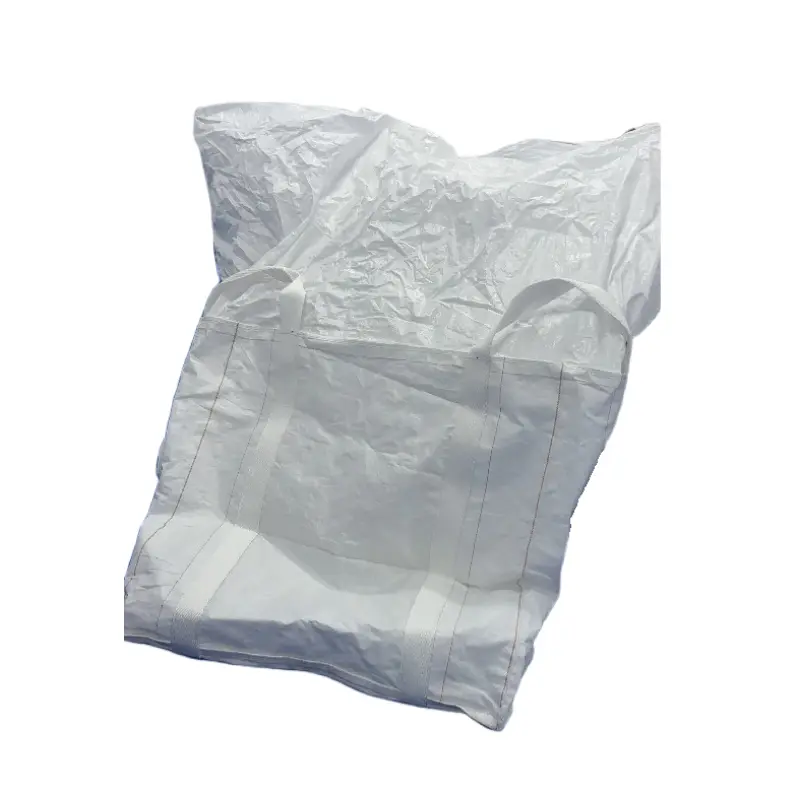
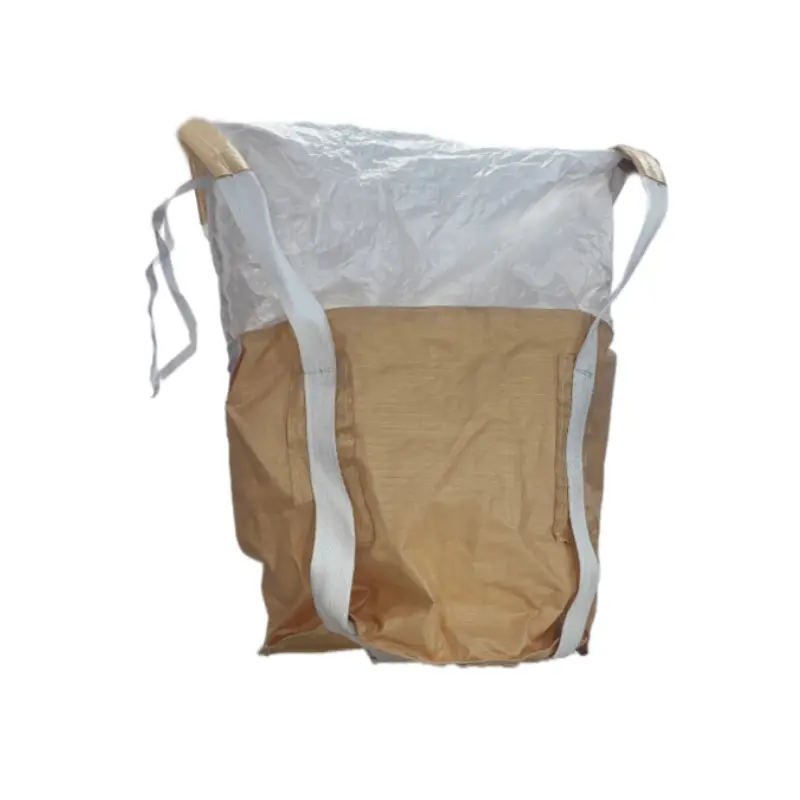
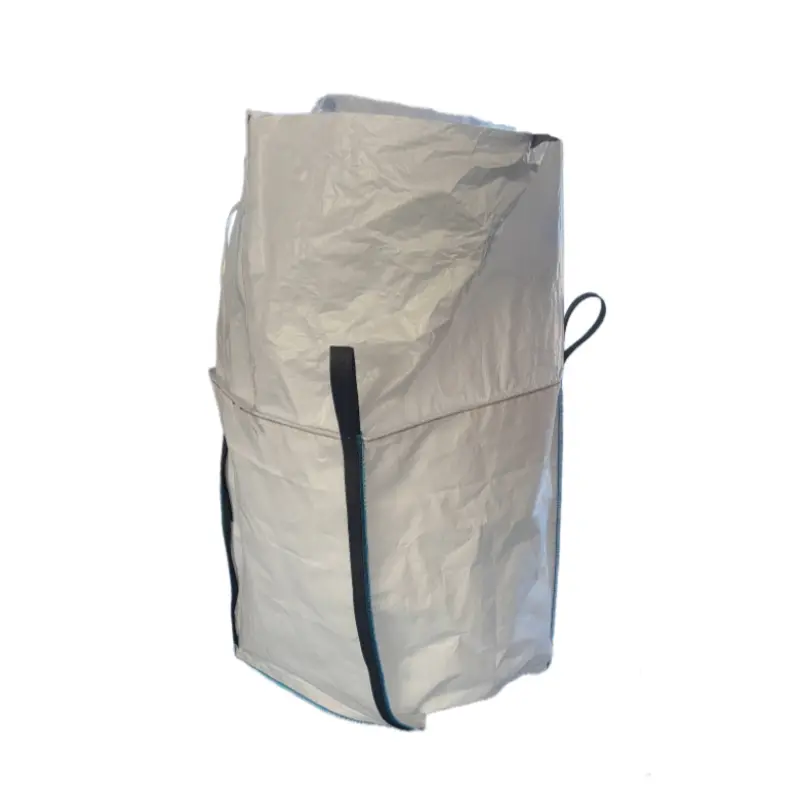
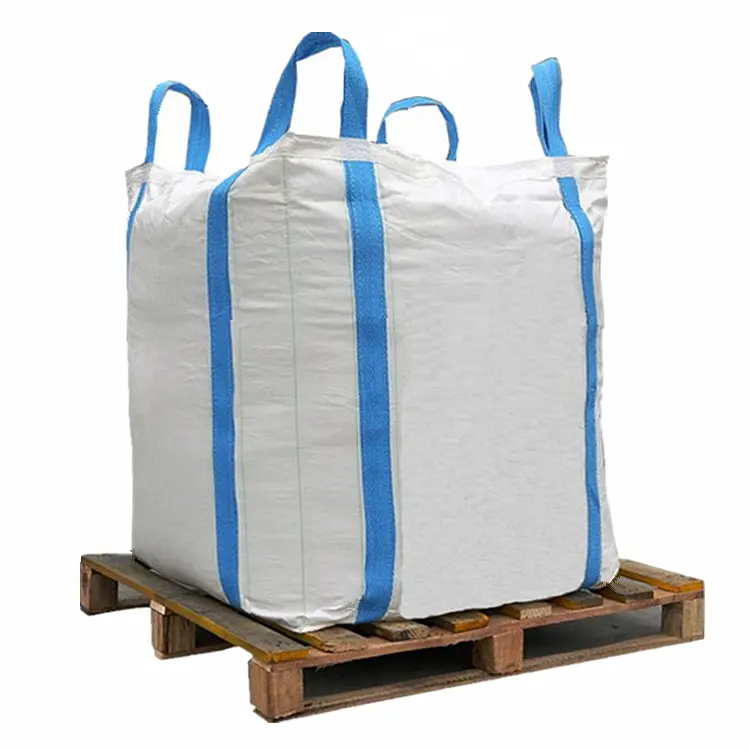
Introducing our open-top flat bottom FIBC, a fundamental design in the FIBC category that is extensively used for bulk handling. This versatile bag features a fully open top and a flat bottom, allowing for easy loading and stable stacking during transport and storage. Manufactured in China, our FIBCs are crafted from high-quality new polypropylene (PP) woven fabric, ensuring durability and reliability.
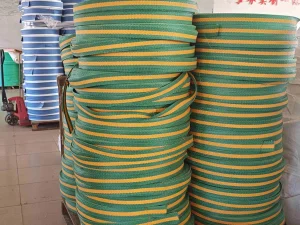
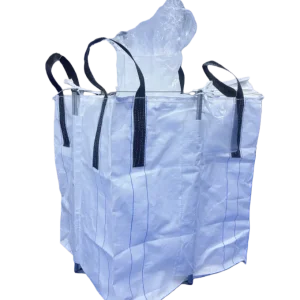
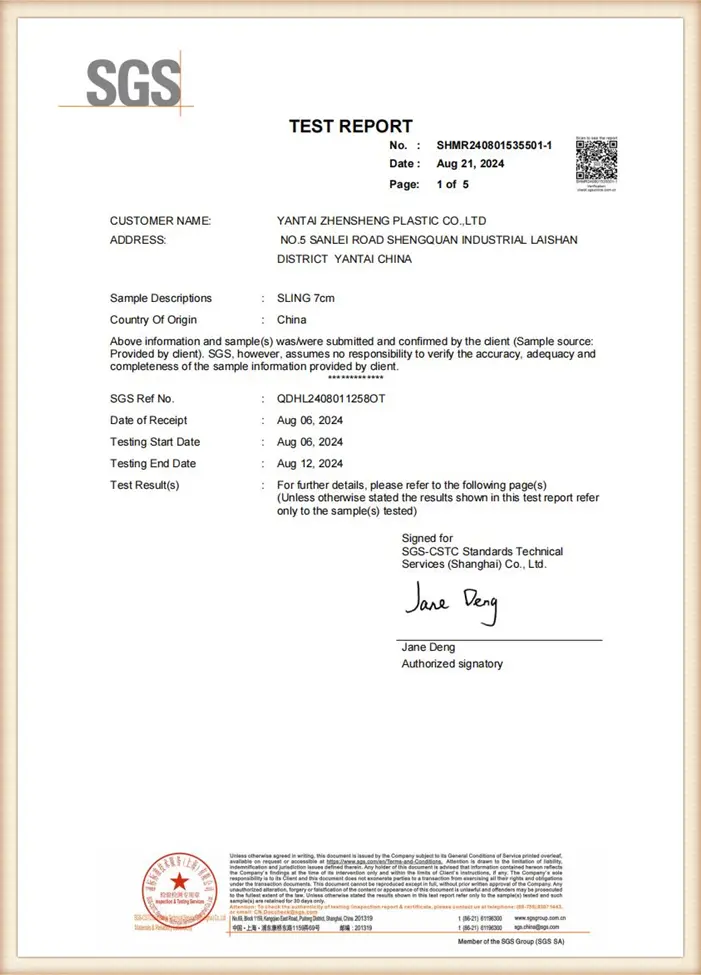
Equipped with robust lifting slings available in 2-loop or 4-loop configurations, these bags also feature double-needle stitching at the seams for enhanced strength. With a standard load capacity ranging from 0.5 to 3 tons and a safety factor of 5:1 to 6:1, our FIBC bags are ideal for transporting and storing various granular, blocky, and powdery materials. As leading suppliers and a trusted factory, we are committed to providing high-performance FIBCs tailored to meet your material handling needs.

,

Product Description

Core Classification (By Bottom Reinforcement Structure)

According to different bottom reinforcement processes, open-top flat bottom FIBCs can be divided into three types, and the structure directly affects the load-bearing capacity and lifting stability:
0.5 - 1 Ton

Cross-bottom Reinforced Open-top Flat Bottom FIBC

The bottom is reinforced with cross-stitching technology, featuring a simple structure and low production cost. The stress points are concentrated at the cross seams. Suitable for light-weight conventional materials such as sand, gravel and grain particles.
1 - 2 Tons

Grid-bottom Reinforced Open-top Flat Bottom FIBC

The bottom is reinforced with multi-layer grid-shaped stitching, adding horizontal and vertical stress support for stronger load-bearing capacity. The bag body bears force evenly during lifting without deformation easily. Suitable for plastic particles and chemical fertilizer raw materials.
2 - 3 Tons

X-bottom Reinforced Open-top Flat Bottom FIBC

The bottom is reinforced with diagonal X-shaped stitching, dispersing stress points to the four corners. Combined with reinforced side lifting slings, it achieves a higher safety factor. Suitable for heavy materials such as ore powder and metal particles.

Core Features

📥

Easy Loading

The fully open top design allows for fast loading with forklifts or conveyor belts, greatly improving loading and unloading efficiency and being suitable for large-batch material turnover.

📦

Stable Stacking

The flat bottom structure ensures even force distribution, enabling multi-layer stacking after being filled without easy tipping, thus maximizing the utilization of warehouse and transport vehicle space.

🛠️

Flexible Customization

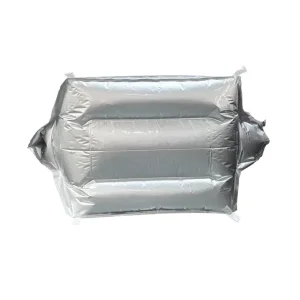
Size and style can be customized including bag dimensions and lifting sling specs. Brand logos, material info, and warning signs can be printed. Can be upgraded to antistatic or acid-alkali resistant materials for special scenarios.


Main Applications

With the characteristics of simple structure and strong practicality, open-top flat bottom FIBCs are widely used in various industries:
🌾

Agricultural Products Sector

Used for loading granular grains such as wheat, corn and soybeans, as well as root and tuber crops like potatoes, sweet potatoes and onions, meeting the needs of large-scale storage and long-distance transportation.

🏗️

Building Materials Sector

Suitable for packaging blocky materials such as sand, gravel, cement clinker and lightweight aggregates, adapting to lifting operations at construction sites and reducing material scattering loss.

🧪

Chemical Industry Sector

Applied to transport dry powdery or granular materials such as plastic particles, resin pellets and chemical fertilizer raw materials. The corresponding bottom reinforcement structure can be selected based on material weight.

🔄

Other Sectors

Also used for waste recycling and industrial parts storage, serving as a cost-effective and versatile packaging solution.
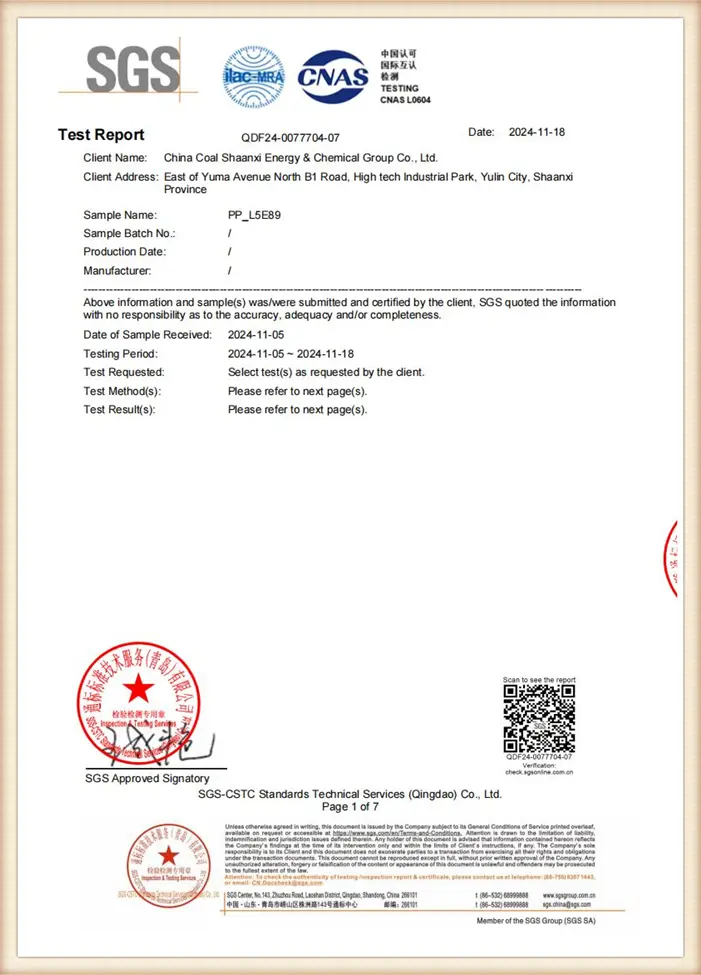
Detail Picture

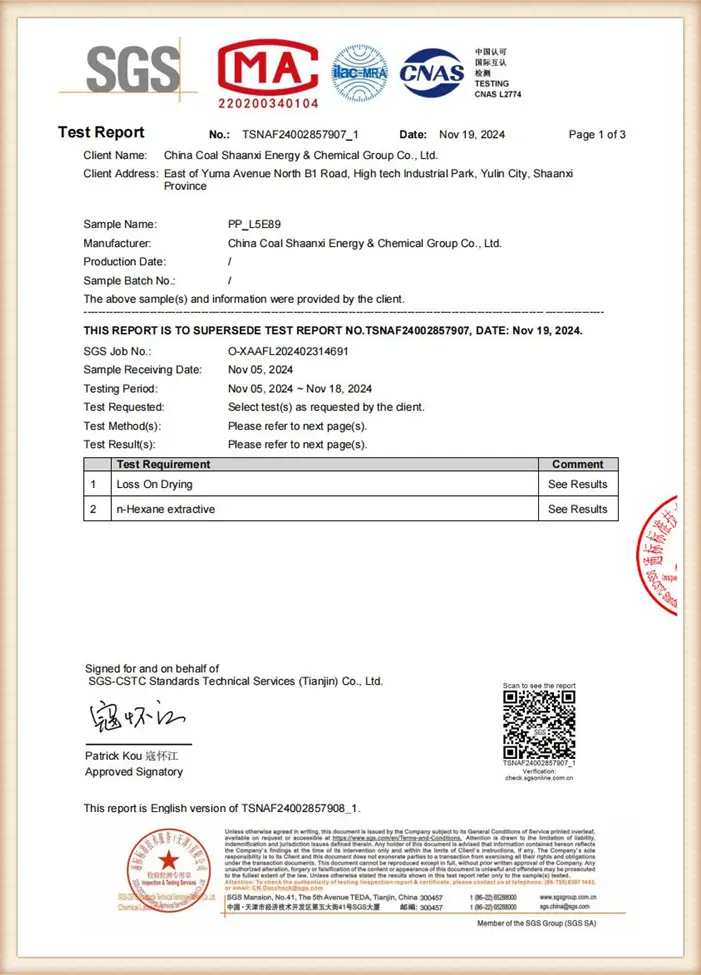
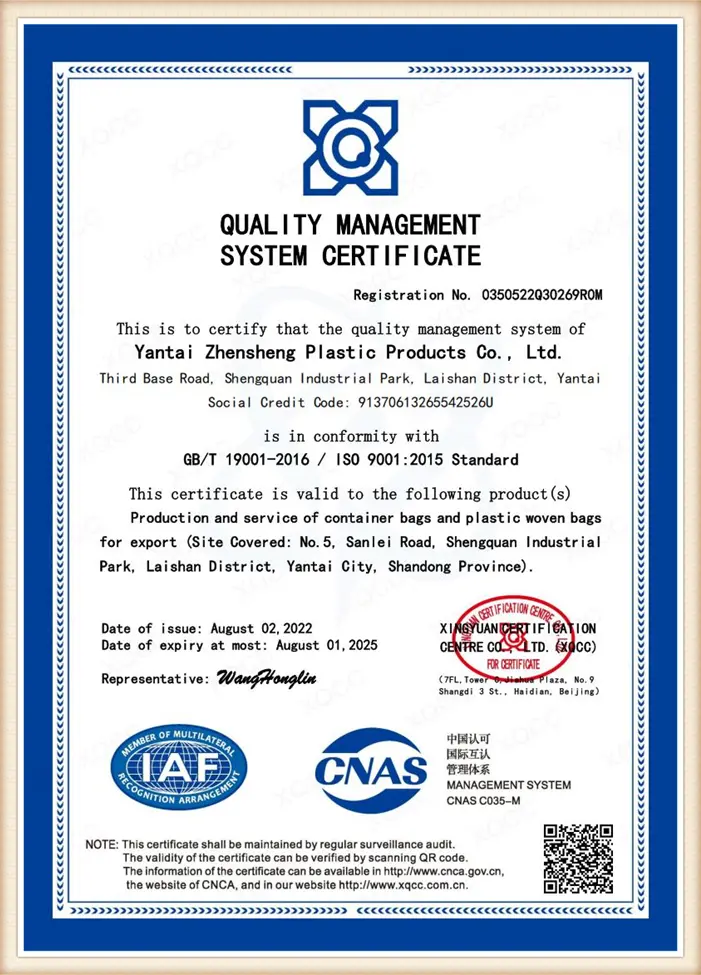
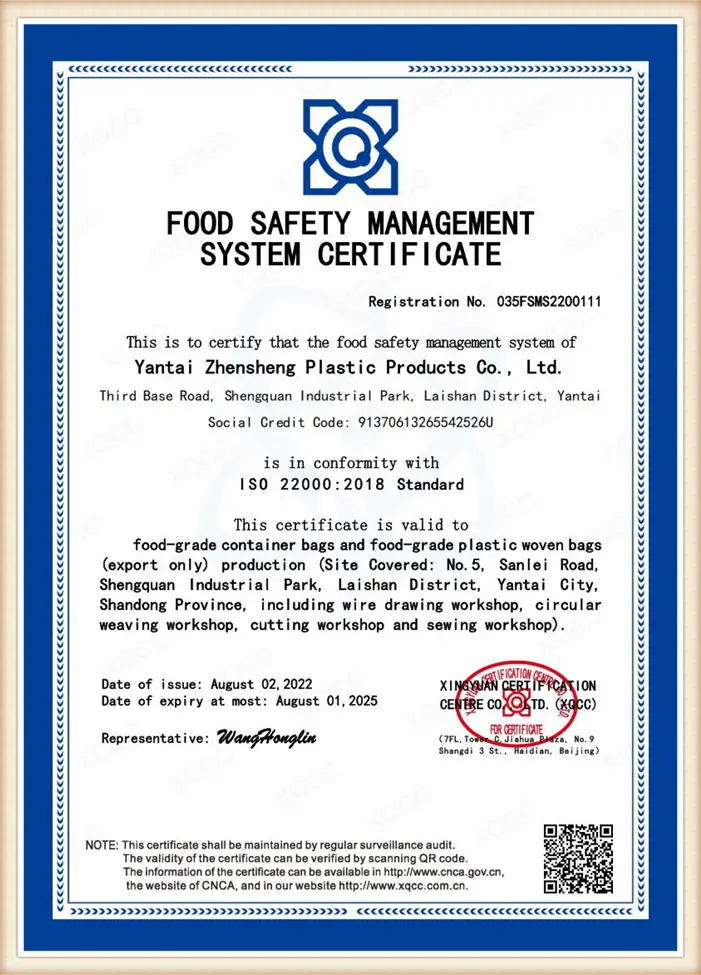
certificate (1)
certificate (2)
certificate (3)
certificate (4)
certificate (5)
certificate (6)

Frequently Asked Questions (FAQ)

? What is the difference between cross-bottom, grid-bottom, and X-bottom reinforced FIBCs?
The three types differ in their bottom stitching patterns and load-bearing capacity. Cross-bottom reinforcement handles 0.5 - 1 ton for lightweight materials. Grid-bottom reinforcement supports 1 - 2 tons with more even stress distribution. X-bottom reinforcement can bear 2 - 3 tons and is ideal for heavy materials like ore powder and metal particles.
? Can open-top flat bottom FIBCs be customized in size and printing?
Yes. The bag body dimensions (length, width, height) and lifting sling specifications can all be customized. Brand logos, material information, warning signs, and other content can be printed directly on the bag to meet specific branding or compliance requirements.
? Are open-top flat bottom FIBCs suitable for chemical or hazardous materials?
For chemical applications, the bags can be upgraded to antistatic or acid-alkali resistant materials depending on the nature of the substances being transported. It is recommended to select the appropriate bottom reinforcement structure based on the weight and properties of the materials.
? How do open-top flat bottom FIBCs ensure stable stacking during storage and transport?
The flat bottom design distributes weight evenly across the base, preventing tipping when stacked in multiple layers. This makes them ideal for maximizing warehouse and transport vehicle space utilization while keeping loads secure.
? What industries commonly use open-top flat bottom FIBCs?
They are widely used across agriculture (grains, root vegetables), building materials (sand, gravel, cement clinker), chemical industry (plastic particles, resin pellets, fertilizers), as well as waste recycling and industrial parts storage.
? How is loading and unloading performed with open-top flat bottom FIBCs?
The fully open top design allows direct loading via forklifts, conveyor belts, or other mechanical equipment, significantly improving efficiency for large-batch material turnover. The lifting slings on the sides enable safe hoisting and positioning during loading and unloading operations.

Related Products