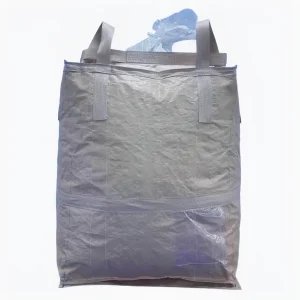
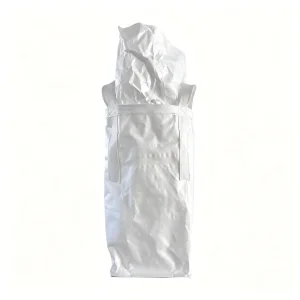
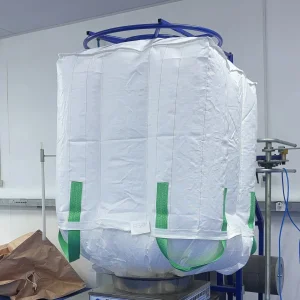
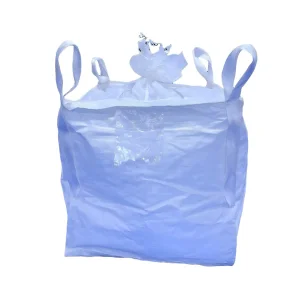
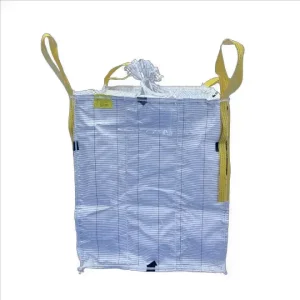
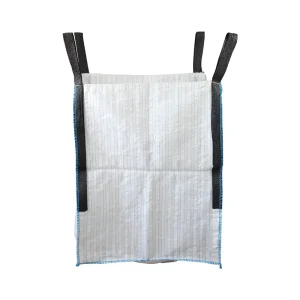
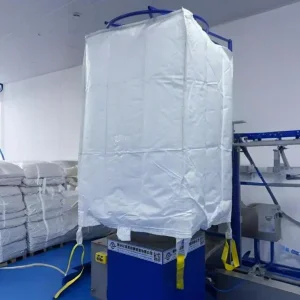
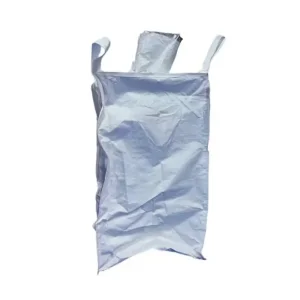
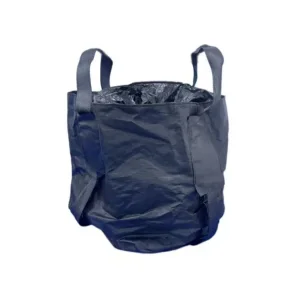
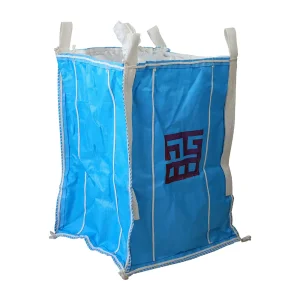
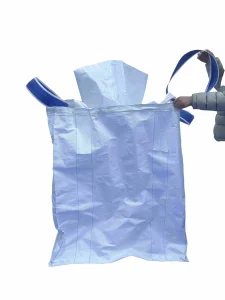
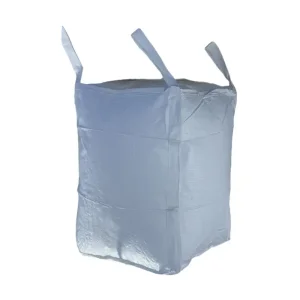
Industrial bulk packaging, specifically Flexible Intermediate Bulk Containers (FIBC), has evolved from simple transport sacks into highly engineered logistical assets. As global supply chains face unprecedented volatility—ranging from geopolitical shifts to stringent ESG (Environmental, Social, and Governance) requirements—the choice of a packaging partner now dictates the efficiency and safety of billions of dollars in global trade. From the transport of hazardous chemicals to ultra-pure lithium-ion battery precursors, the technological requirements for bulk packaging have reached a pinnacle of precision.
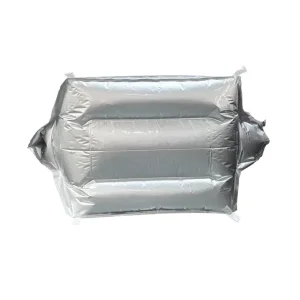
Modern procurement directors at Fortune 500 companies are moving away from "cost-per-bag" metrics toward "Total Cost of Ownership (TCO)". This includes assessing the risk of product contamination, the efficiency of automated filling lines, and the carbon footprint of the packaging material itself. In sectors like pharmaceuticals and fine chemicals, the demand for Aluminum Foil Lined FIBCs is surging due to their superior barrier properties against moisture and oxygen, ensuring product stability during long-haul sea freight.
The global FIBC market is projected to witness a CAGR of 5.8% through 2030. Asia-Pacific, led by manufacturing powerhouses like China, remains the dominant supplier due to vertical integration—from polypropylene resin processing to final bag assembly.
Adherence to UN Certification for hazardous goods, FDA/ISO 22000 for food-grade safety, and CE marking for European markets is no longer optional. Leading factories now offer localized technical support to ensure seamless customs clearance and safety auditing.
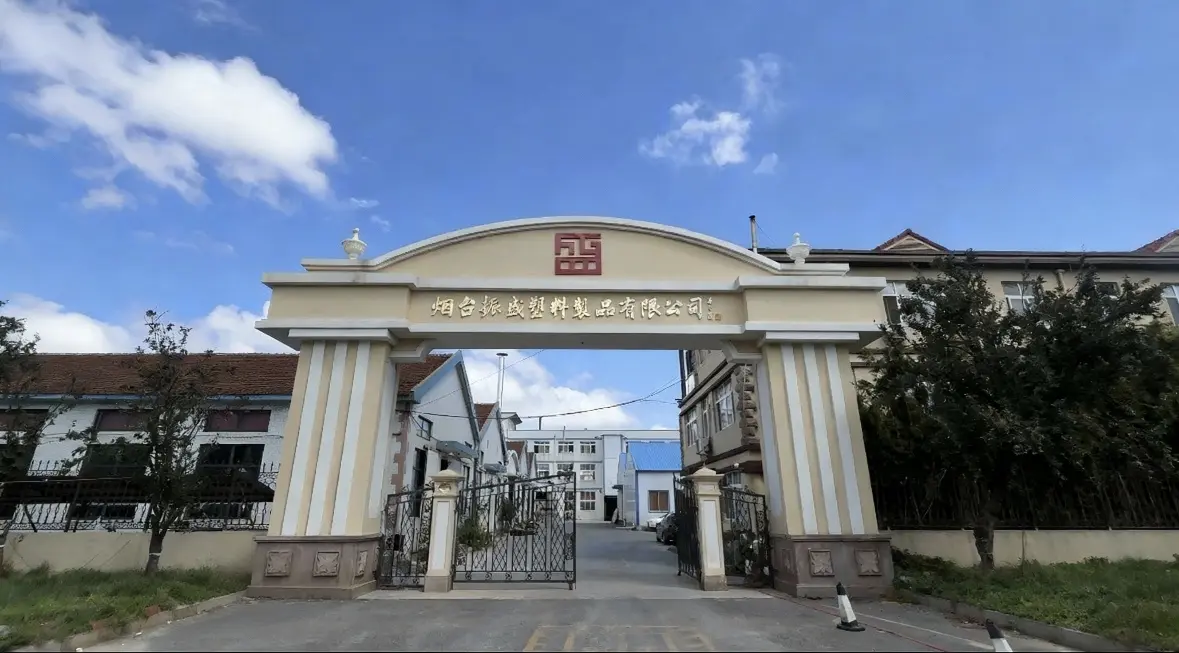
Founded in 1988, Yantai ZS Bulk Bags Manufacturing Co., Ltd. has pioneered the transition from manual labor to AI-assisted quality control in FIBC production. By controlling the entire lifecycle—from raw material drawing to ultrasonic cutting—we eliminate the common failure points of outsourced components. Our two modern production bases in Yantai serve as a global benchmark for Clean Room (Class 100,000) manufacturing environment.
Our commitment to E-E-A-T is reflected in our robust technical inspection protocols. Every batch of Type C conductive bags undergoes 100% resistance testing, and our food-grade bags are manufactured under ISO 22000 standards to guarantee zero impurity migration.
Integration of computer vision systems on sewing lines to detect micro-faults in stitching in real-time, ensuring 99.99% structural integrity.
Development of rPP (Recycled Polypropylene) FIBCs that maintain 95% of virgin tensile strength, aligning with the EU’s Plastic Packaging Directives.
Embedded RFID and QR-tracking systems that provide real-time location and content status (humidity/temp) for high-value chemical shipments.
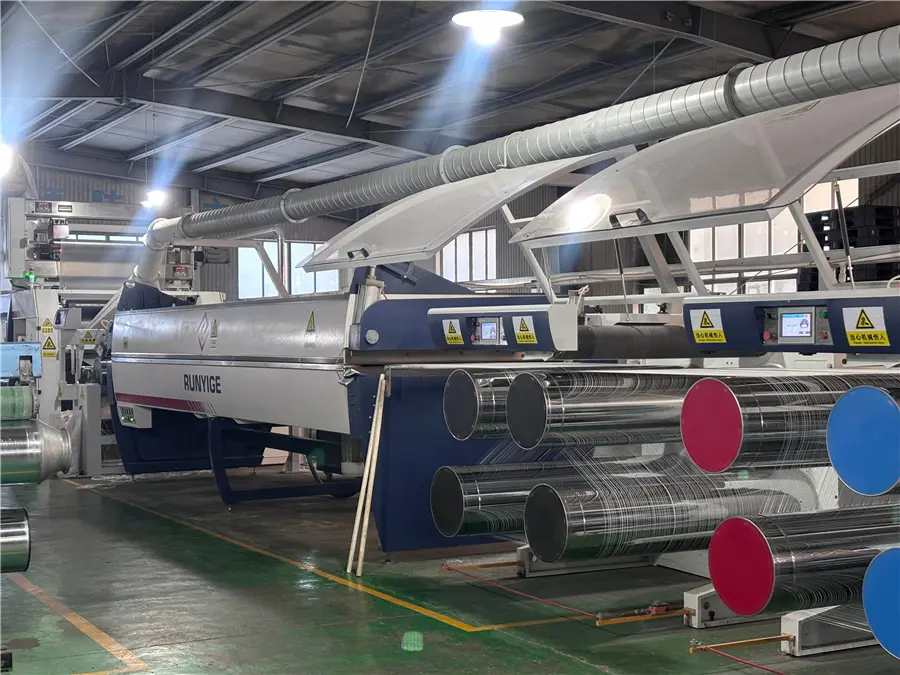
Precision extrusion of high-tenacity PP tapes.
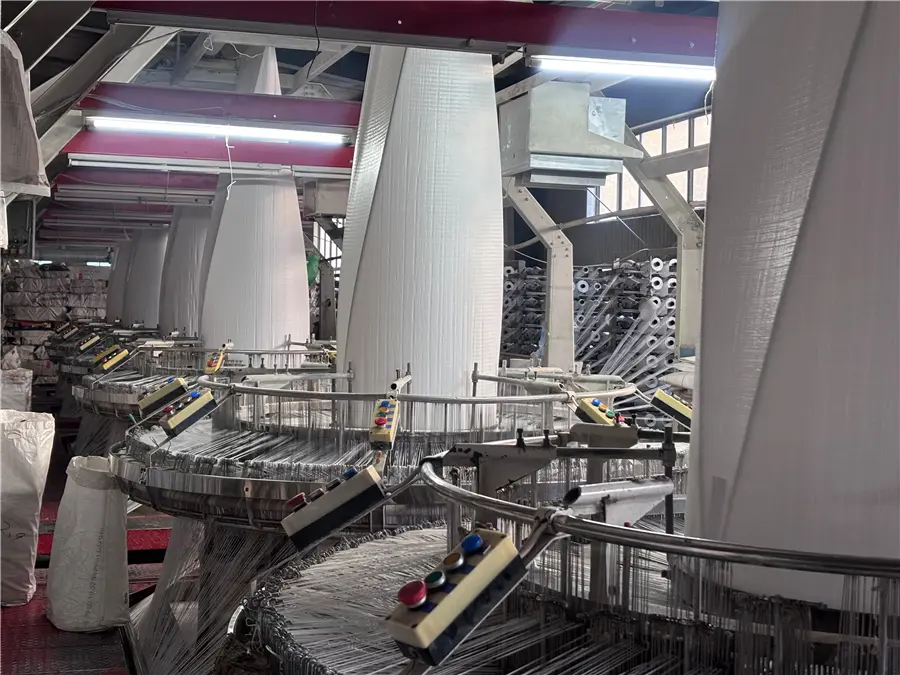
Circular and flat looms for heavy-duty fabric.
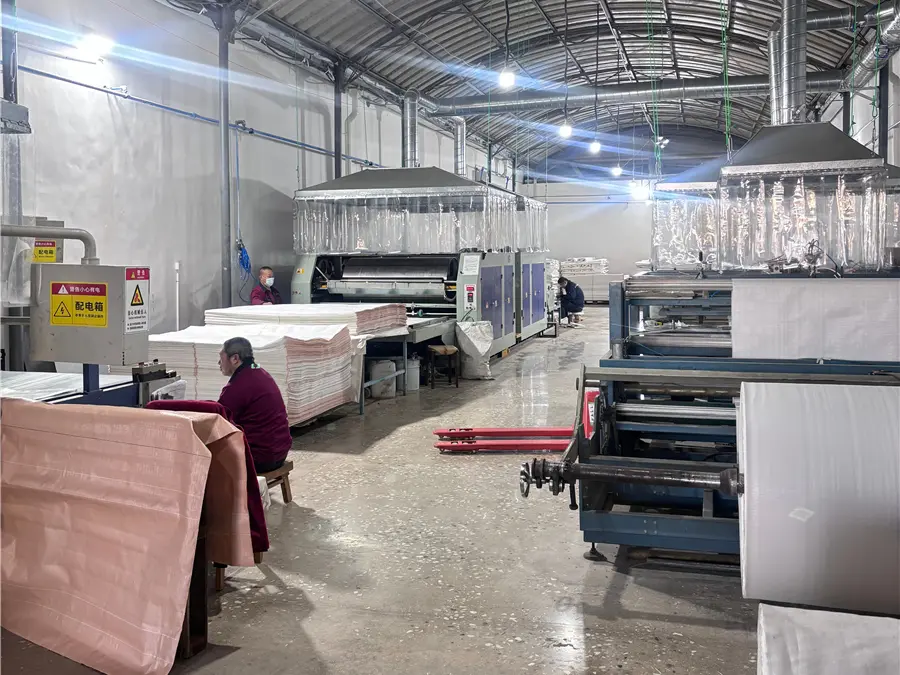
High-resolution branding and safety labeling.
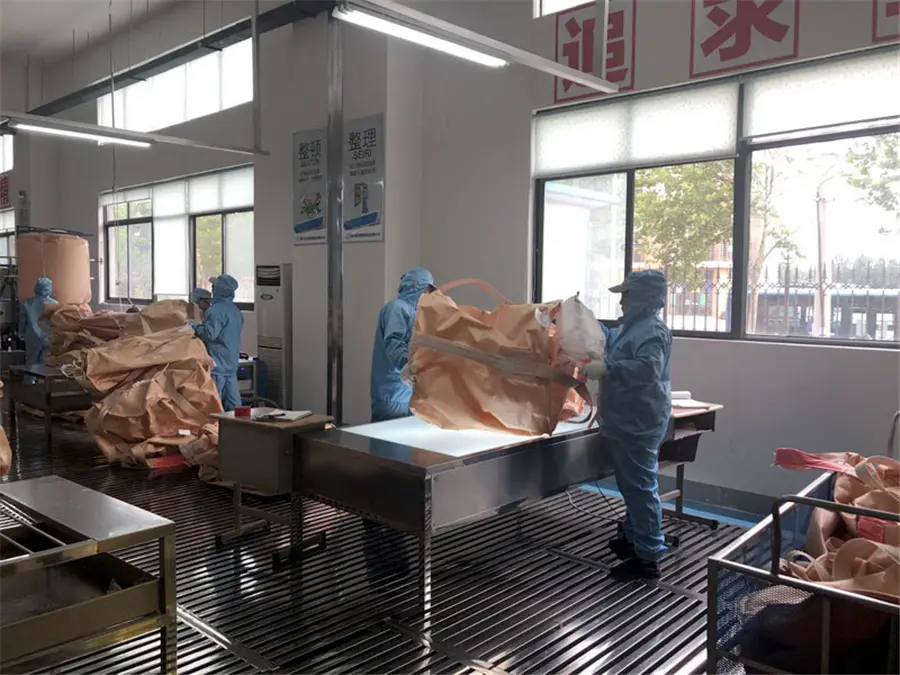
Rigorous multi-stage quality validation.
In the high-stakes world of international logistics, the FIBC is more than just a container; it is a critical interface between production and consumption. Our macro-level industry solutions address:
Leveraging multi-layer co-extruded liners and nitrogen flushing capabilities to preserve product purity for 12+ months of storage.
Engineered Type D (Crohmiq-style) bags that dissipate static charge without grounding, perfect for operations where grounding consistency is a risk.
Customized loop designs and top-spout dimensions precisely calibrated for robotic arm engagement in Industry 4.0 factories.
"As we look toward 2025 and beyond, Zhensheng remains committed to technological upgrading and product innovation. Our goal is to serve as the benchmark for global mid-to-high-end FIBC customization, fostering long-term partnerships built on transparency and engineering excellence."
 Zhensheng