Zhensheng
1 / 1
It is worth noting that the size, style, and load-bearing capacity of FIBCs can all be customized according to needs, and Type C conductive bags also support flexible adjustment of various parameters based on material characteristics, loading requirements, and usage scenarios.
Used for packaging and transporting various flammable chemical powders, pigments, catalysts, resin powders, and other materials, suitable for environments with flammable vapors or gases.
Loading sensitive materials such as pharmaceutical intermediates and excipients, ensuring electrostatic safety while meeting the cleanliness and protection requirements of the industry.
Suitable for the transportation of conductive or flammable powder materials such as lithium battery materials, metal powders, and metallurgical powders, avoiding safety accidents caused by static electricity.
Used for packaging powder materials requiring electrostatic protection such as food additives, feed additives, and ore powders, especially suitable for production and warehousing environments with combustible dusts.
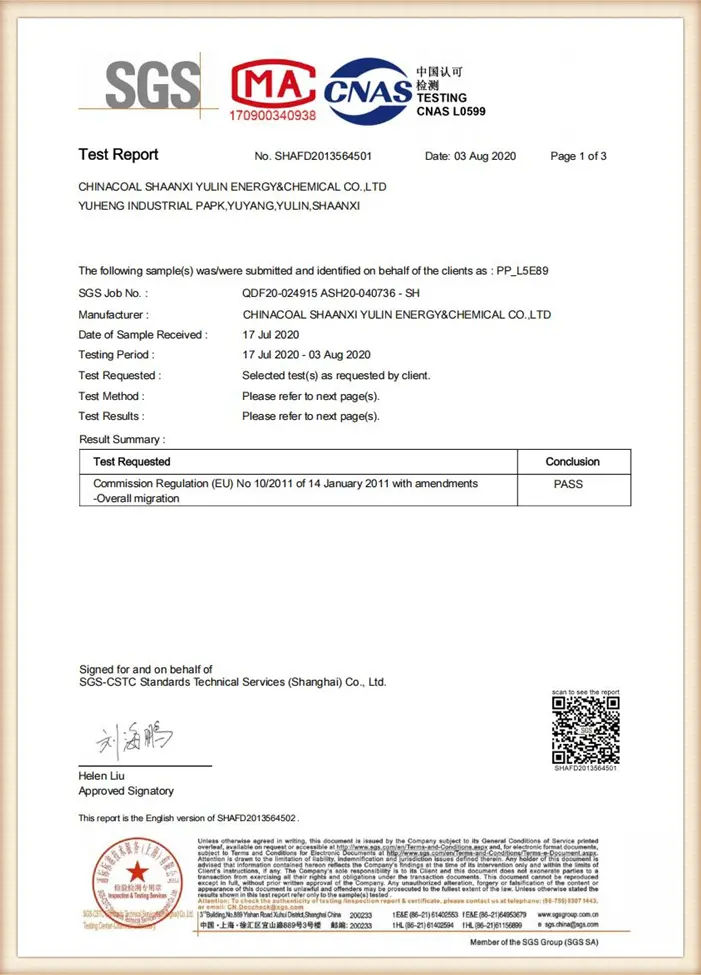
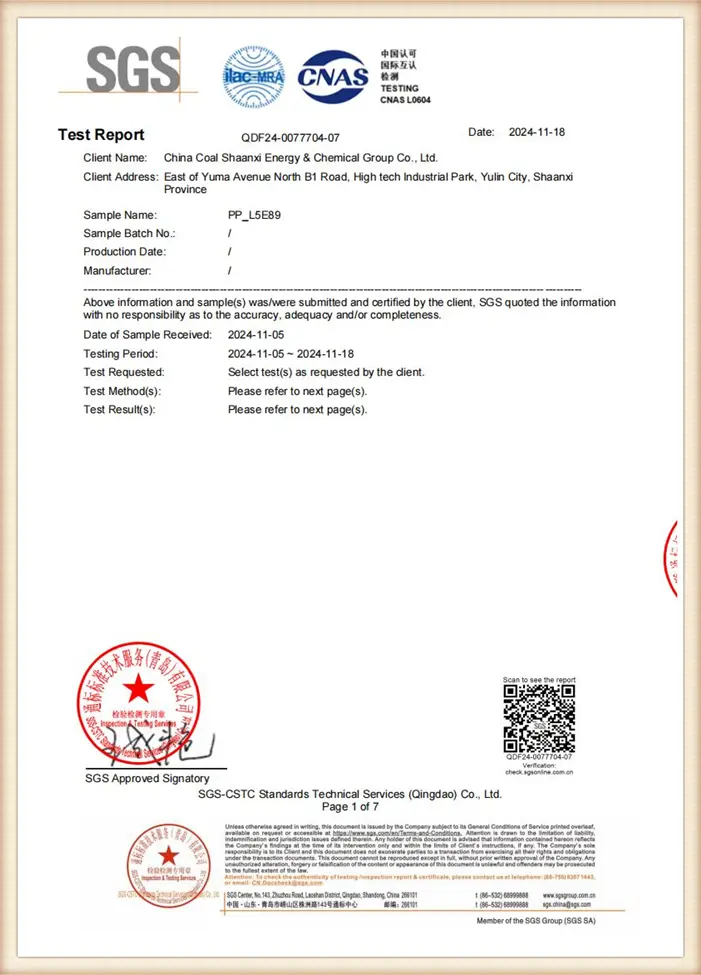
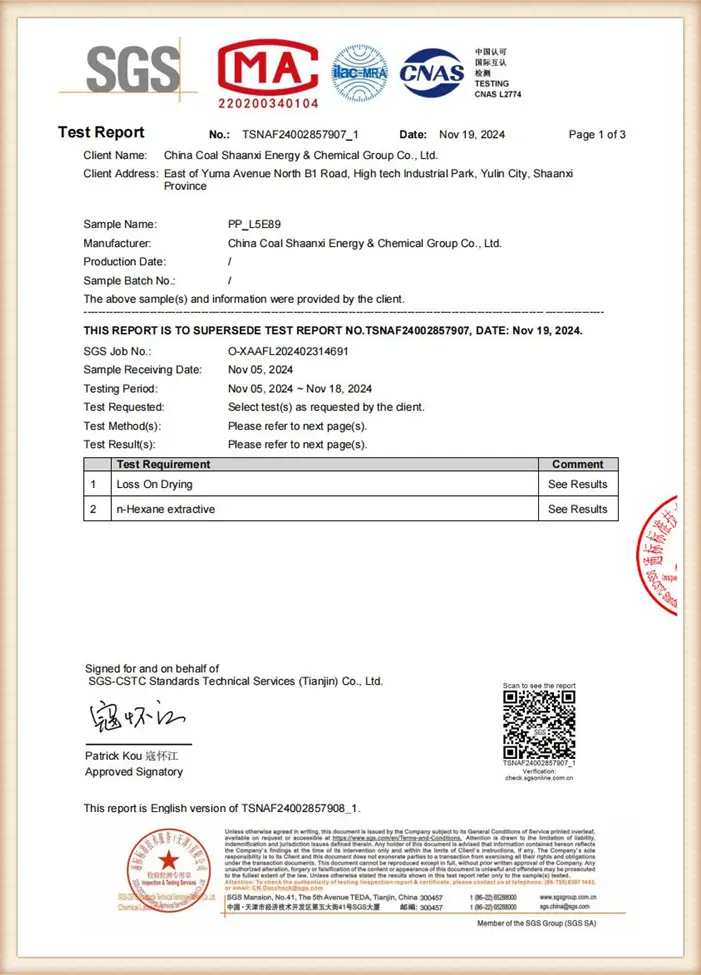
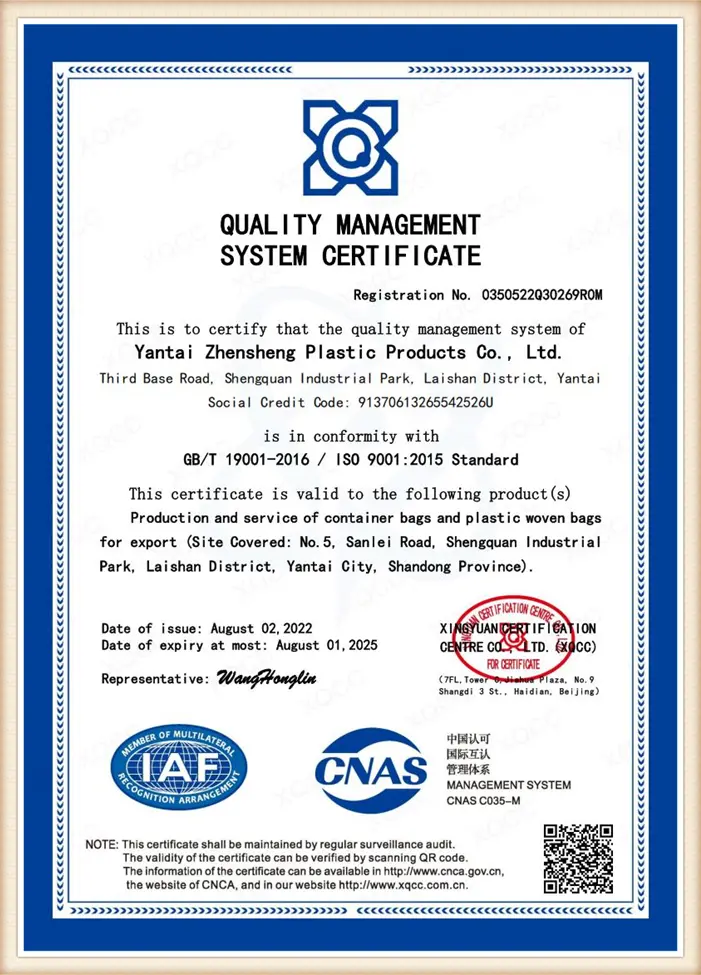
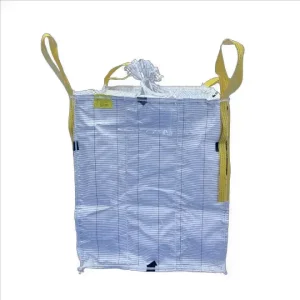
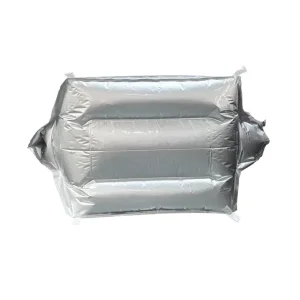
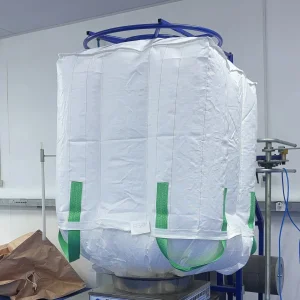
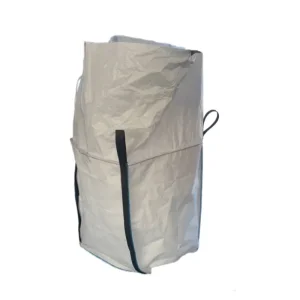
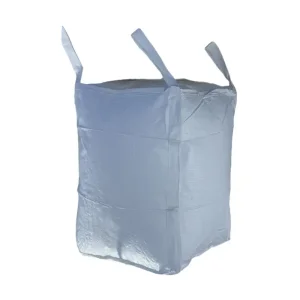
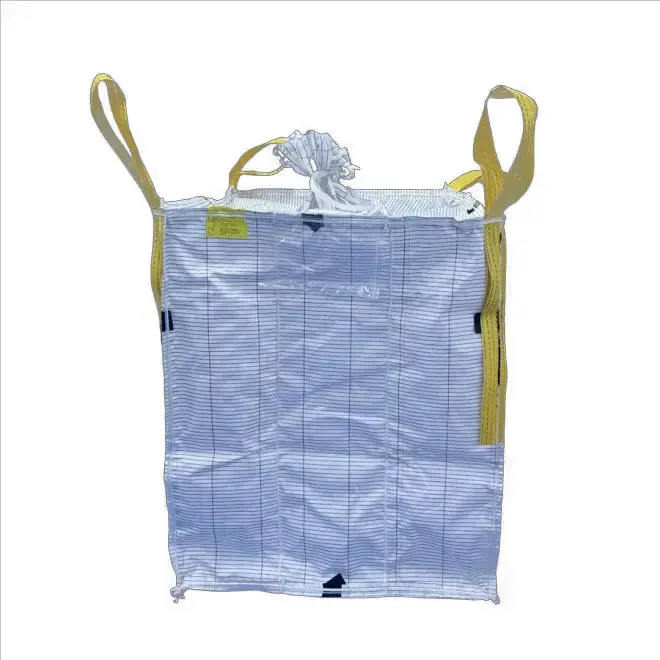
A Type C conductive bag, also known as a groundable conductive FIBC, is specifically engineered with conductive filaments interwoven into the bag fabric and lifting slings, along with conductive films. Unlike standard FIBCs, Type C bags must be grounded during use to create an electrostatic discharge channel, effectively dissipating static electricity and preventing dangerous sparks in flammable or explosive environments.
The surface resistance of Type C conductive bags is strictly controlled below 10⁷Ω, which complies with international electrostatic safety standards. This ensures reliable and consistent static dissipation throughout the bag's service life when properly grounded.
Type C conductive bags are widely used in the chemical industry for flammable powders and pigments, the pharmaceutical industry for sensitive intermediates and excipients, the new energy and metallurgy sector for lithium battery materials and metal powders, as well as in food additives, feed additives, and ore powder packaging — particularly in environments with combustible dusts or flammable vapors.
Yes. Type C conductive bags fully support customization. The size, style, and load-bearing capacity can all be adjusted based on specific material characteristics, loading requirements, and usage scenarios. Optional features include leak-proof stitching and PE inner bags for dust barrier and leak-proof performance.
The bag body is made from high-strength polypropylene (PP) material, which provides excellent tear resistance and chemical corrosion resistance. Conductive filaments are integrated into both the woven fabric and the lifting slings, and conductive films may also be incorporated depending on the application requirements.
Yes, grounding is absolutely essential for Type C conductive bags to function safely. Without proper grounding, the conductive filaments cannot form an effective electrostatic discharge channel, which means static electricity cannot be safely dissipated — posing a significant risk of sparks, fire, or explosion in hazardous environments. Always ensure the bag is properly grounded before and during filling and discharge operations.