Custom China Type C Conductive FIBC Suppliers | Safety-Enhanced Groundable Conductive Bags from Factory Supplier, Manufacturers

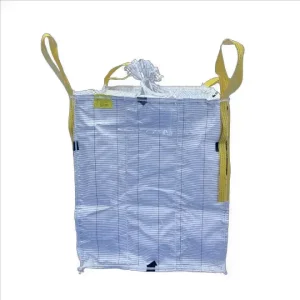
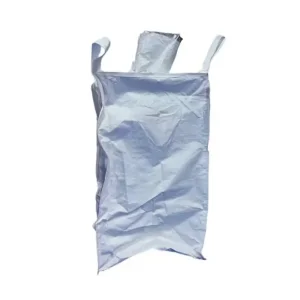
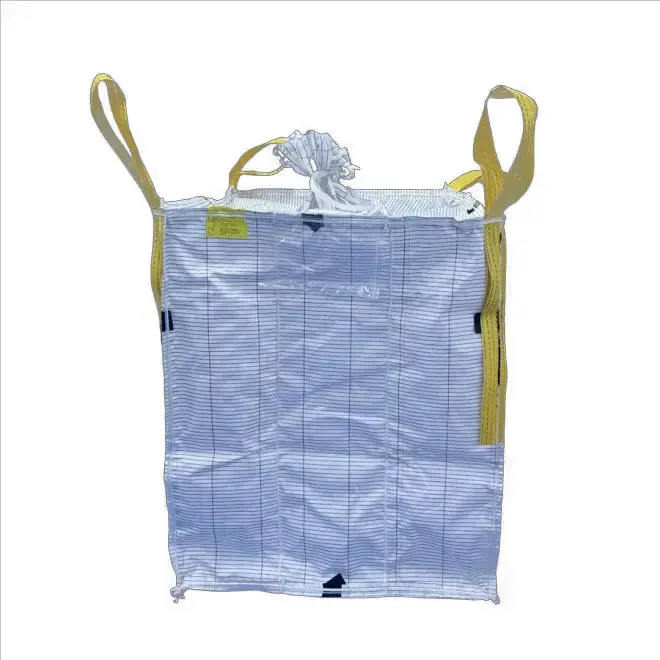
The Type C conductive bag, also known as a groundable conductive FIBC, is an essential packaging solution tailored for flammable and explosive environments in China. This innovative product is designed to mitigate safety risks associated with static electricity accumulation during the loading, unloading, and transportation of materials. Our bags feature conductive filaments intricately woven into both the fabric and lifting slings, complemented by the use of high-quality conductive films. As a leading factory among suppliers in China, we ensure that our conductive bags provide optimal safety and reliability for your operations

Product Description

Product Introduction

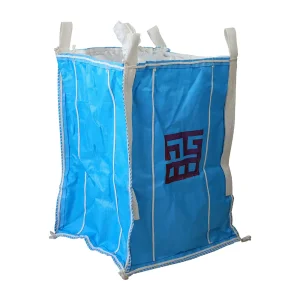
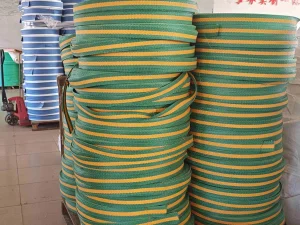
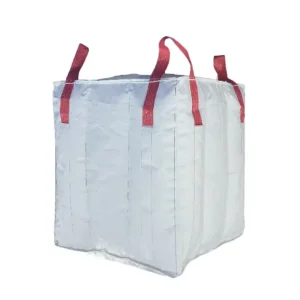
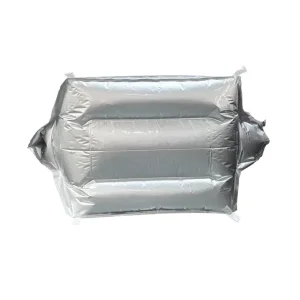
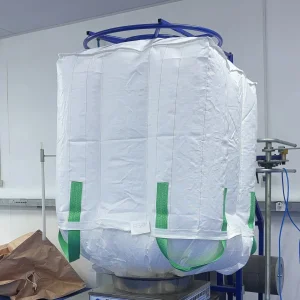
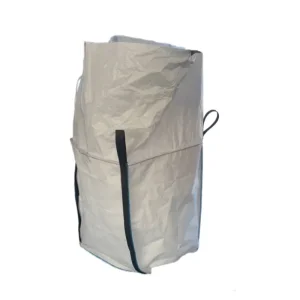
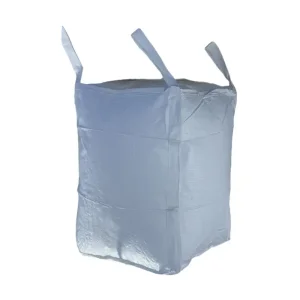
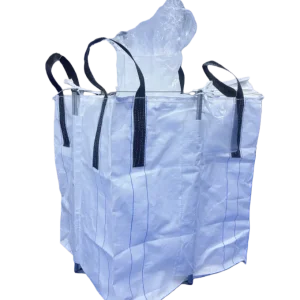
Type C conductive bag (also known as groundable conductive FIBC) is a specialized packaging product designed for flammable and explosive environments, primarily used to eliminate safety hazards caused by static electricity accumulation during material loading, unloading, and transportation. Its key design feature is that conductive filaments are interwoven into both the bag fabric and lifting slings, combined with the use of conductive films. Through grounding the conductive filaments, an electrostatic discharge channel is formed, which can effectively dissipate static electricity generated during loading and unloading, fundamentally preventing sparks from electrostatic discharge and avoiding dangerous incidents such as combustion and explosions. The surface resistance of such products is strictly controlled below 10⁷Ω, complying with relevant electrostatic safety standards. The bag body is made of high-strength polypropylene material, featuring excellent tear resistance and chemical corrosion resistance. Some styles can be equipped with leak-proof stitching and PE inner bags to achieve dust barrier and leak-proof effects. It is worth noting that the size, style, and load-bearing capacity of FIBCs can all be customized according to needs, and Type C conductive bags also support flexible adjustment of various parameters based on material characteristics, loading requirements, and usage scenarios.

Core Applications

⚡ High-Risk Static Electricity Environments

With reliable electrostatic protection performance, Type C conductive bags are widely used in high-risk industries with static electricity risks. The core applications include:

1. Chemical Industry

Used for packaging and transporting various flammable chemical powders, pigments, catalysts, resin powders, and other materials, suitable for environments with flammable vapors or gases.

2. Pharmaceutical Industry

Loading sensitive materials such as pharmaceutical intermediates and excipients, ensuring electrostatic safety while meeting the cleanliness and protection requirements of the industry.

3. New Energy & Metallurgy

Suitable for the transportation of conductive or flammable powder materials such as lithium battery materials, metal powders, and metallurgical powders, avoiding safety accidents caused by static electricity.

4. Other Fields

Used for packaging powder materials requiring electrostatic protection such as food additives, feed additives, and ore powders, especially suitable for production and warehousing environments with combustible dusts.
Detail Pictures

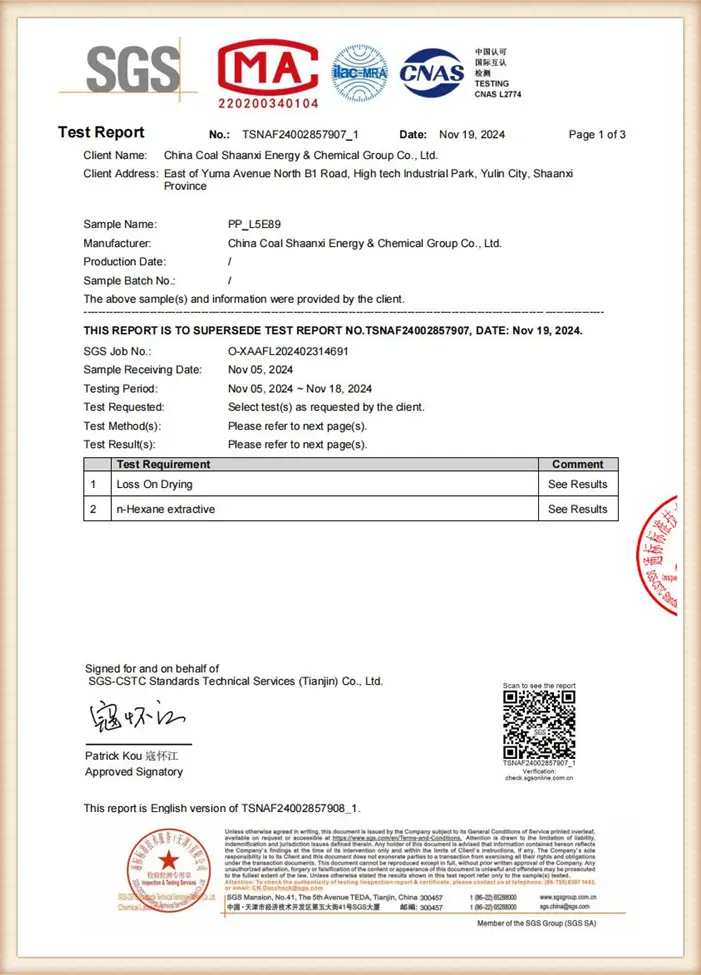
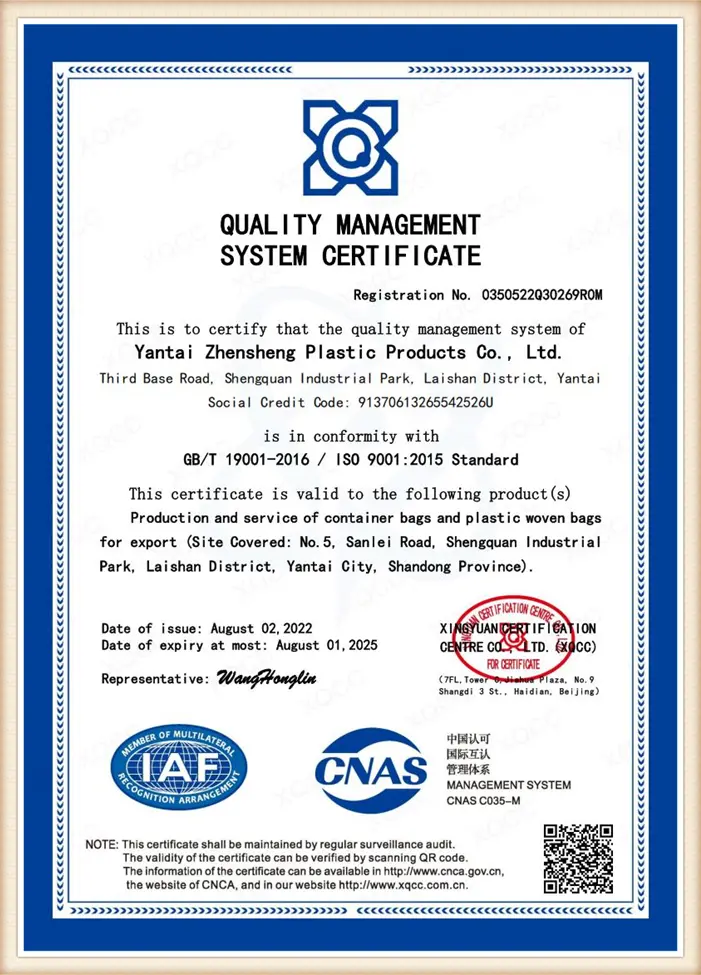
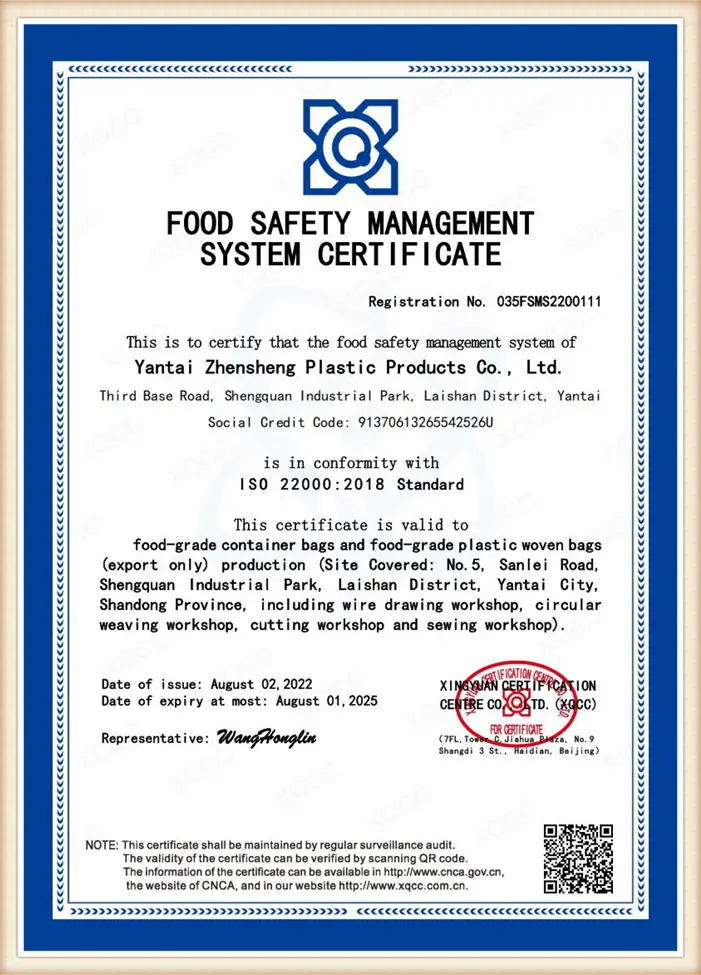
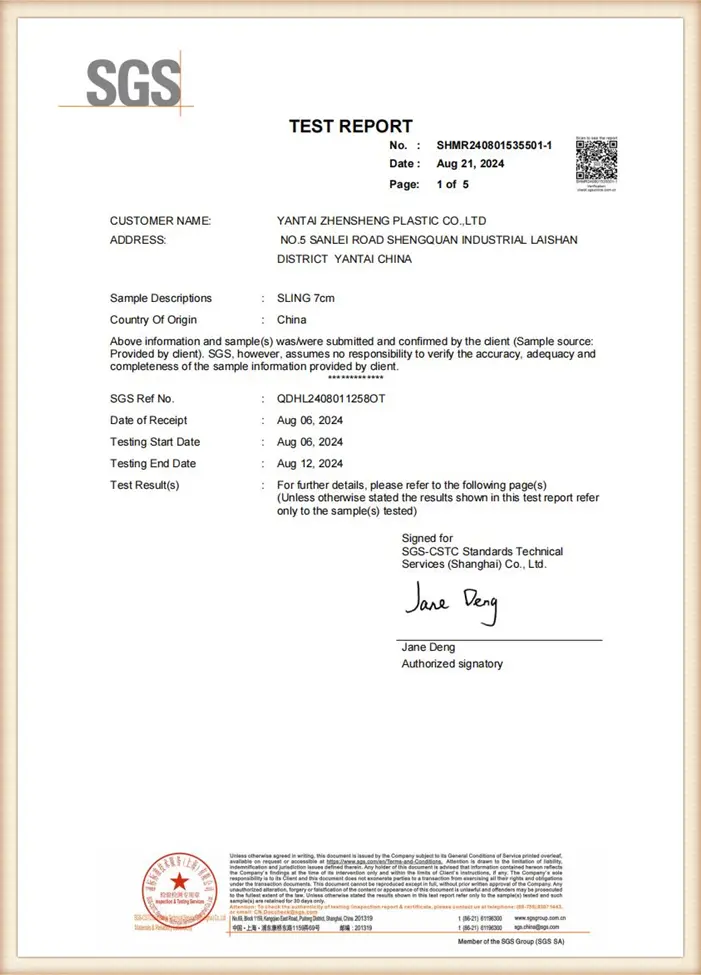
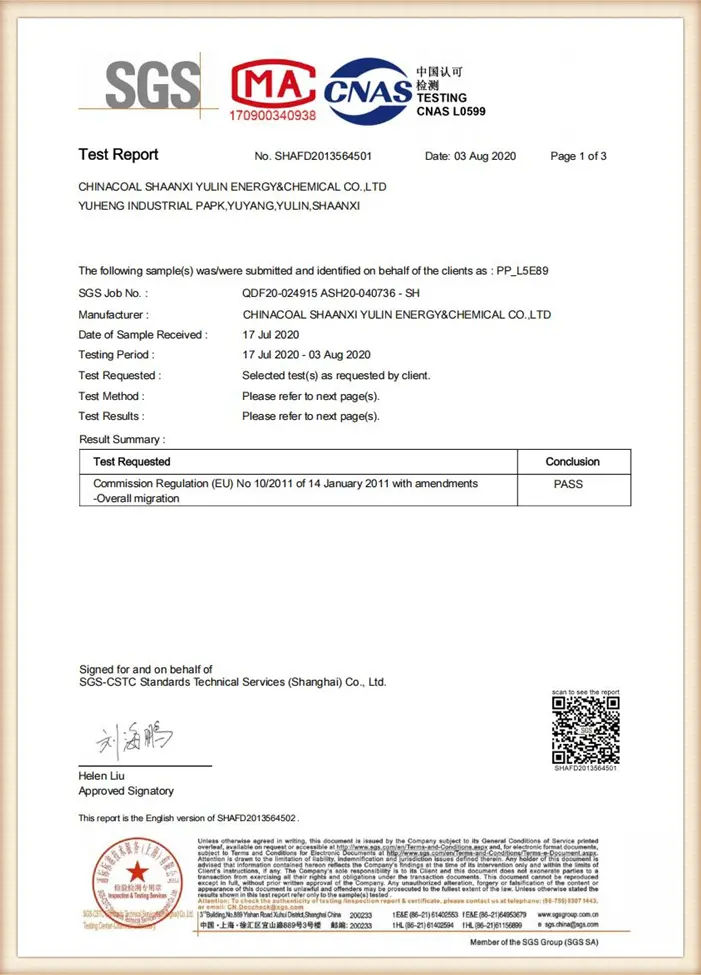
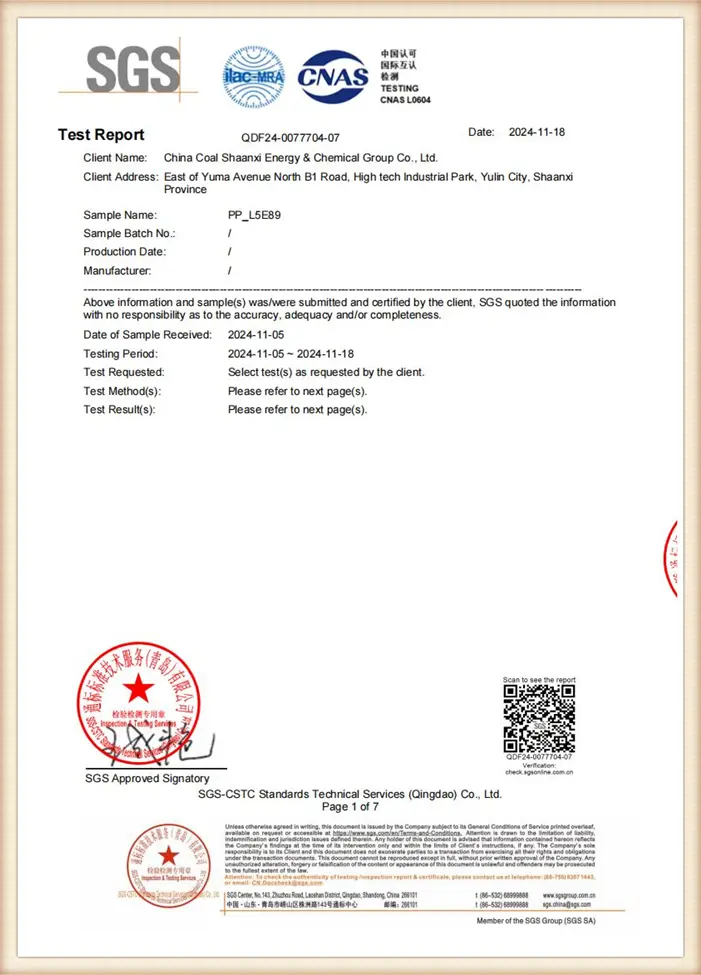
certificate (1)
certificate (2)
certificate (3)
certificate (4)
certificate (5)
certificate (6)

Frequently Asked Questions

Q1
What is a Type C conductive bag and how does it differ from other FIBC types?
A Type C conductive bag (groundable conductive FIBC) is woven with interconnected conductive threads throughout the fabric and lifting slings, allowing static electricity to be safely discharged to the ground via a grounding cable. Unlike Type A (no protection) or Type B (limited protection) bags, Type C bags actively dissipate static charge, making them suitable for use around flammable vapors, gases, and combustible dusts.
Q2
What is the surface resistance requirement for Type C conductive bags?
The surface resistance of Type C conductive bags is strictly controlled to be below 10⁷Ω. This ensures compliance with international electrostatic safety standards and guarantees effective dissipation of static charge during the loading, unloading, and transportation of materials.
Q3
Is grounding mandatory when using Type C conductive bags?
Yes, grounding is absolutely essential when using Type C conductive bags. The bag must be connected to a proper earth ground before filling or discharging. Without grounding, the conductive filaments cannot form a discharge channel, which means static electricity will not be safely dissipated and the risk of ignition remains.
Q4
Can Type C conductive bags be customized in size, capacity, and style?
Yes, Type C conductive bags fully support customization. The size, style, load-bearing capacity, inlet/outlet configuration, and other parameters can all be adjusted based on material characteristics, loading requirements, and specific usage scenarios. Options such as leak-proof stitching and PE inner bags are also available for additional dust barrier and leak-proof performance.
Q5
What materials are Type C conductive bags made from?
The bag body is primarily made from high-strength polypropylene (PP) material interwoven with conductive filaments. This combination provides excellent tear resistance and chemical corrosion resistance, making the bags durable for use in demanding industrial environments such as chemical, pharmaceutical, metallurgical, and new energy sectors.
Q6
Which industries are Type C conductive bags most suitable for?
Type C conductive bags are most suitable for industries where static electricity poses a significant safety risk. Key sectors include the chemical industry (flammable powders and solvents), pharmaceutical industry (sensitive intermediates and excipients), new energy and metallurgy (lithium battery materials, metal powders), as well as food additives, feed additives, and ore powder packaging in environments with combustible dusts.
Related Products