Q
What is the standard load capacity of a circular FIBC bag?
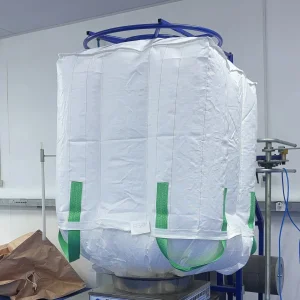
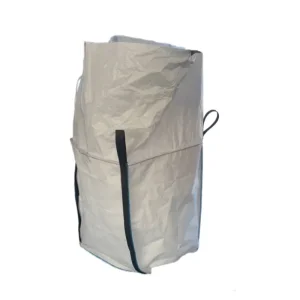
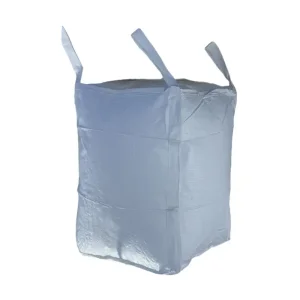
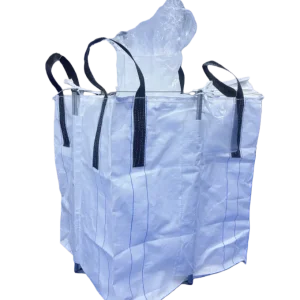
Circular FIBC bags have a standard load capacity ranging from 0.5 to 2 tons, with a safety factor of up to 5:1, making them suitable for a wide range of industrial bulk material handling applications.
Q
Why does a circular FIBC bag offer better tear resistance than a square FIBC?
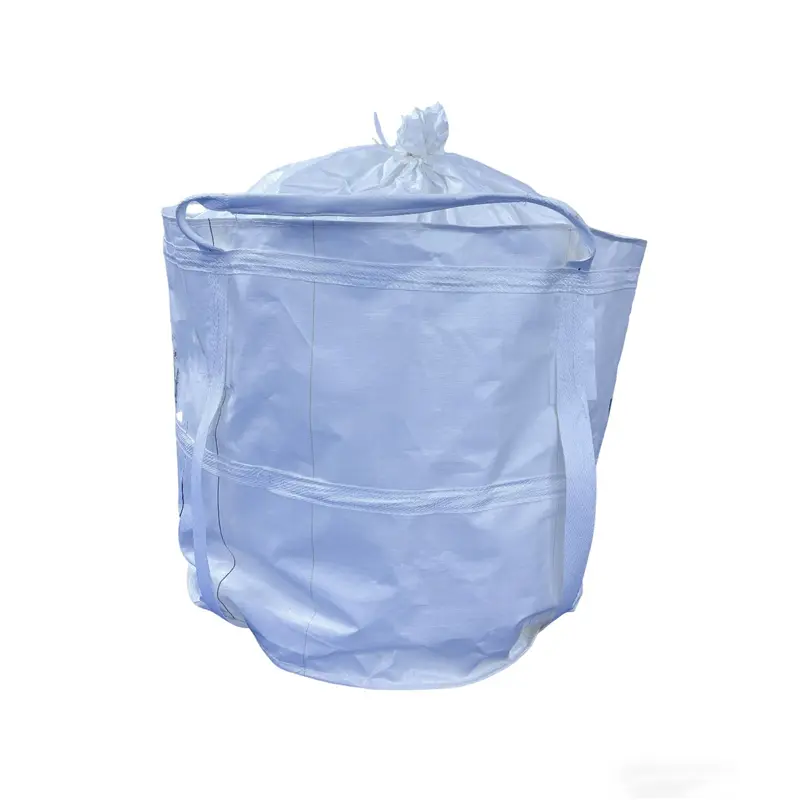
The seamless side design of circular FIBC bags ensures uniform force distribution across the entire bag body, eliminating stress concentration points found at the corners of square FIBCs, resulting in superior tensile and tear resistance.
Q
Can the dimensions of circular FIBC bags be customized?
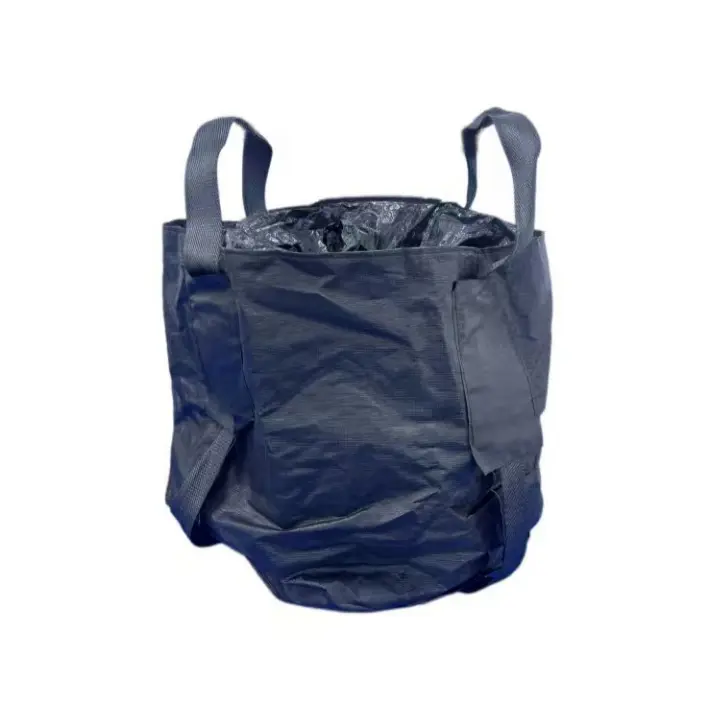
Yes, dimensions including diameter and height can be fully customized to meet specific requirements. Additional options include dust covers, leak-proof inner linings, flat bases, cross-bottom reinforcements, conical discharge ports, and custom brand or safety label printing.
Q
What types of materials are circular FIBC bags suitable for?
Circular FIBC bags are suitable for a wide variety of materials, including powdery materials (cement, fly ash, flour, starch, resin powder) and granular materials (plastic particles, fertilizer granules, feed pellets). Special antistatic or acid-alkali resistant versions are also available for chemical and mineral applications.
Q
How do circular FIBC bags improve loading and unloading efficiency?
The cylindrical shape naturally matches the discharging form of silos and conveyor equipment, preventing material arching during loading and enabling smoother, more complete discharging with significantly reduced material residue inside the bag.
Q
Are circular FIBC bags reusable?
Yes, the smooth, dead-angle-free interior of circular FIBC bags makes it easy to clean residual materials, allowing the bags to be used for multiple turnovers and reducing overall packaging costs.
 Zhensheng