Frequently Asked Questions (FAQ)
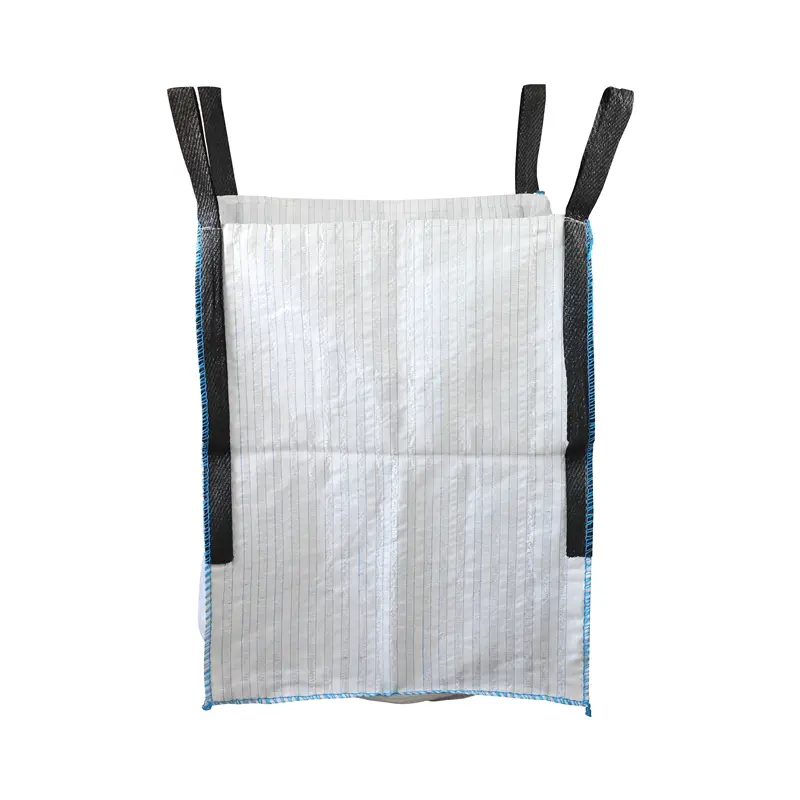
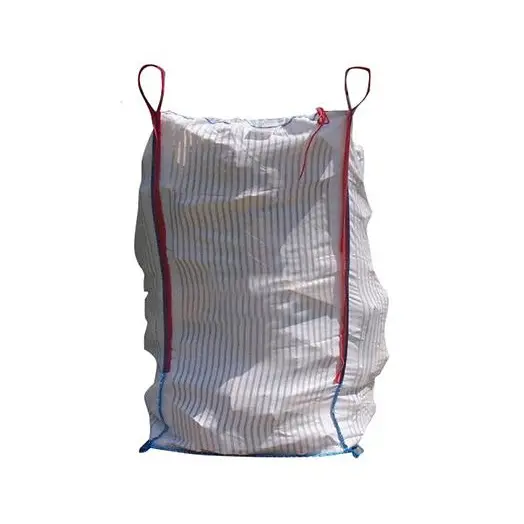
Q What makes this FIBC bag breathable?
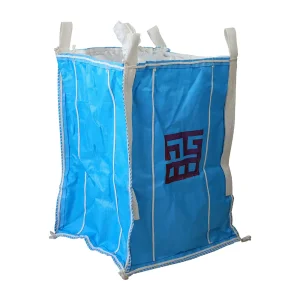
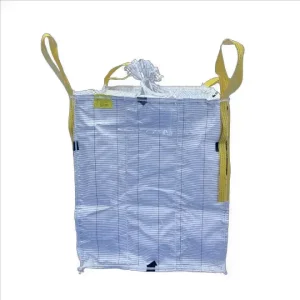
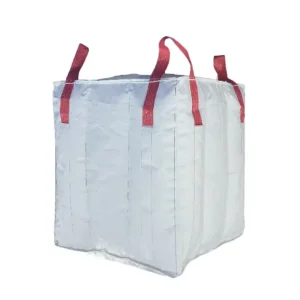
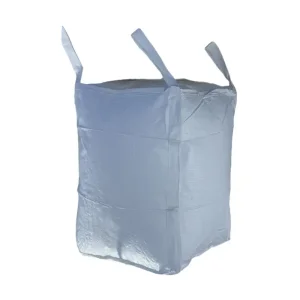
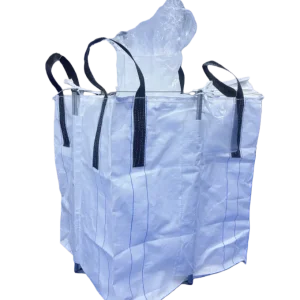
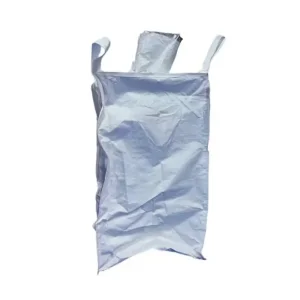
The bag fabric features a built-in breathable structure with striped air vents woven into the PP material. These vents allow moisture and heat to escape naturally, keeping the contents dry and preventing mildew or caking during storage and transport.
Q What is the maximum load capacity of this ventilated FIBC bag?
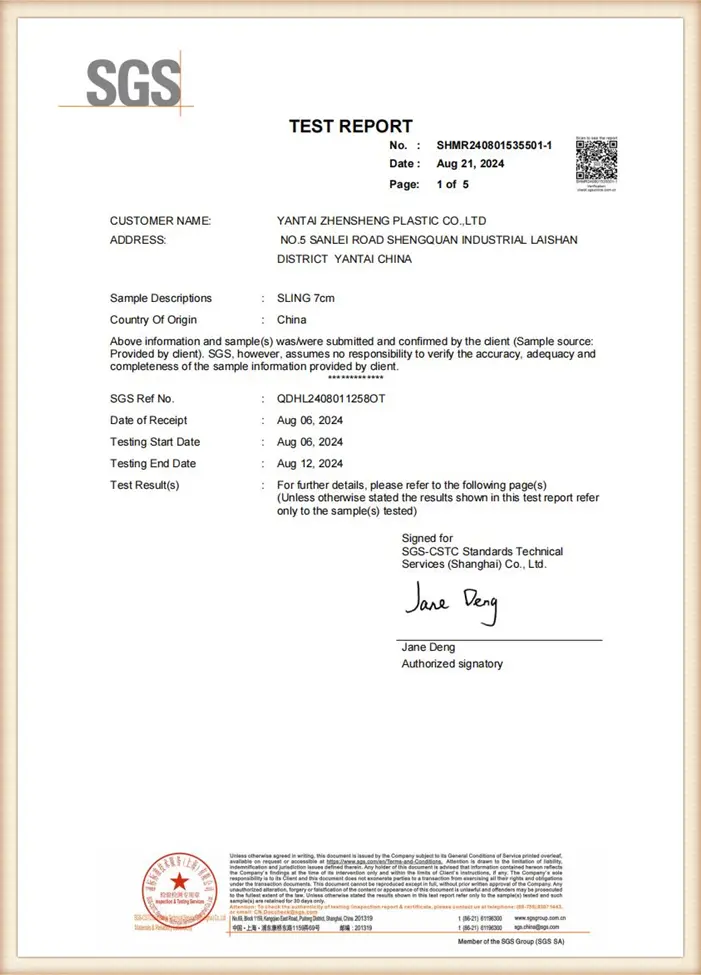
This FIBC bag has a standard load capacity of 1–2 tons, with a safety factor of 5:1. It is engineered from new PP raw materials to ensure reliable performance when carrying heavy blocky or granular items.
Q Can the bag size and design be customized?
Yes. The bag dimensions, sling types, and structural features (such as adding a discharge port) can all be customized to meet your specific requirements. Custom printing of brand logos and material information is also available.
Q Which agricultural products are suitable for this ventilated FIBC?
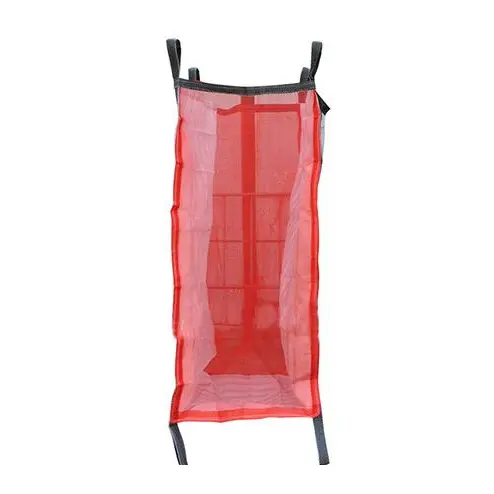
This bag is ideal for root crops and produce that require airflow during storage and transport, including potatoes, onions, sweet potatoes, and other similar agricultural products. The breathable design helps maintain freshness and prevents spoilage.
Q Is this bag suitable for building materials?
Absolutely. The ventilated FIBC is well-suited for packaging block materials such as wood and lightweight construction aggregates. Its breathable structure prevents moisture accumulation and mold growth, making it safe for hoisting and transportation on construction sites.
Q Can this FIBC be used for feed or dehydrated vegetables?
Yes. The ventilated FIBC is also applicable for bulk materials that require adequate airflow, such as animal feed and dehydrated vegetables. The breathable fabric structure helps preserve product quality by allowing air circulation and reducing humidity buildup inside the bag.
 Zhensheng