❓
What is a Type C conductive bag and how does it differ from regular FIBCs?
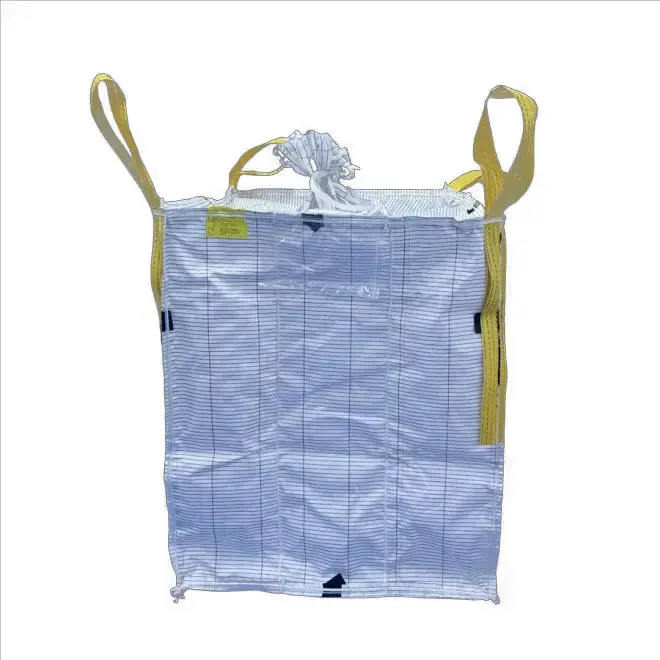
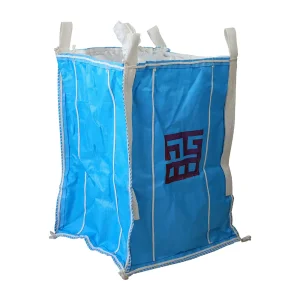
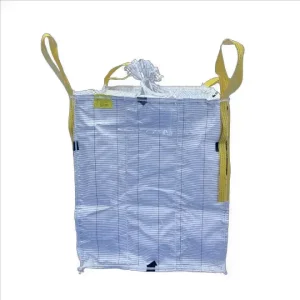
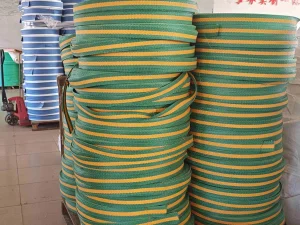
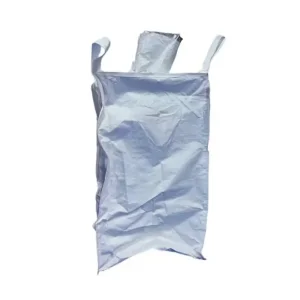
A Type C conductive bag (groundable conductive FIBC) is specifically engineered with interwoven conductive filaments in both the bag fabric and lifting slings. Unlike standard FIBCs, Type C bags must be grounded during filling and discharge operations to safely dissipate static electricity, making them suitable for use in flammable or explosive environments where regular FIBCs would pose a serious safety risk.
❓
What surface resistance standard does the Type C conductive bag meet?
The surface resistance of Type C conductive bags is strictly controlled to below 10⁷Ω, in compliance with international electrostatic safety standards. This ensures effective and reliable dissipation of static charges generated during material handling, preventing dangerous electrostatic discharge events.
❓
In which industries are Type C conductive bags most commonly used?
Type C conductive bags are widely used across multiple high-risk industries, including the chemical industry (flammable powders, pigments, resins), pharmaceutical industry (intermediates, excipients), new energy and metallurgy (lithium battery materials, metal powders), as well as food additives, feed additives, and ore powder packaging — particularly in environments with combustible dusts or flammable vapors.
❓
Can Type C conductive bags be customized to specific requirements?
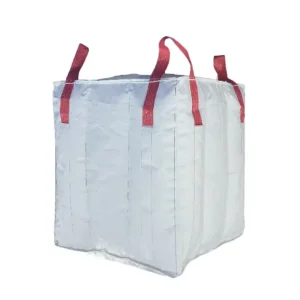
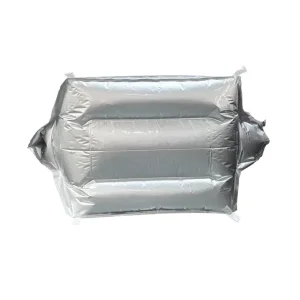
Yes, Type C conductive bags fully support customization. The size, style, load-bearing capacity, and other parameters can all be adjusted based on material characteristics, loading requirements, and specific usage scenarios. Options such as leak-proof stitching and PE inner bags can also be added to meet dust barrier and leak-proof needs.
❓
Is grounding mandatory when using a Type C conductive bag?
Yes. Proper grounding is essential for Type C conductive bags to function safely. The conductive filaments woven into the bag fabric and slings must be connected to a grounding point during all filling and discharge operations. Without proper grounding, the electrostatic protection function cannot be activated, and the bag should not be used in explosive or flammable environments.
❓
What material is used in Type C conductive bags and what are its advantages?
The bag body of Type C conductive bags is made from high-strength polypropylene (PP) material. This provides excellent tear resistance, durability, and chemical corrosion resistance, making it suitable for handling a wide range of industrial powders and granules. The integration of conductive filaments does not compromise the structural integrity or load-bearing performance of the bag.
 Zhensheng