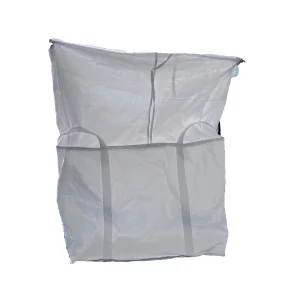
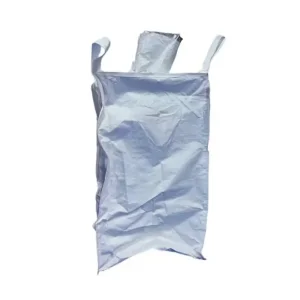
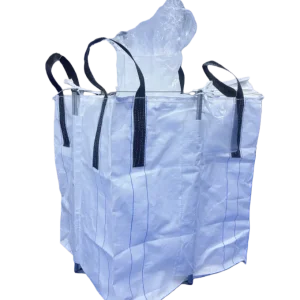
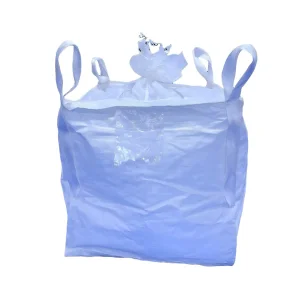
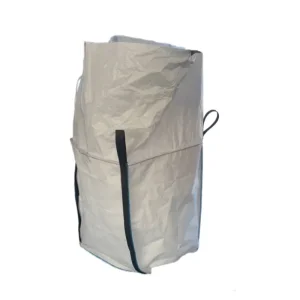
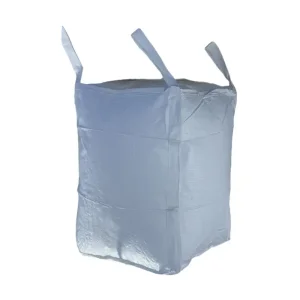
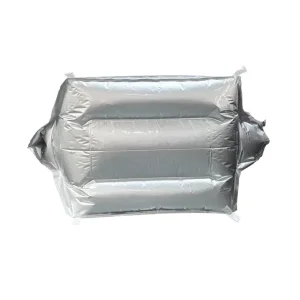
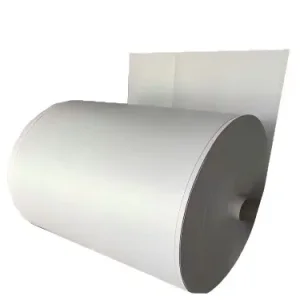
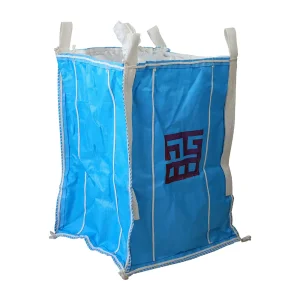
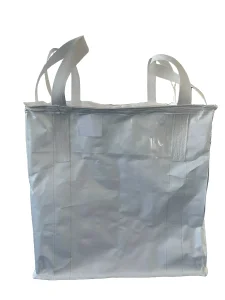
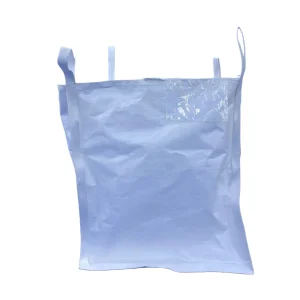
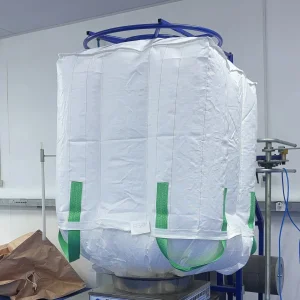
Transporting asphalt and bitumen presents unique thermal challenges. Traditional polypropylene bags often fail when subjected to hot-fill temperatures ranging from 110°C to 150°C. Modern OEM asphalt FIBC bags utilize multi-layer composite structures, incorporating heat-stabilized polymers and high-barrier aluminum foil liners to ensure structural integrity during the cooling phase.
The shift from traditional steel drums to Flexible Intermediate Bulk Containers (FIBCs) in the asphalt industry is driven by logistical efficiency. FIBCs offer a 25% reduction in shipping costs and are 100% recyclable, aligning with the global infrastructure sector's push toward green building materials and carbon neutrality.
From the massive road expansions in Southeast Asia to the maintenance projects in North America, the demand for "Melt-In" bags—where the bag and the bitumen can be processed together—is skyrocketing. This "zero-waste" approach is revolutionizing how onsite paving operations handle raw materials.
Founded in 1988, Yantai ZS Bulk Bags Manufacturing Co., Ltd. represents the pinnacle of Chinese industrial packaging expertise. With over 30 years of dedication, the company has transitioned from a traditional workshop to a high-tech powerhouse. Operating two modern production bases in Laishan and Muping districts, ZS Bulk Bags covers a total area of 60,000 square meters.
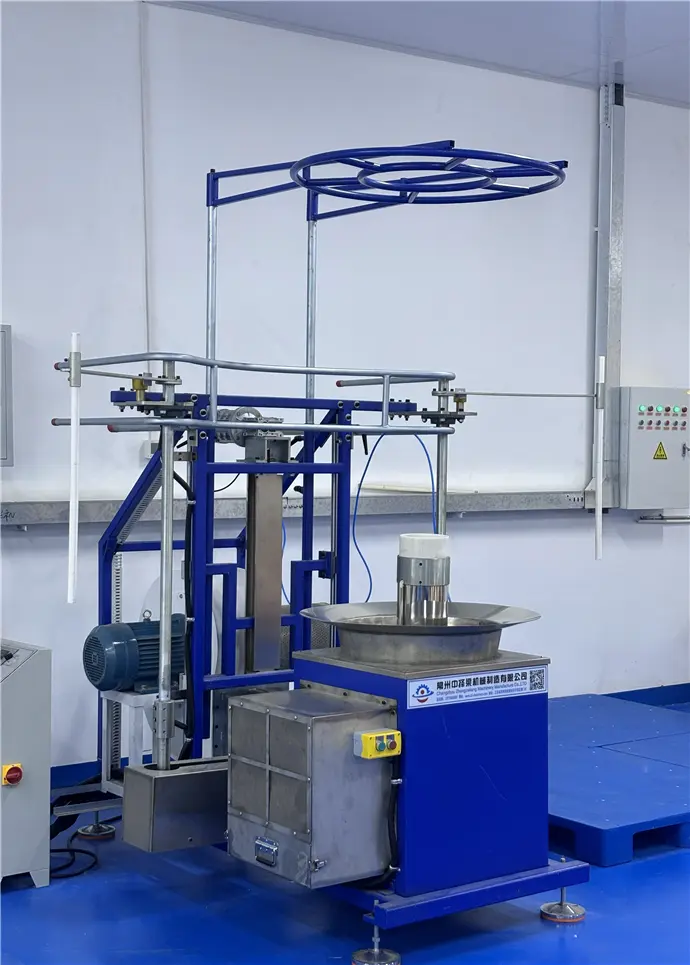
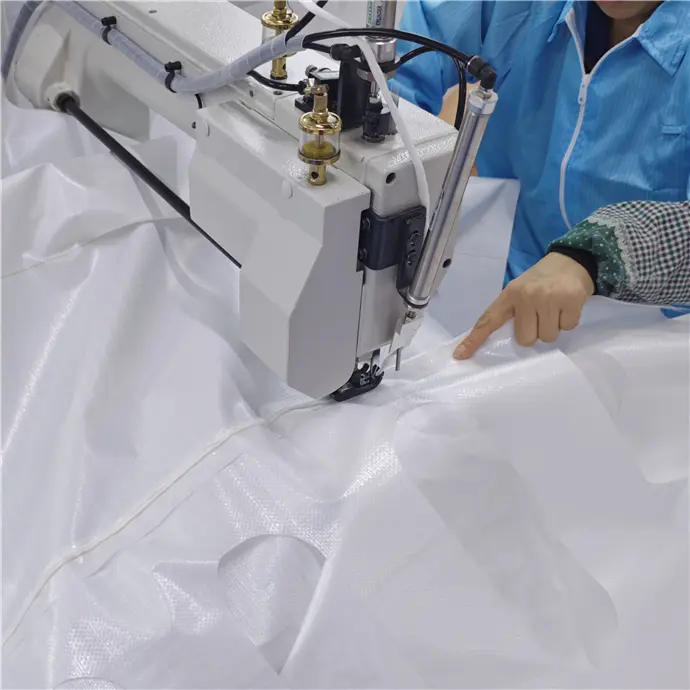
The core advantage of a Chinese factory lies in supply chain vertical integration. From raw material drawing and weaving to ultrasonic cutting and dust-free sewing, every step is controlled under one roof. This ensures that high-temperature resistant bags meet the rigorous safety factors (5:1 or 6:1) required for heavy industrial use.
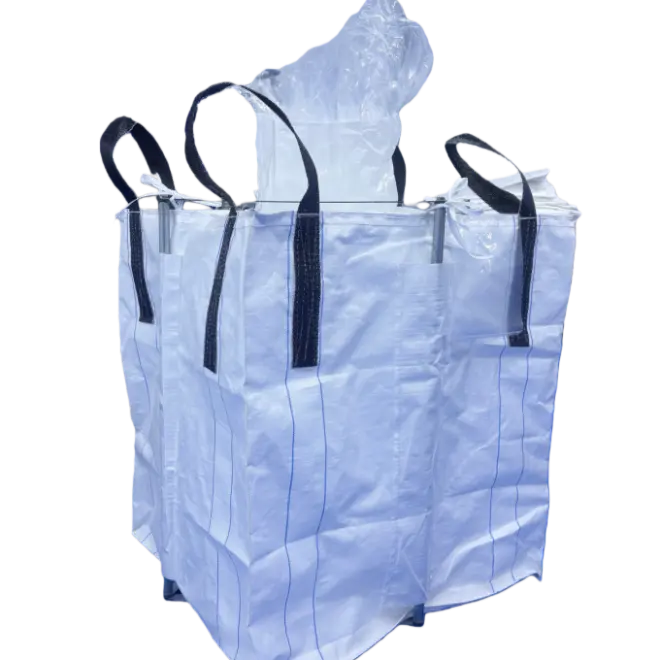
In regions where bitumen heating plants are unavailable, asphalt FIBC bags allow for the transport of solid bitumen blocks. These bags are UV-stabilized to withstand harsh desert or tropical sun exposure during onsite storage.
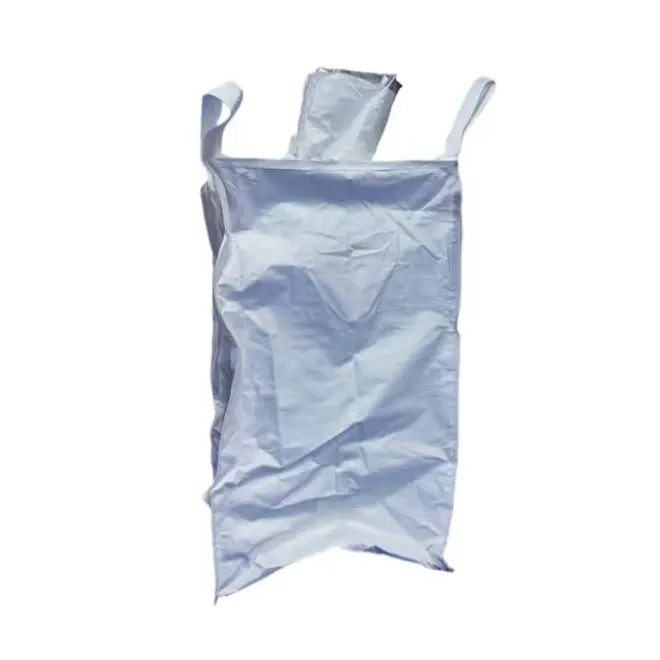
Advanced OEM bags feature aluminum foil liners that act as a superior moisture barrier and oxygen shield, preventing the oxidation of asphalt during long-term storage, which is critical for maintaining chemical properties.
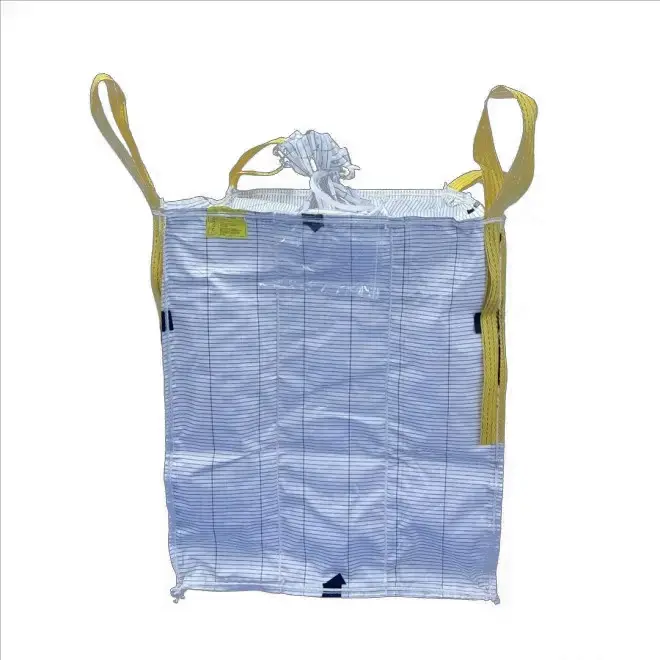
For specialized additives in the asphalt mix, our Type C Conductive FIBCs or Baffle Bags ensure that static electricity is discharged safely during the filling of dry granule modifiers.
Global procurement officers are moving away from "low-cost-only" sourcing toward Total Cost of Ownership (TCO) models. In the asphalt industry, a bag failure is catastrophic—not just for the product lost, but for the cleanup and environmental penalties involved. This has led to a surge in demand for ISO 22000 and ISO 9001 certified manufacturers who can provide traceable quality reports for every batch.
Another emerging trend is Smart Packaging. RFID-enabled FIBC bags are being trialed to track bitumen batches from the refinery to the road site, ensuring that the right grade of asphalt is used in the right section of the highway. Our factory is at the forefront of this integration, offering OEM services that include digital tracking compatibility.
Relying on solid technical accumulation and strict quality control, we have become a trusted choice for well-known enterprises both at home and abroad. We are committed to providing packaging solutions that carry trust and safeguard value for global customers. Our production environment meets ISO22000 Food Safety Management System standards, ensuring every FIBC leaving our factory is hygienic, dust-free, and free from any impurities.
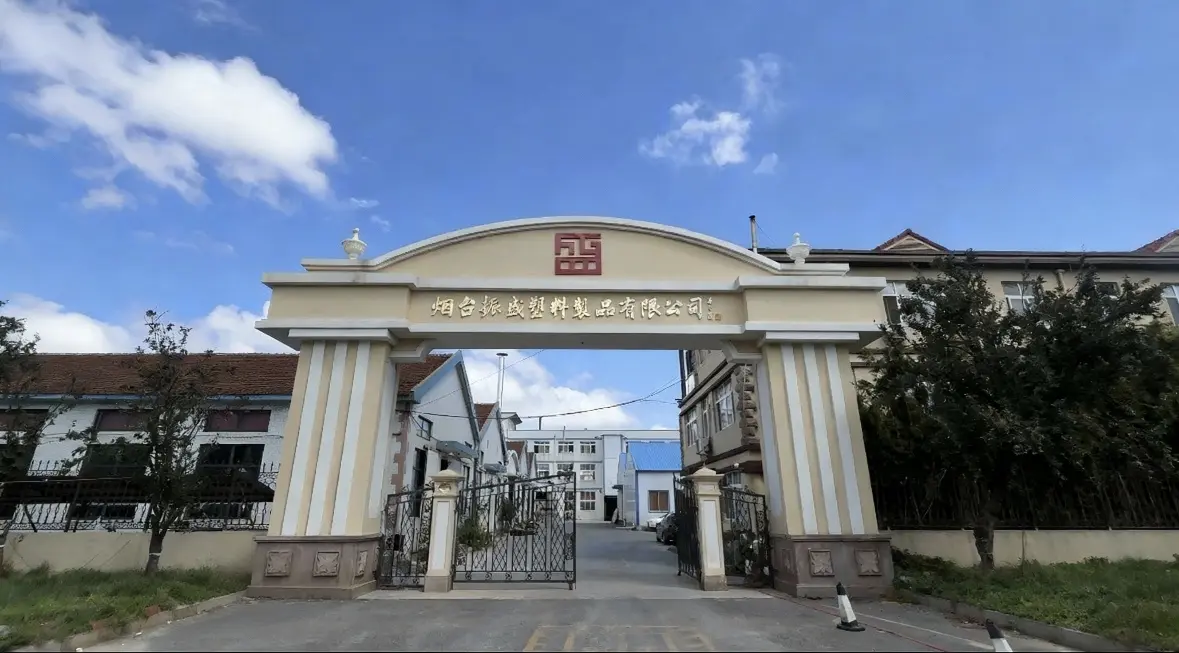
 Zhensheng