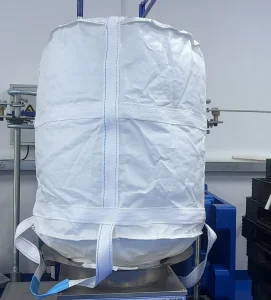
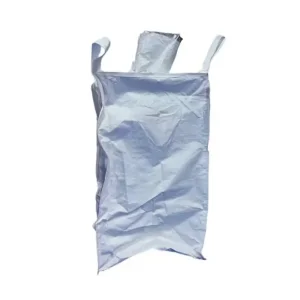
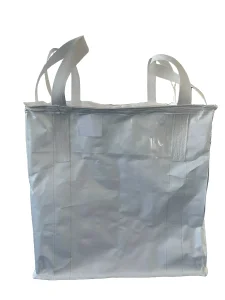
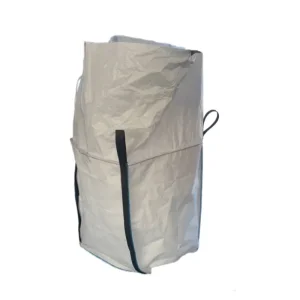
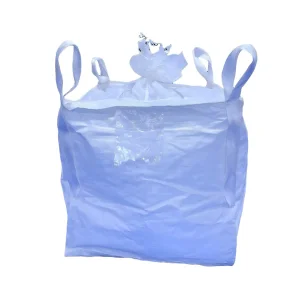
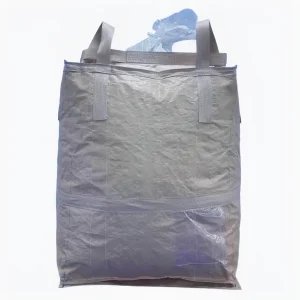
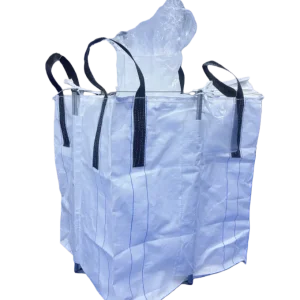
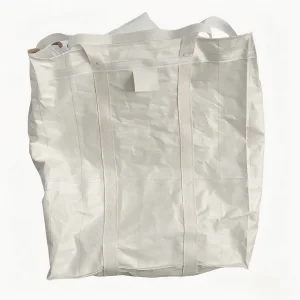
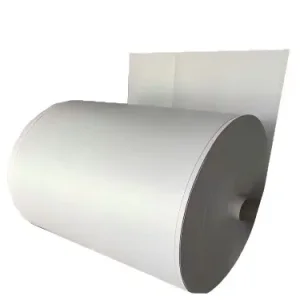
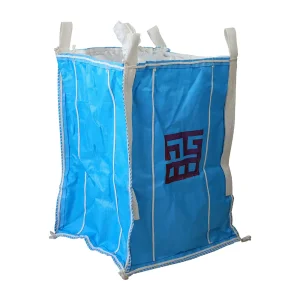
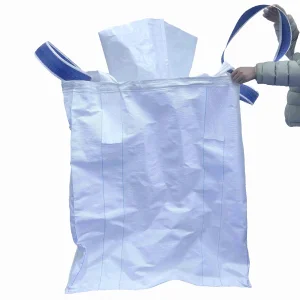
In the global construction and infrastructure sector, cement remains the backbone of development. However, the inherent hygroscopic nature of cementitious materials presents a significant logistical hurdle: Caking. Cement caking occurs when anhydrous compounds (like C3S and C3A) react with atmospheric moisture, leading to pre-hydration and the formation of hard lumps. This not only renders the material unusable for high-precision applications but also disrupts automated batching plants.
The current global commercial landscape for Anti-caking Cement FIBCs is shifting from simple storage toward "intelligent protection." Regions with high humidity, such as Southeast Asia, West Africa, and Northern Europe's coastal zones, report up to a 15% loss in cement quality during long-haul transport when standard packaging is used. Consequently, the demand for OEM Anti-caking FIBC quotes has surged, with engineers seeking multi-layered barrier technologies to ensure the "factory-fresh" quality of bulk cement upon delivery.
Utilization of high-density polyethylene (HDPE) and polypropylene (PP) with specialized coatings to reach ultra-low Water Vapor Transmission Rates (WVTR).
Adaptation for multimodal transport, including sea freight and rail, where temperature fluctuations cause condensation inside standard bags.
Transitioning toward recyclable barrier materials that meet ESG mandates without compromising the moisture shield integrity.
Founded in 1988, Yantai ZS Bulk Bags Manufacturing Co., Ltd. is a professional manufacturer specializing in the customized design and production of mid-to-high-end FIBCs. With over 30 years of dedication, we have become a trusted choice for well-known enterprises both at home and abroad. Our commitment is to provide packaging solutions that carry trust and safeguard value for global customers.
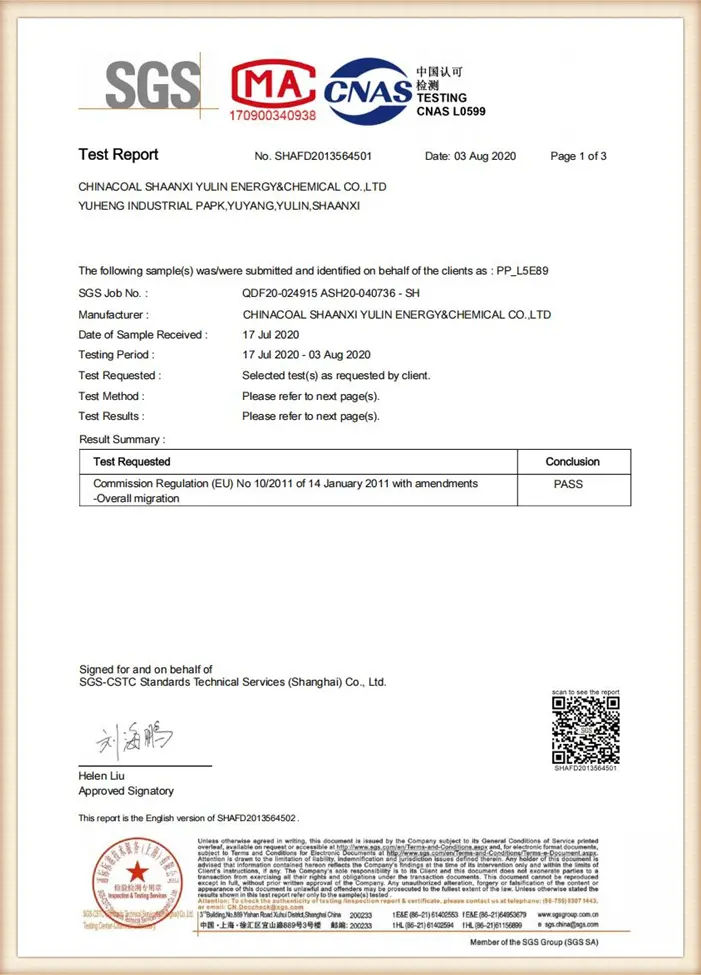
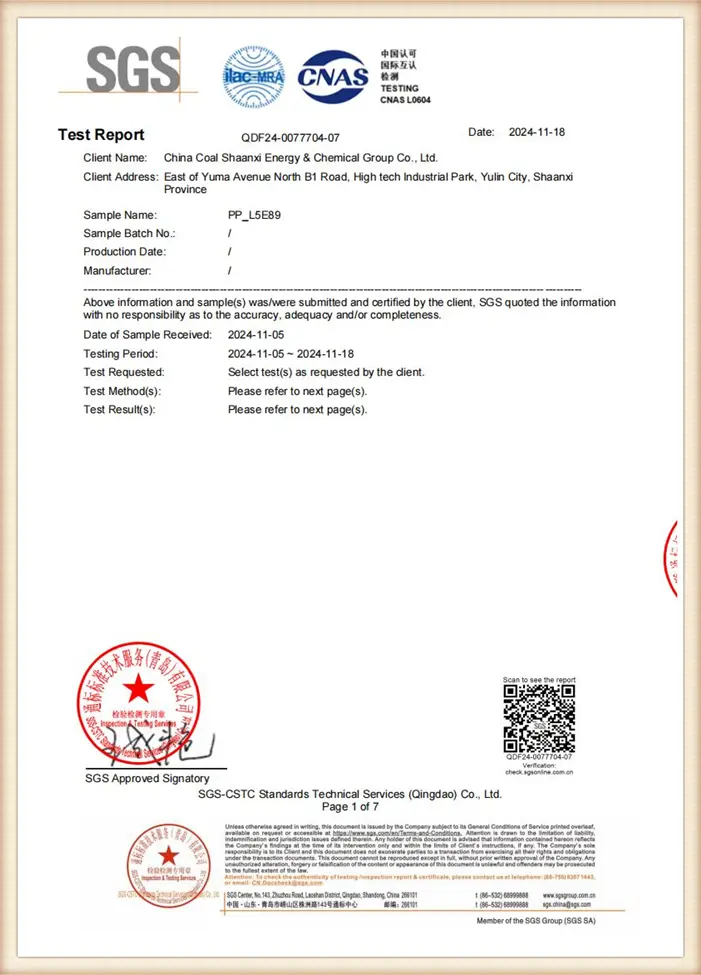
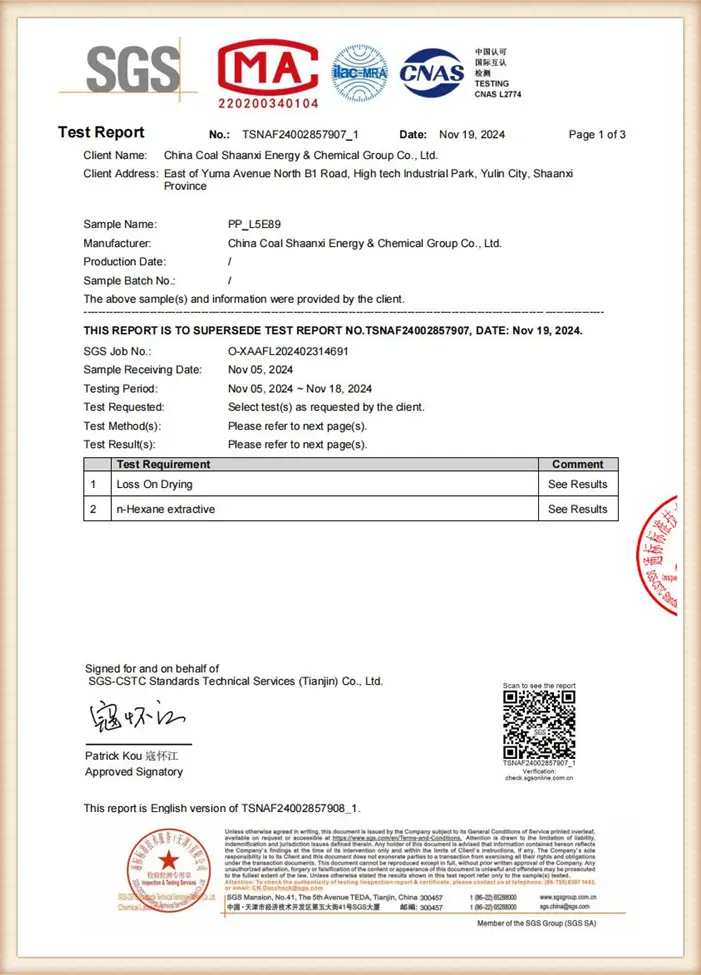
Especially for FIBCs designed for high-hygiene and moisture-sensitive applications, we use 100% virgin polypropylene raw materials. All technical specifications strictly comply with FDA standards for food-grade safety, ensuring that even industrial materials like cement are free from external contaminants. Our ultrasonic cutting technology effectively avoids fraying and dust issues, ensuring material cleanliness from the very first step.
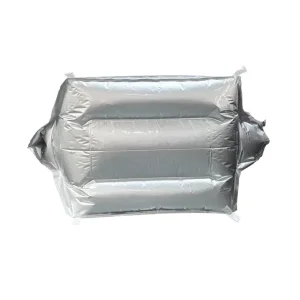
Moving from PE liners to 7-layer co-extruded films and Aluminum foil laminate liners to achieve near-zero moisture ingress.
Integration of RFID and humidity sensors to monitor the internal environment of the FIBC during transcontinental shipping.
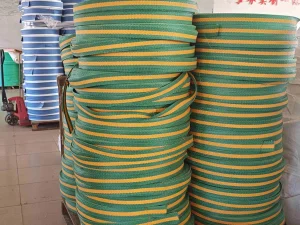
Enhanced tensile strength in lifting loops and seams using high-tenacity yarns to prevent leakage during high-pressure stackings.
Looking toward 2030, the Anti-caking FIBC industry is pivoting toward "Circular Design." This involves creating bags that are not only robust enough to prevent caking but are also 100% repolymerizable. At Zhensheng, our roadmap includes the implementation of AI-driven quality inspection, where high-speed cameras detect microscopic flaws in the weave that could compromise the moisture barrier.
Using 100% virgin PP to create high-tensile fabric base.
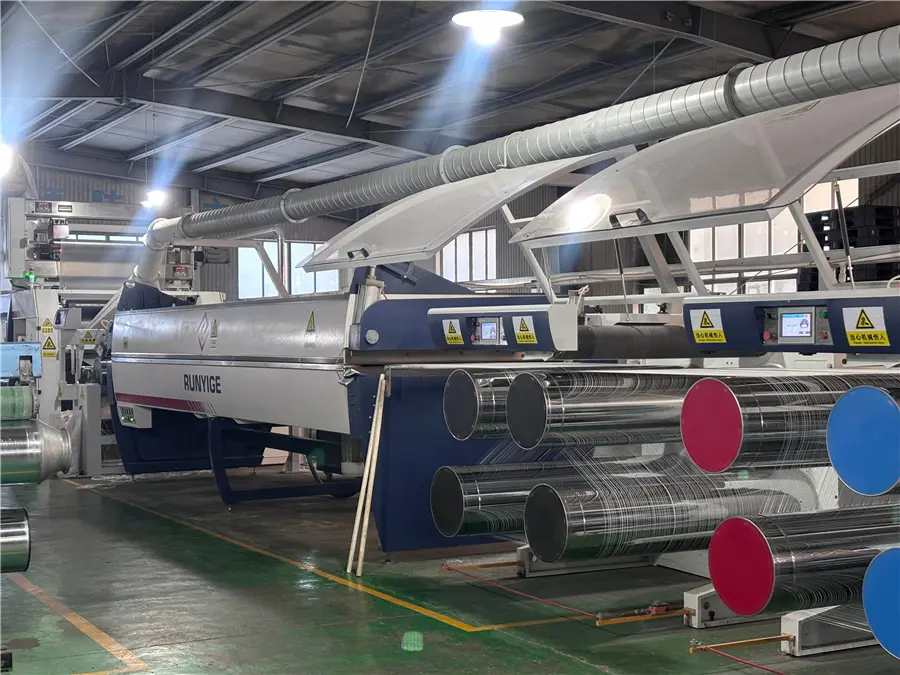
Ultrasonic cutting to prevent fraying and high-definition branding.
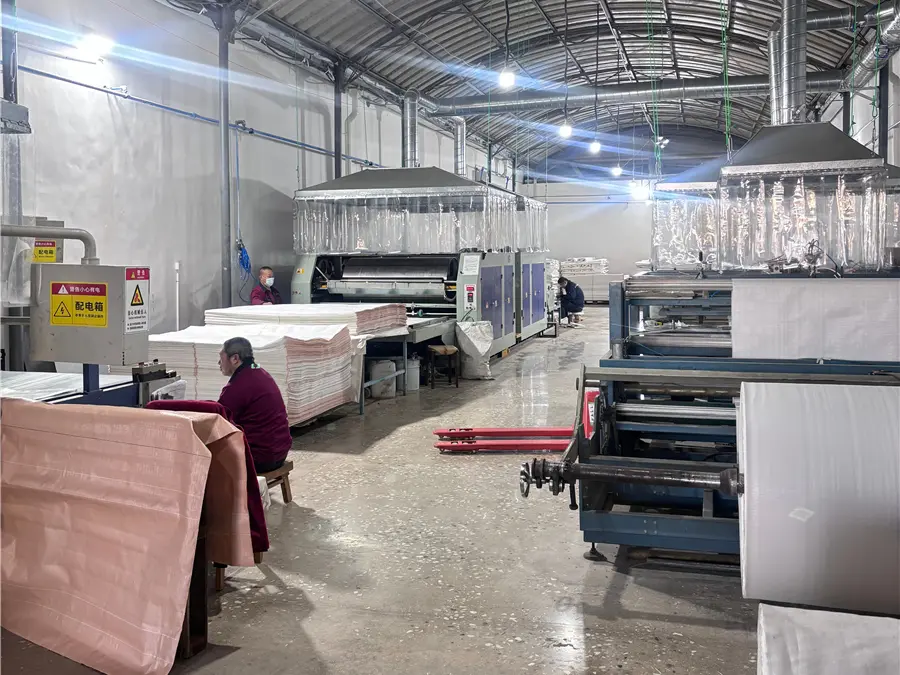
Conducted in a dust-free workshop to maintain high hygiene standards.
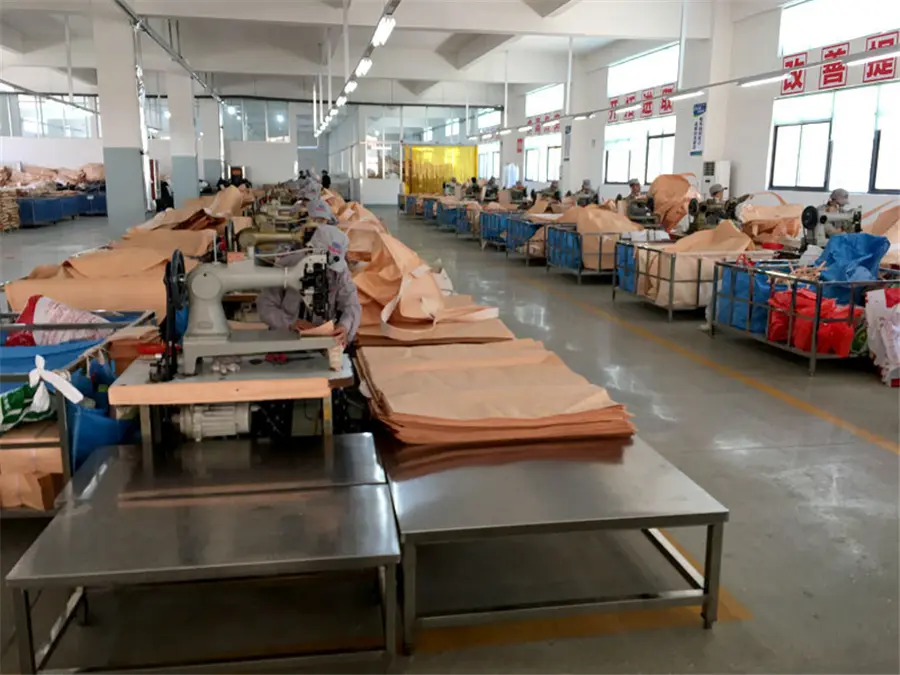
For large-scale infrastructure projects (dams, bridges, skyscrapers), we offer Systemic Packaging Integration. Instead of just supplying a bag, we coordinate with the client’s filling stations to optimize the spout dimensions and discharge mechanisms. This reduction in air exposure during filling is critical for anti-caking performance.
Bags featuring "Breathing Barriers" that allow air escape during filling but block moisture ingress during storage.
Low-temperature resistant additives prevent the fabric from becoming brittle in Siberian or Canadian winters.
Enhanced salt-spray resistant coatings for bags stored in port terminals with high salinity and humidity.
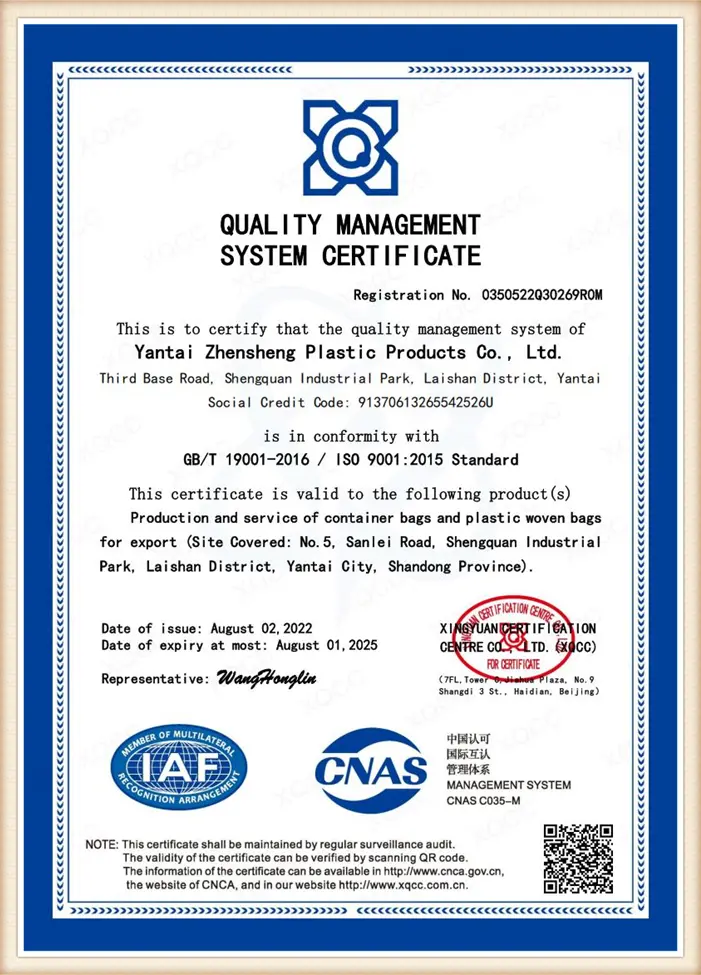
We strictly comply with the standards of ISO 9001 and ISO 22000 Food Safety Management System certifications.
 Zhensheng