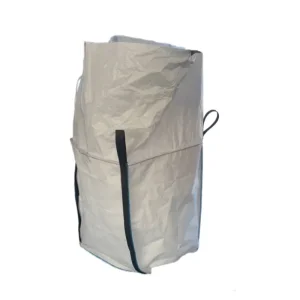
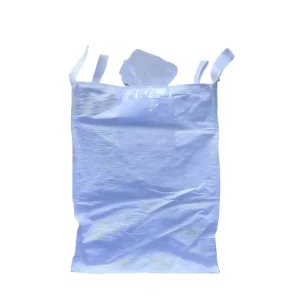
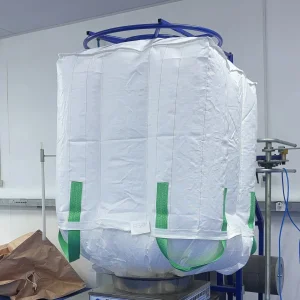
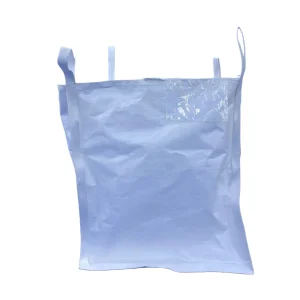
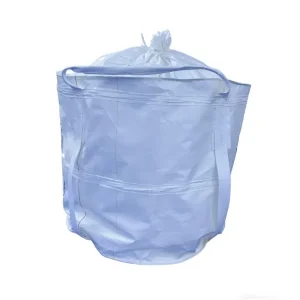
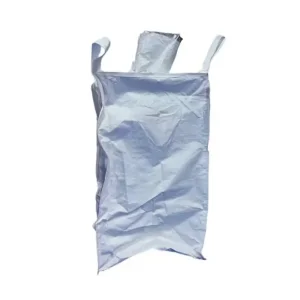
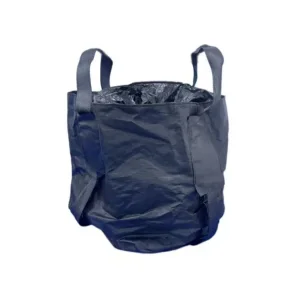
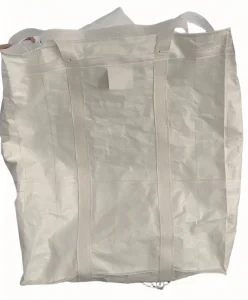
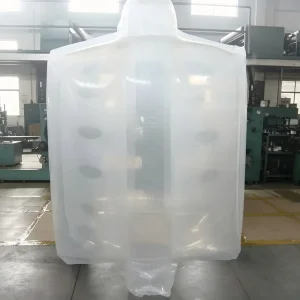
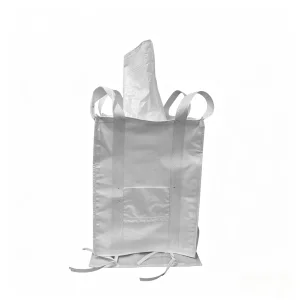
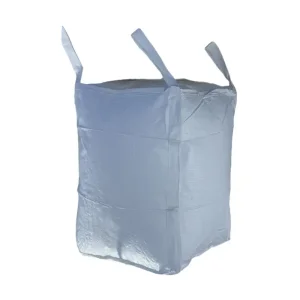
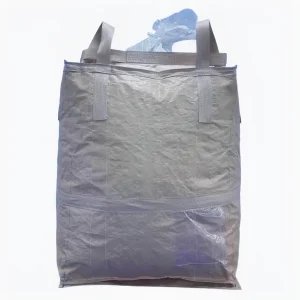
Engineered for safety, durability, and industrial efficiency.
In the contemporary global trade ecosystem, Flexible Intermediate Bulk Containers (FIBC), commonly known as ton bags or bulk bags, have transitioned from simple packaging to critical logistics infrastructure. As of 2024, the global FIBC market is witnessing a significant paradigm shift driven by stringent safety regulations, the rise of the circular economy, and the burgeoning demand for specialized materials handling in the chemical and mineral industries.
Industrial FIBC bags are no longer just about volume; they are about compliance. The CE Certification is a mandatory requirement for products entering the European Economic Area, signifying that the bulk bags meet high safety, health, and environmental protection requirements. For global procurement officers, sourcing from a CE-certified supplier is the first step in mitigating operational risk and ensuring that bulk materials—whether hazardous chemicals, lithium battery powders, or agricultural staples—are transported without catastrophic failure.
The global market is projected to reach USD 6.4 billion by 2028, fueled by infrastructure projects in Asia and the mining boom in South America.
Shift towards "Safety Factor 6:1" for multi-trip bags and rigorous testing for electrostatic discharge (Type C and D bags).
Increasing demand for rPP (recycled Polypropylene) bags and closed-loop recycling programs among Fortune 500 companies.
Yantai ZS Bulk Bags Manufacturing Co., Ltd., founded in 1988, epitomizes the "China Efficiency Advantage." While many global regions struggle with rising energy costs and fragmented supply chains, China’s FIBC industry—particularly in hubs like Yantai—benefits from a highly integrated industrial cluster. This allows for rapid prototyping, massive output stability, and cost-effective customization that is unmatched globally.
Our two modern production bases in Laishan and Muping districts cover 60,000 square meters, housing a complete closed-loop industrial chain. From raw material processing (drawing and weaving) to finished product manufacturing, we control quality and delivery efficiency at the source. This vertical integration ensures that a monthly output of 250,000 units is maintained with 100% traceability.
Years OEM Service
Production Area
Monthly Units
Global Customers
Understanding "User Intent" in FIBC procurement reveals a shift toward highly specialized technical specifications. Modern buyers are no longer searching for just "bulk bags"; they are searching for "high-barrier aluminum foil liners for pharmaceutical grade materials" or "conductive Type C bags for explosive chemical environments."
The rise of the EV industry has created a massive need for clean-room produced FIBCs for battery materials like Lithium Iron Phosphate (LFP) and Nickel Cobalt Manganese (NCM). These materials require bags that are free from metallic impurities and have excellent moisture barriers.
Automated filling and discharging stations are now standard in large-scale factories. FIBCs must have precise dimensional stability and standardized loops to ensure seamless interaction with robotic handlers, reducing human labor and increasing safety.
Advanced suppliers are integrating RFID and QR code tracking on every bag, allowing for real-time inventory management and quality assurance throughout the global supply chain.
UV-resistant, heavy-duty bags for copper and iron ore concentrates, capable of withstanding extreme solar radiation and harsh port environments.
Baffle bags for grain exports, maximizing container space utilization (up to 30% increase) by maintaining a square shape after filling.
Aluminum foil-lined bags produced in ISO 22000 workshops to ensure zero contamination and superior high-barrier protection.
From raw granule to high-performance bag.
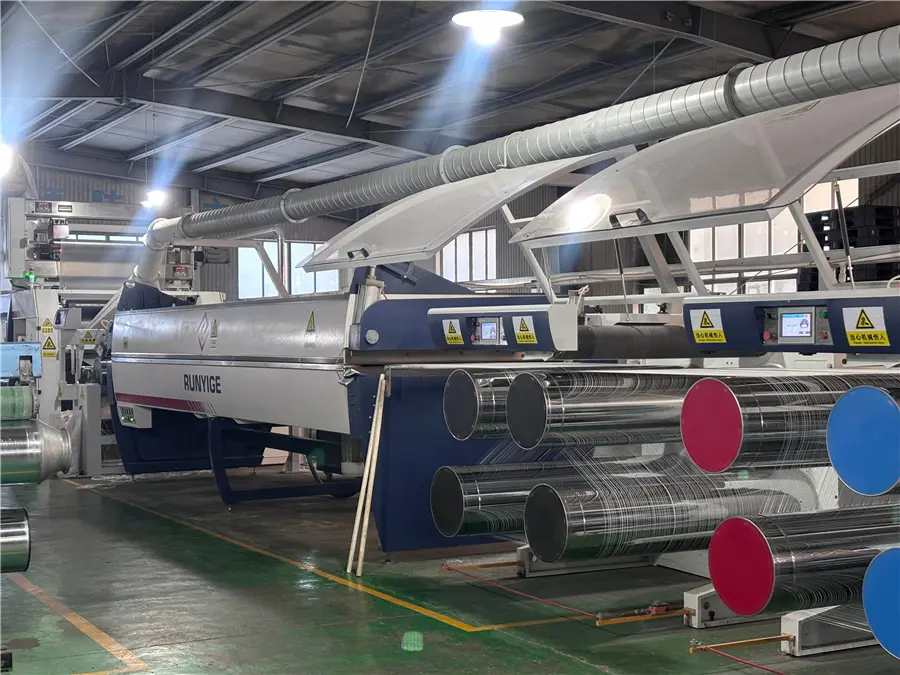
Drawing
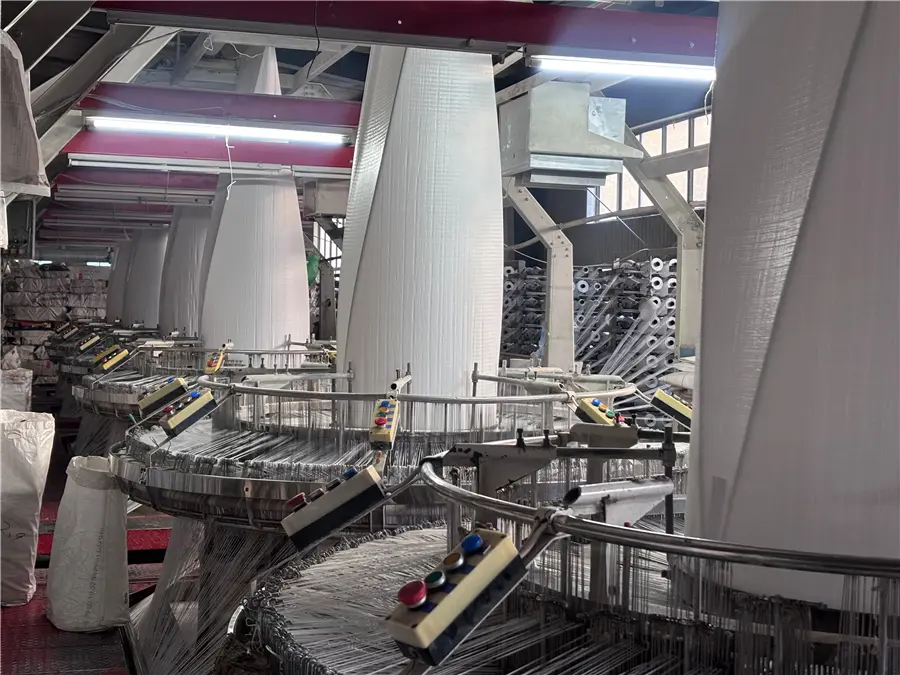
Weaving
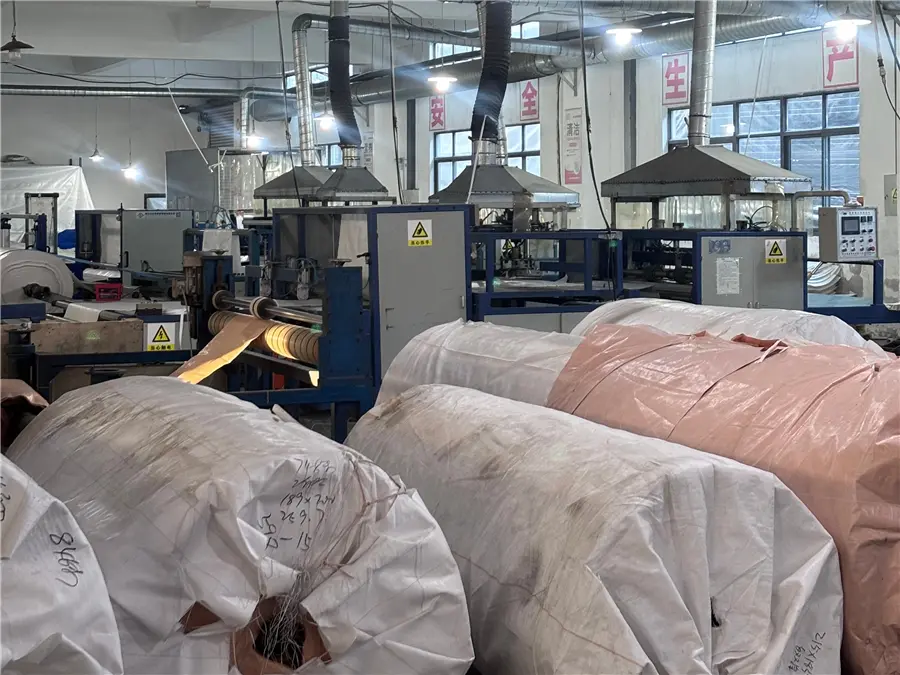
Cutting
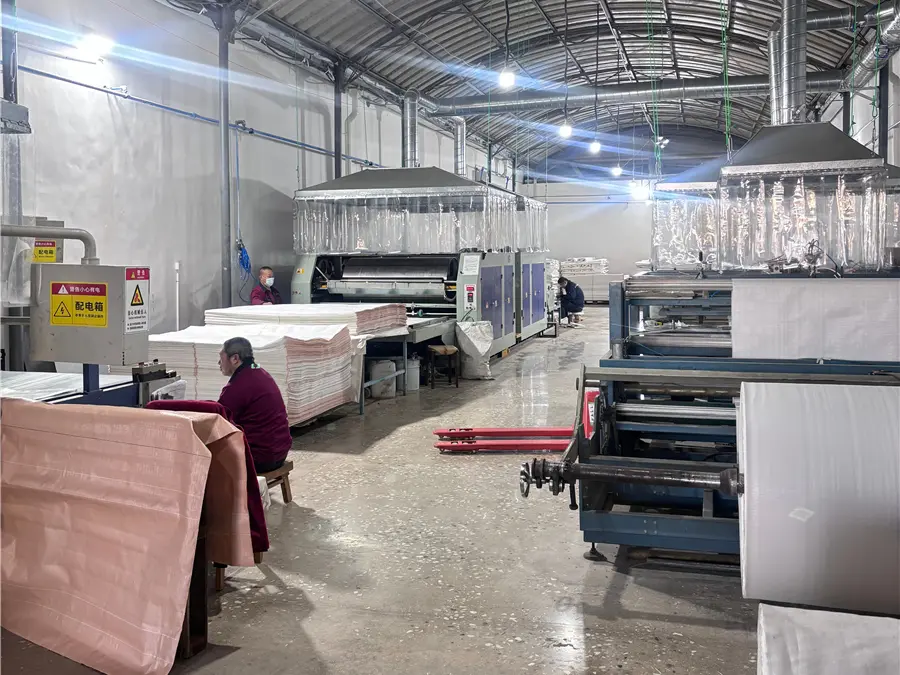
Printing
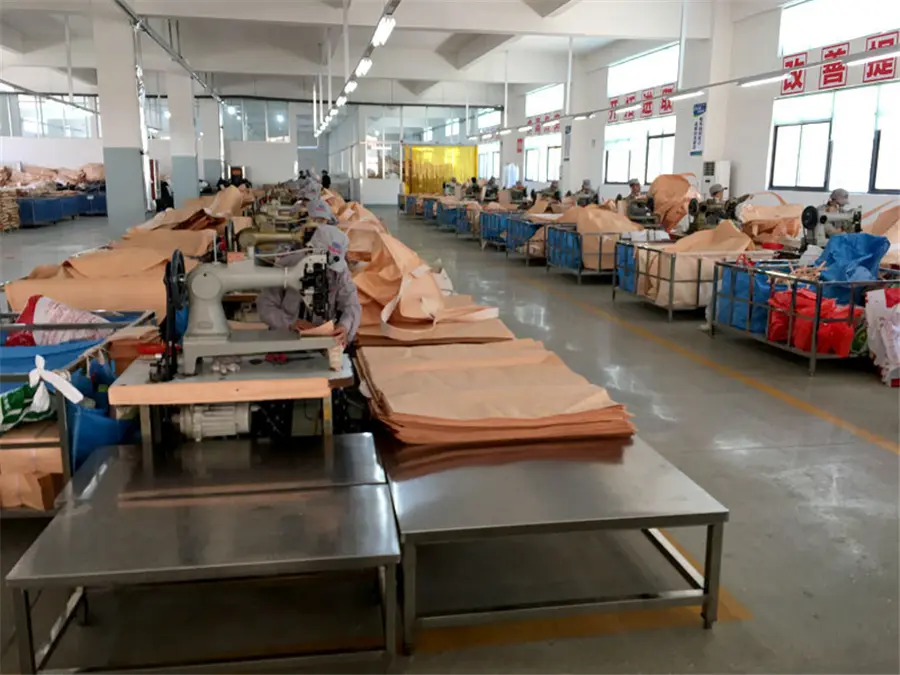
Sewing
 Zhensheng