Zhensheng
1 / 5
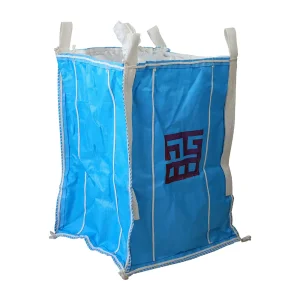
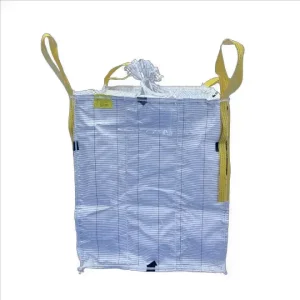
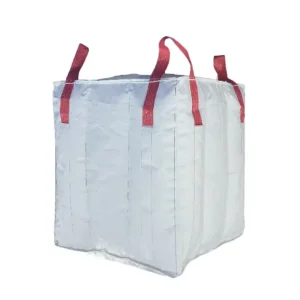
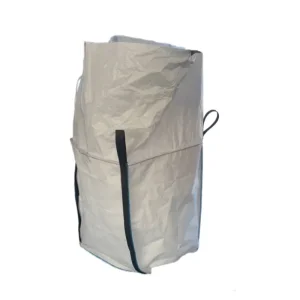
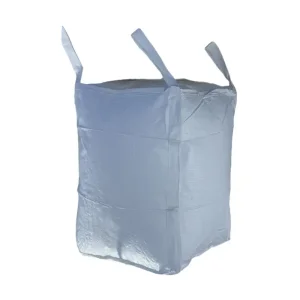
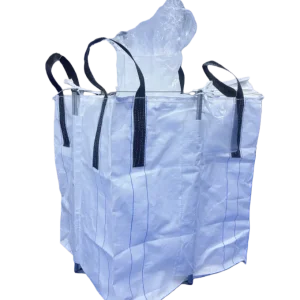
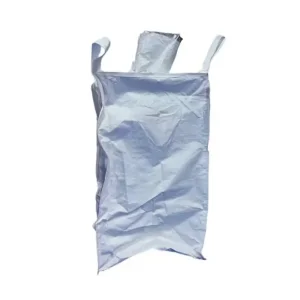
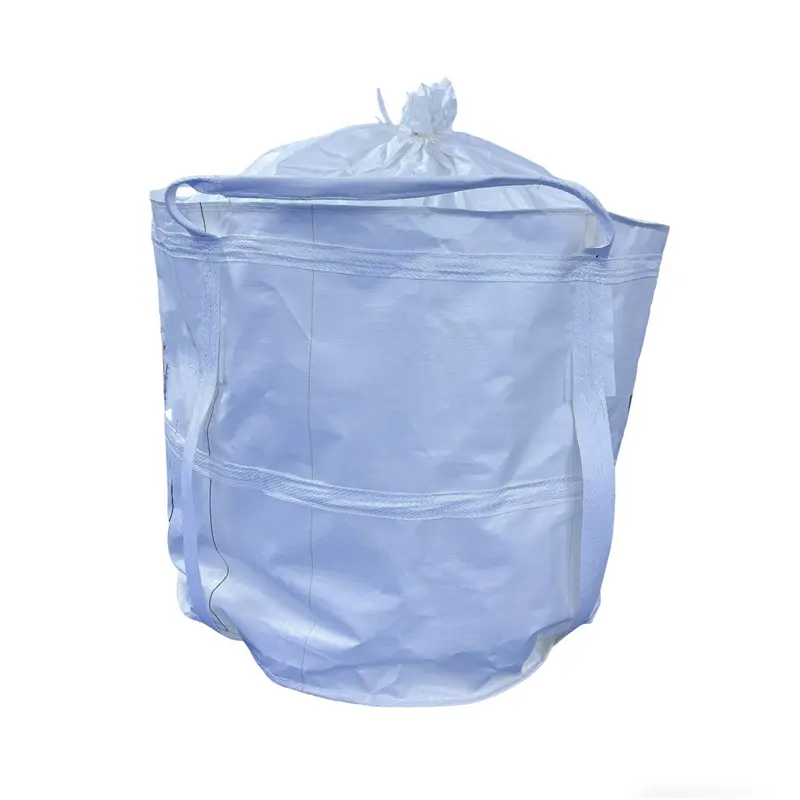
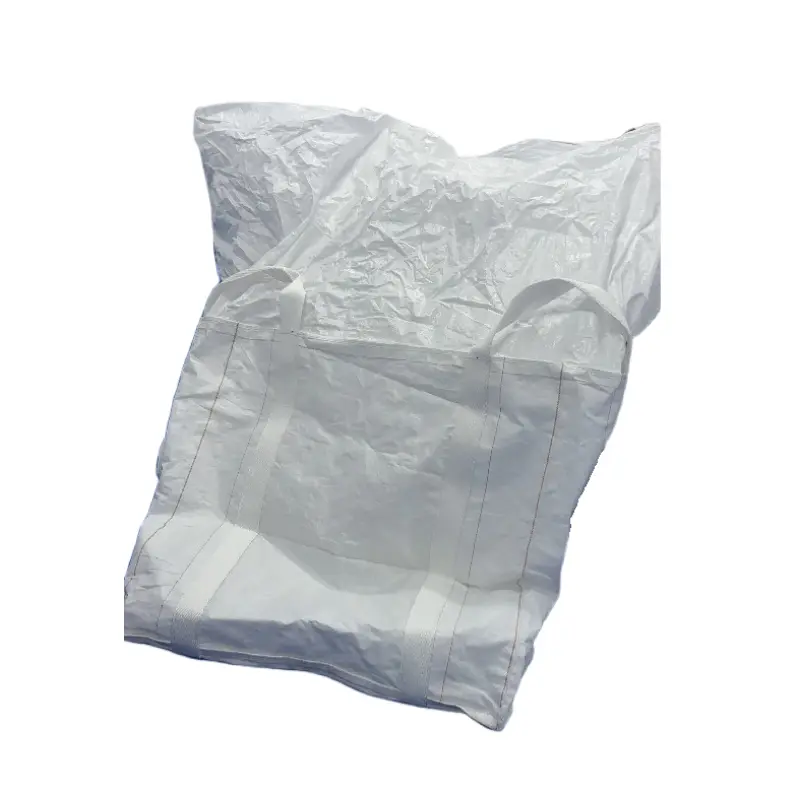
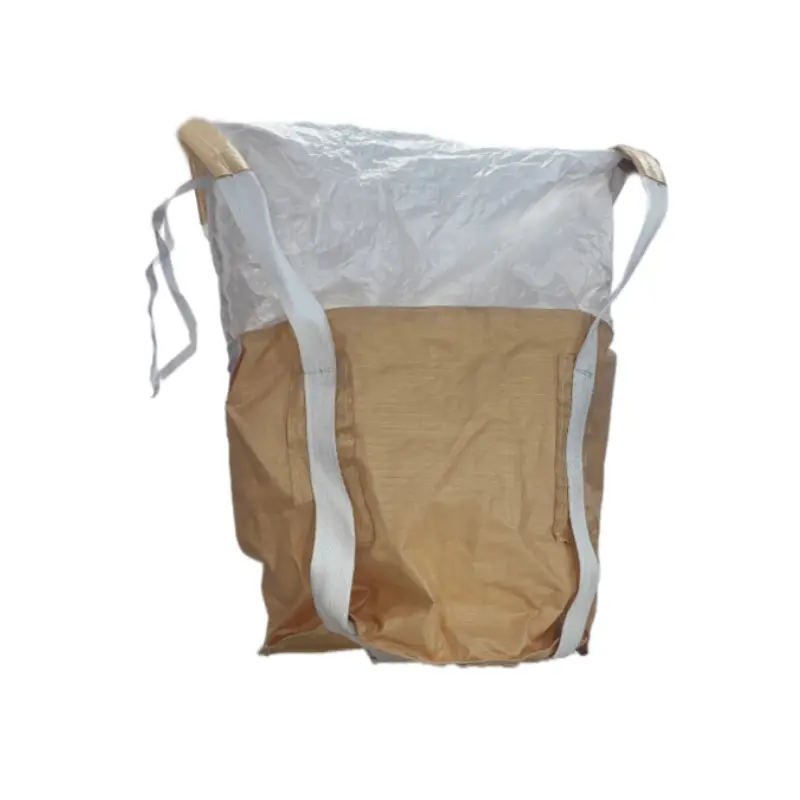
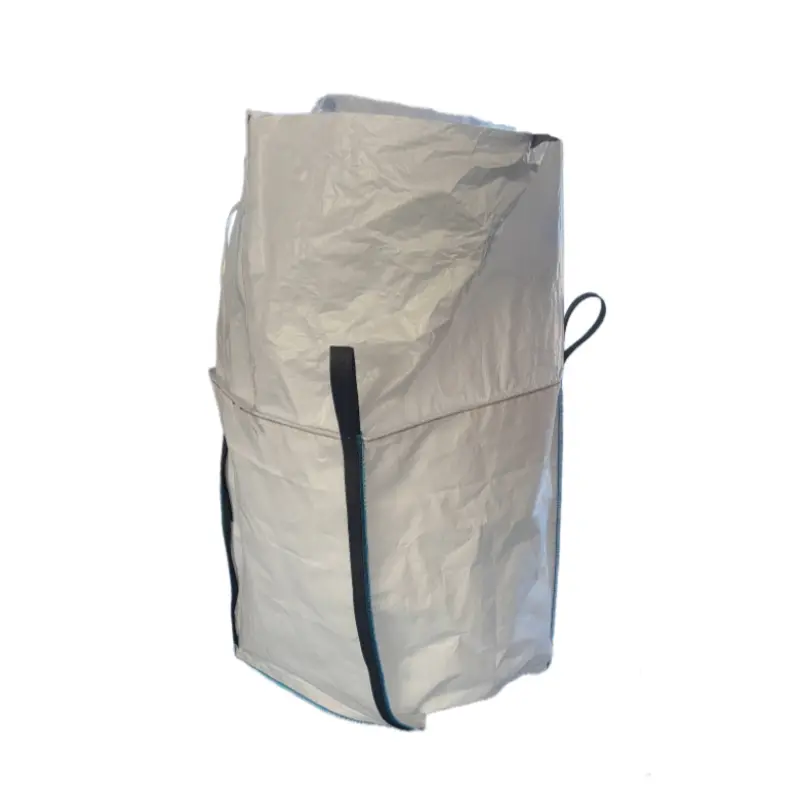
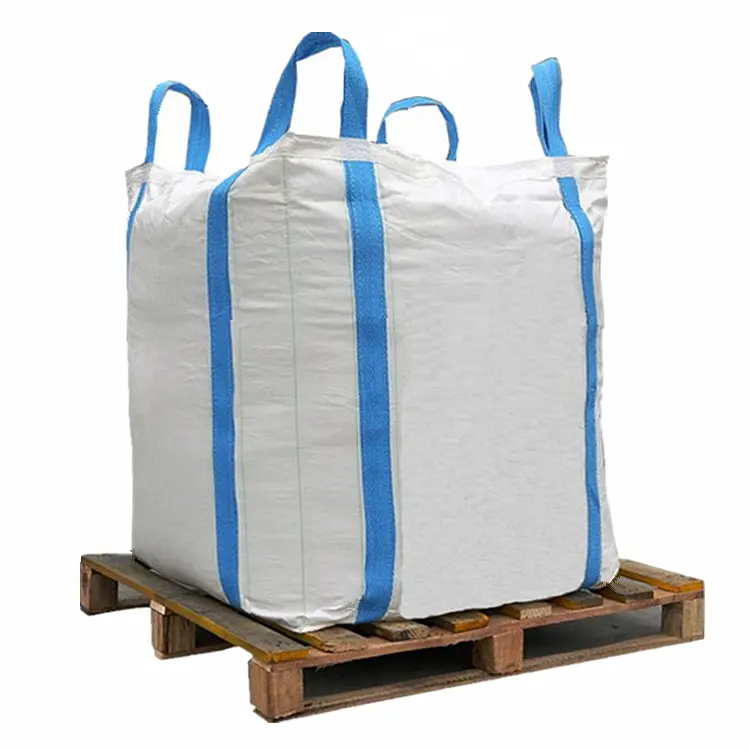
According to different bottom reinforcement processes, open-top flat bottom FIBCs can be divided into three types, and the structure directly affects the load-bearing capacity and lifting stability:
The bottom is reinforced with cross-stitching technology, featuring a simple structure and low production cost. Suitable for light-weight conventional materials such as sand, gravel and grain particles.
The bottom is reinforced with multi-layer grid-shaped stitching, adding horizontal and vertical stress support. Suitable for medium-weight materials such as plastic particles and chemical fertilizer raw materials.
Reinforced with diagonal X-shaped stitching to disperse stress to the corners. Combined with reinforced side lifting slings, it is suitable for heavy materials such as ore powder and metal particles.
The fully open top design allows for fast loading with forklifts or conveyor belts, greatly improving loading and unloading efficiency.
The flat bottom structure ensures even force distribution, enabling multi-layer stacking after being filled without easy tipping.
Size and style can be customized including bag dimensions and sling specifications, including antistatic or acid-alkali resistant materials.
For grains such as wheat, corn and soybeans, as well as root crops like potatoes and onions.
Suitable for packaging blocky materials such as sand, gravel, cement clinker and aggregates.
Applied to transport dry powdery or granular materials such as plastic particles and resin pellets.
Also used for waste recycling and industrial parts storage as a cost-effective solution.