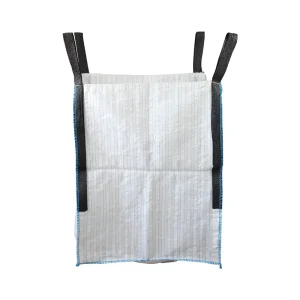
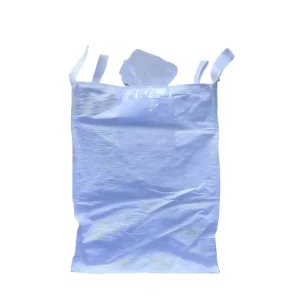
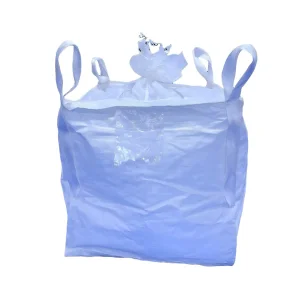
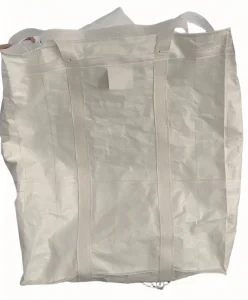
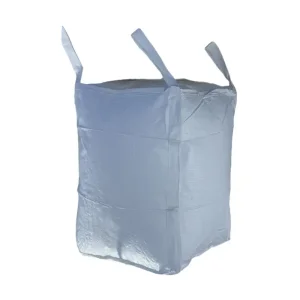
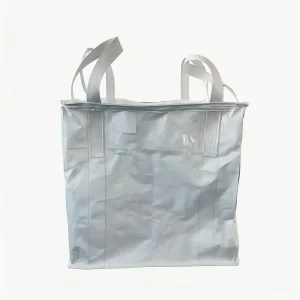
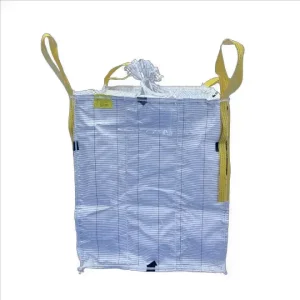
In the global bulk packaging industry, CE Certification and ISO 22000 are not just labels; they represent a rigorous commitment to preventing contamination. For Food Safe Jumbo FIBC Bags, the standard demands more than just a clean appearance. It involves Information Gain through migration testing, heavy metal analysis, and sensory testing to ensure the polypropylene (PP) doesn't interact with the food product.
Our bags are manufactured using 100% virgin PP resin, strictly adhering to FDA and BRCGS standards. By eliminating recycled content, we ensure the structural integrity and chemical purity required for transporting powdered milk, sugar, grains, and pharmaceutical ingredients.
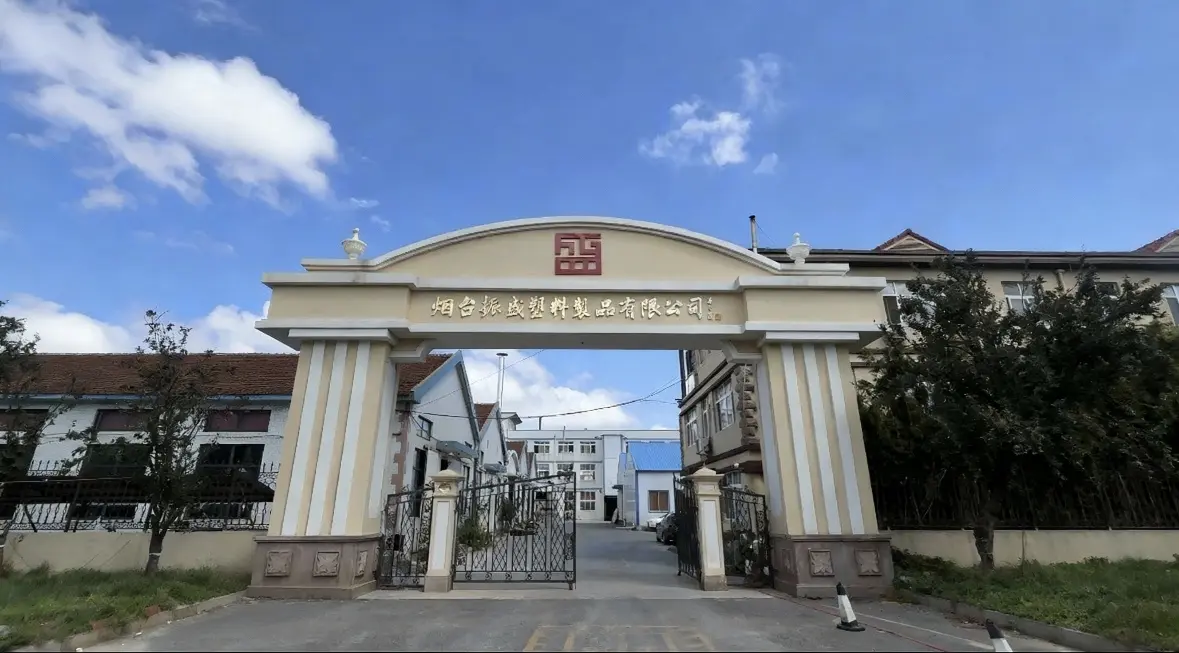
Unlike many Western distributors, Yantai ZS Bulk Bags operates a complete closed-loop industrial chain. From raw material drawing and weaving to ultrasonic cutting and dust-free sewing, every step happens under one roof. This minimizes the risk of external contamination and ensures 100% traceability.
We utilize ultrasonic cutting technology which melds the edges of the fabric as it cuts. This prevents the "fraying" common with heat-cut or cold-cut bags, which is a major source of foreign body contamination in food processing plants.
Located in the industrial hub of Yantai, we leverage mature logistics networks and a highly skilled workforce. This allows us to offer premium Food Safe Jumbo bags at a competitive price point without compromising on the Safety Factor (SF) or hygiene standards.
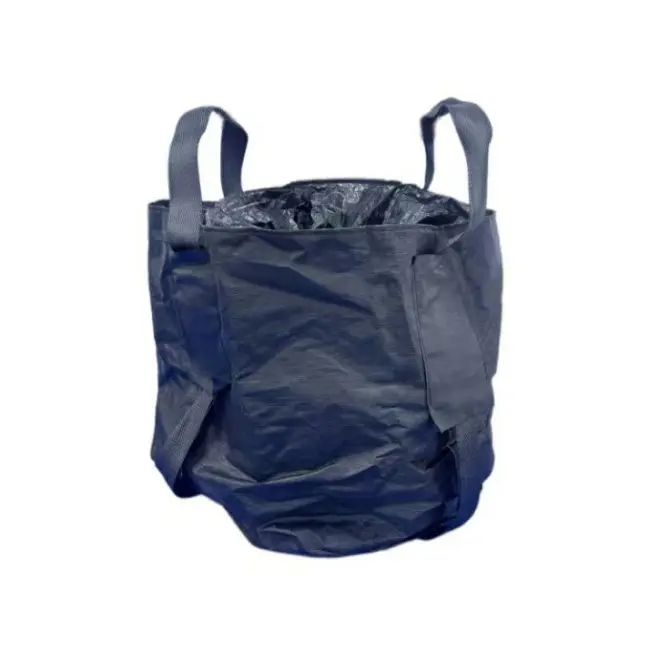
The industry is moving toward "Circular Packaging." While food-grade bags currently prioritize virgin material for safety, we are pioneering 100% recyclable mono-material FIBCs that allow for easier plastic recovery and reuse in non-food sectors after their primary use.
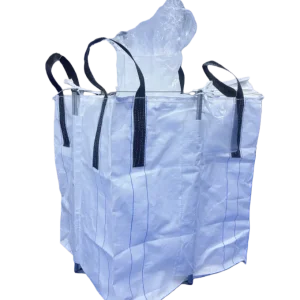
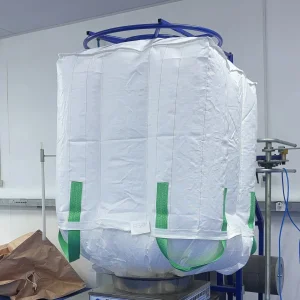
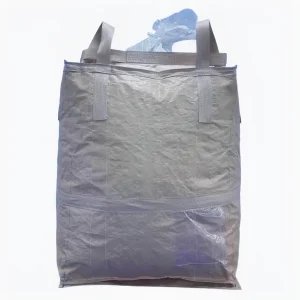
Global enterprises are increasingly using robotic filling and discharging stations. Our "Baffle Bags" (Q-Bags) are engineered to maintain a square shape even when full, optimizing container space by 25-30% and ensuring stability on automated conveyor belts.
Founded in 1988, Yantai ZS Bulk Bags Manufacturing Co., Ltd. covers 60,000 square meters across two modern production bases. With over 300 employees and a stable monthly output of 250,000 units, we are the benchmark for high-end customization.
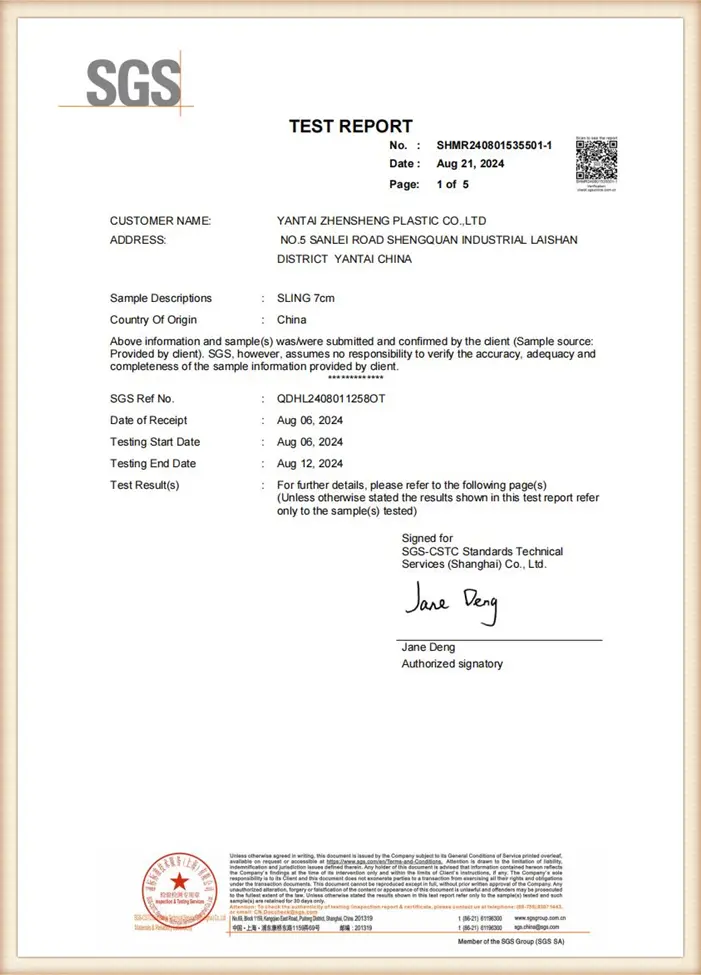
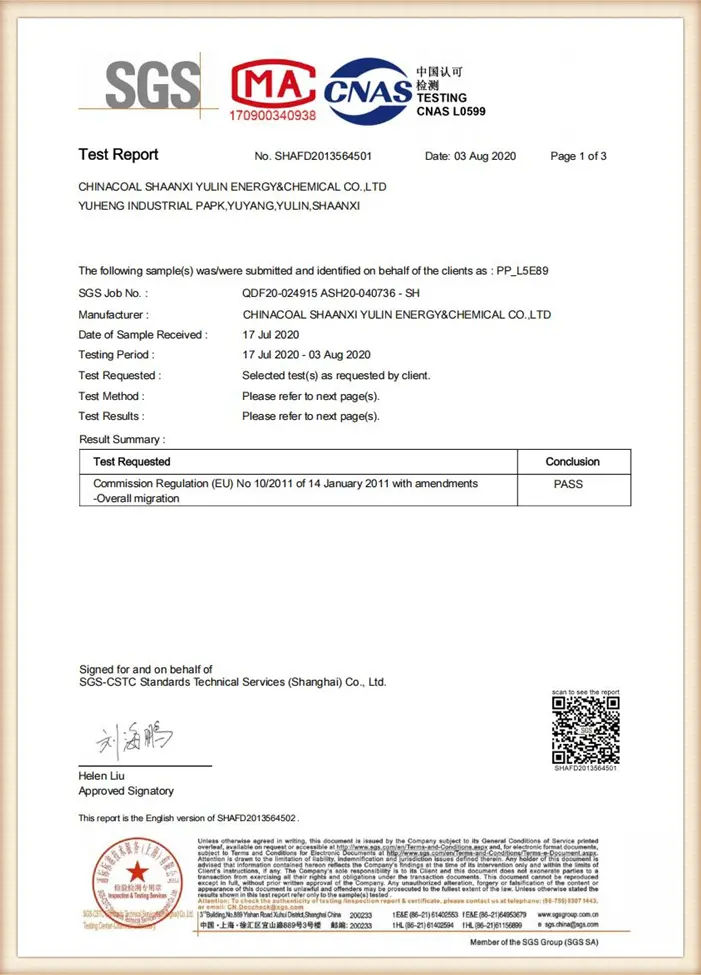
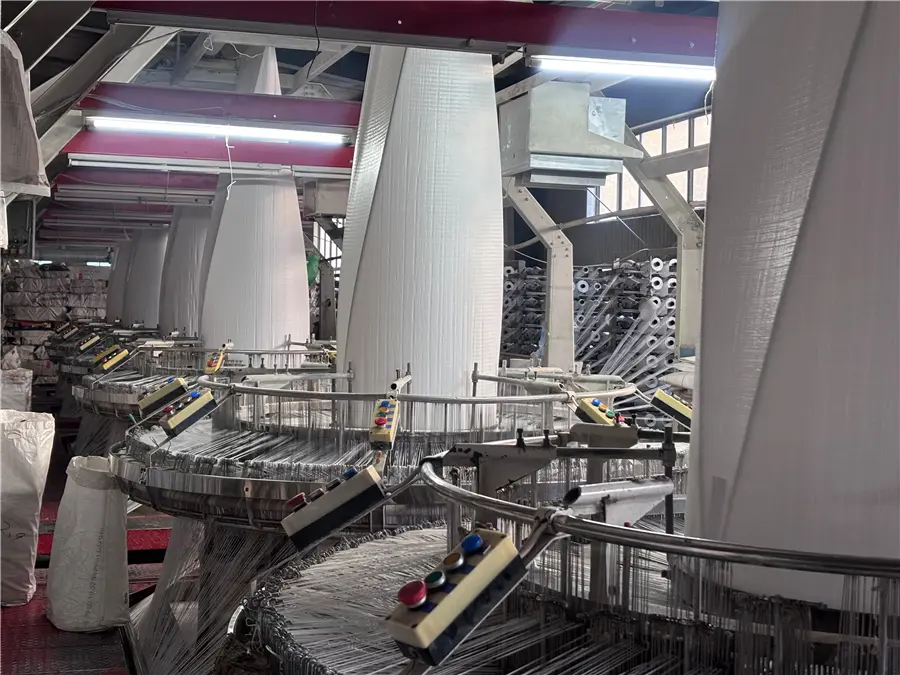
Especially for FIBCs designed for food-grade and high-hygiene applications, we use 100% virgin polypropylene raw materials. All technical specifications strictly comply with FDA food-grade standards. During production, all fabrics are cut using ultrasonic cutting technology. Every FIBC undergoes strict disinfection, ensuring it is hygienic, dust-free, and free from any impurities or contaminants.
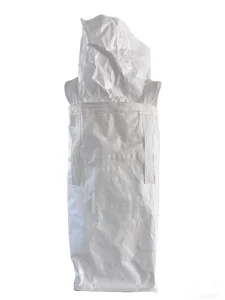
Bulk transport of seeds, soybeans, and rice where breathability and moisture control are paramount. Our breathable open-top bags prevent mold and spoilage.
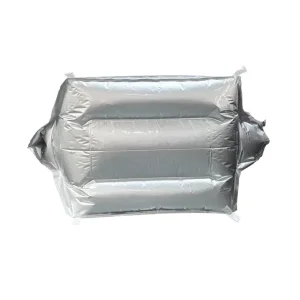
For fine powders like flour, cocoa, or MSG, we provide sift-proof seams and PE liners to ensure zero product loss and protection from ambient humidity.
Sensitive chemicals and battery materials require high-cleanliness Baffle Bags. Our clean-room production ensures zero fiber contamination for lithium-ion separator materials.
For global enterprises, procurement of Jumbo Bags is a strategic logistics decision. We offer more than just a container; we provide a systematic approach to supply chain efficiency.
By using Baffle FIBCs, we allow customers to load up to 25% more material in standard shipping containers, significantly reducing freight costs per ton. This is critical for low-margin food commodities.
Our integrated digital manufacturing system tracks each batch of PP resin back to its source. This "Digital Twin" of production provides global procurement officers with the peace of mind required for high-stakes food safety audits.
As ESG (Environmental, Social, and Governance) scores become vital for global corporations, our energy-efficient manufacturing processes in Yantai help reduce the Scope 3 carbon footprint of your packaging supply chain.
 Zhensheng