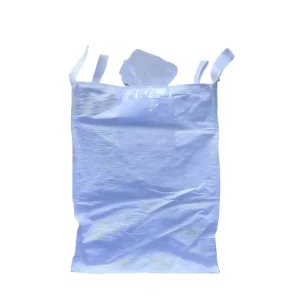
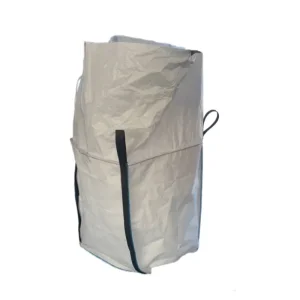
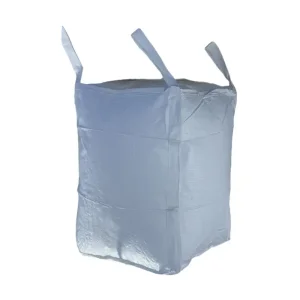
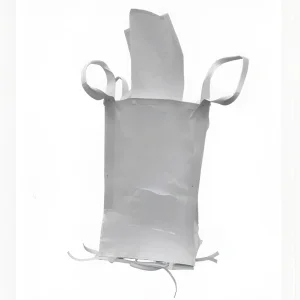
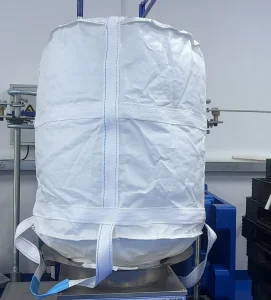
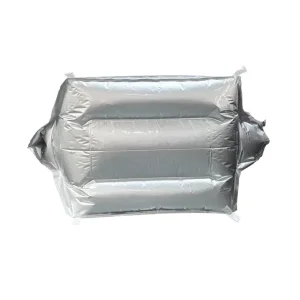
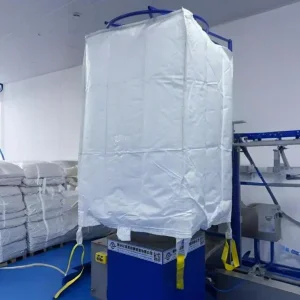
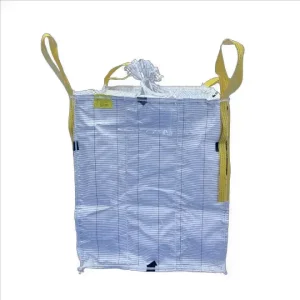
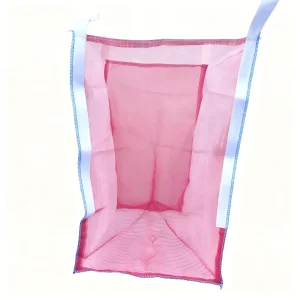
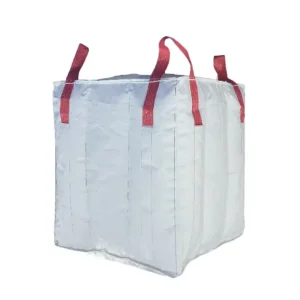
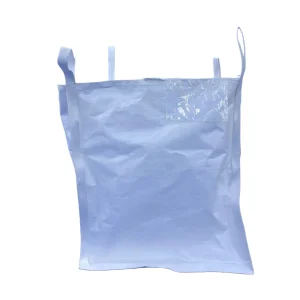
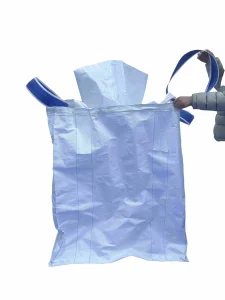
In modern industrial chemical processing and high-precision mineral logistics, the management of static electricity is not merely a technical requirement; it is a life-safety imperative. Conductive FIBC Bags (Type C) represent the pinnacle of electrostatic protective packaging. Unlike standard bags, Type C containers are engineered with a sophisticated matrix of conductive threads—usually carbon, silver, or high-grade steel—interwoven into the polypropylene fabric.
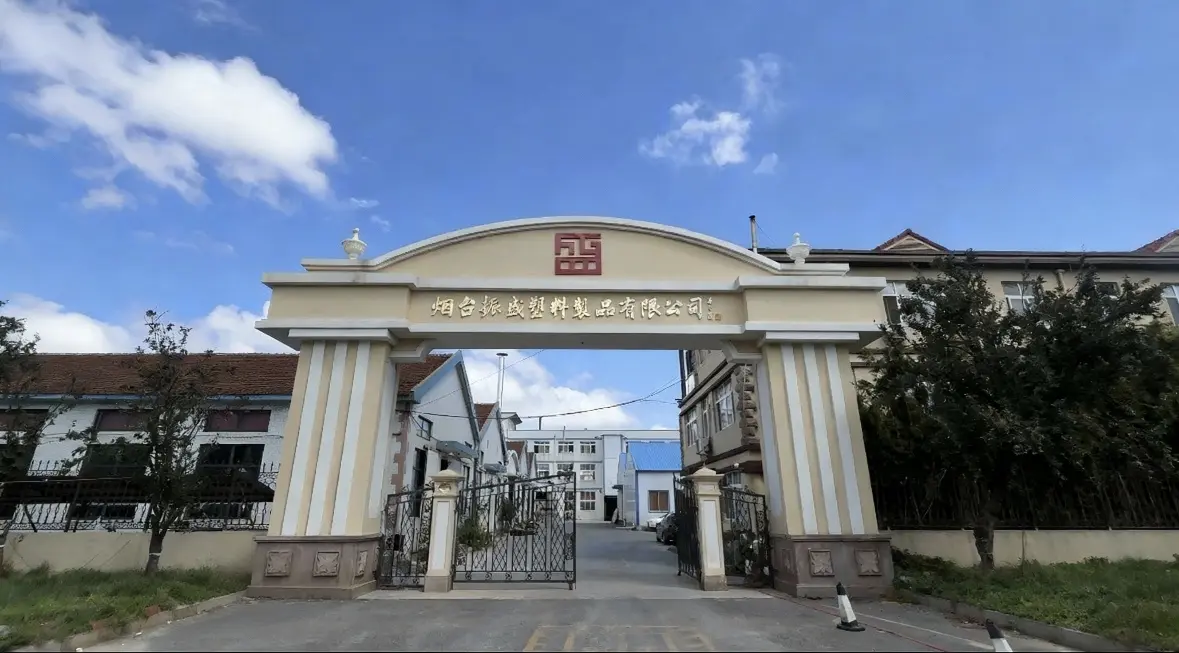
Founded in 1988, Yantai ZS Bulk Bags Manufacturing Co., Ltd. has spent over three decades perfecting the equilibrium between structural integrity and electrical conductivity. As a leading manufacturer, our Type C bags are designed to dissipate static charges instantly to the ground, preventing the catastrophic "brush discharges" that can ignite flammable vapors or dust clouds (MIE < 0.14mJ) in hazardous Zones 1, 2, 21, and 22.
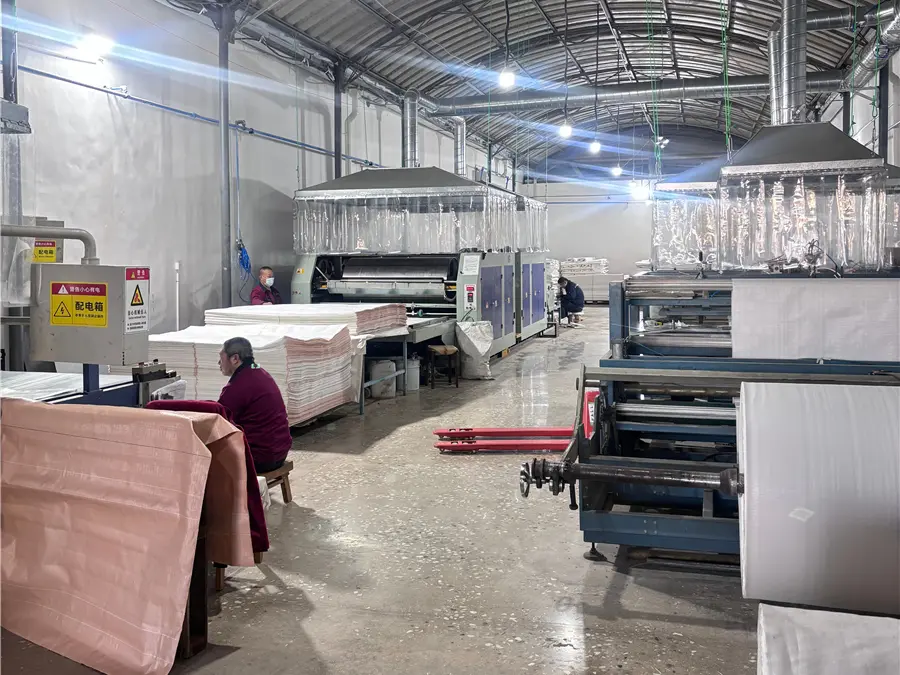
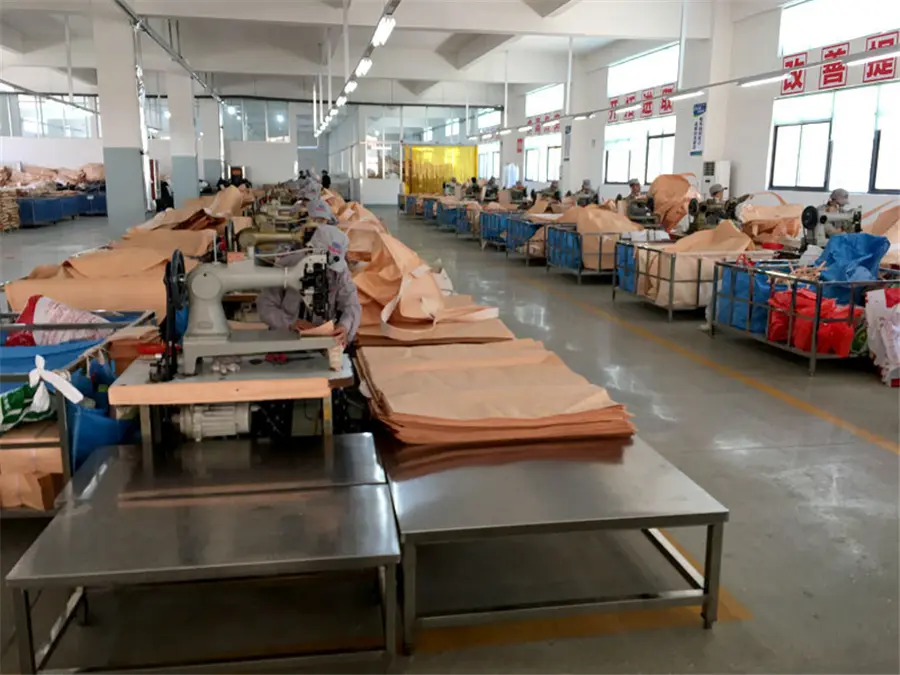
Our commitment to CE Certification ensures that every bag meets the rigorous IEC 61340-4-4 standards. With a total facility area of 60,000 square meters and a monthly output exceeding 250,000 units, we provide the global supply chain with a fusion of China’s manufacturing efficiency and international safety rigor.
Current R&D at Yantai ZS focuses on multi-filament hybrid conductive yarns. By blending carbon black polymers with virgin PP, we achieve a surface resistance of less than 10^7 Ohms, ensuring consistent performance even after multiple uses in abrasive environments.
The future of Type C FIBC lies in "Smart Packaging." We are prototyping bags with integrated RFID and grounding sensors that alert operators if the bag is not properly grounded during the filling or discharging phase.
Moving toward a circular economy, we are exploring bio-based conductive polymers that allow for easier recycling of Type C bags without sacrificing the crucial ESD (Electrostatic Discharge) properties required for ATEX environments.
Yantai ZS Bulk Bags is more than just a factory; it is a high-tech manufacturing ecosystem. Our Industry 4.0 approach integrates ultrasonic cutting technology to eliminate fraying—a critical failure point for conductive threads—and ensures that every Type C bag maintains electrical continuity through its entire life cycle.
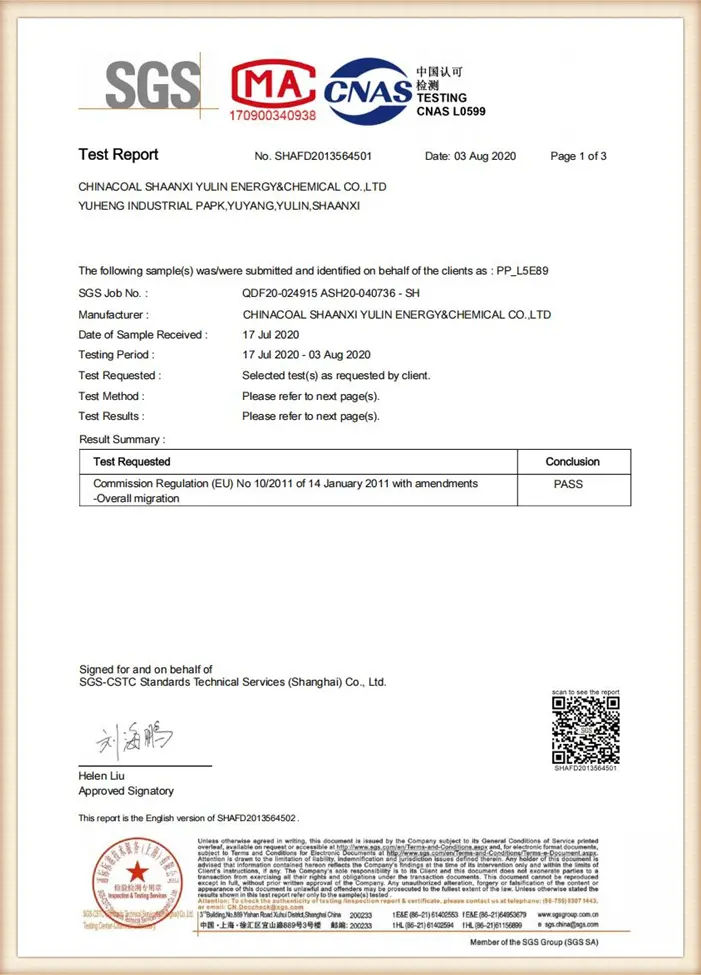
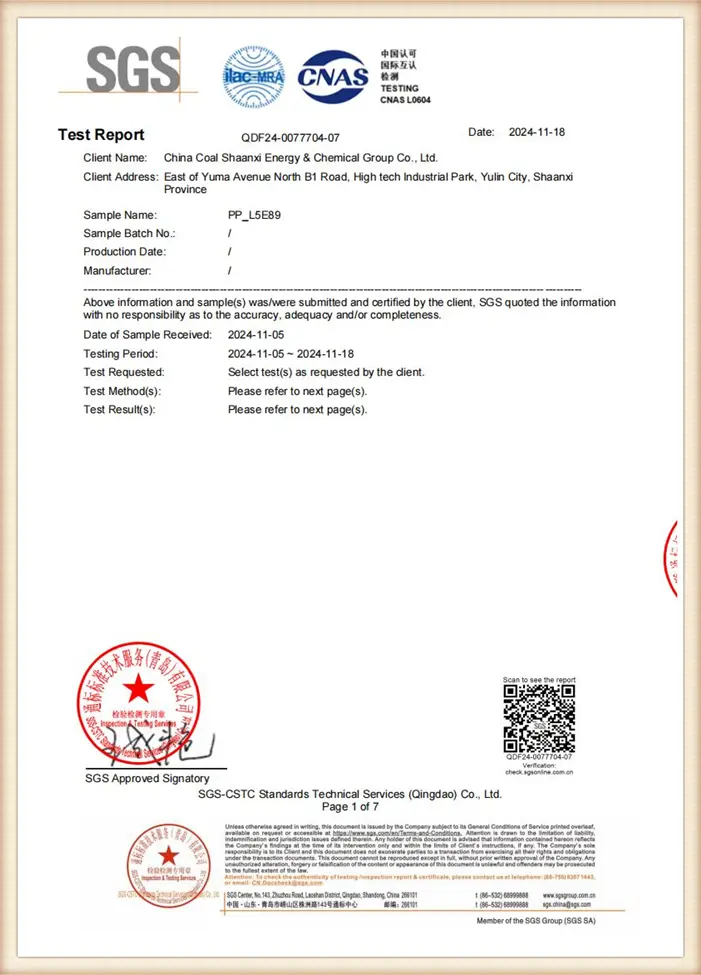
For chemical enterprises operating across Europe and North America, we provide dual-certified packaging. Our materials comply with FDA 21 CFR 177.1520 and European Commission Regulation (EU) No 10/2011.
We provide localized technical support and efficient bilingual communication, bridging the gap between Chinese manufacturing power and your local regulatory requirements.
With a monthly output of 153,750+ units for major clients, our logistics team optimizes container loading to reduce the carbon footprint and per-unit transport cost of bulk packaging.
Our integrated production system ensures that every Type C bag is tested for resistance to ground (R < 1.0 x 10^7 Ω) before it leaves the factory.
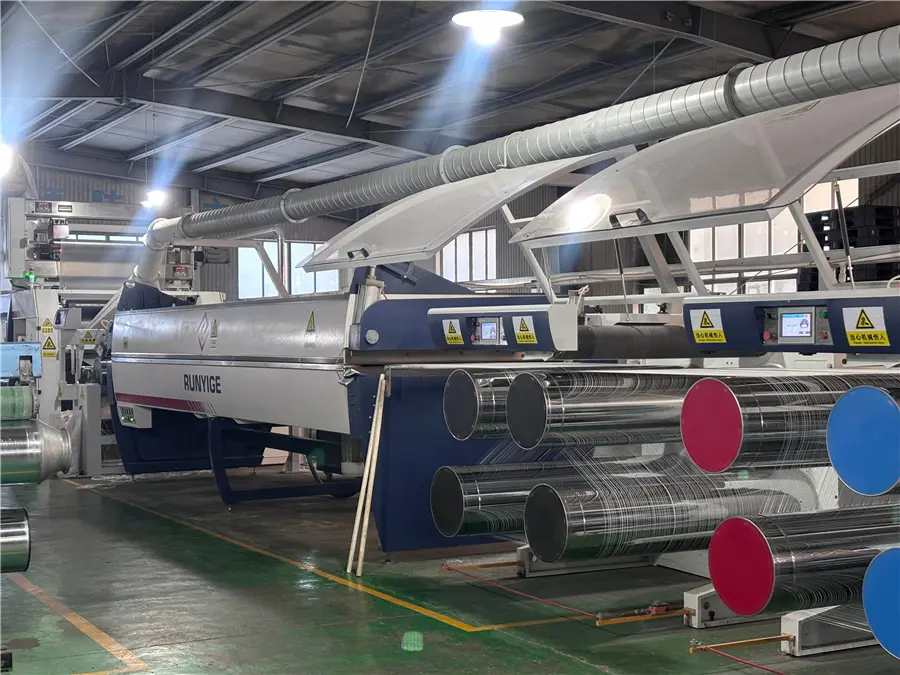
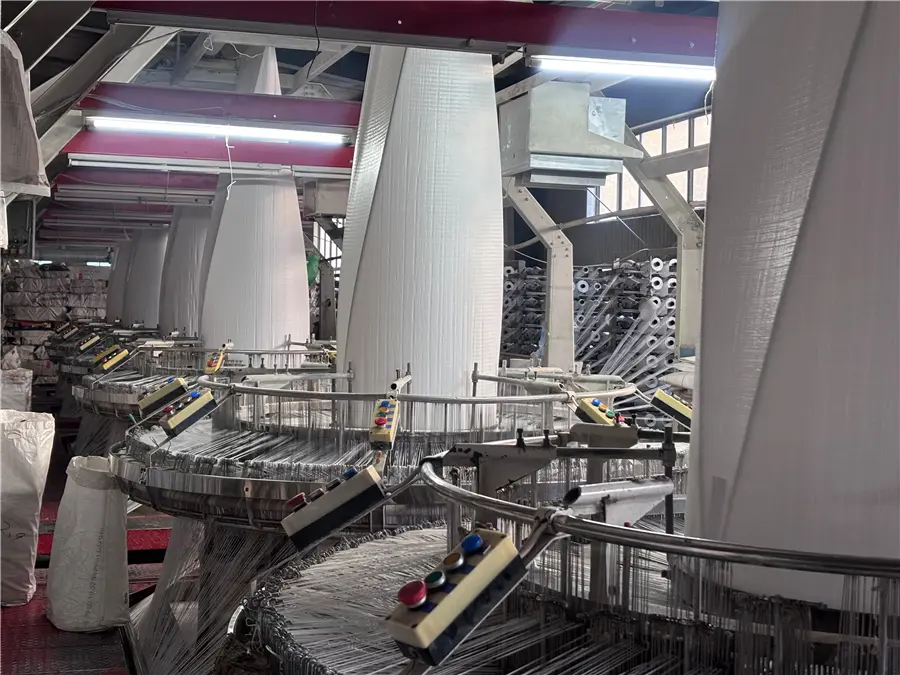
Whether you require a 500kg bag for precious catalysts or a 2.0-ton bag for heavy minerals, our engineering team provides FEA (Finite Element Analysis) to ensure a safety factor (SF) of 5:1 or 6:1.
We don't just sell bags; we provide static safety consulting. Our team helps you evaluate your grounding protocols to ensure that the Type C bag's potential is fully realized in your facility.
With over 30 professional technical personnel, we can turn a design concept into a physical prototype for testing in as little as 72 hours, ensuring your project timelines are met.
Our raw material procurement is strictly controlled, using 100% virgin polypropylene. By maintaining high stock levels of conductive additives, we hedge against global supply chain volatility.
A: Type C bags require a manual grounding connection during use to safely dissipate static. Type D bags are made with antistatic fabric that dissipates charge into the atmosphere without a ground, but they have limitations in environments with combustible dust or conductive contaminants.
A: Every production run undergoes "Resistance to Ground" testing. We use high-precision megohmmeters to ensure that the resistance between any two points on the bag and the grounding loop is less than 10^7 Ohms, as per IEC 61340-4-4 standards.
A: Yes. We can produce Type C bags within our ISO 22000 cleanroom workshops, ensuring the conductive threads are securely integrated without risk of fiber migration, meeting both ESD and FDA hygiene standards.
A: Yes, if they are multi-trip bags (SF 6:1). However, the conductivity must be tested before every reuse to ensure that the conductive grid has not been damaged by mechanical wear or chemical exposure.
With two modern production bases in Yantai and a workforce of 300+ dedicated experts, Yantai ZS Bulk Bags Manufacturing Co., Ltd. continues to set benchmarks for reliability and innovation. We invite global partners to visit our facilities and witness the synthesis of tradition and technology.
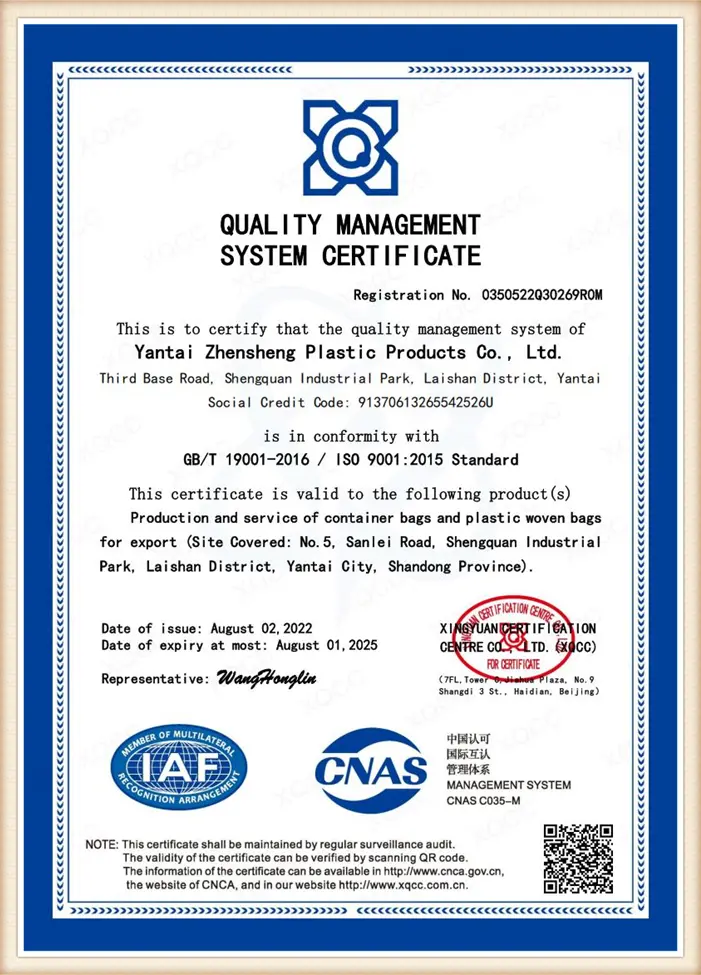
 Zhensheng