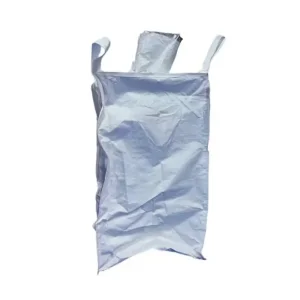
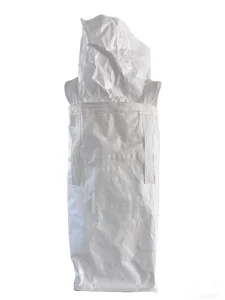
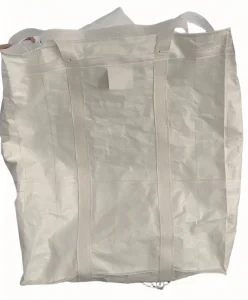
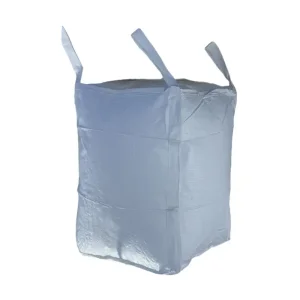
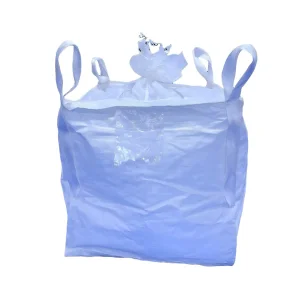
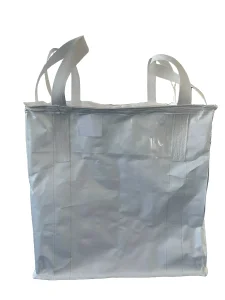
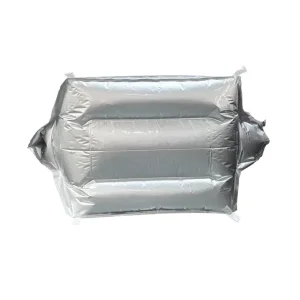
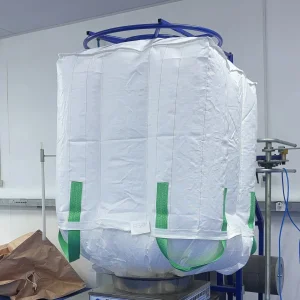
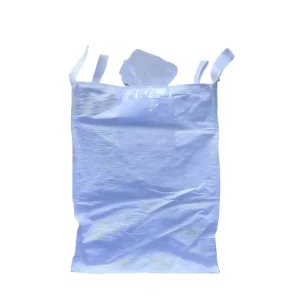
In the modern globalized industrial landscape, the integrity of raw materials during transit is not just a logistical concern—it is a financial and qualitative imperative. Aluminum Foil Lined Bulk Bags, often referred to as High-Barrier FIBCs, represent the pinnacle of flexible packaging technology. By integrating specialized multi-layer laminates, these containers provide an near-impenetrable shield against moisture, oxygen, and UV radiation, ensuring that sensitive materials—from volatile chemicals to ultra-pure battery components—arrive in pristine condition.
Standard Polypropylene (PP) bags are breathable by design. While this is sufficient for gravel or construction debris, it is catastrophic for hygroscopic chemicals, food ingredients, and pharmaceutical precursors. The "Information Gain" in choosing a foil liner lies in its WVTR (Water Vapor Transmission Rate) and OTR (Oxygen Transmission Rate), which are virtually zero compared to standard PE liners. This transition from "containment" to "protection" is what defines the Best Foil Liner Bulk Bags Manufacturers.
Superior protection against moisture, oxygen, and light degradation. Ideal for long-term storage and sea freight.
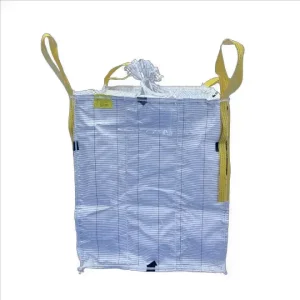
Integration with Type C (conductive) or Type D (dissipative) outer bags for safe discharge in hazardous environments.
Specially designed for Lithium-ion battery precursors like NCM, graphite, and lithium carbonate.
Yantai ZS Bulk Bags Manufacturing Co., Ltd. is a professional manufacturer specializing in the customized design and production of mid-to-high-end FIBCs. With over 30 years of dedication, we deliver packaging solutions that carry trust and safeguard value for global customers. Our expertise in foil liner bulk bags stems from a deep understanding of material science and international shipping rigors.
We operate two modern production bases in Yantai, China, covering 60,000 square meters with over 300 employees and 30+ technical experts. Our stable monthly output exceeds 250,000 units, making us a top-tier exporter for high-barrier bulk packaging.
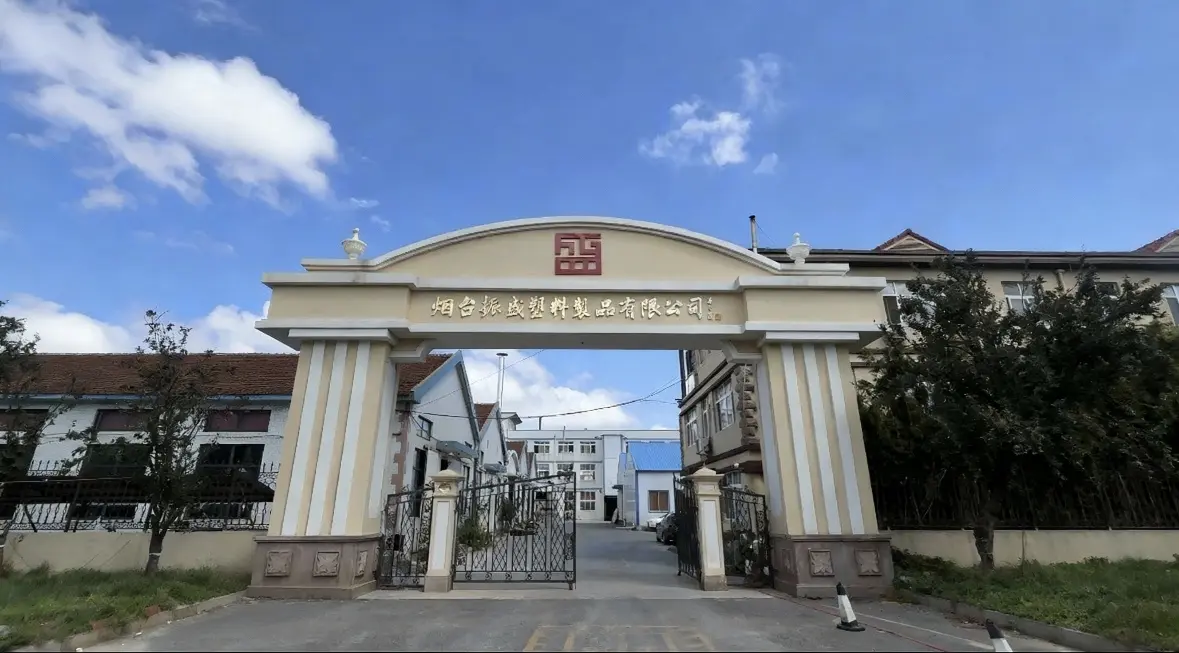
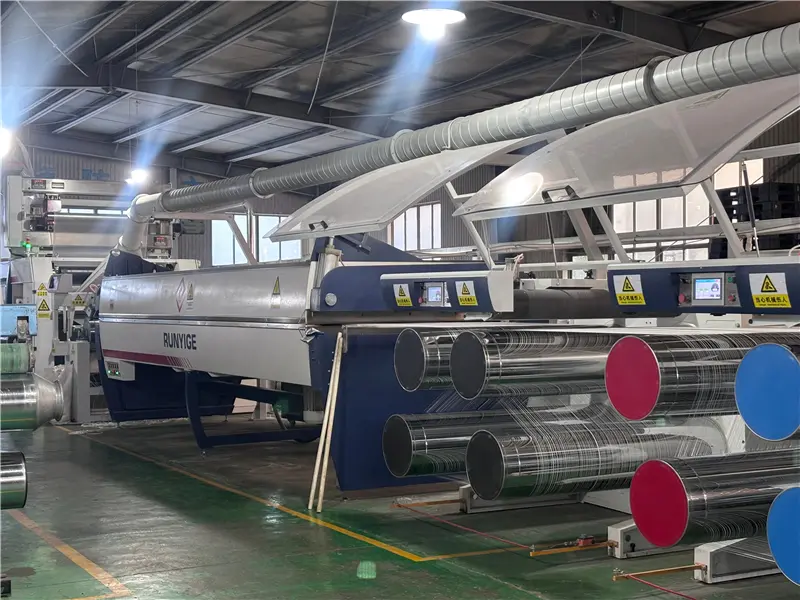
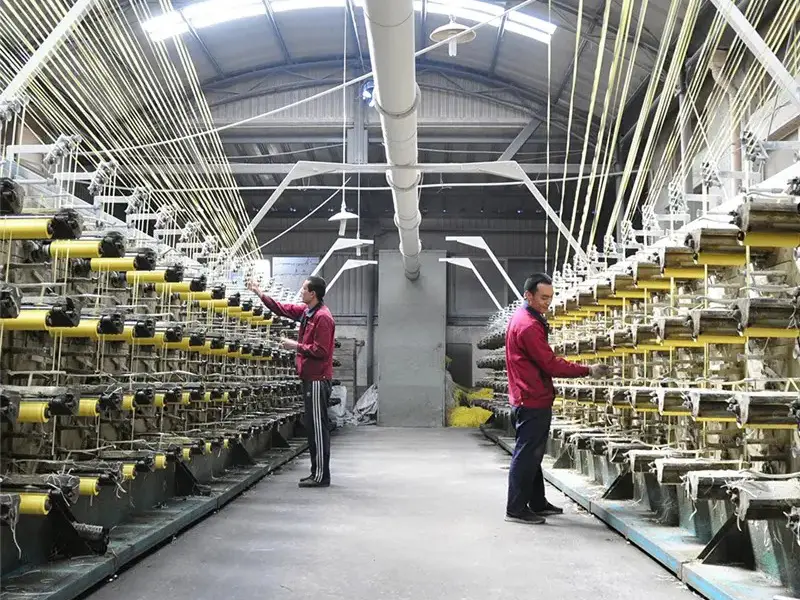
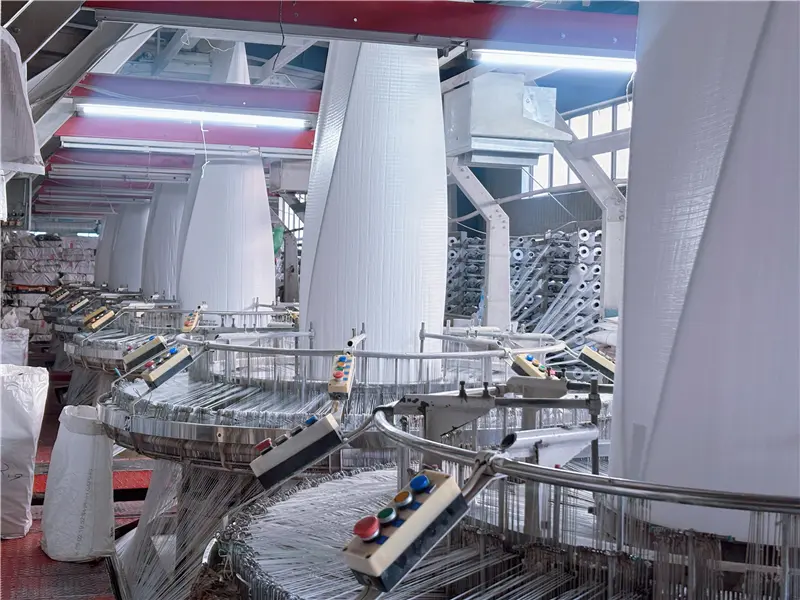
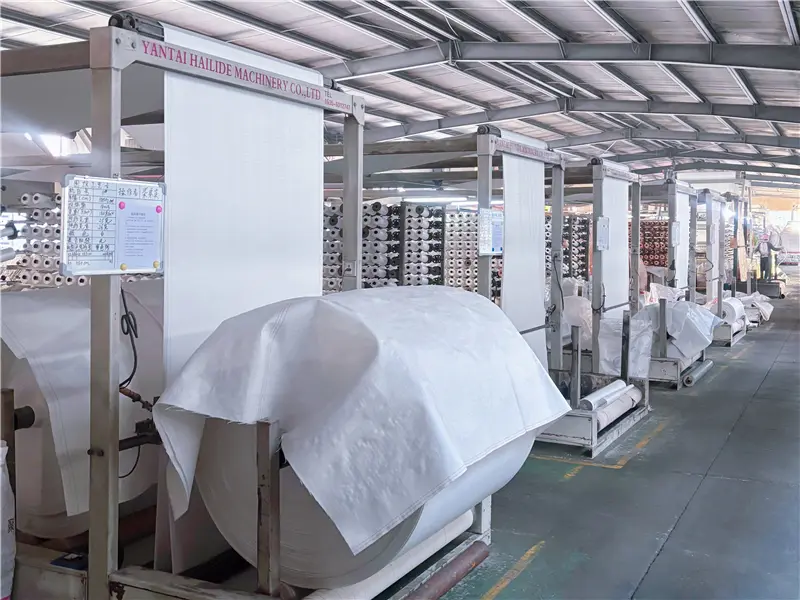
From raw material processing (drawing and weaving) to finished product manufacturing, we control the entire closed-loop industrial chain. This ensures 100% traceability.
Our foil liners use a 3-to-5 layer co-extrusion process (PE/ALU/NY/PE), providing the tensile strength needed to withstand the pressure of 2-ton loads without bursting.
All high-hygiene products are produced in dust-free workshops, utilizing ultrasonic cutting to prevent fraying and contamination—a prerequisite for food and pharma sectors.
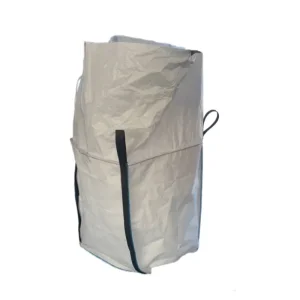
The global shift toward electric vehicles has created a massive demand for ultra-clean, high-barrier packaging. Materials like Lithium Carbonate are extremely sensitive to moisture. A 1% increase in humidity can ruin an entire batch. Our Aluminum Foil Baffle Bags provide the necessary barrier while maintaining a square shape for optimal shipping container utilization.
While foil is a metal, we are innovating with recyclable barrier layers and high-strength, low-weight resins to reduce the carbon footprint of industrial packaging without compromising the "zero-leak" guarantee.
Global enterprises now prioritize "Reliability of Supply" over mere "Unit Cost." By partnering with a factory that manages its own weaving and liner production, procurement officers mitigate the risk of third-party delays and quality inconsistencies.
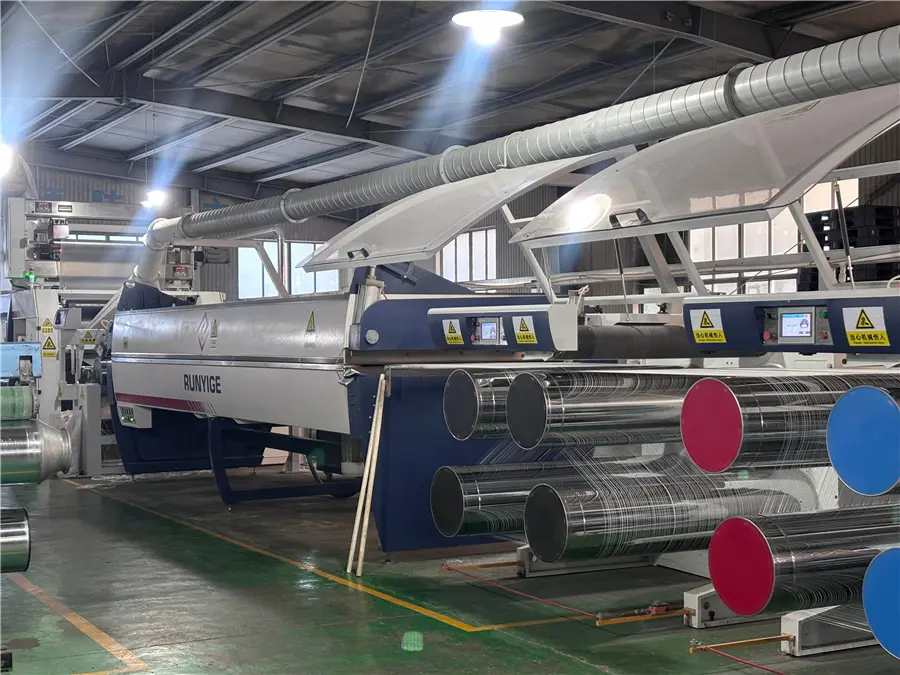
Drawing
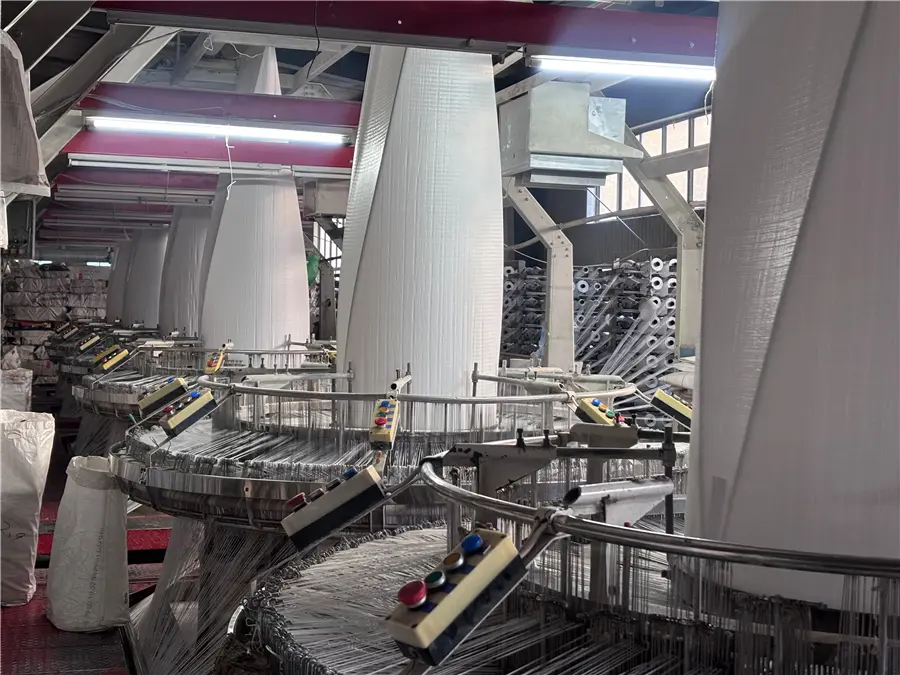
Weaving
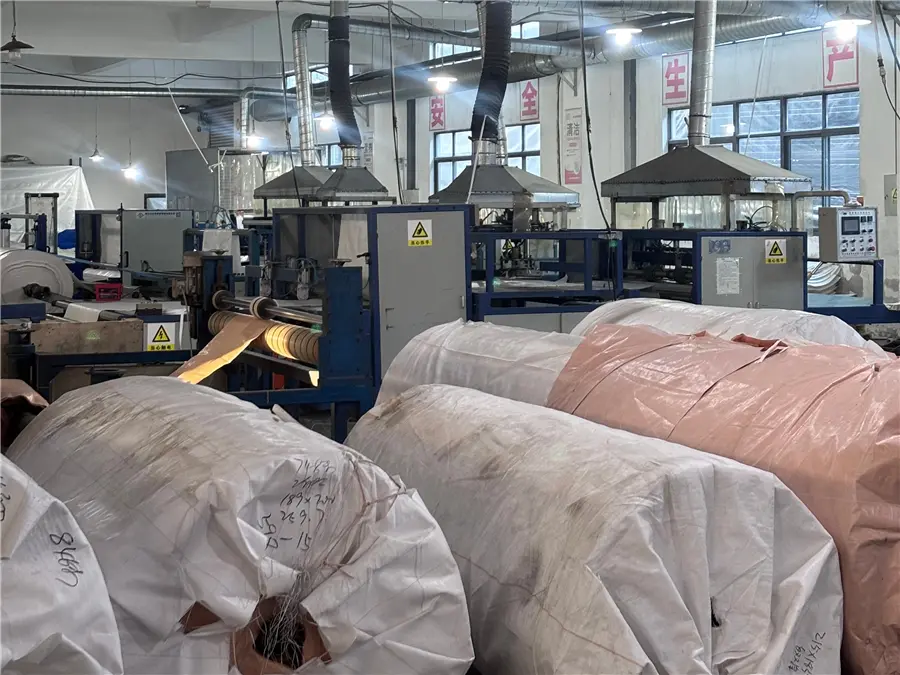
Cutting
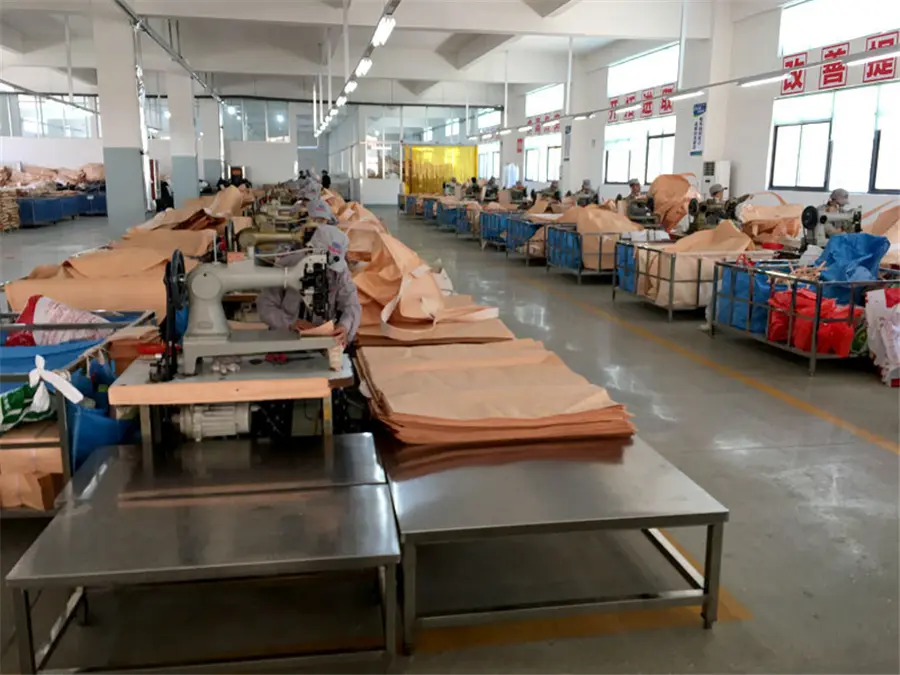
Sewing
Typically, sensitive chemicals can be stored for 12-24 months without significant moisture gain, depending on the thickness of the foil layer (usually 7-12 microns) and the quality of the heat seal.
We utilize specialized conductive foil laminates or integrate grounding tabs that connect the liner to the bag's conductive grid, ensuring safe electrostatic discharge during rapid filling/emptying.
While the outer PP bag might be multi-trip (6:1 Safety Factor), we recommend replacing the foil liner for each use to ensure the barrier integrity and cleanliness required for high-purity materials.
Baffle bags contain internal stays that maintain a cubic shape when full. This prevents the "bellying" effect, allowing for 25% more efficient loading in ocean containers and trucks.
 Zhensheng