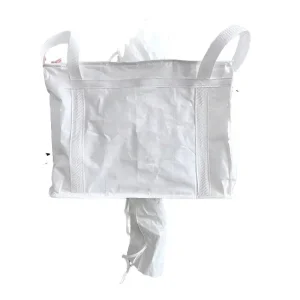
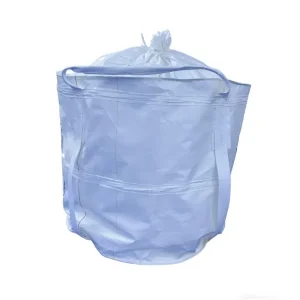
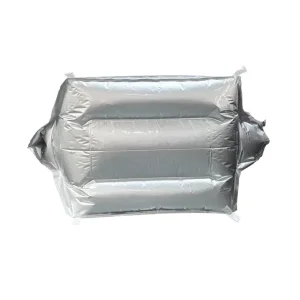
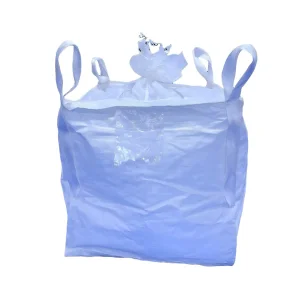
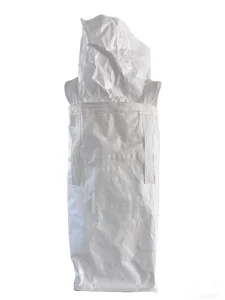
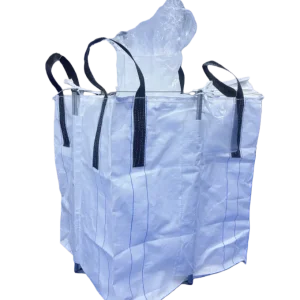
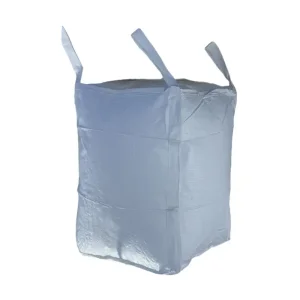
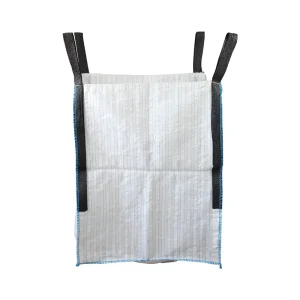
As a pivotal hub in the ASEAN region, Malaysia's industrial sector is undergoing a massive transformation. From the bustling chemical plants in Pasir Gudang to the palm oil refineries in Port Klang, the demand for "Flexible Intermediate Bulk Containers" (FIBC) has evolved from simple storage to high-tech logistics assets. Semantic search trends indicate that procurement officers in Malaysia are no longer just searching for "cheap bulk bags"; they are seeking "Industry-Specific FIBC Services" that comply with SIRIM standards and global safety protocols.
Malaysia's unique tropical climate, characterized by high humidity and temperature, necessitates a higher "Information Gain" regarding UV protection and moisture barrier technology in bulk packaging. ZS Bulk Bags leverages 30+ years of expertise to provide solutions that prevent material degradation during the transit from Malaysia to global markets like Europe and North America.
The synergy between Malaysia’s demand and China’s manufacturing capability is driven by more than just cost. It is about Technical E-E-A-T (Experience, Expertise, Authoritativeness, and Trustworthiness). China’s FIBC industry, spearheaded by leaders like Yantai ZS Bulk Bags, offers a complete closed-loop industrial chain that local Malaysian manufacturers often cannot match in scale or specialized certification.
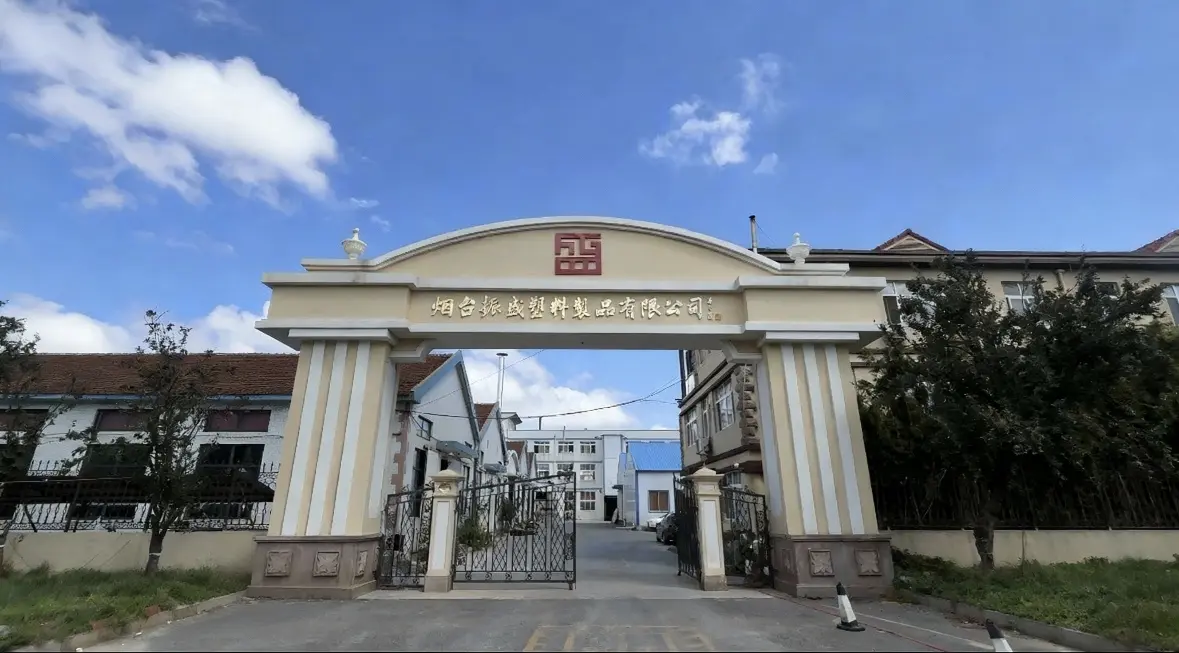
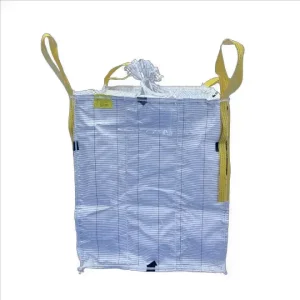
Malaysia is a top producer of chemicals. Our Type C Conductive FIBCs provide critical safety in explosive environments, ensuring static electricity is grounded during the rapid discharge of chemical powders.
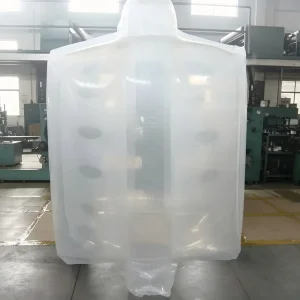
For palm kernel cake and specialty fertilizers, moisture resistance is paramount. Our laminated liners and leak-proof designs ensure product integrity from the plantation to the port.
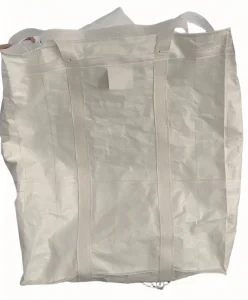
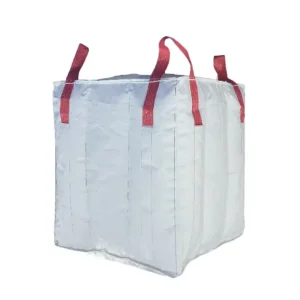
Whether it's Rare Earth processing or graphite exports from Perak, our 1200kg-2000kg high-strength bulk bags provide the structural integrity required for heavy mineral density.
To provide true Information Gain for procurement experts, we reveal the intricacies of our manufacturing process. We don't just "sew bags"; we engineer containment systems.
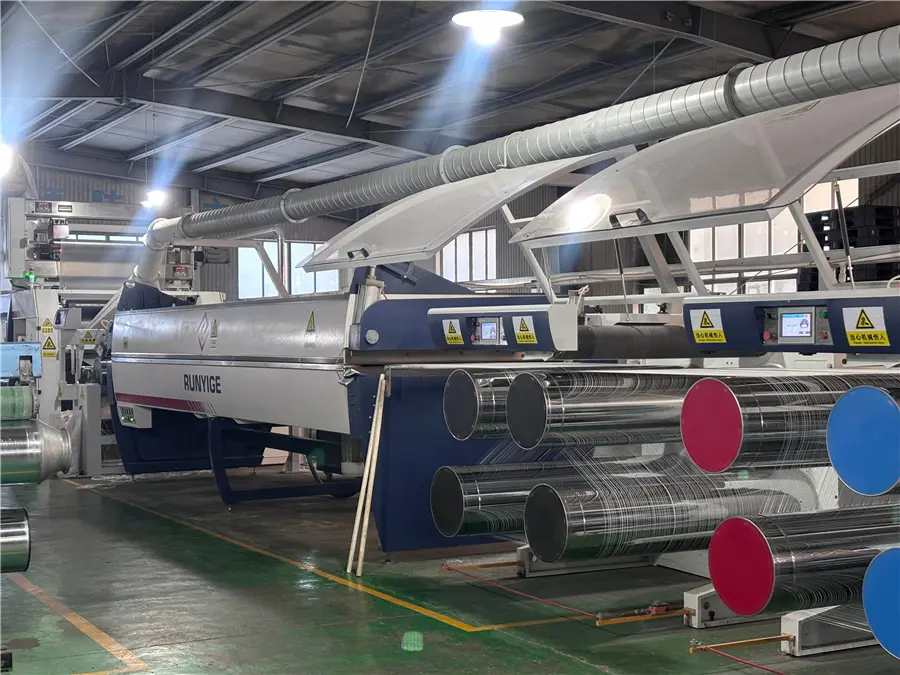
Controlling the denier and tensile strength at the molecular level for maximum safety factors (5:1 or 6:1).
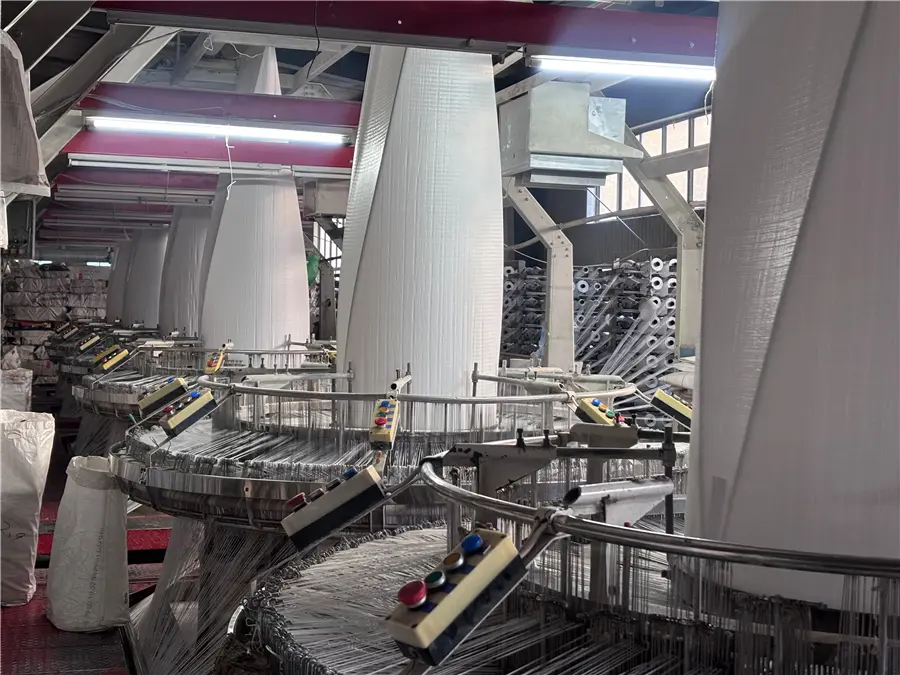
Circular weaving technology ensures no side seams, significantly reducing the risk of "blow-outs" during lifting.
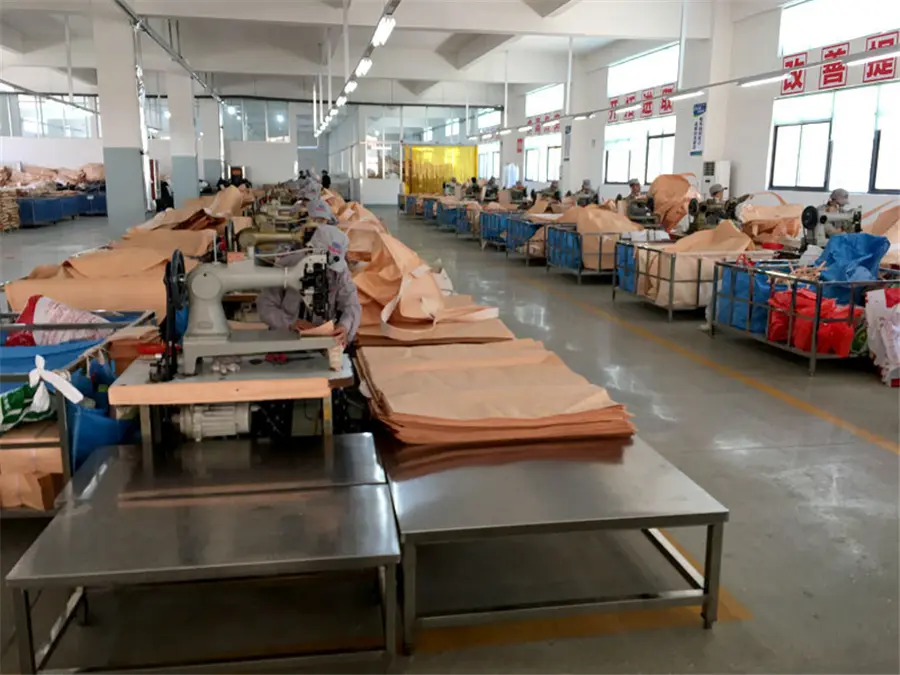
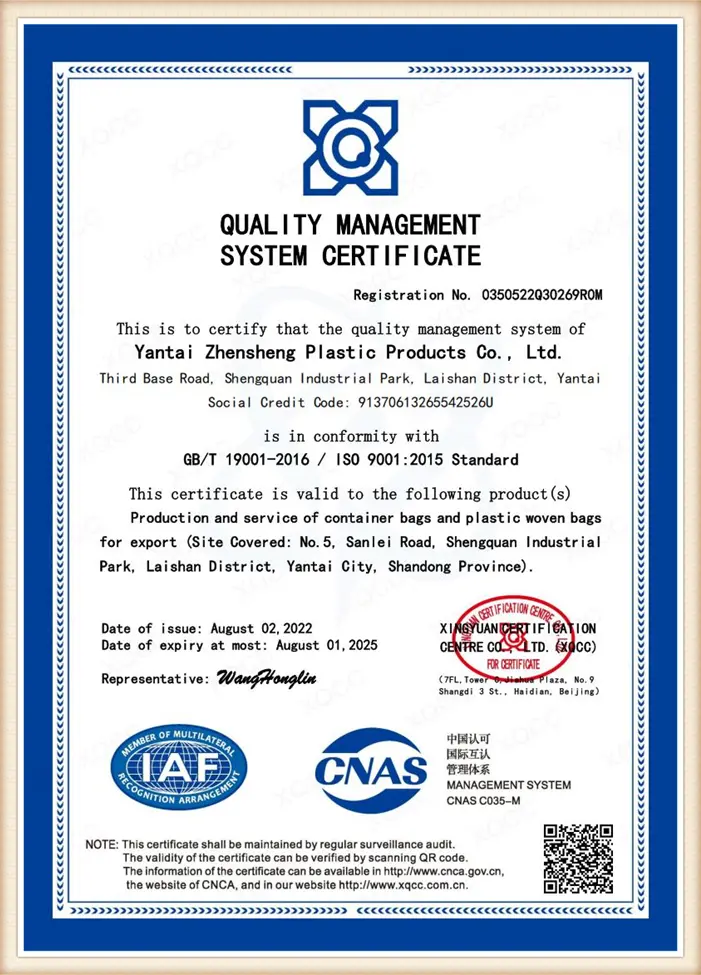
Critical for Malaysia's food-grade exports, all sewing is performed in ISO-certified dust-free environments.
Modern procurement directors are focusing on Sustainability and Circular Economy. Search intent is shifting towards "Recyclable FIBCs" and "Reduced Carbon Footprint Packaging." In response, ZS Bulk Bags has optimized its production to reduce waste and increase the longevity of multi-trip bags (6:1 safety factor).
Furthermore, Digital Supply Chain Integration is becoming a standard requirement. Global enterprises operating in Malaysia require partners who provide full traceability—from the batch number of the PP resin to the specific weaving machine used. Our ERP-managed production ensures that every bag delivered to Malaysia is backed by a data-driven quality certificate.
A: Yes, our bags are engineered to meet and exceed ISO 21898 international standards and can be customized to align with specific SIRIM requirements for the Malaysian market, ensuring safety during both domestic transport and international shipping.
A: We offer specialized moisture-shield solutions, including PE liners, laminated fabrics, and ultrasonic sealing, which are specifically tested to protect hygroscopic materials (like sugar or chemicals) from Malaysia's tropical humidity.
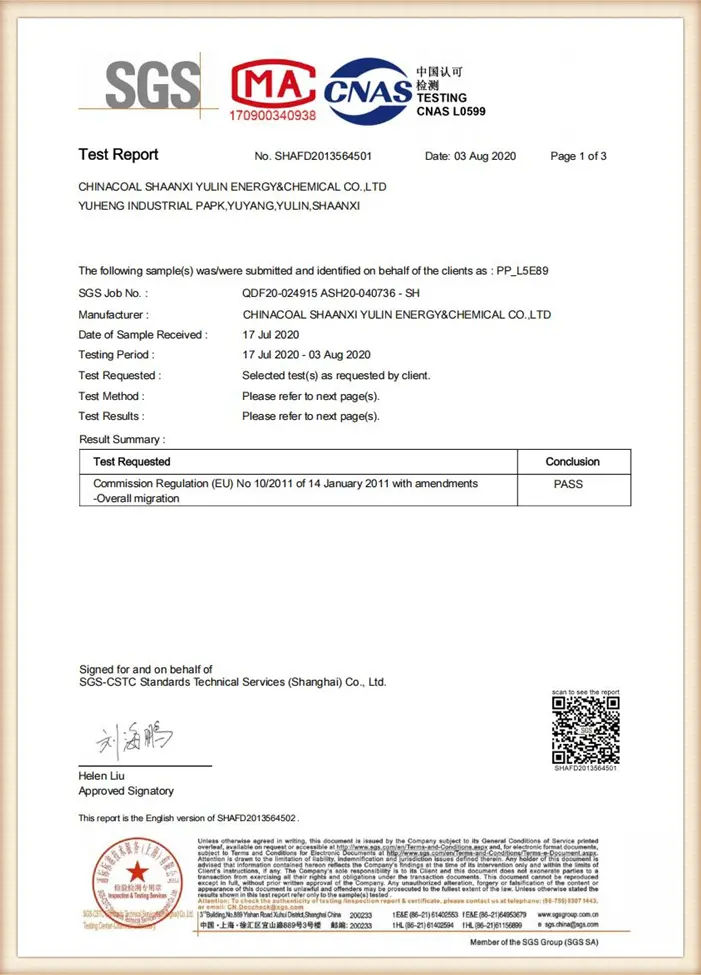
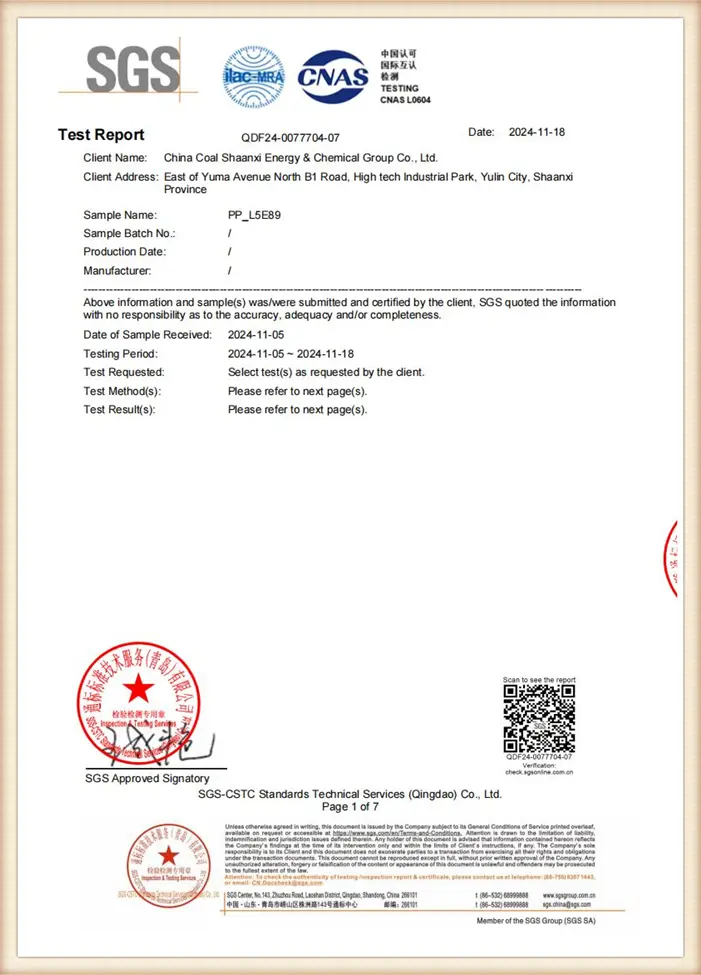
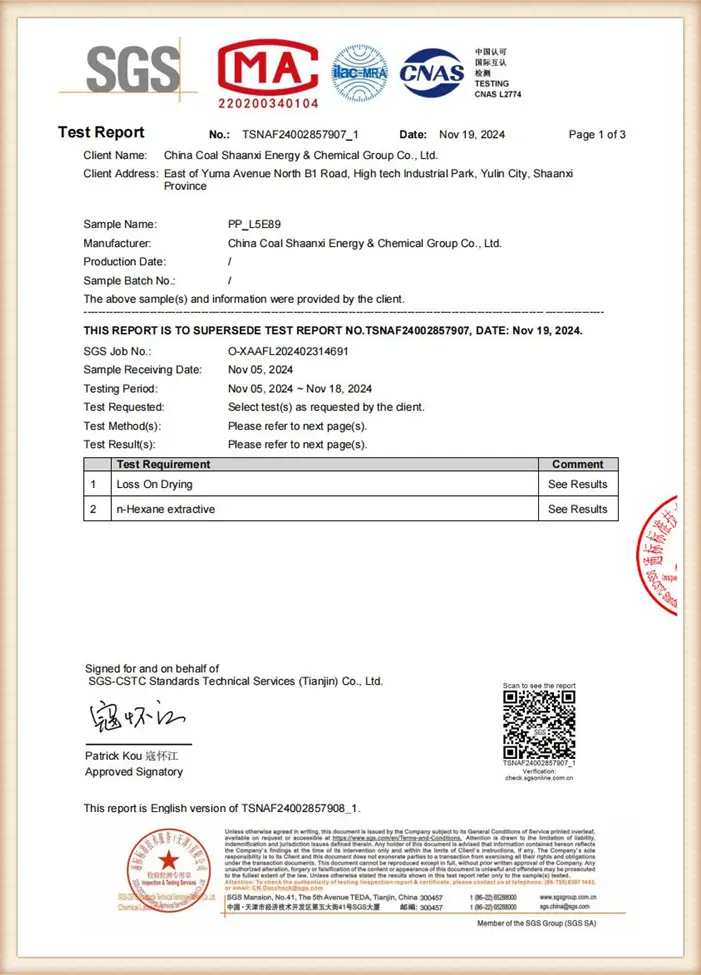
A: Absolutely. Our production facility is ISO 22000 and FDA compliant. We use 100% virgin materials and conduct all sewing in a certified dust-free workshop to ensure no contamination, making them perfect for Halal-certified food products.
A: Typically, production takes 15-25 days depending on customization. Shipping from our nearby China ports to Malaysia's main ports usually takes 7-12 days, offering a highly efficient supply chain solution.
Partner with a manufacturer that understands the intersection of Material Science and Global Supply Chain Dynamics.
 Zhensheng