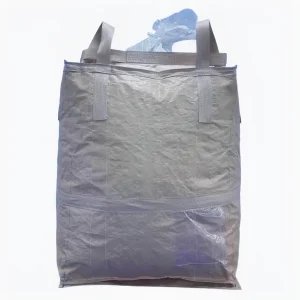
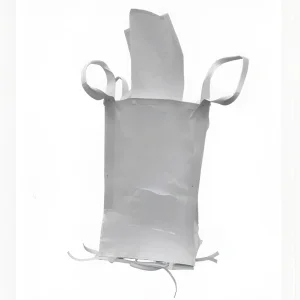
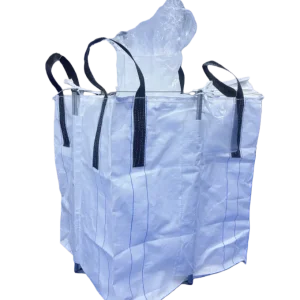
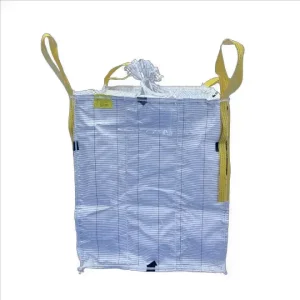
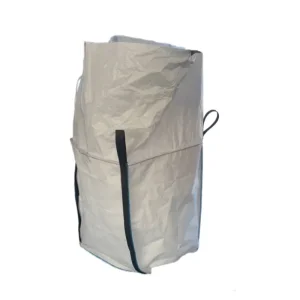
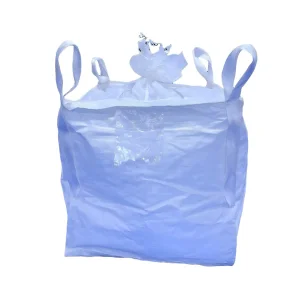
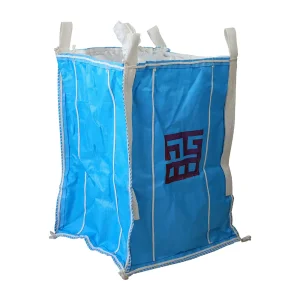
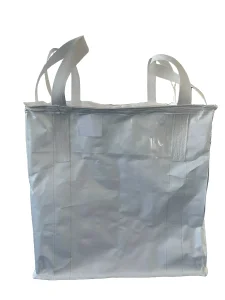
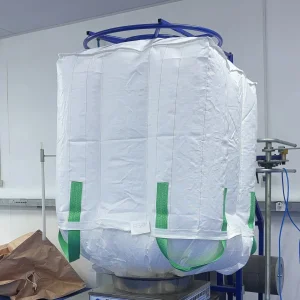
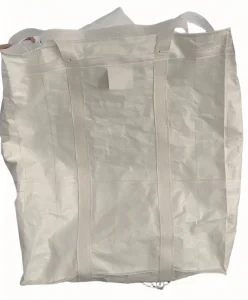
Seattle, Washington, is no longer just the world’s aerospace capital; it has evolved into a sophisticated multimodal industrial hub. As a Tier-1 Functional FIBC Bags Factory service provider, we recognize the unique demands of the Pacific Northwest (PNW) industrial landscape. From the massive logistics operations at the Port of Seattle to the precision chemical needs of the burgeoning clean-tech corridor, the requirement for high-performance bulk containers has never been more critical.
Years of OEM/ODM Industry Experience
Monthly Units Output Capacity
Certified Cleanroom Production
Virgin Polypropylene Quality Guarantee
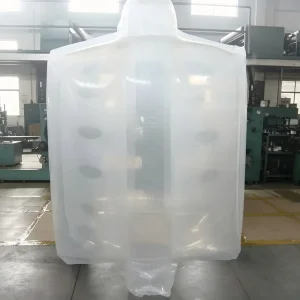
The global Flexible Intermediate Bulk Container (FIBC) market is shifting toward "Functionalization." Seattle-based procurement managers are increasingly moving away from generic bulk bags toward application-specific solutions. Information Gain in this sector is found in the integration of specialized inner liners—such as aluminum foil for moisture-sensitive battery powders or antistatic Type-C coatings for flammable chemical environments.
Our research into Seattle’s industrial intent reveals a high demand for Food-Grade FIBCs (for agricultural exports) and Conductive Bags (for the high-tech and aerospace components industry). We provide not just the bag, but a complete lifecycle packaging strategy that ensures Seattle businesses comply with both domestic DOT regulations and international safety standards.
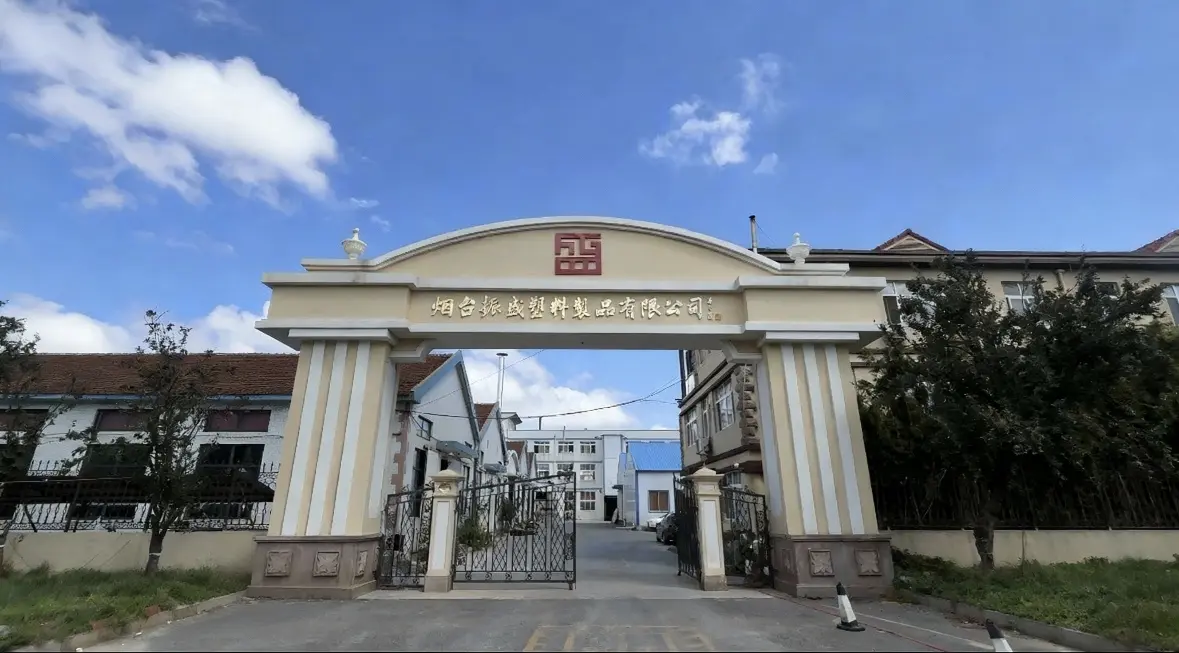
Founded in 1988, Yantai ZS Bulk Bags Manufacturing Co., Ltd. brings 36 years of fabrication mastery. We don't just "sew bags"; we engineer structural integrity. Our use of ultrasonic cutting prevents frayed fibers—a critical requirement for Seattle’s high-purity pharmaceutical and battery material industries.
Every FIBC we supply to Seattle factories undergoes rigorous testing. We maintain ISO 9001 and ISO 22000 certifications, ensuring that our food-grade solutions are manufactured in 100% dust-free environments that meet stringent FDA and international hygiene protocols.
While our production facilities are world-class, our service logic is local. We understand the logistical nuances of the Seattle-Tacoma (Sea-Tac) region, providing documentation and packaging specs that expedite customs and local inland transport.
Our future-ready roadmap includes the integration of Smart-Tracking (RFID) and sustainable, circular-economy materials that allow Seattle corporations to meet their ESG (Environmental, Social, and Governance) goals without compromising safety.
Seattle’s aerospace sector requires dust-proof, antistatic packaging for composite materials and sensitive metallic powders. Our Type C and Type D FIBCs offer the grounding and static dissipation required for Class II and III hazardous environments.
With the Port of Seattle handling millions of TEUs, our UV-resistant and high-strength bags are designed for long-duration outdoor storage and rough sea-freight handling, preventing moisture ingress and material leakage.
The PNW is a gateway for wheat, corn, and specialty grains. Our Baffle Bags (Q-Bags) optimize container space by up to 30%, significantly reducing the "Per-Ton" shipping cost from Seattle to global markets.
Our closed-loop production ensures every bag destined for Seattle is traceable from the raw polypropylene pellet to the final quality seal.
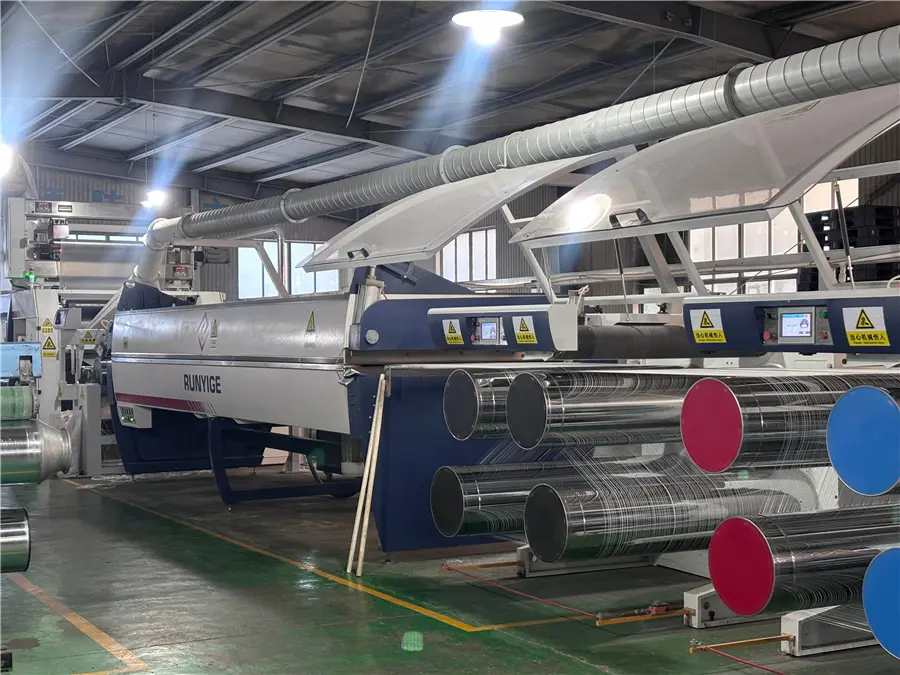
Step 1: Precision Drawing
Ensuring tensile strength in every thread.
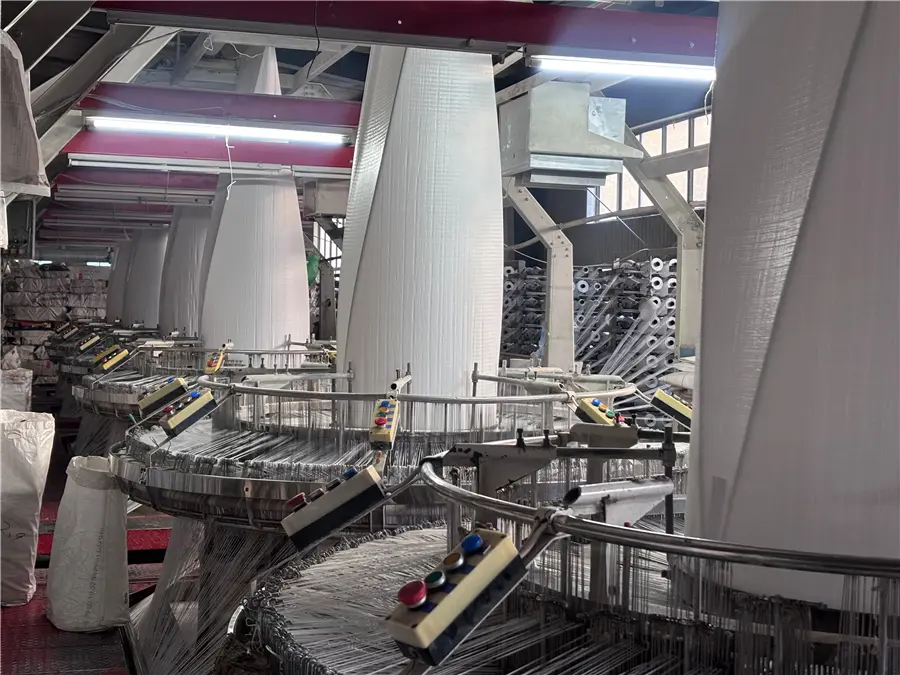
Step 2: Dense Weaving
Automated looms for consistent fabric density.
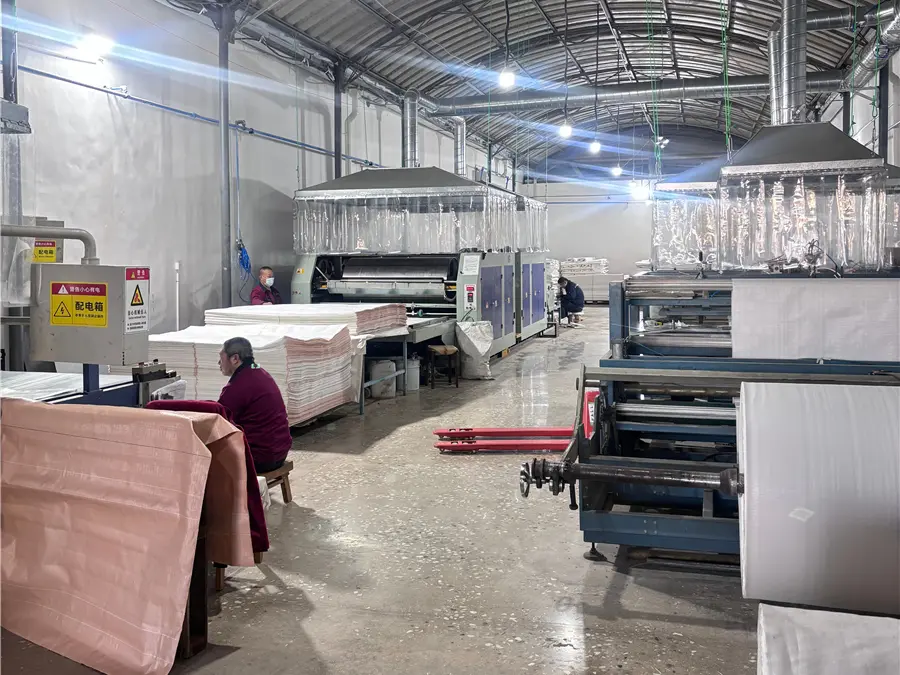
Step 3: Custom Printing
Seattle brand-compliant high-visibility labeling.
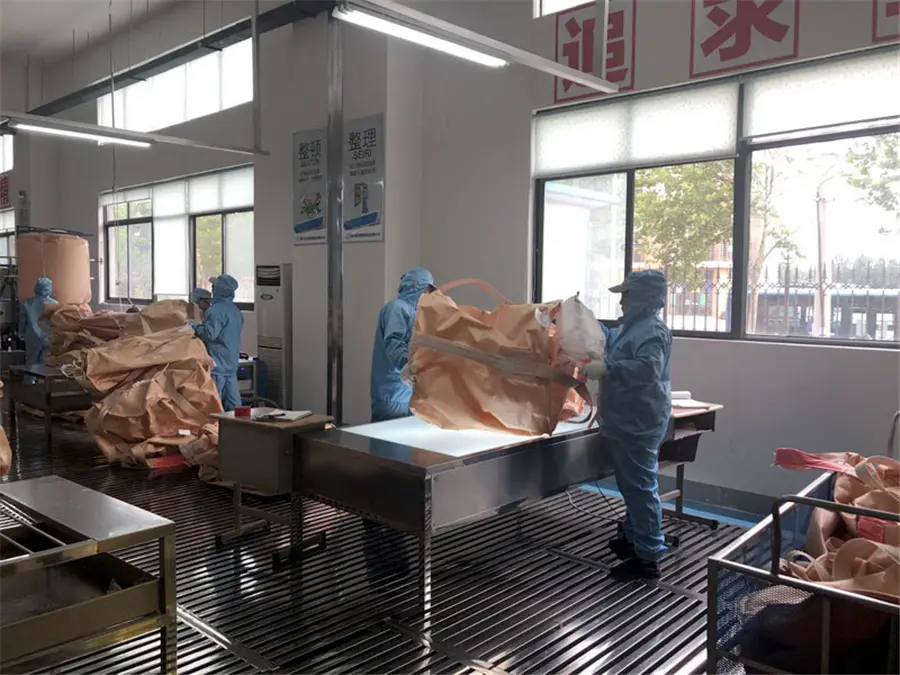
Step 4: Quality Control
Multi-stage verification for Seattle compliance.
A: For exporters in the PNW, we recommend bags manufactured in ISO 22000 certified facilities that utilize FDA-compliant 100% virgin polypropylene. This ensures the bags meet both USDA and global food safety standards for international trade.
A: Yes. Our Type C Conductive Bags are engineered with interwoven conductive threads and must be grounded during filling and discharging. They are essential for Seattle factories handling flammable materials where static discharge could lead to combustion.
A: Baffle bags maintain their square shape after filling, preventing the "belly" effect. This allows for more efficient stacking in shipping containers, potentially increasing payload by 25-30% and significantly lowering logistics overhead per ton.
A: While production times vary by complexity, our high monthly output of 250,000 units ensures rapid turnaround. We work closely with Sea-Tac logistics partners to optimize transit times from our factory to your Seattle warehouse.
Partner with a manufacturer that combines 30+ years of expertise with the innovative technical requirements of the Seattle market.
 Zhensheng