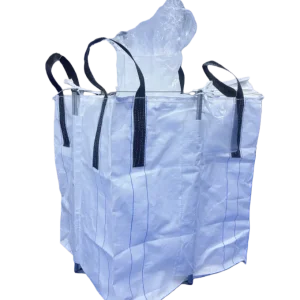
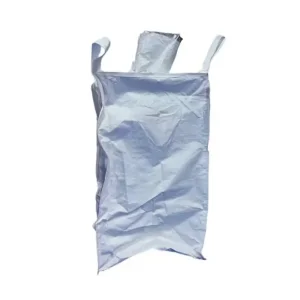
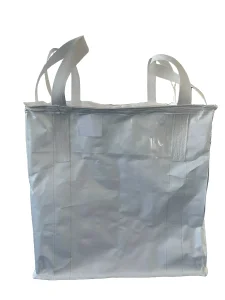
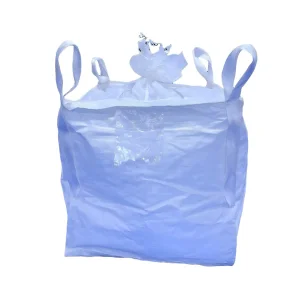
FIBC (Flexible Intermediate Bulk Containers), commonly known as jumbo bags or ton bags, have transcended their role as simple containers to become critical assets in the global construction supply chain. As infrastructure projects scale in complexity and geographical reach, the demand for high-integrity packaging that can withstand extreme environments, rigorous mechanical handling, and long-distance maritime transport has surged. For building material wholesalers and suppliers, the choice of FIBC manufacturer is no longer just a procurement decision; it is a risk management strategy.
In the macro-economic landscape, the building materials sector is shifting toward Circular Economy principles. This means FIBCs must now balance heavy-duty performance with sustainability—incorporating recycled content without compromising the safety factor (SF 5:1 or 6:1). As a leading manufacturer, Yantai ZS Bulk Bags addresses these challenges by integrating advanced polypropylene (PP) extrusion technologies and UV-stabilization treatments that extend bag life in outdoor construction sites where exposure to sunlight and harsh weather is inevitable.
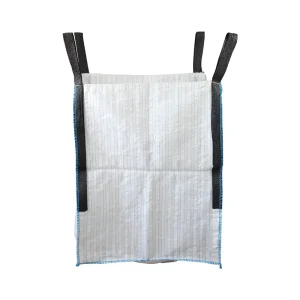
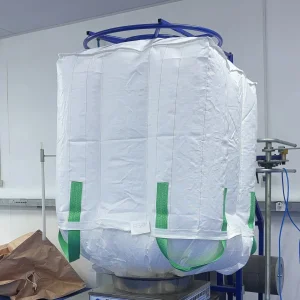
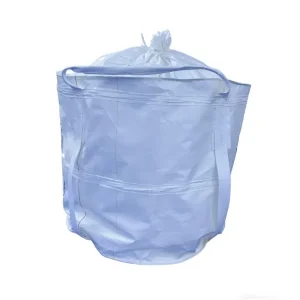
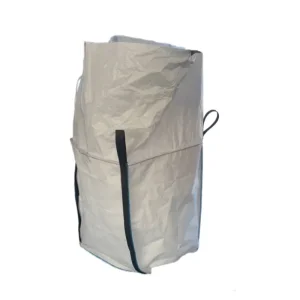
Global procurement demands are now centered on logistical efficiency. Baffle bags (Q-bags), for instance, offer up to 30% more space utilization in shipping containers compared to standard circular bags. This direct reduction in carbon footprint and transportation costs is why large-scale suppliers of cement, dry-mix mortars, and aggregate minerals are increasingly pivoting toward customized, form-stable FIBC solutions.
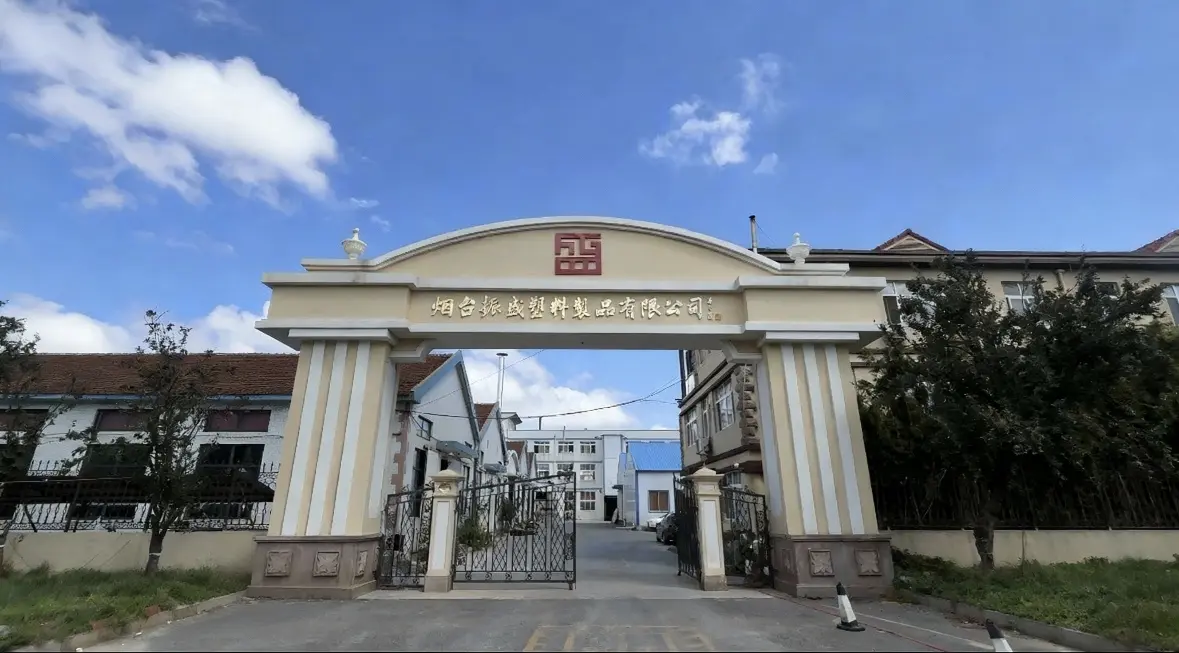
Founded in 1988, Yantai ZS Bulk Bags Manufacturing Co., Ltd. is a professional manufacturer specializing in the customized design and production of mid-to-high-end FIBCs. With over 30 years of dedication, we provide packaging solutions that carry trust and safeguard value for global customers.
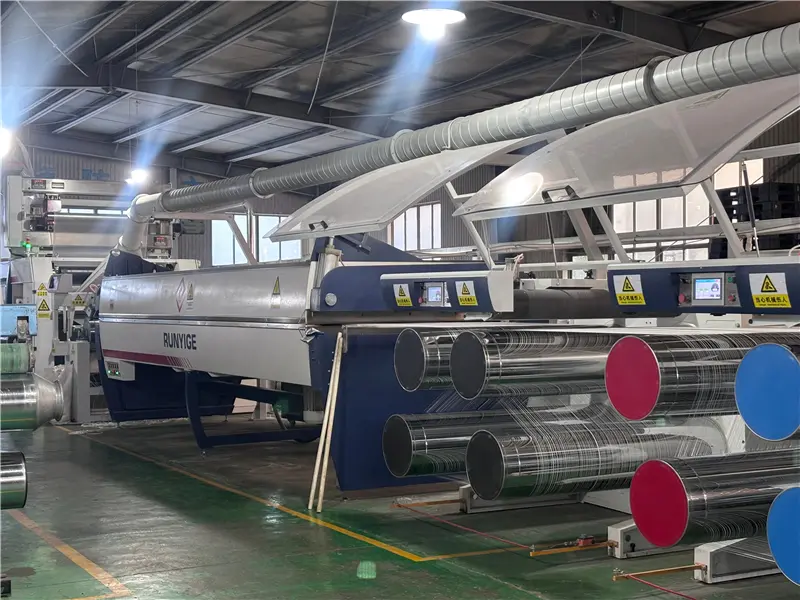
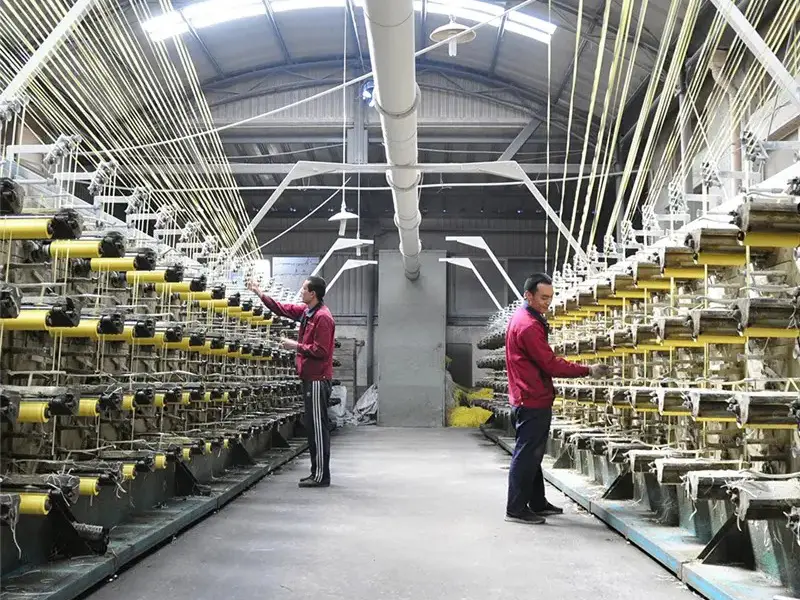
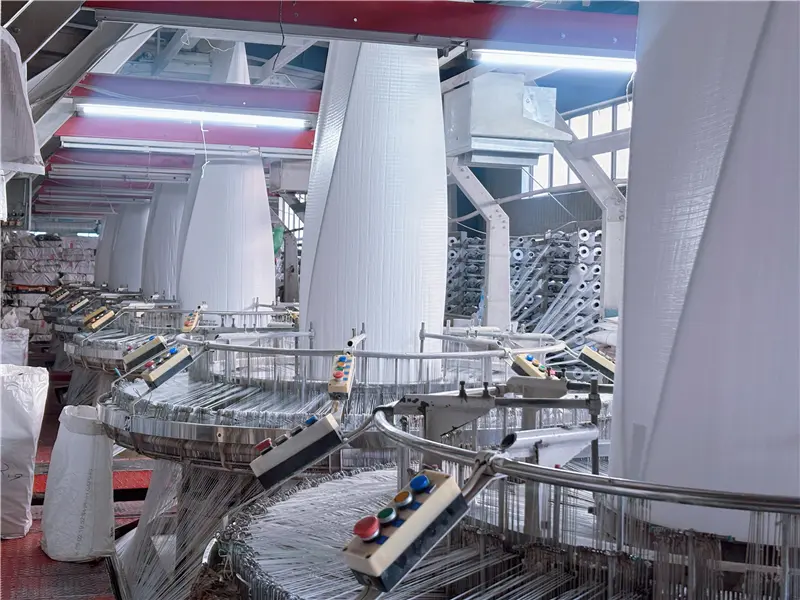
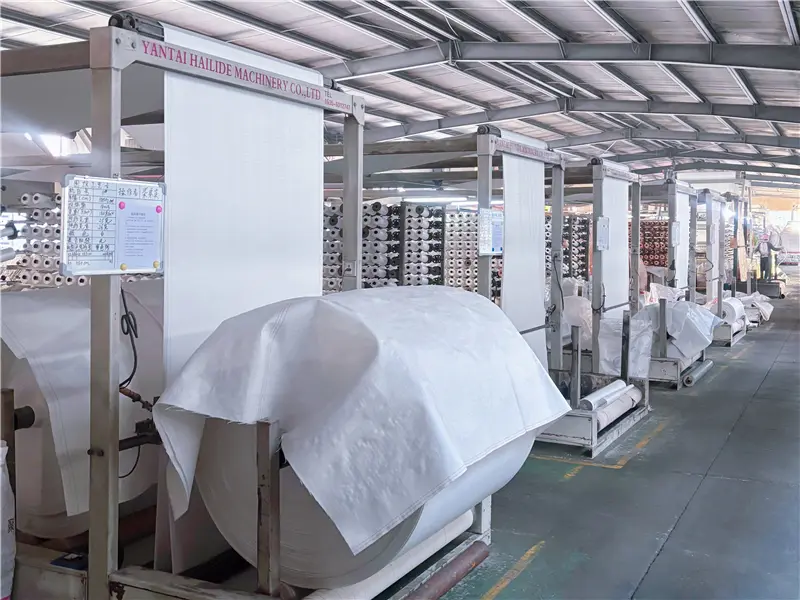
Our two modern production bases in Muping and Laishan cover 60,000 square meters, employing over 300 experts. We maintain a stable monthly output of over 250,000 units, ensuring we meet bulk procurement needs with precision and speed.
We are pioneering the use of Nano-composite PP resins to increase tensile strength while reducing fabric weight. This reduces plastic waste without compromising the Safe Working Load (SWL) for heavy building materials like copper concentrates or hot asphalt.
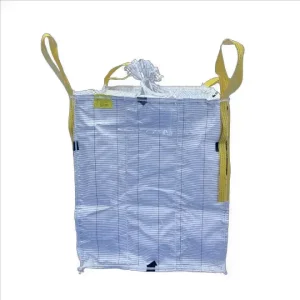
For chemical building materials and fine powders, static discharge is a critical safety risk. Our Type C Conductive bags utilize interwoven carbon filaments and grounding points to ensure zero ignition risk in flammable atmospheres.
The future of FIBC involves IoT. We are testing RFID and QR-code integration for real-time inventory tracking and provenance verification—essential for large-scale infrastructure projects requiring strict compliance audits.
Implementing a closed-loop recycling program where used bags are collected, pelletized, and reintroduced into non-structural components, helping our clients meet their ESG (Environmental, Social, and Governance) targets.
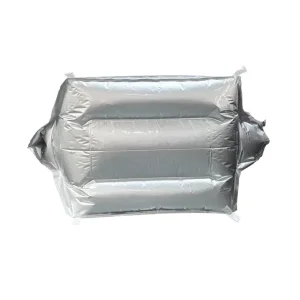
For moisture-sensitive goods like MSG or pharmaceutical-grade construction additives, our aluminum foil liners provide an airtight barrier against oxidation, moisture ingress, and UV radiation.
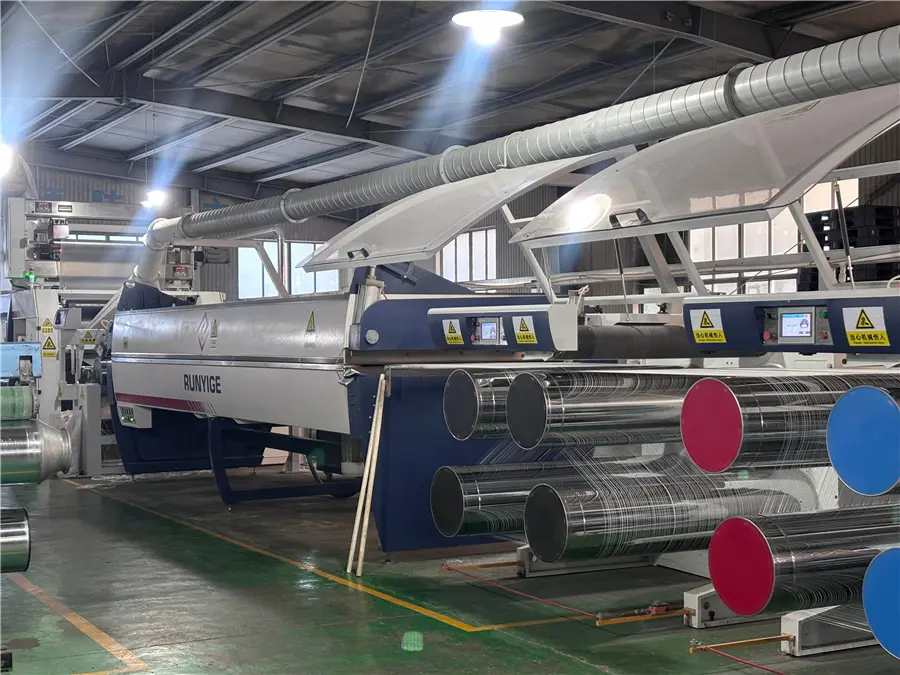
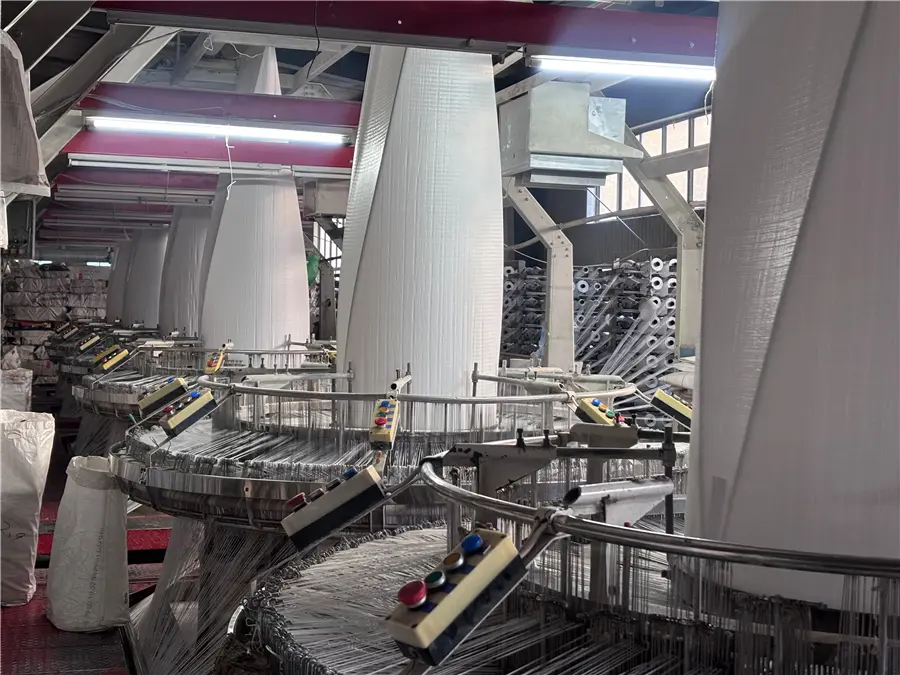
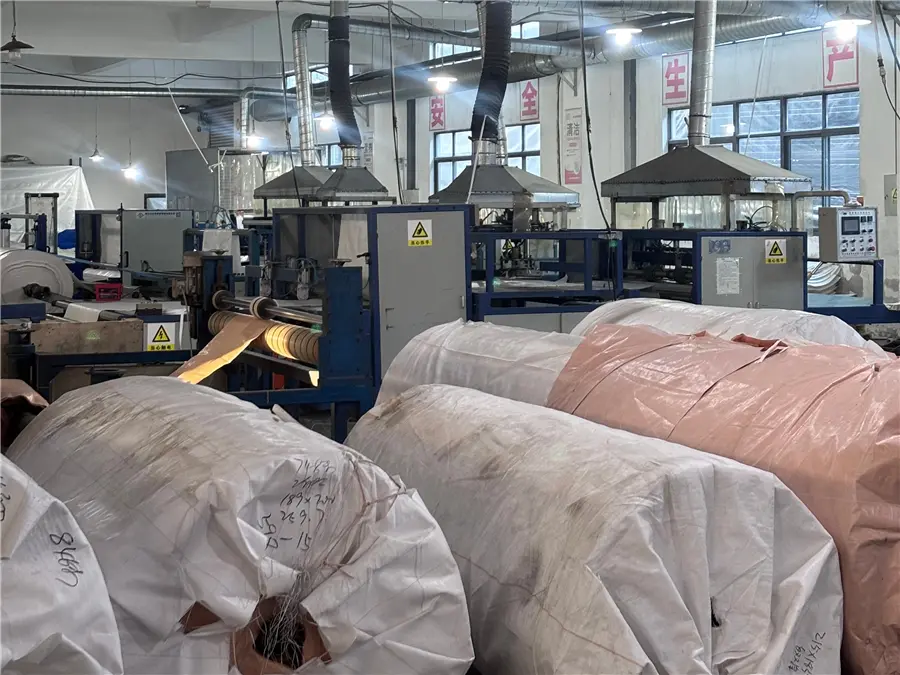
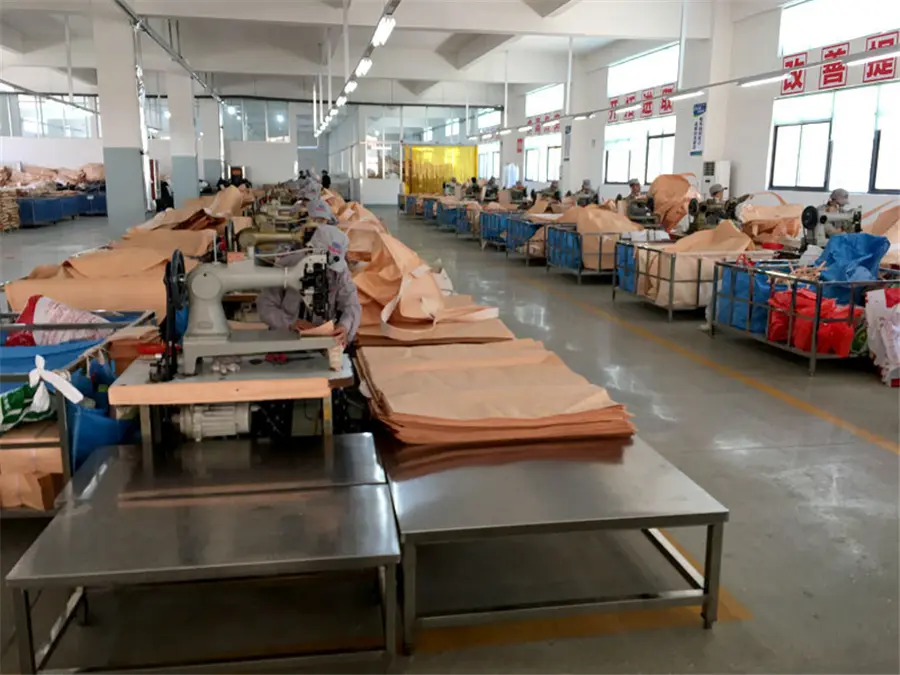
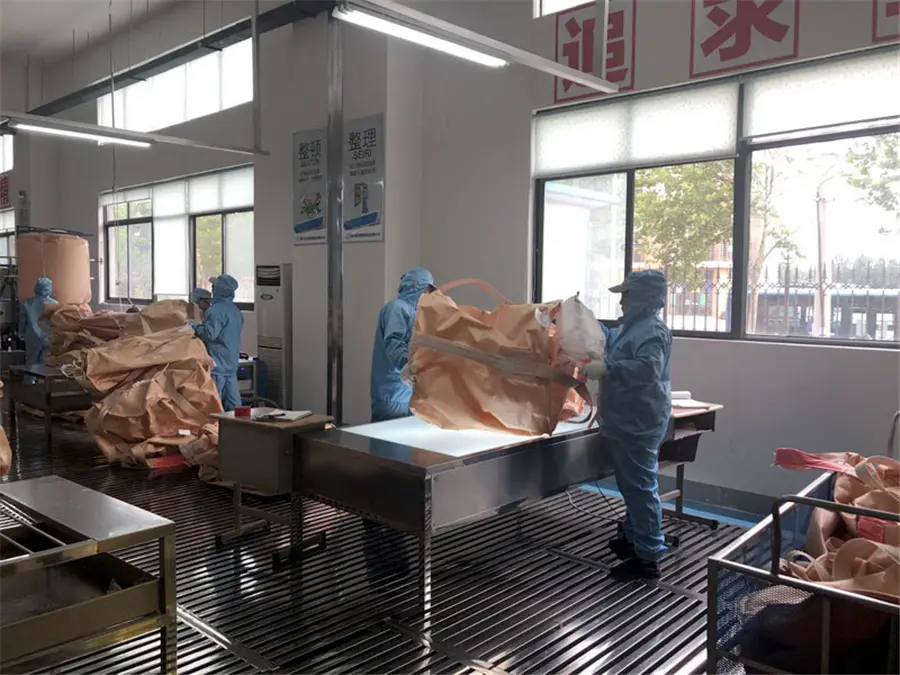
Expert Note: All high-hygiene sewing processes are completed in a dust-free workshop meeting ISO 22000 standards. We use ultrasonic cutting to eliminate fraying—a common contamination source in traditional building material bags.
The North American market is witnessing a surge in Type D antistatic bags for hazardous mineral transport, driven by stricter OSHA safety regulations. Meanwhile, in the Middle East and Asia-Pacific, the focus is on UV-resistance due to intense solar radiation at mega-infrastructure sites.
European clients are leading the demand for UN-Certified FIBCs for the transport of dangerous building chemicals, requiring manufacturers to pass rigorous drop, topple, and stack tests.
Reliability is built on certification. Our facility strictly complies with:
 Zhensheng