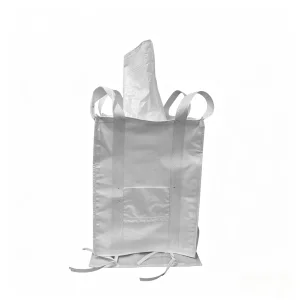
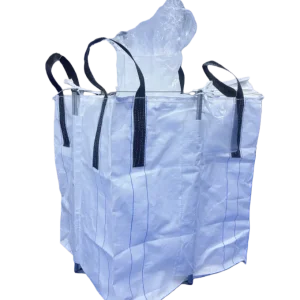
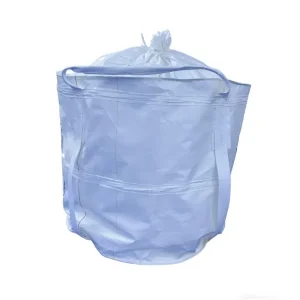
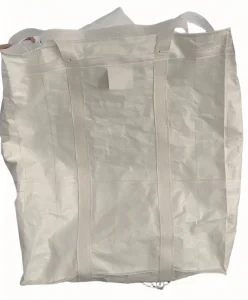
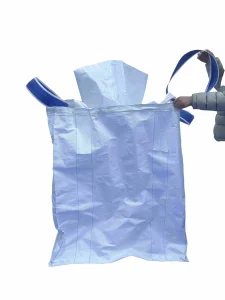
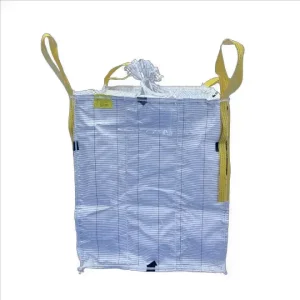
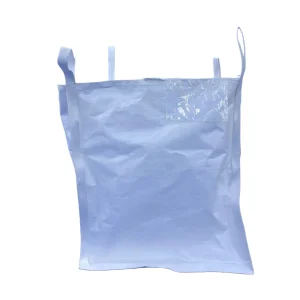
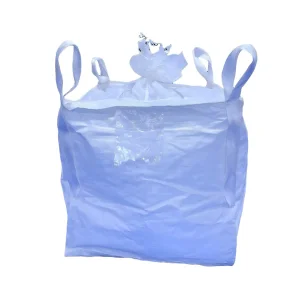
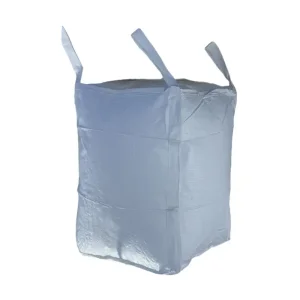
In the high-stakes world of global logistics, the Flexible Intermediate Bulk Container (FIBC) has transitioned from a mere storage sack to a critical component of supply chain integrity. For industries dealing with ultra-fine powders—such as lithium battery materials, specialized chemical catalysts, and pharmaceutical ingredients—a standard bag is insufficient. The demand for leak-proof FIBC bags has surged as companies strive to eliminate product loss, environmental contamination, and worker exposure to hazardous dust.
As a leading ODM leak-proof FIBC bags manufacturer, Yantai ZS Bulk Bags Manufacturing Co., Ltd. recognizes that "leak-proof" is not just a feature; it is a multi-layered engineering requirement. From the molecular weight of the polypropylene resin to the precision of ultrasonic seam welding, every detail contributes to the Information Gain our partners receive when optimizing their packaging overhead. Modern industrial scenarios require containers that handle 1.5-ton loads while maintaining a hermetic seal against moisture and oxygen.
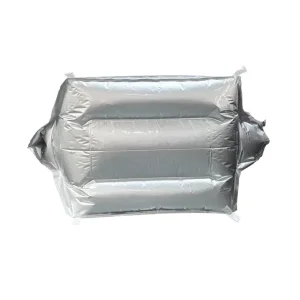
The global shift toward green energy, specifically Electric Vehicles (EVs), has placed unprecedented pressure on the packaging sector. Battery-grade materials like lithium cobalt oxide or graphite are exceptionally fine and sensitive. Procurement officers in the EU and North America now mandate cleanroom-manufactured FIBCs. The trend is moving away from basic sift-proofing toward multi-barrier aluminum foil liners that provide absolute protection against electromagnetic interference and atmospheric moisture.
While many regions offer bulk bags, the China Factory 4.0 model—exemplified by Yantai ZS—integrates AI-driven quality inspection and automated weaving looms. This isn't just about cost; it's about Supply Chain Resilience. By owning the entire process from raw material drawing to final sewing, we mitigate the risks of global logistics disruptions. A closed-loop industrial chain ensures that even if external raw material prices fluctuate, our delivery efficiency remains consistent, safeguarding your production timeline.
Unlike traditional heat cutting, ultrasonic technology eliminates fraying at the molecular level, ensuring zero polypropylene fibers contaminate your product.
Designed for powders finer than 50 microns. We use specialized felt and cord fillers to block every stitch hole in the bag's structure.
Our food-grade and pharmaceutical bags are sewn in positive-pressure environments to meet the most stringent hygiene standards globally.
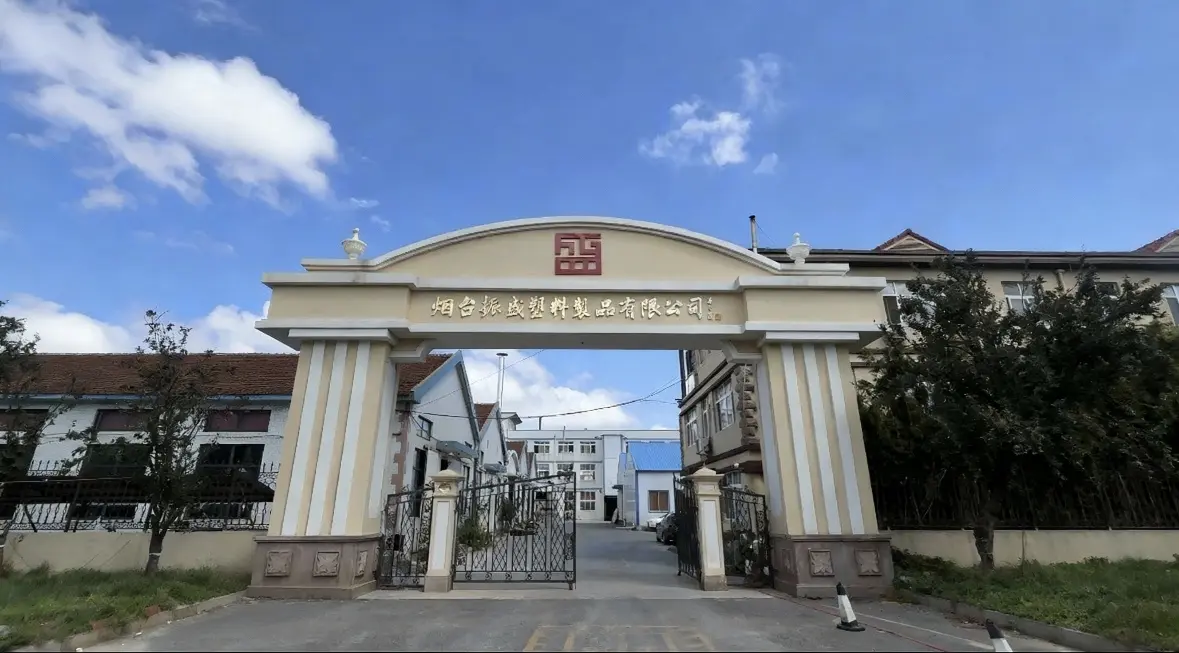
Founded in 1988, Yantai ZS Bulk Bags Manufacturing Co., Ltd. is a professional manufacturer specializing in the customized design and production of mid-to-high-end FIBCs. With over 30 years of dedication, we provide packaging solutions that carry trust and safeguard value for global customers.
Our two modern production bases in Yantai City cover 60,000 square meters, housing more than 300 employees and 30+ technical personnel. We maintain a stable monthly output of over 250,000 units, capable of meeting both bulk procurement and personalized ODM/OEM requirements.
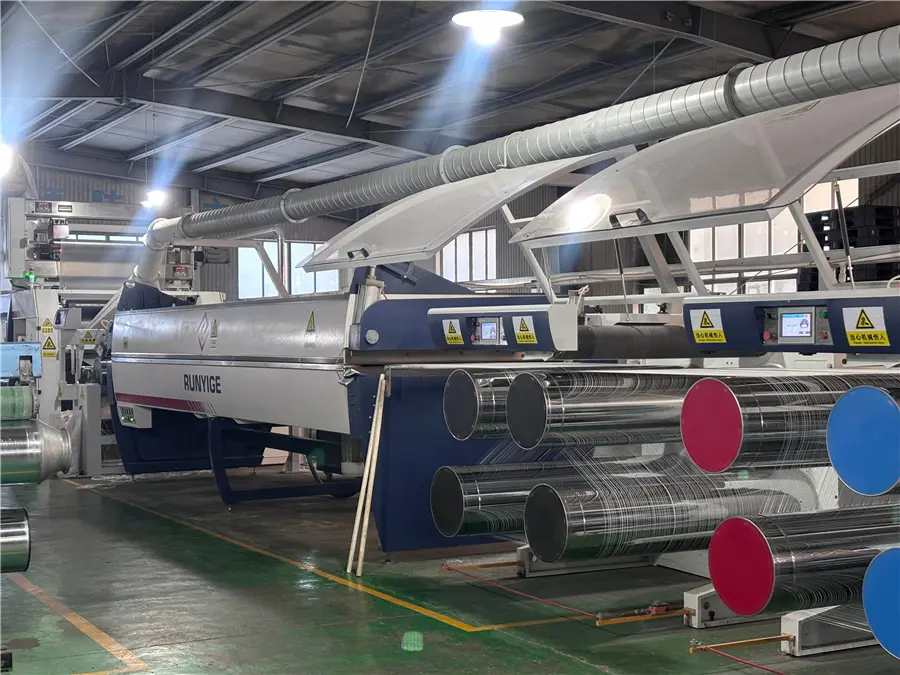
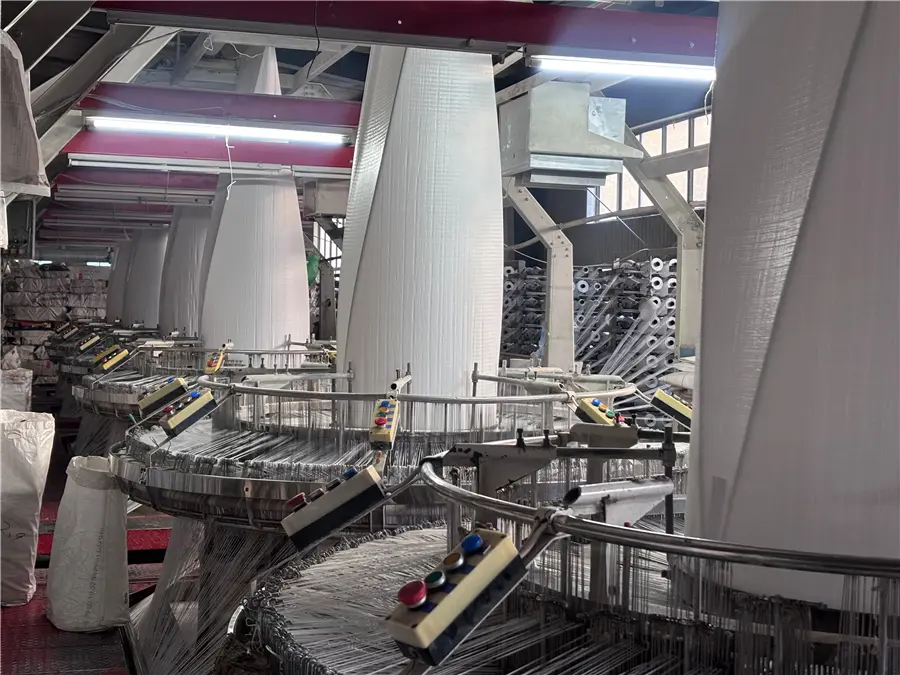
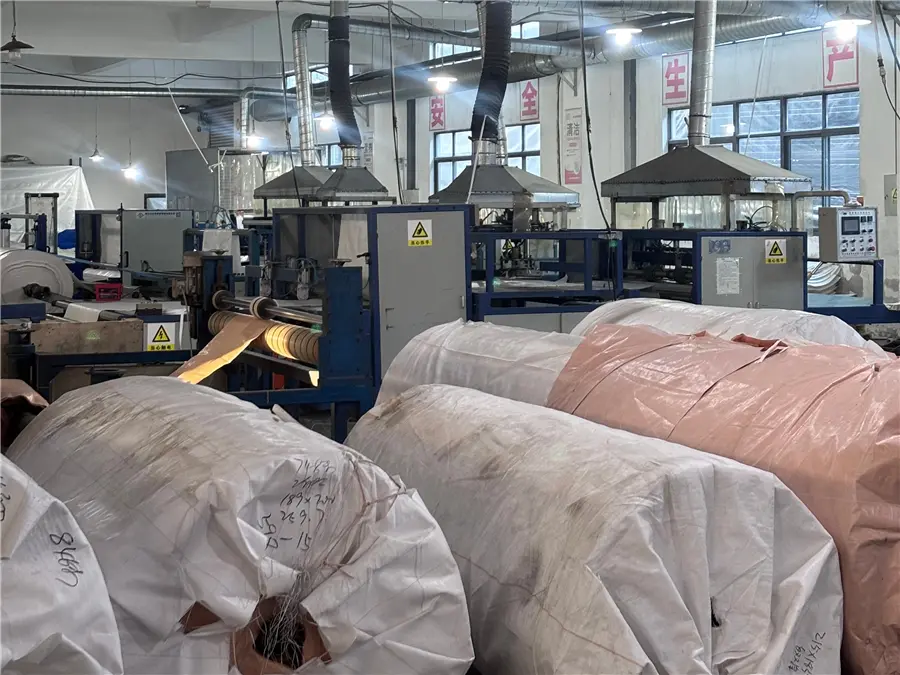
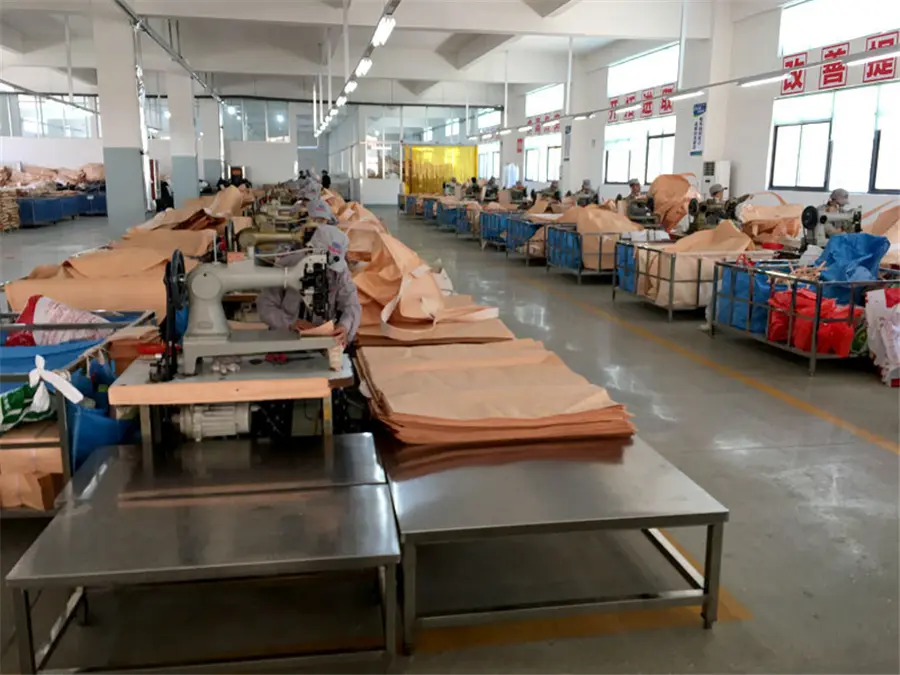
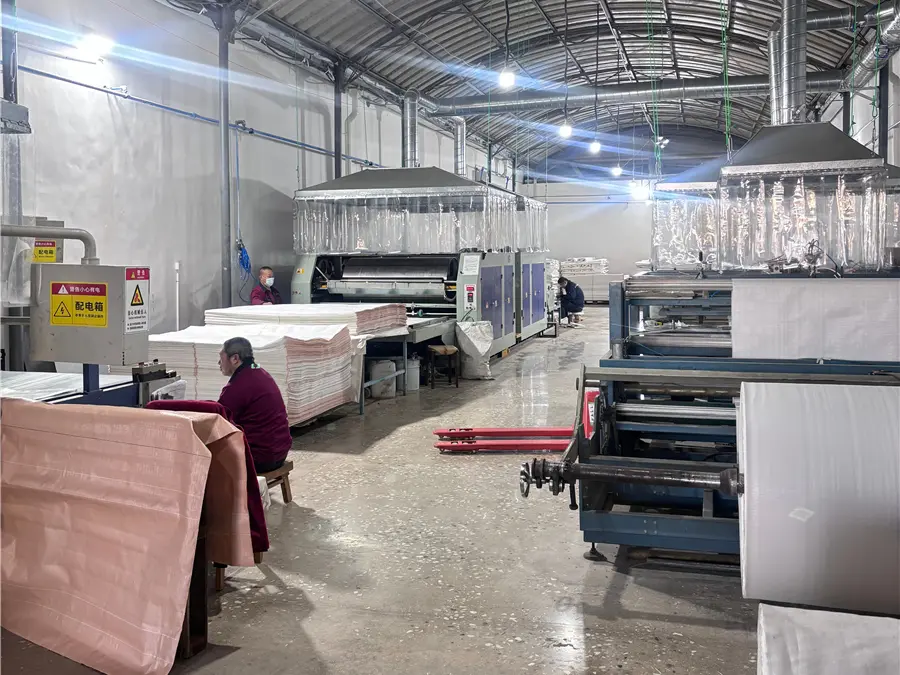
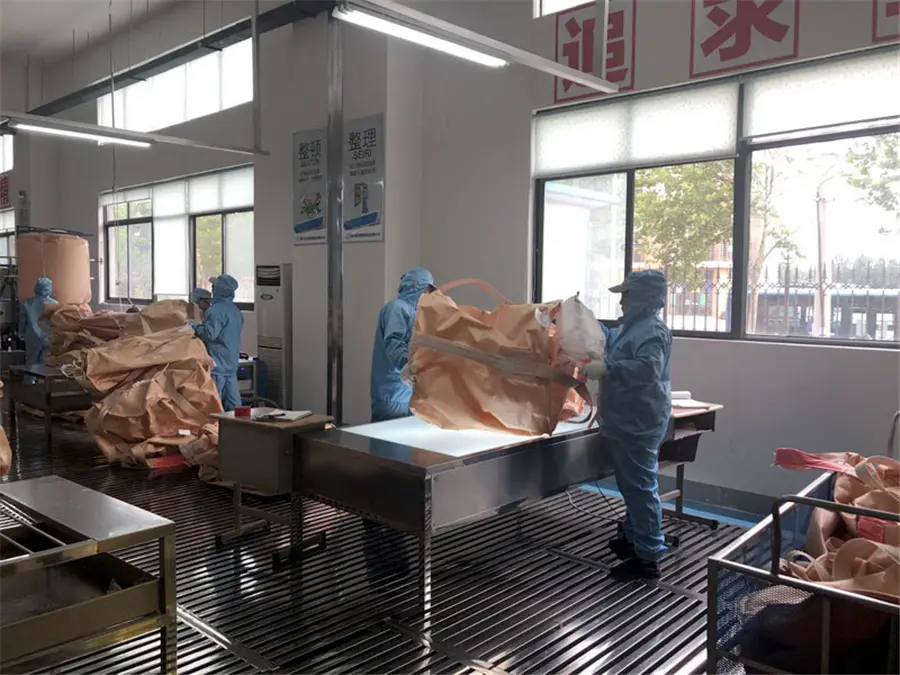
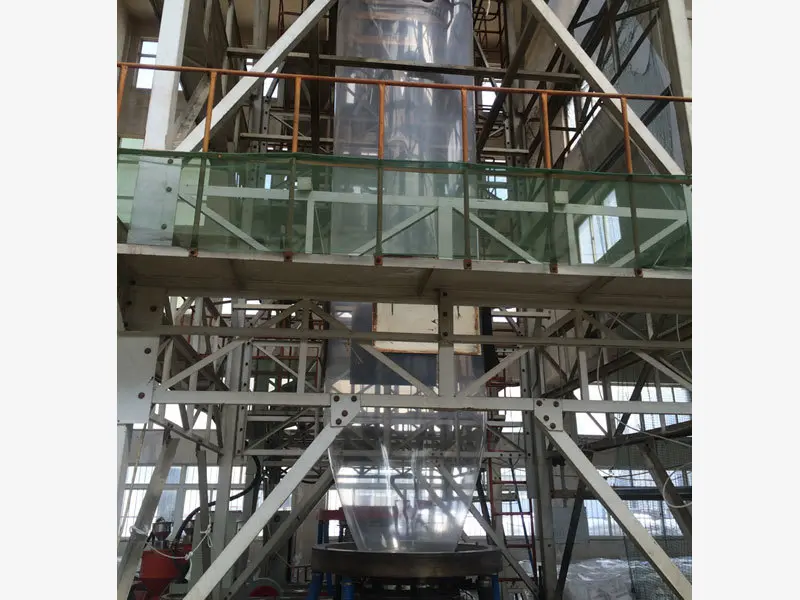
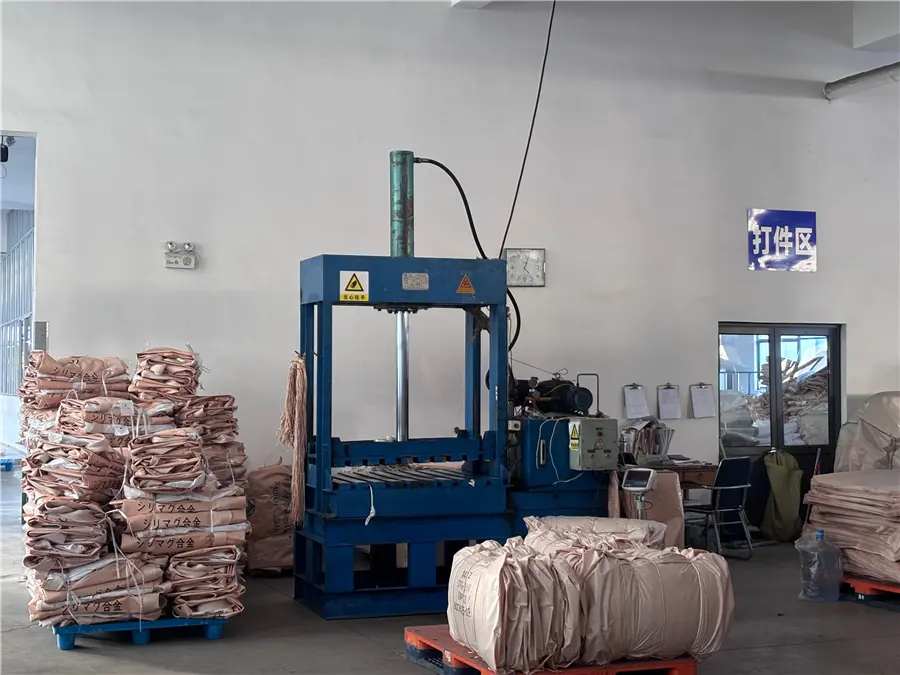
Our commitment to Experience, Expertise, Authoritativeness, and Trustworthiness is reflected in our certifications. We strictly comply with ISO 9001 and ISO 22000 standards. By utilizing 100% virgin polypropylene and ultrasonic cutting, we eliminate traditional manufacturing impurities, making ZS Bulk Bags a reliable choice for pharmaceutical and food-grade ton bags.
For chemical manufacturers in Germany and the Netherlands, our 1.5-ton anti-leak bulk bags with inner coating are the standard. They prevent moisture ingress during sea freight, ensuring the product arrives in pristine condition.
Designed for extreme temperatures, our specialized high-temperature resistant bags can handle material loading up to 150°C without compromising structural integrity.
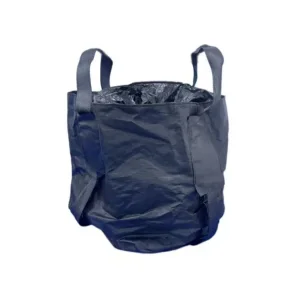
In heavy-duty mineral transport, U-panel circular bags provide the necessary tensile strength to withstand rough handling in remote mining sites.
Battery materials require "High Cleanliness" bags. Our dust-free workshops ensure that no foreign particles enter the supply chain of EV manufacturers.
 Zhensheng