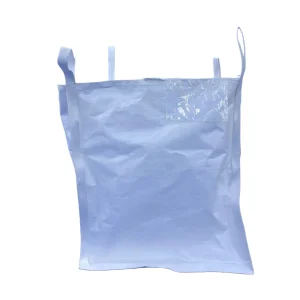
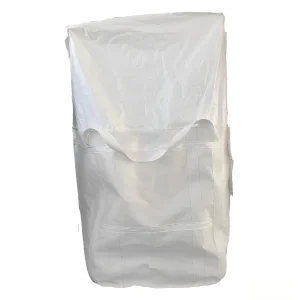
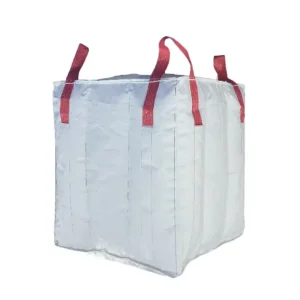
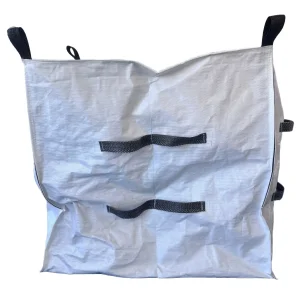
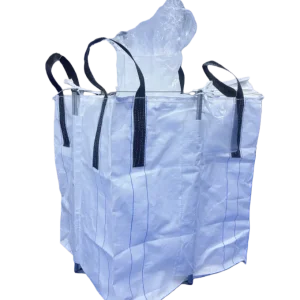
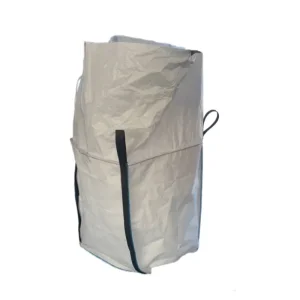
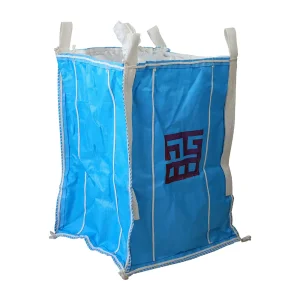
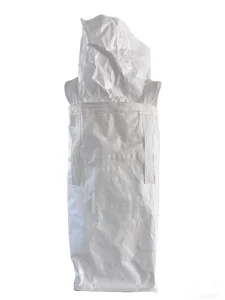
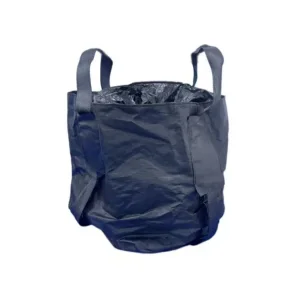
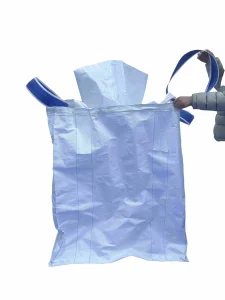
In the modern global supply chain, the integrity of bulk materials during transit is no longer a luxury—it is a critical operational requirement. As chemical, pharmaceutical, and food-grade powders travel across oceans and through varying climatic zones, the demand for Barrier Liner FIBC (Flexible Intermediate Bulk Containers) has surged. Traditional bulk bags, while physically robust, lack the molecular density to prevent oxygen ingress, moisture absorption, or the escape of volatile organic compounds (VOCs). This is where advanced barrier technology transforms a simple container into a sophisticated preservation system.
Global industrial data suggests that up to 15% of hygroscopic materials (like certain specialty resins or food ingredients) are compromised due to moisture damage during maritime shipping. Barrier liners, typically constructed from multi-layer films including Aluminum Foil, EVOH (Ethylene Vinyl Alcohol), or LLDPE, provide a near-zero Transmission Rate (TR) for gases and vapors. This ensures that a "Pricelist" for these bags reflects not just the plastic cost, but the value of the "insurance" they provide for high-value cargo.
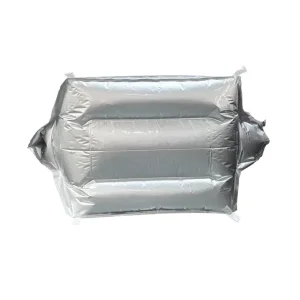
The gold standard for total opacity and moisture protection. Ideal for oxygen-sensitive chemicals and products requiring long-term shelf stability. It provides a complete metallic barrier that blocks UV light and electromagnetic interference.
Offering exceptional clarity and gas barrier properties without the use of metal. These are preferred for food-grade applications where metal detection is required during the packaging process.
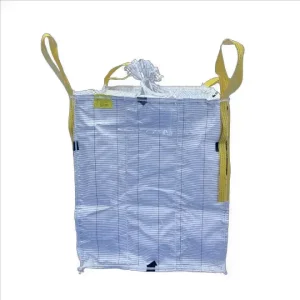
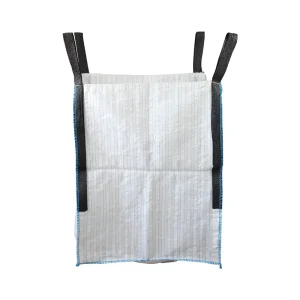
For industries dealing with combustible dusts, our Type C and Type D barrier liners integrate conductive layers to ensure safe grounding, preventing catastrophic electrostatic discharges.
Founded in 1988, Yantai ZS Bulk Bags Manufacturing Co., Ltd. has evolved from a local factory into a global leader in high-end FIBC customization. With production bases covering 60,000 square meters and a monthly output of 150,000+ units, we represent the pinnacle of China's Factory Efficiency. Our commitment to the E-E-A-T principle is evidenced by our ISO 9001 and ISO 22000 certifications, ensuring that every bag we export is a symbol of reliability.
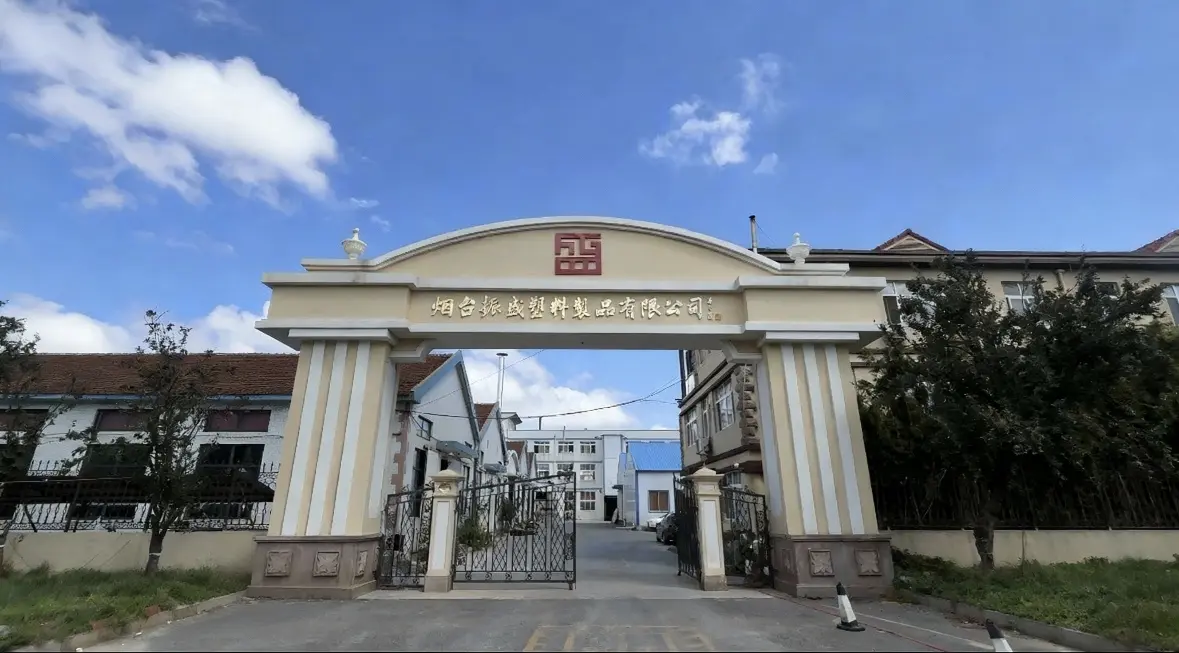
Unlike many exporters who outsource components, Yantai ZS manages the entire lifecycle: from raw material processing (drawing and weaving) to high-precision ultrasonic cutting and sewing in dust-free workshops. This allows for unmatched cost-effectiveness and 100% traceability.
Our food-grade and pharmaceutical-grade FIBCs are manufactured in environments that meet ISO 22000 standards. We use 100% virgin polypropylene and specialized dust-removal equipment to ensure zero contamination for sensitive materials.
The "Pricelist" of a barrier bag is often determined by its specific application. Our engineering team provides Information Gain by analyzing your material’s chemical properties and recommending the exact micron thickness and layer composition required for optimal performance.
Preventing the clumping of hygroscopic polymers during humid sea transit. Barrier liners maintain a stable internal atmosphere, ensuring free-flowing discharge at the destination.
For cassava flour, MSG, and milk powders, our bags prevent odor contamination and oxygen-induced oxidation, preserving the sensory qualities of the food products.
Heavy-duty solutions for copper and aluminum concentrates where UV resistance and extreme structural strength (up to 2-ton capacity) are non-negotiable.
UN-certified barrier bags designed to contain toxic or reactive materials, preventing environmental leaching and ensuring compliance with international maritime safety codes.
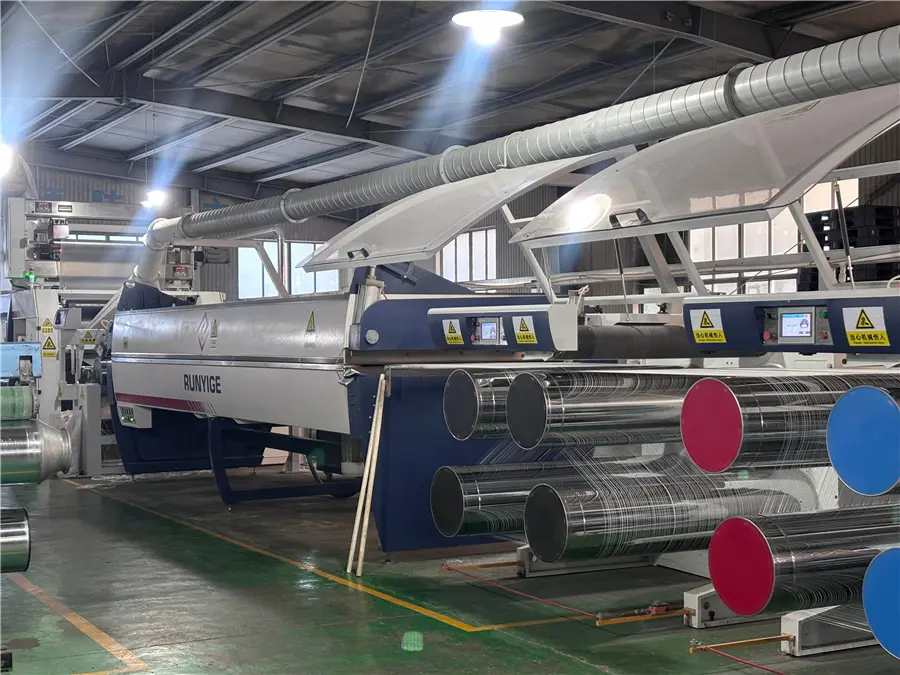
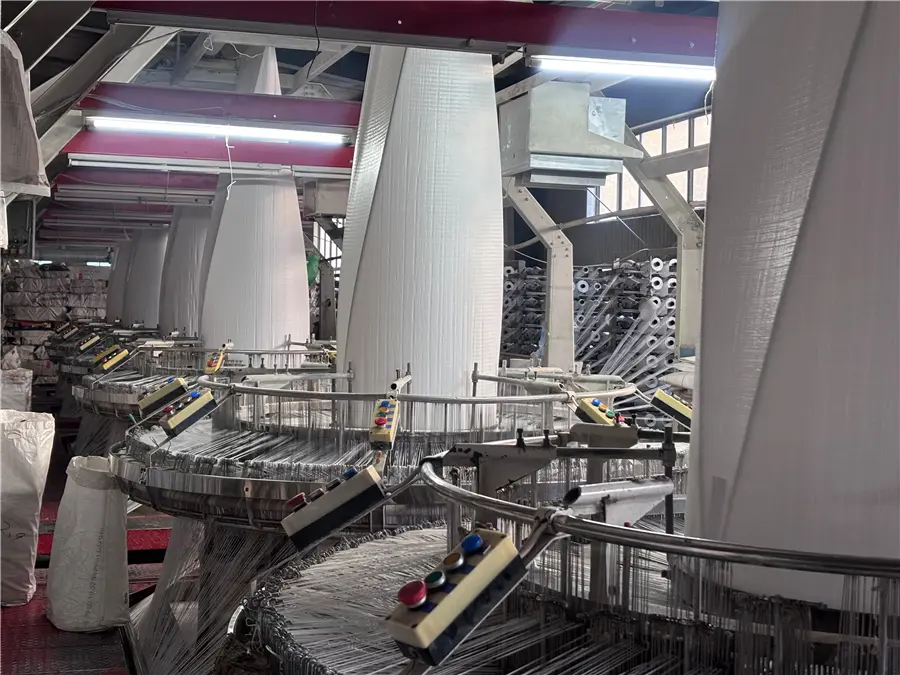
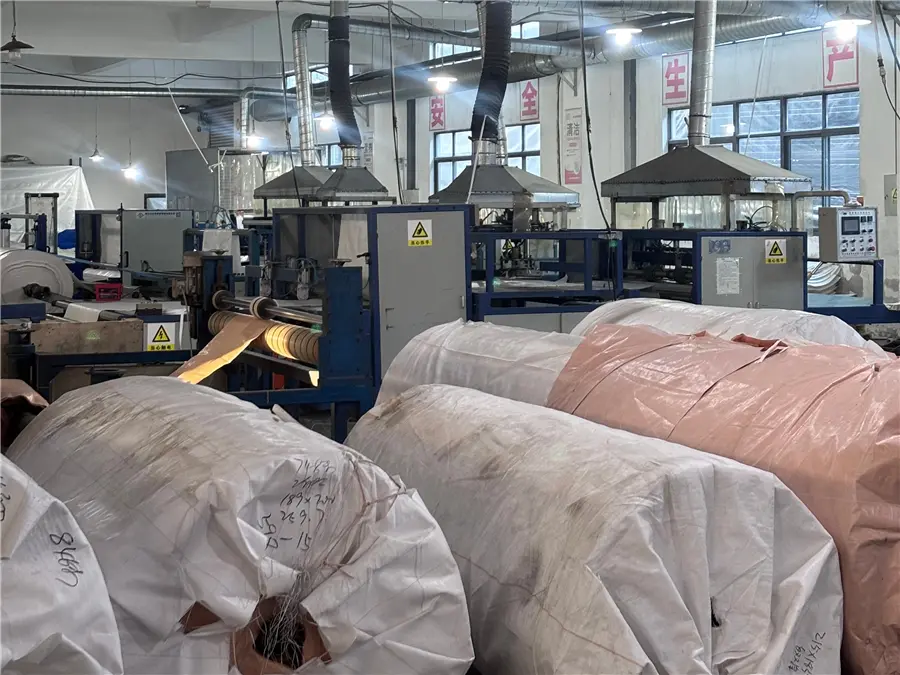
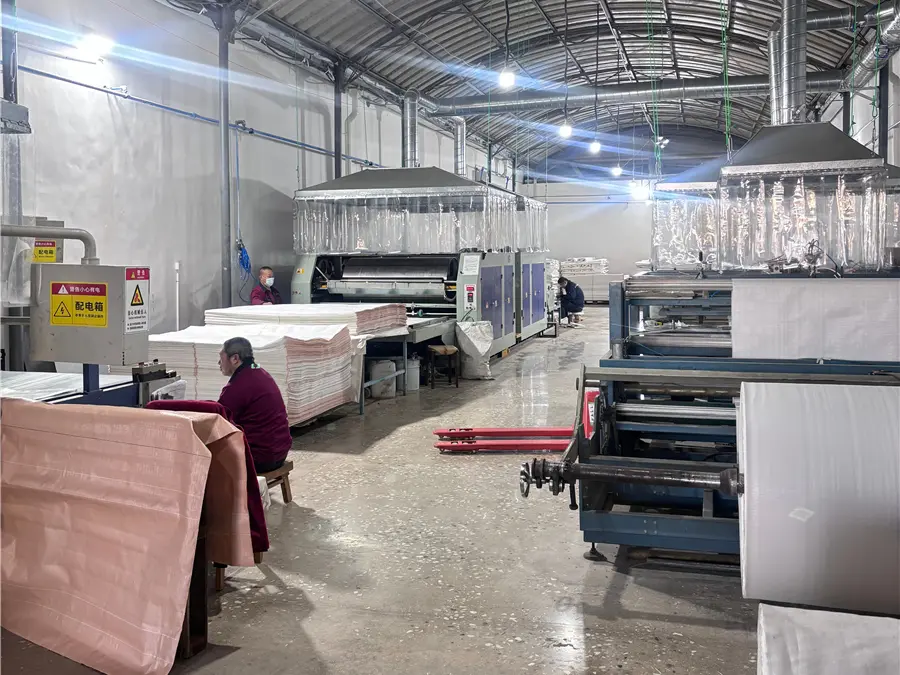
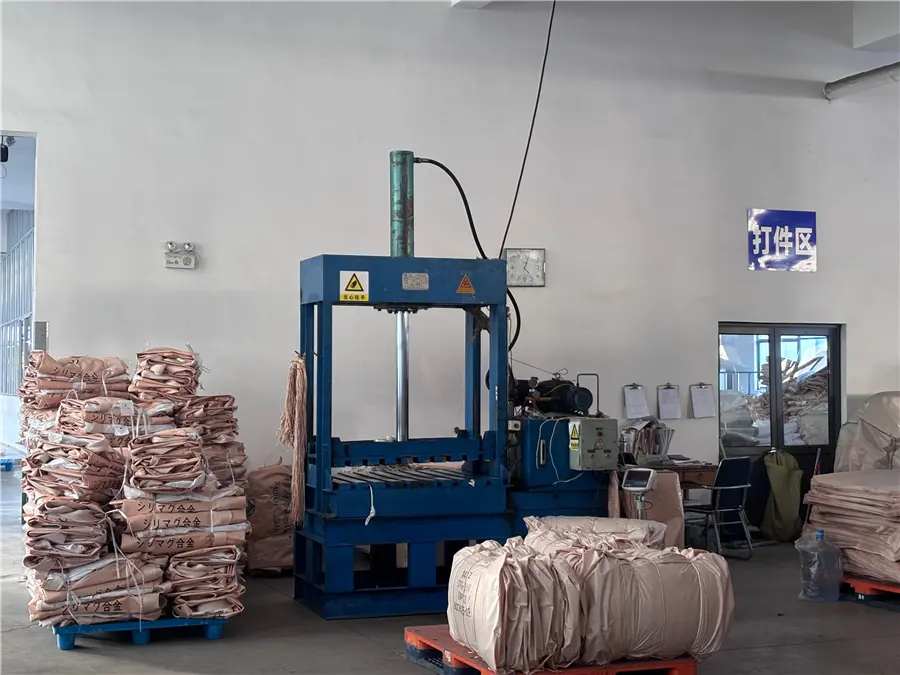
Our facility utilizes Ultrasonic Cutting to prevent fraying and Cleanroom Sewing for the highest hygiene standards.
As we look toward 2030, the FIBC industry is shifting toward Circular Economy models. This involves the development of recyclable barrier liners and the use of PCR (Post-Consumer Recycled) materials in outer bag construction without compromising safety factors. Furthermore, "Smart" FIBCs integrated with RFID or IoT sensors for real-time moisture monitoring are becoming a trend for ultra-sensitive high-value chemical exports.
Procurement Tip: When evaluating an "Exporter," do not look at price alone. Analyze the Total Cost of Ownership (TCO)—a slightly higher investment in a superior barrier liner can save hundreds of thousands of dollars in lost product due to spoilage or contamination.
 Zhensheng