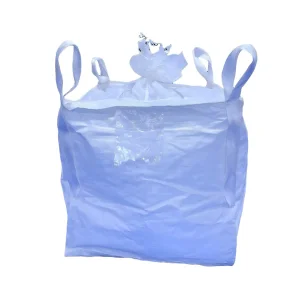
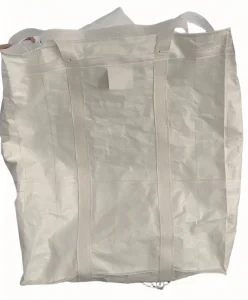
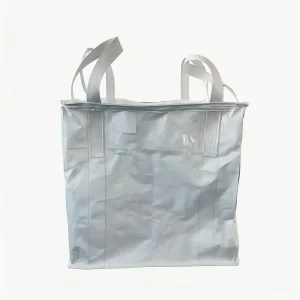
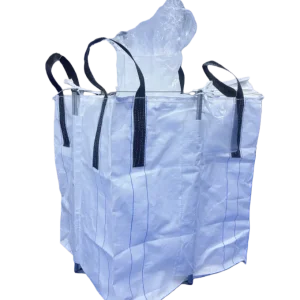
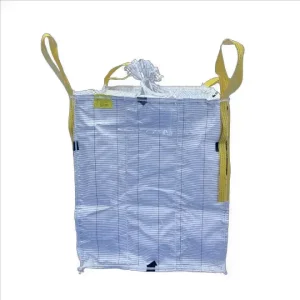
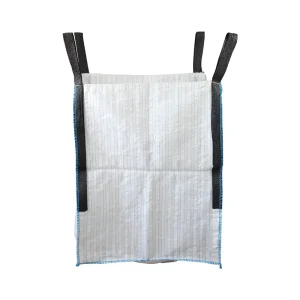
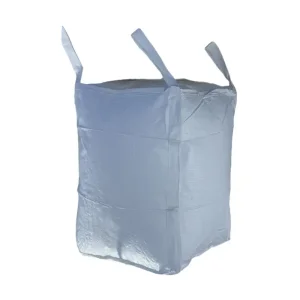
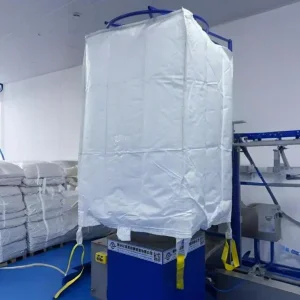
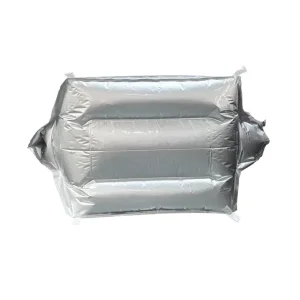
In the modern industrial landscape, the transition from simple storage to high-integrity preservation has elevated the inner liner bag from an optional accessory to a critical infrastructure component of the Flexible Intermediate Bulk Container (FIBC) industry. As global logistics networks face increasingly volatile climate conditions and stringent safety regulations, the demand for OEM inner liner bag factories has surged, driven by the need for moisture barriers, oxygen exclusion, and chemical containment.
Global enterprises, particularly in the pharmaceutical, food-grade MSG, and high-purity chemical sectors, now recognize that the "outer bag" provides structural strength, but the "inner liner" provides the value safeguard. Today's market is characterized by a shift toward specialized materials such as Aluminum Foil Liners, EVOH Barrier Liners, and Antistatic (Type B/C/D) liners designed to mitigate risks of static discharge or contamination in explosive environments.
Advanced co-extrusion technologies allow for 7-layer to 9-layer liners that effectively block moisture, CO2, and external odors, preserving the sensory properties of food-grade materials.
Meeting IEC 61340-4-4 standards, modern liners integrate conductive carbon layers or antistatic additives to prevent dust explosions during rapid filling and discharging.
OEM factories are now pivoting toward recyclable LDPE liners and reduced-thickness high-strength films that maintain integrity while lowering the carbon footprint.
China has long been the epicenter of the global plastic packaging supply chain. The competitive advantage of a China inner liner bag factory lies not just in labor costs, but in "Industrial Clustering." In regions like Yantai, the proximity to raw material producers and advanced machinery manufacturers allows for unprecedented lead-time compression.
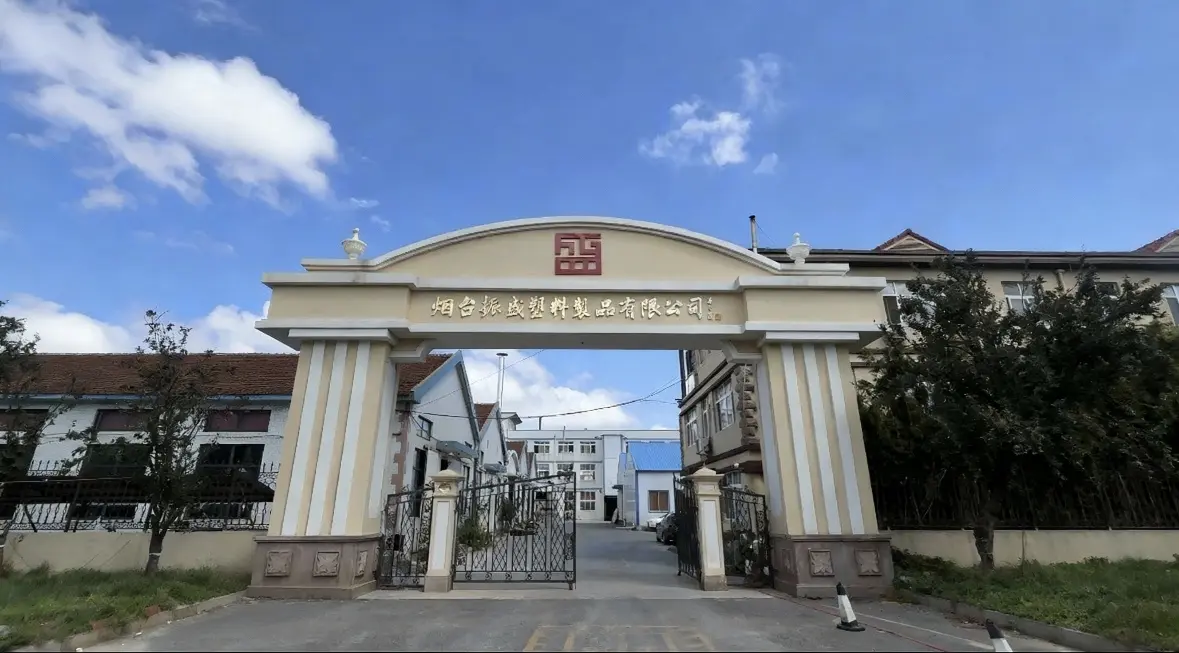
Founded in 1988, Yantai ZS Bulk Bags Manufacturing Co., Ltd. exemplifies this advantage. With two modern production bases covering 60,000 square meters, we integrate the entire value chain—from 100% virgin resin procurement to ultrasonic cutting and dust-free sewing. Our monthly output of 153,750+ units ensures that global procurement managers can secure high-volume orders without the risk of supply chain bottlenecks.
Experience matters: With over 30 years in the industry, ZS Bulk Bags has moved beyond standard production into the realm of "Packaging Engineering," providing bespoke OEM/ODM services that tailor liner thickness (from 40 to 200 microns) and shape (Bottle-shape, Gambo, or Tube) to specific client discharge systems.
Understanding the pricelist of OEM inner liner bags requires an analysis of four key cost drivers. Transparency in these factors is what distinguishes a professional factory like Yantai ZS from brokers.
Liners are priced by weight (Grammage). A 100-micron liner for a 90x90x120cm bag typically consumes ~800g-1kg of resin.
Form-fit liners require specialized heat-sealing molds, adding 15-25% to the base cost compared to tube liners.
Aluminum foil liners are significantly more expensive than PE liners due to the multi-lamination process.
Bulk orders (>5,000 units) leverage economies of scale in extrusion and setup times.
When requesting a pricelist, always specify the micron thickness and the exact application. For example, battery material manufacturers require high-cleanliness Baffle FIBCs with 150-micron anti-static liners. Failing to specify these details often leads to under-engineered bags that fail during transit, costing much more than the initial packaging savings.
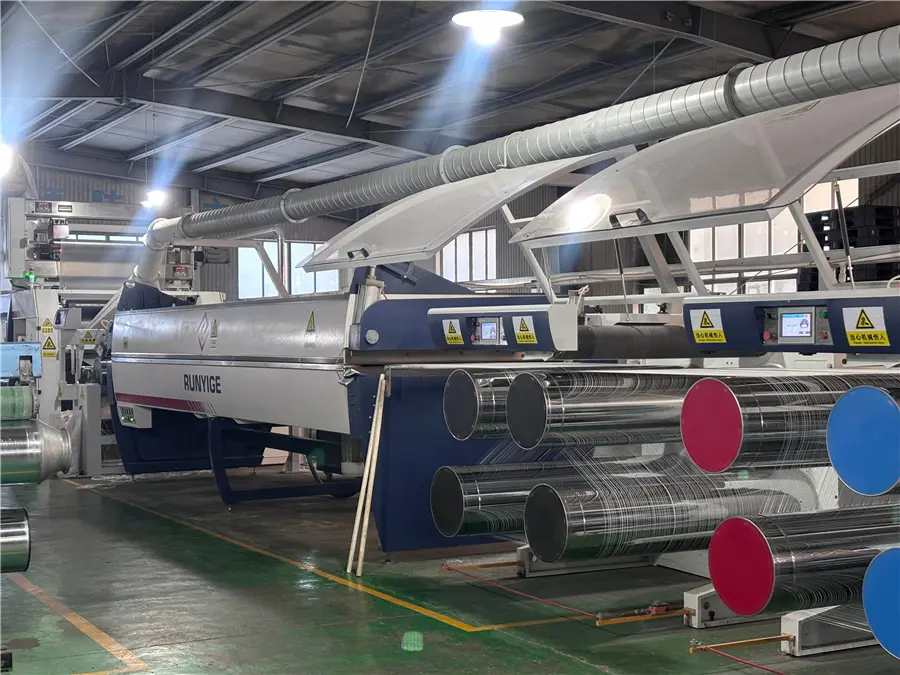
100% Virgin PP/PE resins are melted and drawn into tapes or blown into film bubbles under clean-room conditions.
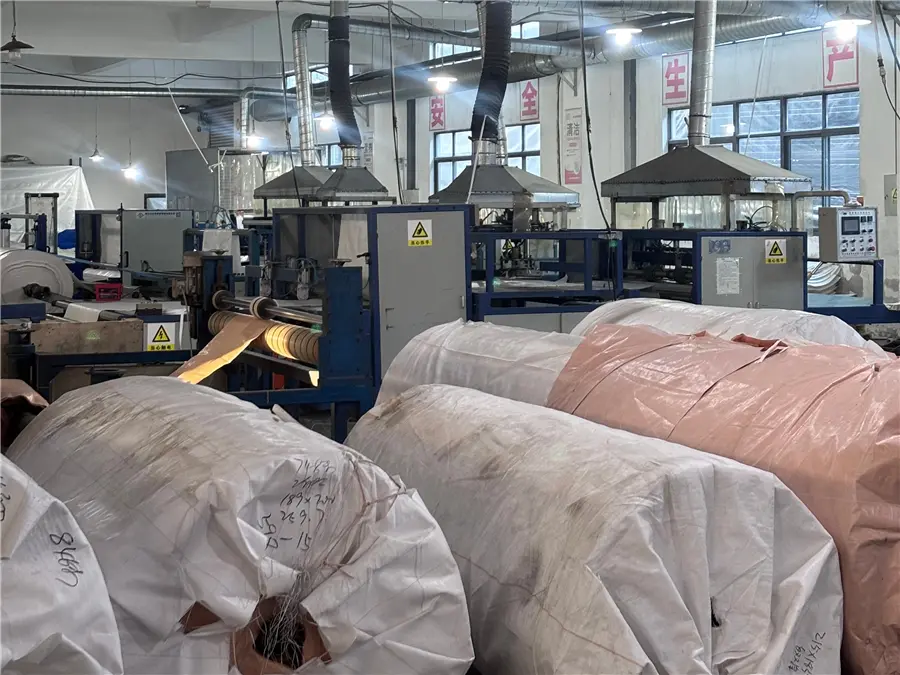
Precision cutting ensures no frayed edges or dust particles enter the bag, meeting ISO 22000 standards.
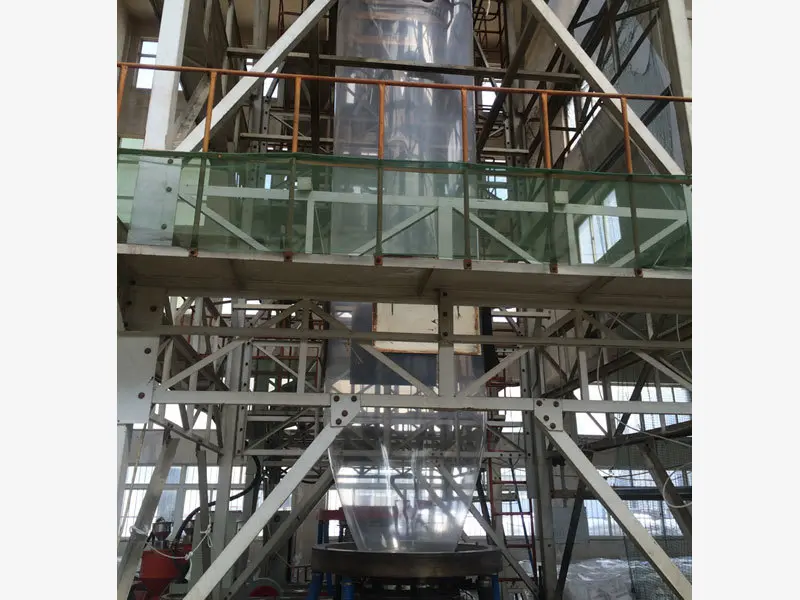
Liners are heat-sealed or sewn into the outer FIBC, ensuring they stay in place during filling/emptying.
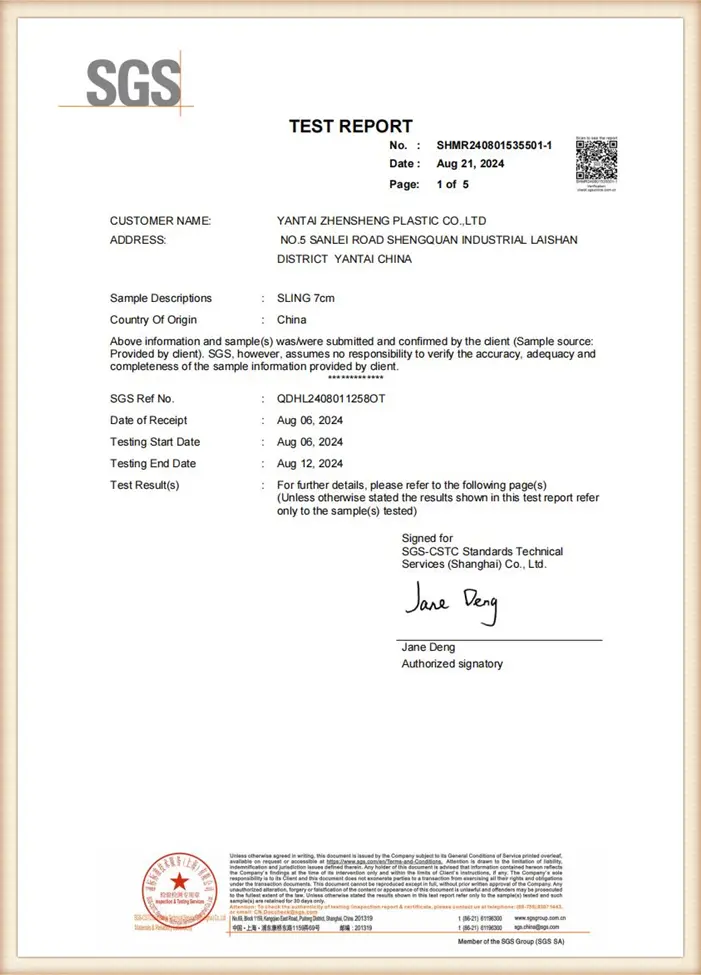
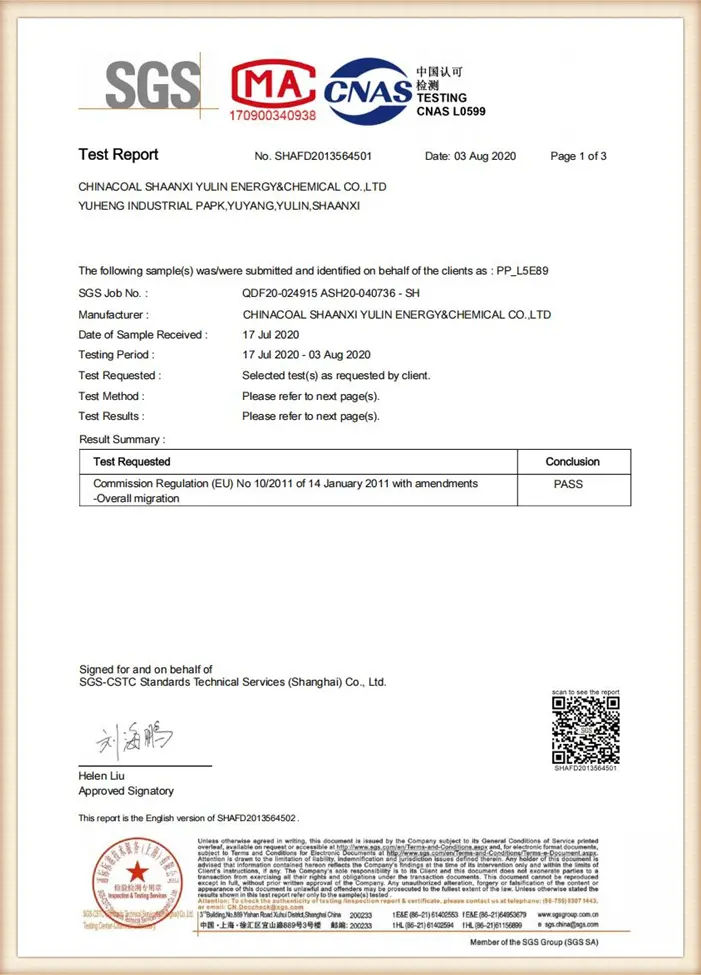
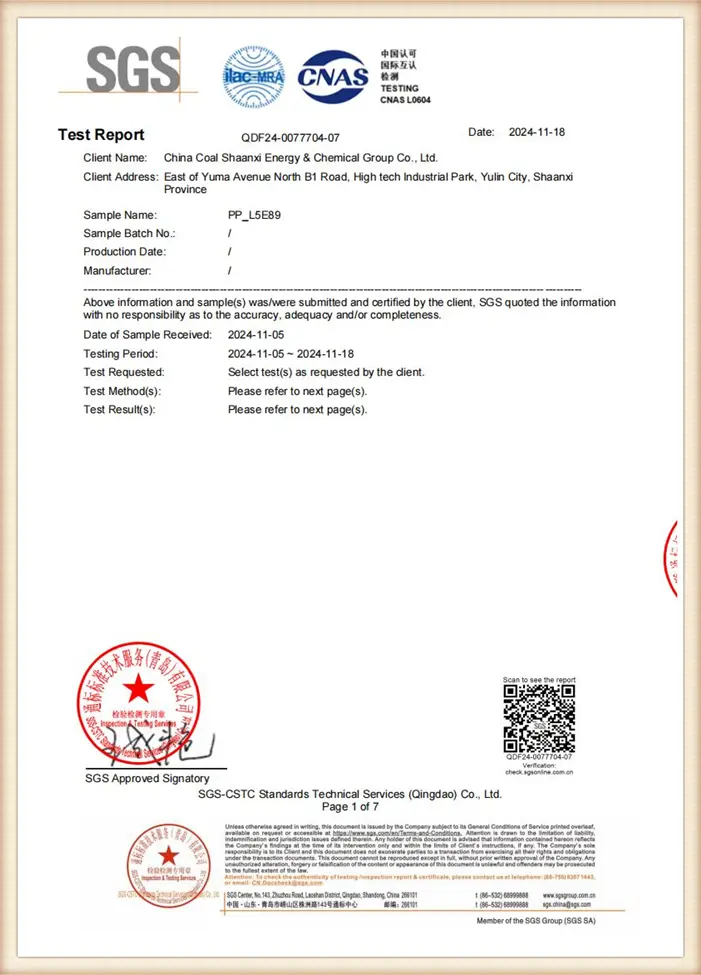
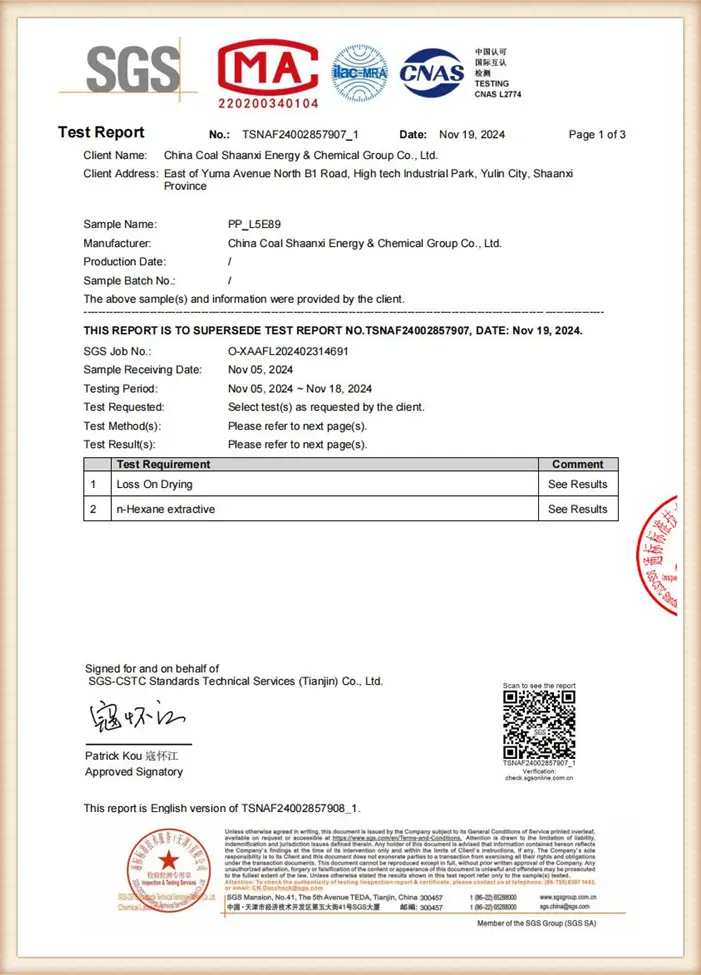
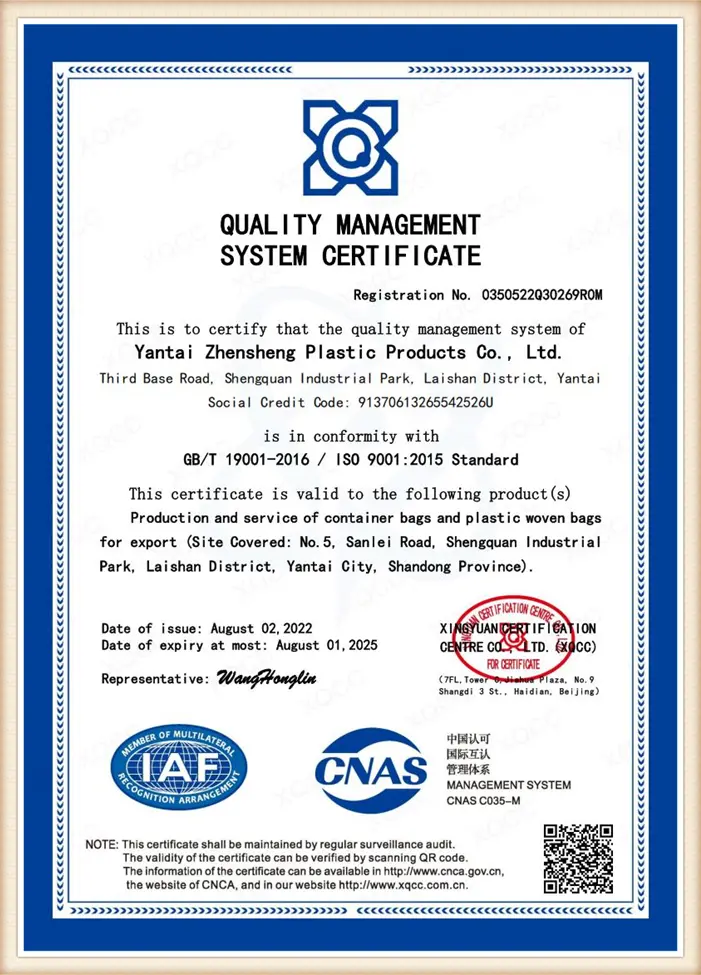
We strictly comply with ISO 9001 and ISO 22000 systems, ensuring every FIBC leaving ZS factory is traceable and contamination-free.
If your product is sensitive to oxygen or light (like certain pigments or specialty chemicals), Aluminum foil is necessary. For standard moisture protection (like sugar or fertilizers), a 100-micron PE liner is cost-effective and sufficient.
Absolutely. As an OEM factory, ZS Bulk Bags specializes in matching the liner to the specific dimensions of your outer bag and the discharge spout of your processing equipment to prevent "snagging" during discharge.
Standard orders typically take 15-20 days. For custom OEM designs requiring specific barrier layers or specialized sewing, lead times may extend to 25-30 days to ensure proper quality inspection.
All food-grade liners are extruded and processed in our ISO 22000 certified dust-free workshop. We use ultrasonic cutting to eliminate fibers and every bag undergoes high-pressure air cleaning before packing.
 Zhensheng