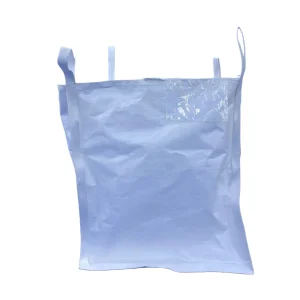
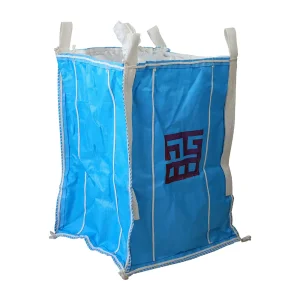
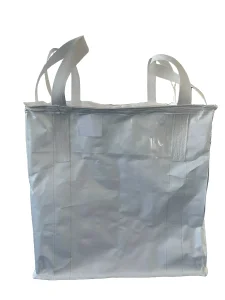
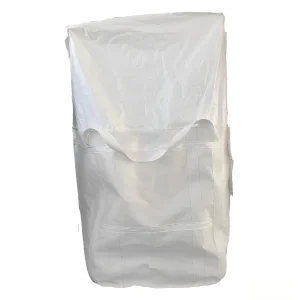
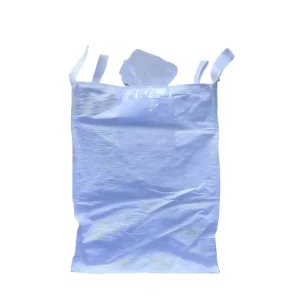
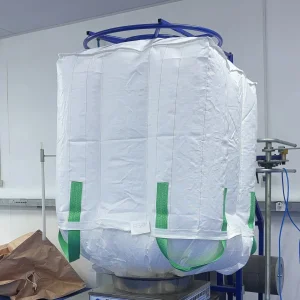
In the global supply chain, thermal resistance in Flexible Intermediate Bulk Containers (FIBCs) has shifted from a "specialty niche" to a "critical infrastructure" requirement. While standard polypropylene bags degrade at temperatures exceeding 80°C, the modern industrial landscape—ranging from hot-mix asphalt to lithium-ion battery precursor chemicals—demands containers that maintain structural integrity at 140°C to 180°C. This whitepaper analyzes why 180°C resistance is the new benchmark for safety and operational efficiency.
The market for heat-resistant bulk bags is witnessing a paradigm shift. Historically, high-temperature bags were limited to specialized asphalt applications. Today, the energy transition (Electric Vehicles) and infrastructure modernization are driving demand for advanced thermal polymers.
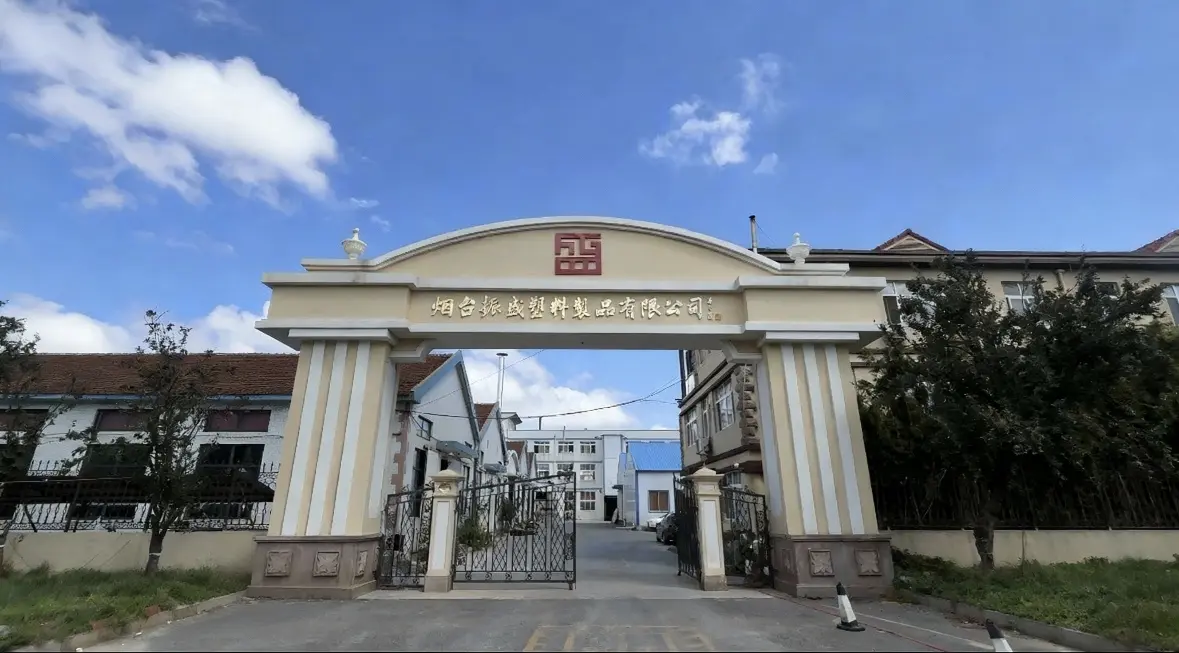
Founded in 1988, Yantai ZS is a professional manufacturer specializing in customized mid-to-high-end FIBCs. With two modern production bases covering 60,000 m², we manage the entire industrial chain from raw material processing to finished goods.
Utilizing a lean management model and advanced production equipment, we maintain a monthly output of 250,000 units and an annual capacity exceeding 3 million units, meeting both bulk and personalized needs.
Our facilities are ISO 9001 and ISO 22000 compliant. For high-hygiene applications, we use 100% virgin polypropylene and ultrasonic cutting technology to eliminate fraying and dust contamination.
International procurement officers in North America, Europe, and the Middle East are increasingly prioritizing Supply Chain Traceability and Material Certification. Purchasing 180°C resistant bulk bags is no longer just about price—it's about risk mitigation.
Materials like separator resins and cathode precursors often require hot-filling or controlled environment storage. Our ODM Food Grade FIBCs are engineered to prevent polymer degradation at high temps.
Modern road construction involves hot-melt asphalt additives. Standard bags fail, causing catastrophic leaks. Our 180°C rated bags ensure safety during transport and discharge.
Resins and catalysts produced through exothermic reactions need immediate packaging. Our heat-stabilized FIBCs allow for faster cycle times in chemical plants.
At Yantai ZS, our "Full In-House" strategy provides a macro solution to global supply challenges:
The next decade of FIBC technology will focus on Smart Packaging and Molecular Engineering. As a leading supplier, Yantai ZS is investing in several key R&D areas:
Incorporating nano-coatings that reflect heat, allowing the bulk material to remain hot while the outer lifting loops stay cool for safer handling.
Embedded sensors to monitor the temperature of the bag's content in real-time during long-haul logistics.
Developing 180°C resistant fabrics that are 100% recyclable, bridging the gap between high performance and environmental responsibility.
Processing raw PP chips into high-tenacity yarn and weaving them into heat-stabilized fabric.
Ensuring clean edges without fraying, crucial for food and battery grade materials.
Executing precise sewing patterns in ISO 22000 certified dust-free environments.
Rigorous testing of tensile strength, UV resistance, and thermal durability.
Installing specialized liners, discharge spouts, and reinforced lifting loops.
Vacuum-sealing and palletizing for secure global maritime transport.
 Zhensheng