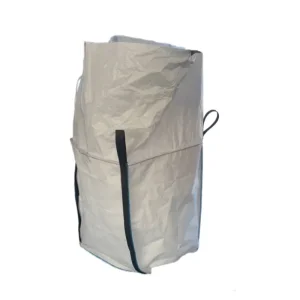
Engineered for high hygiene levels, oxygen barrier integration, and heavy-duty structural integrity.
In the contemporary globalized food supply chain, packaging integrity acts as the vital link between raw material source safety and consumer trust. The market for food-grade bulk bags (Flexible Intermediate Bulk Containers, or FIBCs) has shifted from basic material storage vessels to sophisticated, engineered containment barriers. High-capacity operations require bulk packaging that resists tensile strain, physical wear, contamination from micro-particles, static charge accumulation, and microbial growth. Food manufacturers and global B2B procurement professionals look for strict adherence to international safety policies, raw material transparency, and custom dimensions designed to match automatic discharging equipment.
Key market drivers point to an increased demand for hygiene-monitored manufacturing zones. Traditional bulk bags constructed in standard industrial settings carry dust, loose polypropylene threads, and microbial hazards that compromise ingredients such as powders, infant formula, seasonings, and grain concentrates. As cleanroom production and regulatory audits expand under frameworks like BRCGS, ISO 22000, and FDA CFR Title 21, the requirement for dedicated, automated Class 10,000 cleanroom environments has become standard for top-tier global food manufacturers.
Furthermore, globalization demands bulk bags optimized for space utilization. The rising adoption of custom baffle bags (Q-bags) represents a major structural shift. Standard bulk bags naturally bulge into a circular shape when filled, causing lost storage space in shipping containers. Baffle bulk bags use internal woven panels that keep the bag square, saving up to 30% of cargo space and reducing logistics costs. This square footprint prevents tilting, ensures stability during sea transport, and allows safe double-stacking in warehouses.
Established in 1988, ZS Bulk Bags is a trusted partner for customized, mid-to-high-end FIBC design and sterile manufacturing.
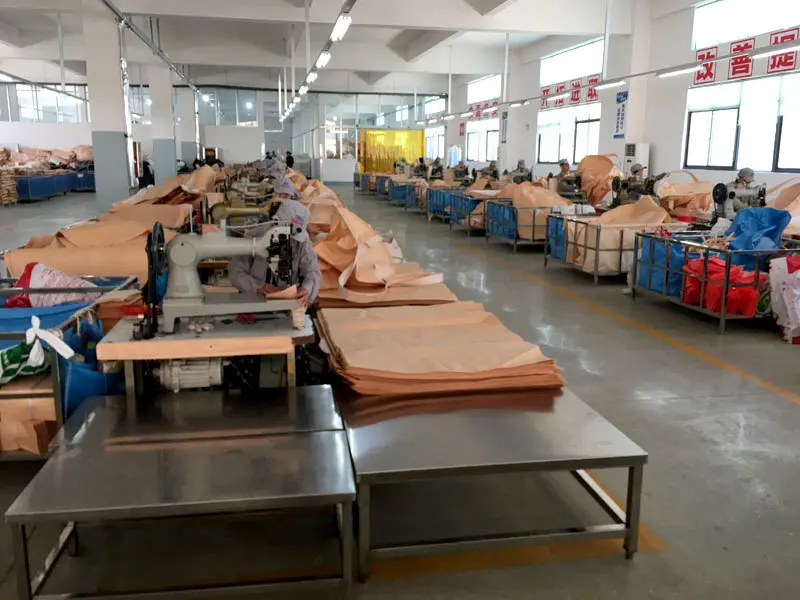
With over 30 years of continuous operation, we focus on delivering cost-effective, premium customized packaging solutions. Our team manages quality control from start to finish to protect valuable products for our clients worldwide. Our two production bases in the Laishan and Muping districts of Yantai City cover a combined 60,000 square meters. Our team of 300+ professionals, including 30+ quality inspectors and structural technicians, maintains consistent quality. Our vertical manufacturing process controls every step from raw polymer extrusion to fabric weaving, cleanroom sewing, testing, and final packaging.
How we ensure complete traceability, structural strength, and cleanroom sterilization at every stage of production.
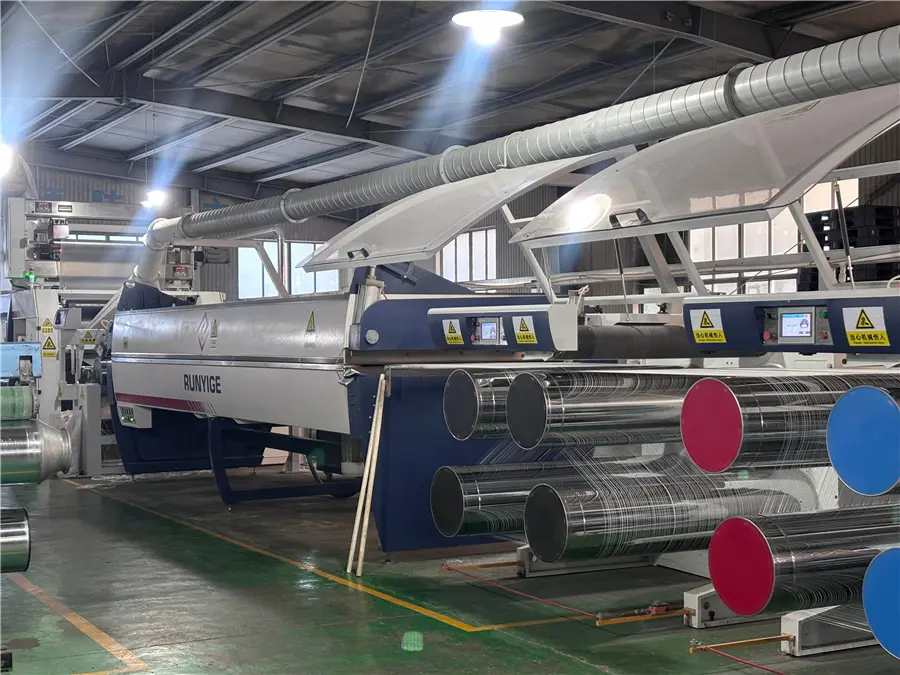
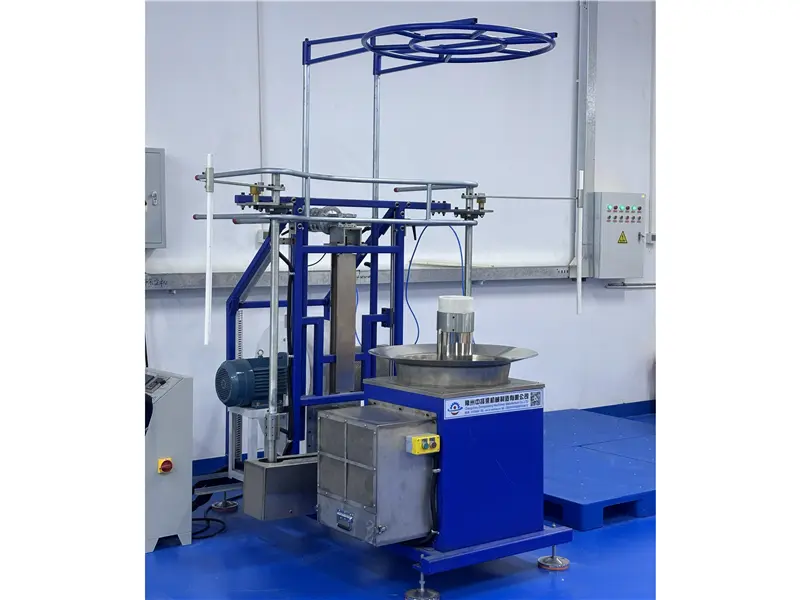
Extruding 100% virgin PP chips into high-tensile tapes.
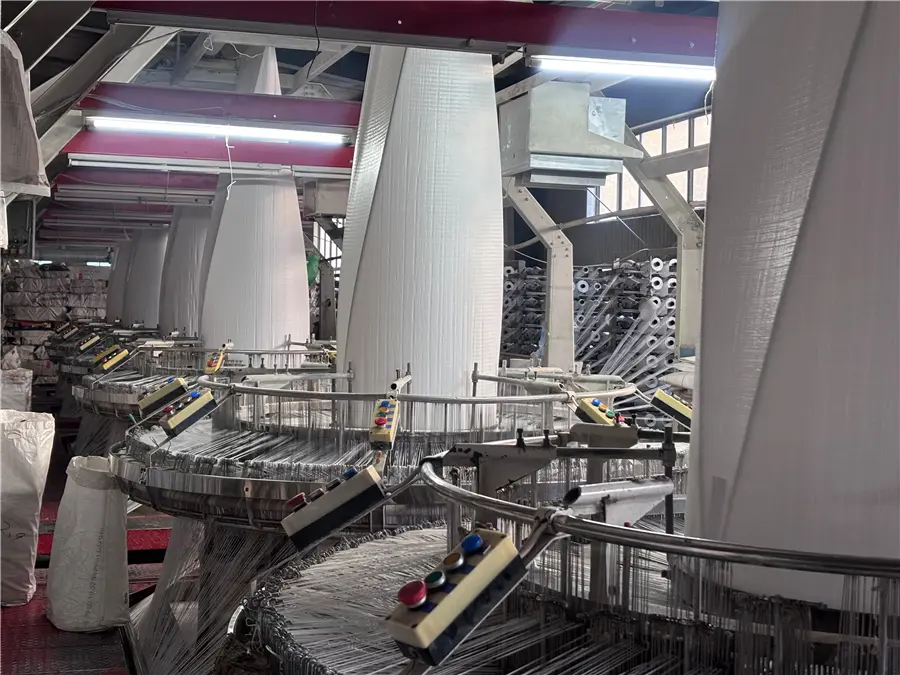
Heavy-duty loom weaving for dense, burst-resistant fabric.
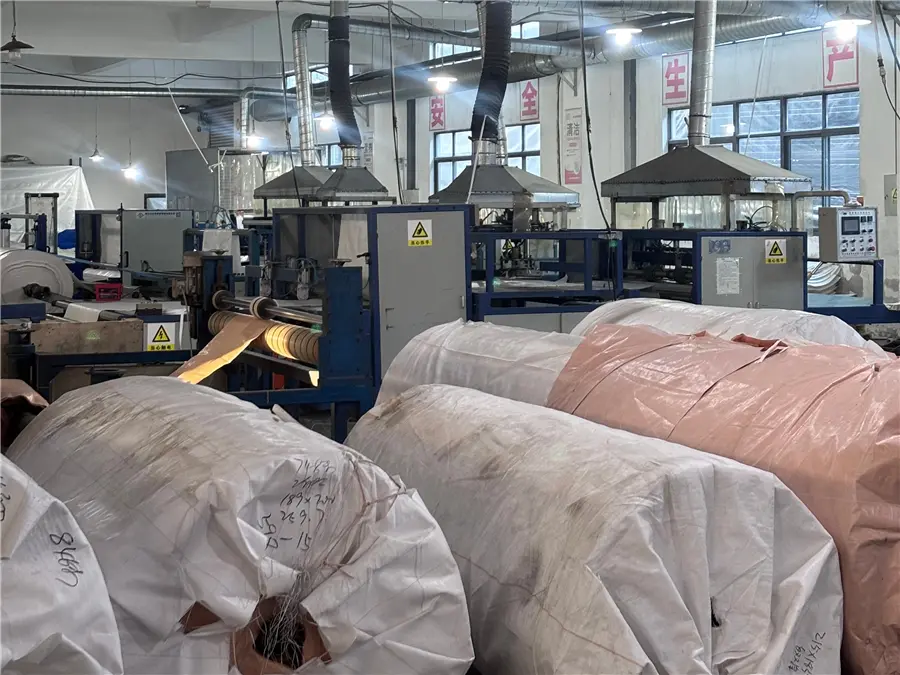
Ultrasonic clean-cut sealing to prevent loose threads.
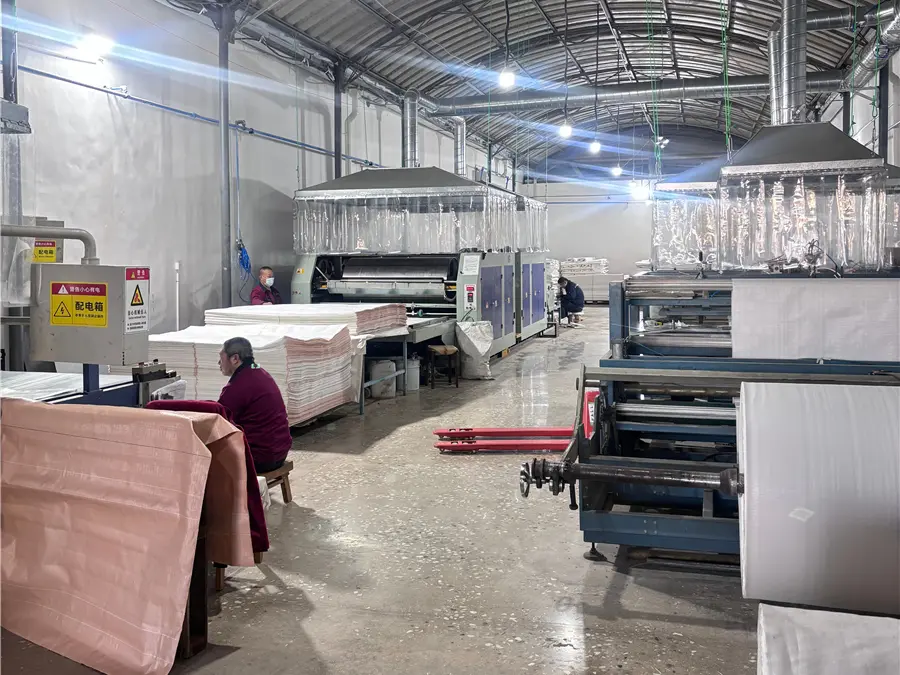
Custom logo branding using food-safe, non-toxic inks.
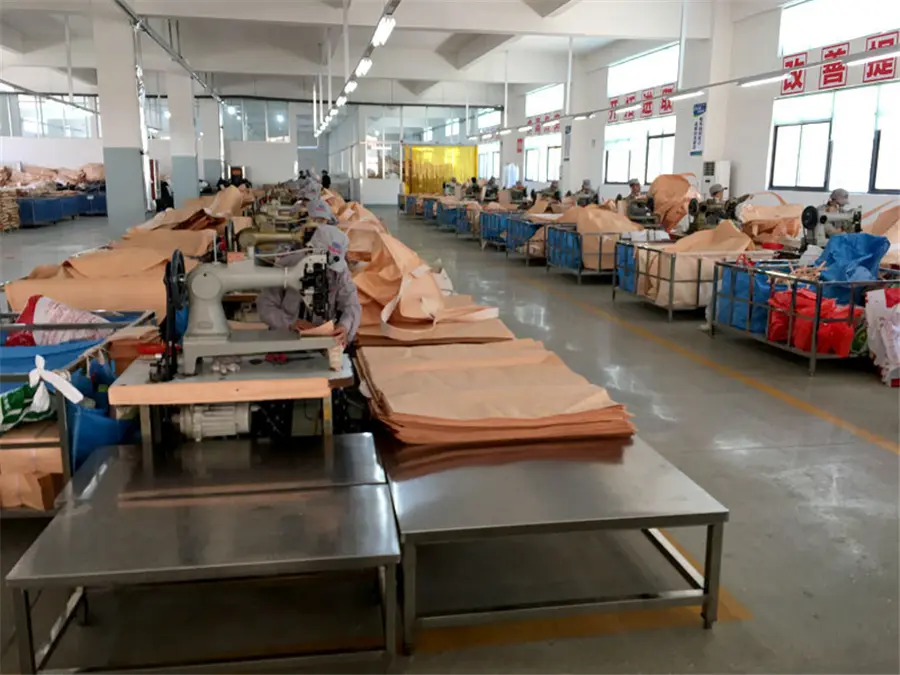
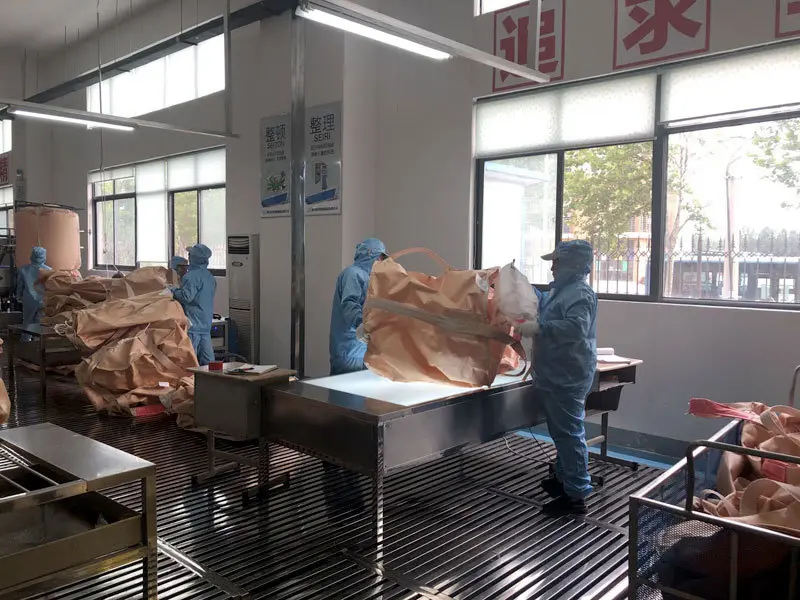
Cleanroom assembly under strict hygiene controls.
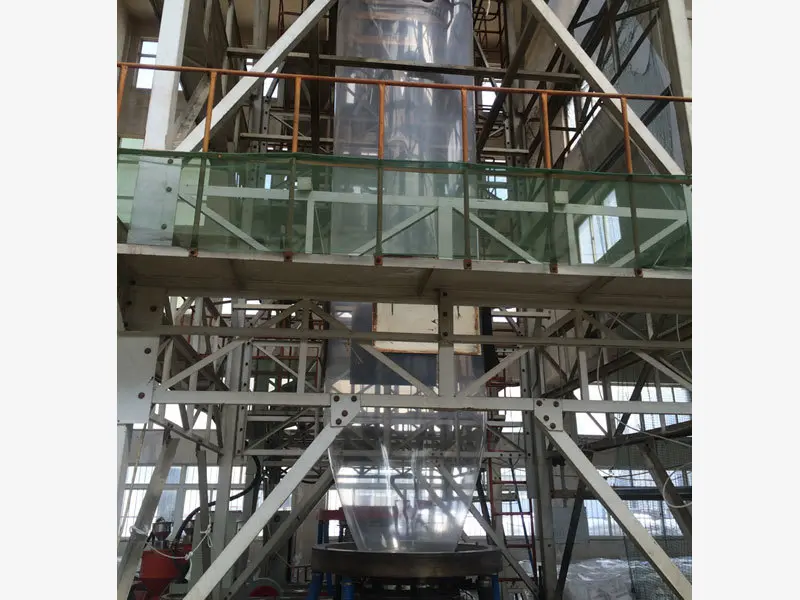
Inserting protective barrier foils or LDPE liners.
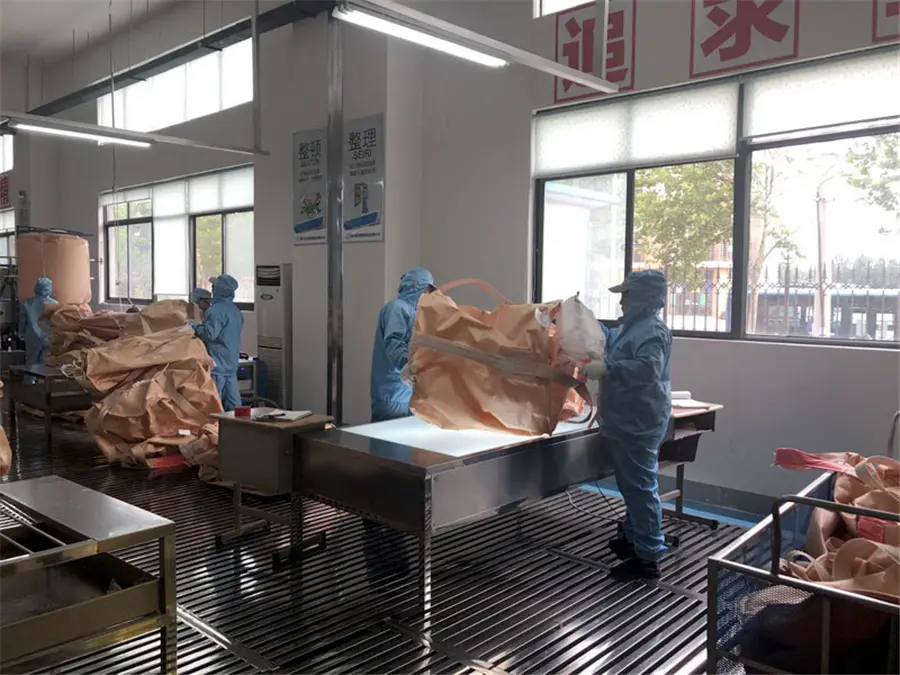
Metal detection, air cleaning, and load test analysis.
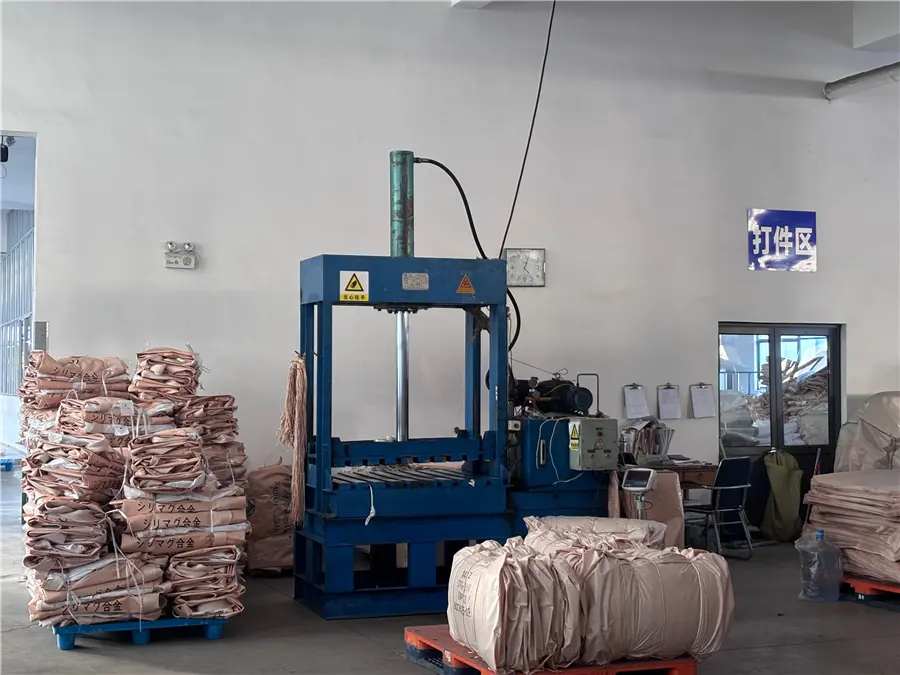
Pallet compression packaging under clean protective covers.
Manufacturing high-hygiene bulk packaging requires strict environmental control. For food and pharmaceutical applications, Yantai ZS Bulk Bags builds all products using 100% virgin polypropylene (PP) containing zero recycled polymers, preventing cross-contamination from the source. Recycled resins often contain chemical trace elements, heavy metal residues, or mineral oil aromatic hydrocarbons (MOAH) that can migrate into food cargo. Using virgin PP secures high tensile strength, safe material structure, and compliance with strict FDA and European Union food contact standards.
Our ISO 22000 and FDA-compliant cleanrooms operate with continuous positive air pressure, HEPA filtration, and strict cleanroom entry protocols. Employees wear protective uniforms, hairnets, and undergo ionization air showers before entering the production floor. The facility is designed to eliminate external pests, dust, and micro-particles. We use metal detection systems and air cleaning stations to inspect and verify every bulk bag before compression and pallet packaging.
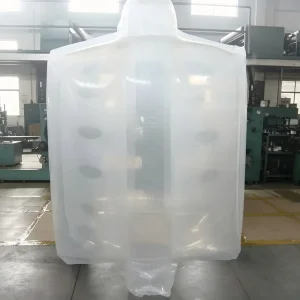
For moisture-sensitive goods, like powdered food supplements and MSG, we supply high-barrier aluminum foil lined bulk bags. The multilayer foil liner blocks moisture, oxygen transmission, and UV rays, preventing clumping and structural changes. This multi-ply design preserves flavor, color, and active ingredients over extended transit times, protecting product quality from factory to final distribution.
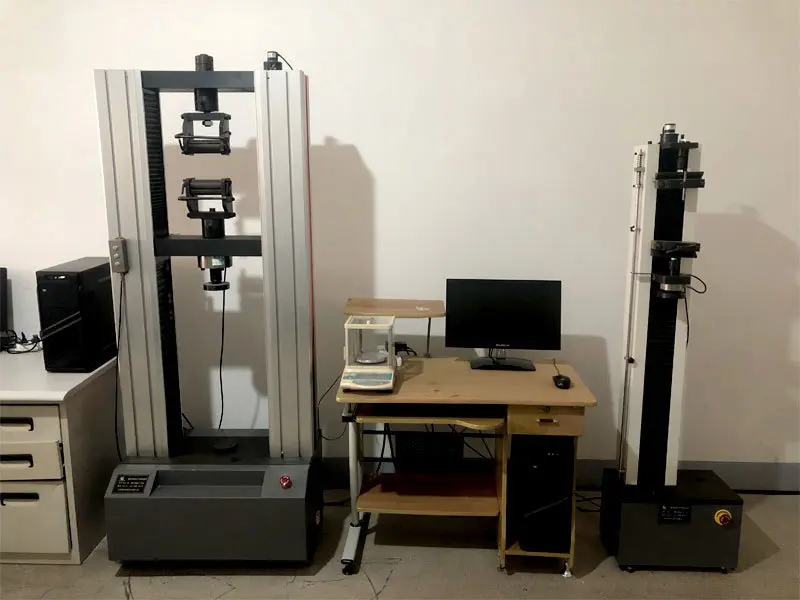
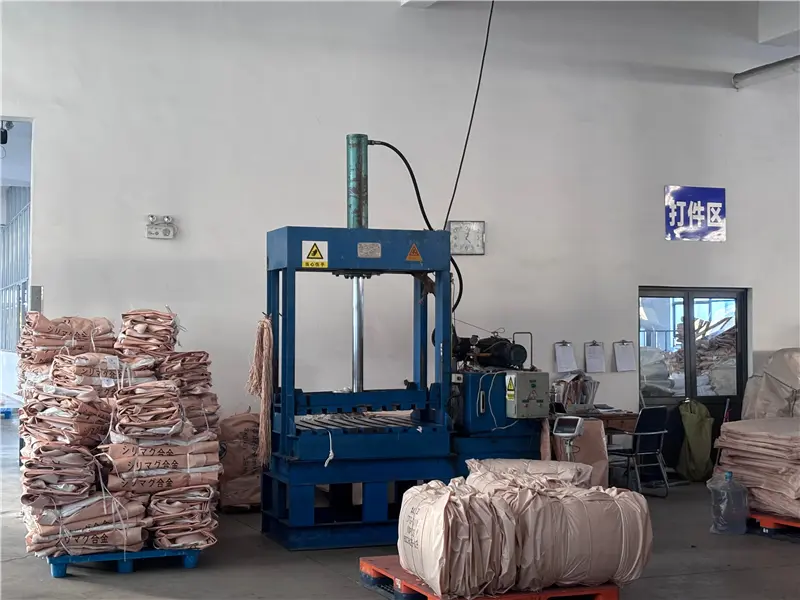
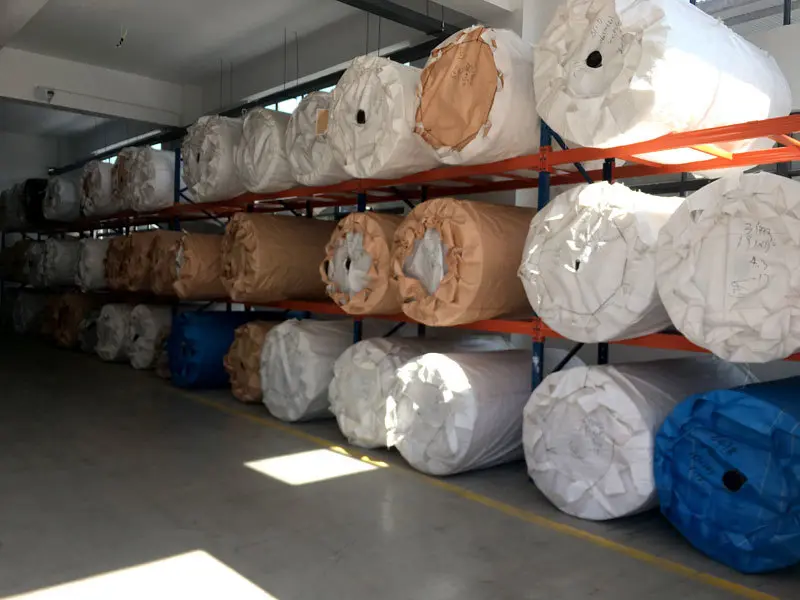
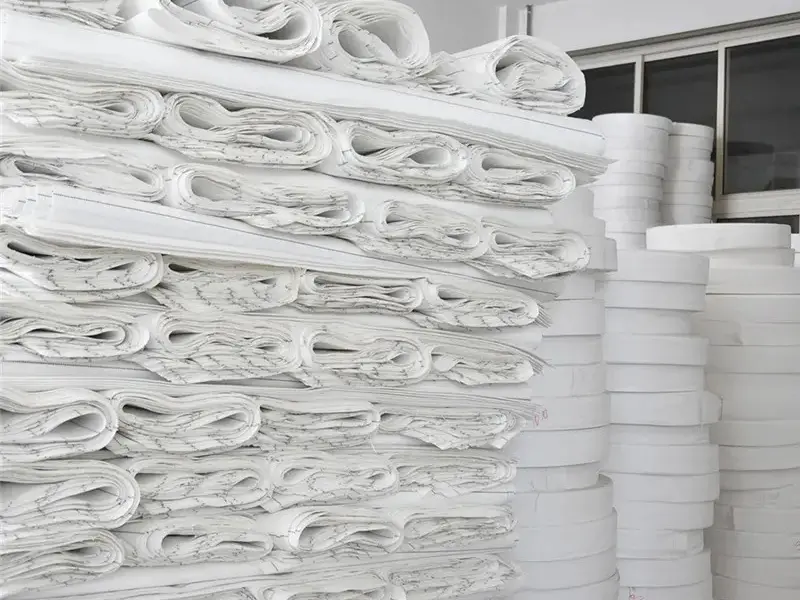
Take a look inside our cleanrooms and automated weaving facilities, showcasing our production capacity.
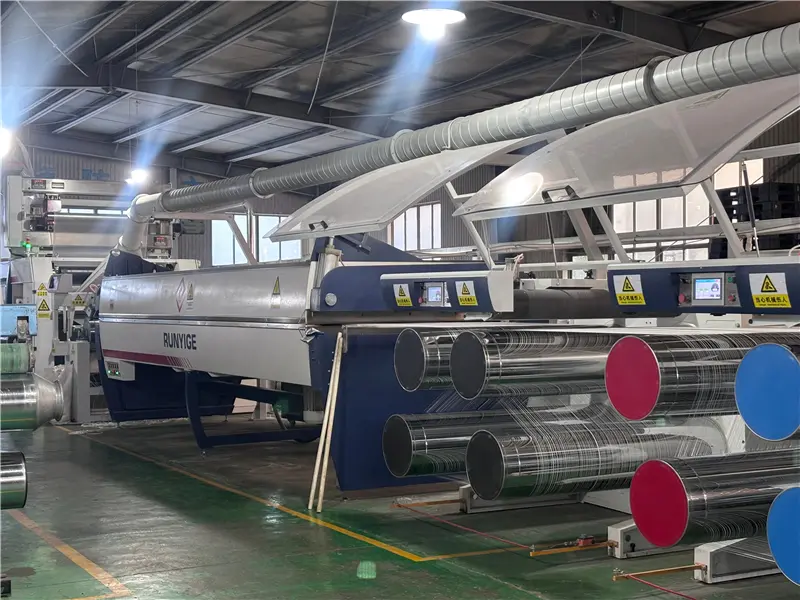
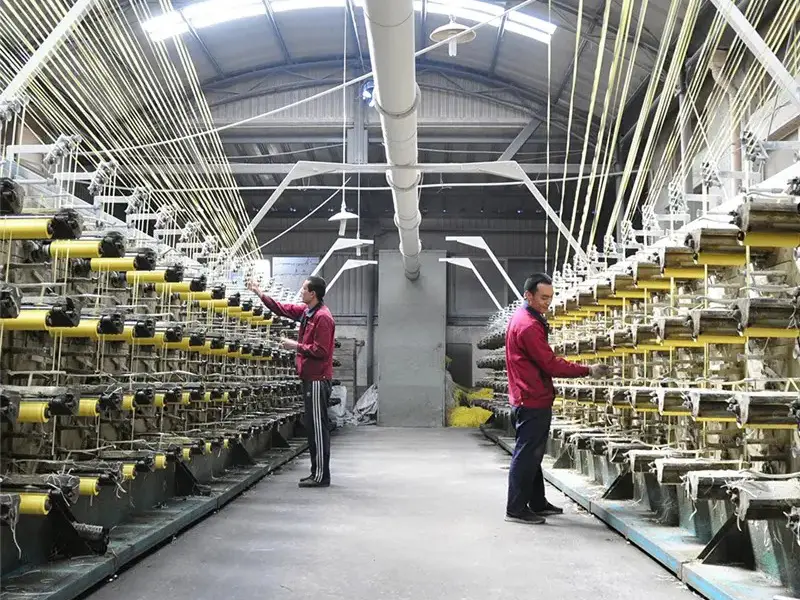
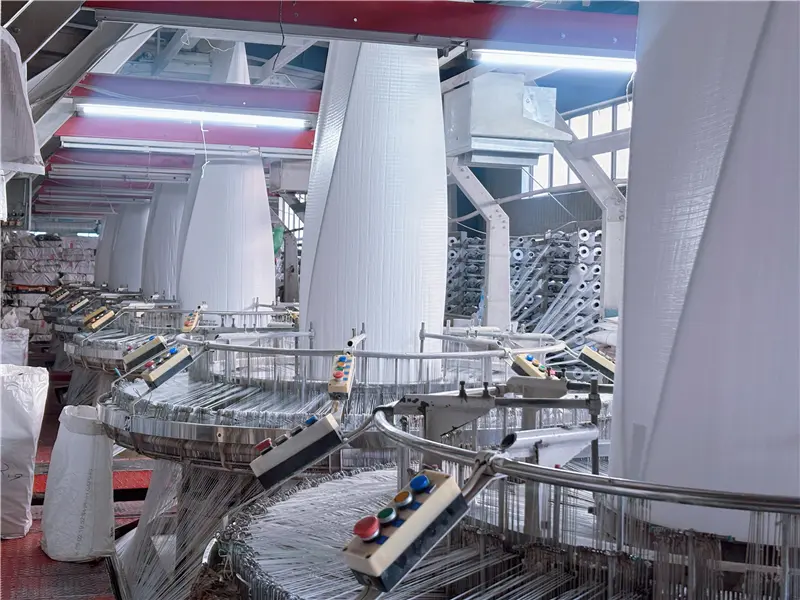
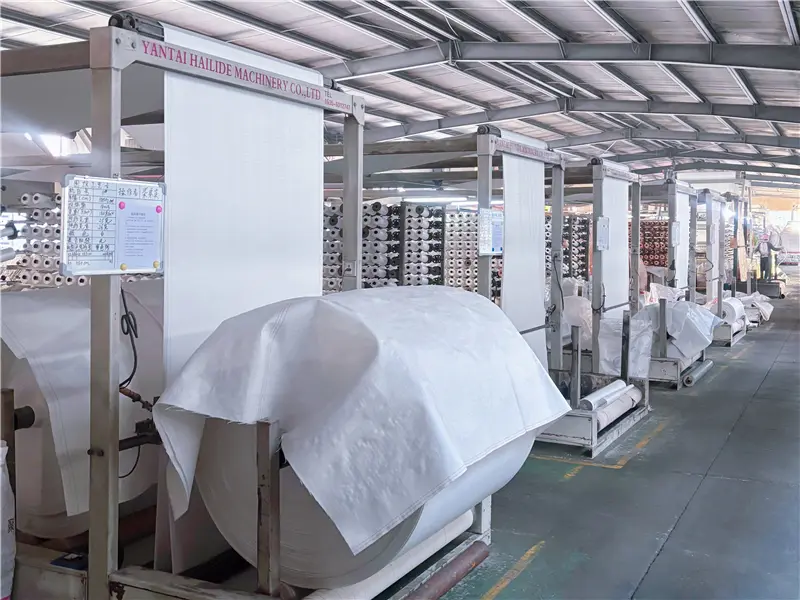
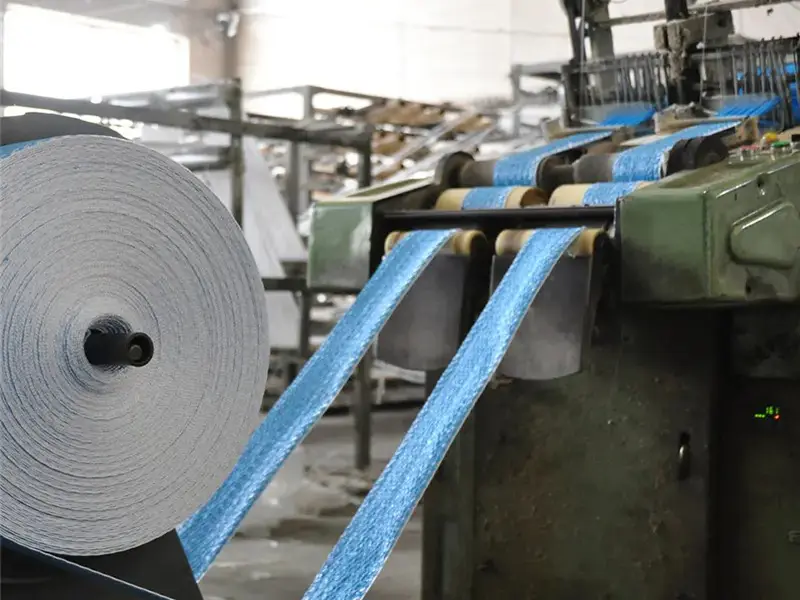
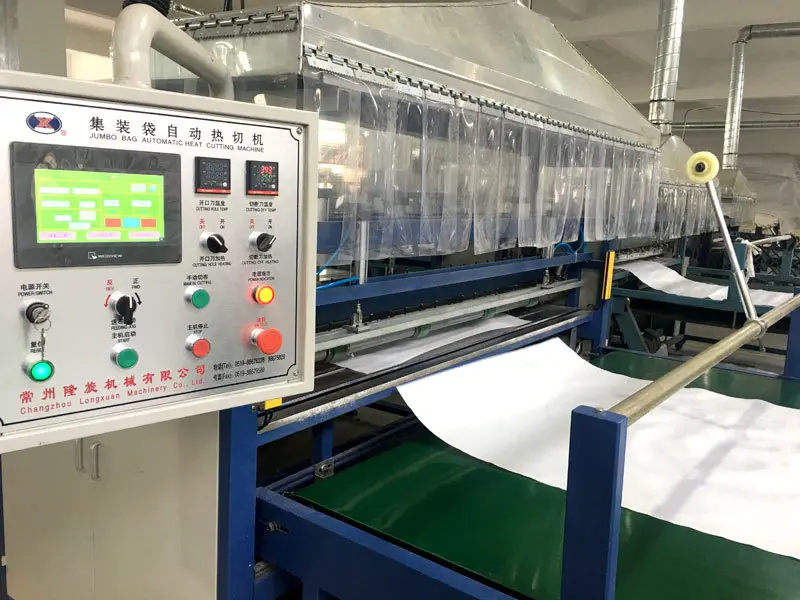
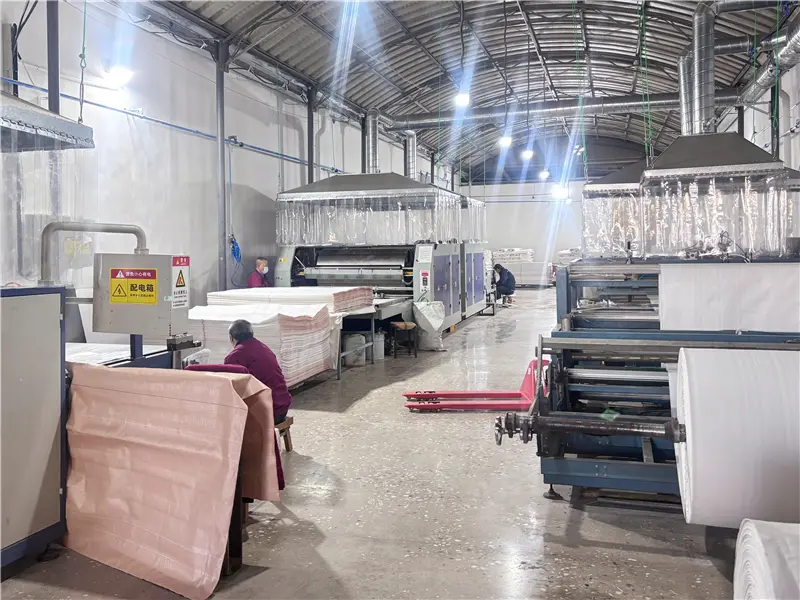
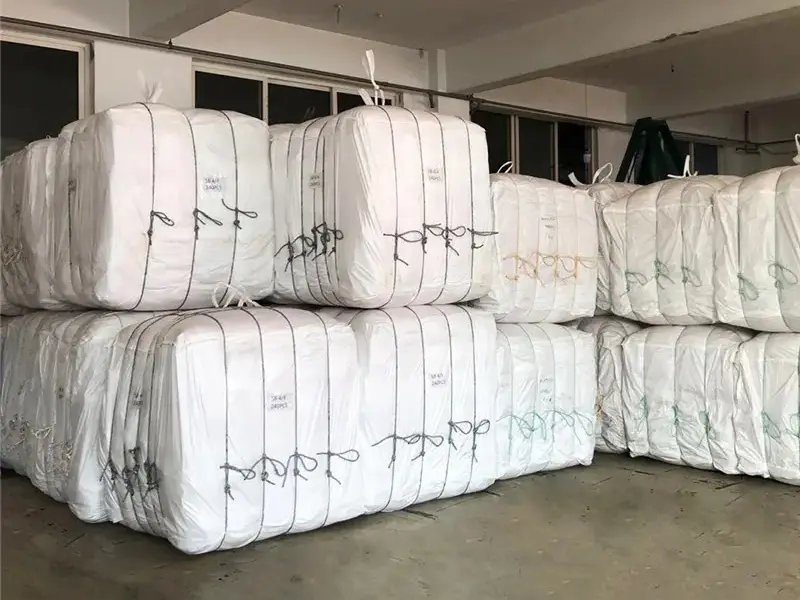
The industrial packaging market is adopting circular economies and smart tracking solutions. Global policies limiting waste encourage manufacturers to design single-polymer bulk bags that simplify recycling. ZS Bulk Bags research focuses on 100% polypropylene bulk bags where the fabric, loops, sewing threads, and document pockets are all made from polypropylene. This mono-polymer design allows direct recycling without manual material separation, reducing costs and waste.
Another major trend is the integration of RFID (Radio Frequency Identification) and QR-code tracking systems. By embedding sealed, food-safe RFID chips into the bag seams, bulk packaging becomes an active node in the supply chain. Food processors can track batch numbers, cleanroom production dates, filling times, transport parameters, and warehouse locations. This digitized traceability improves supply chain efficiency, helping brands track their inventory instantly.
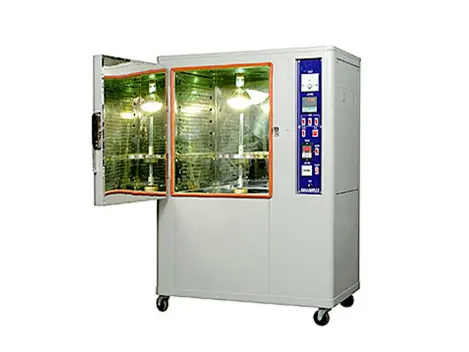
In addition, advanced testing helps verify the structural safety of custom bulk bags under extreme temperatures. Using high-grade UV stabilization additives helps protect our bags during long outdoor storage and hot shipping routes. This design process ensures each bulk bag maintains its safety factor ratio (such as 5:1 for single-trip or 6:1 for multi-trip use) even under harsh environmental exposure.
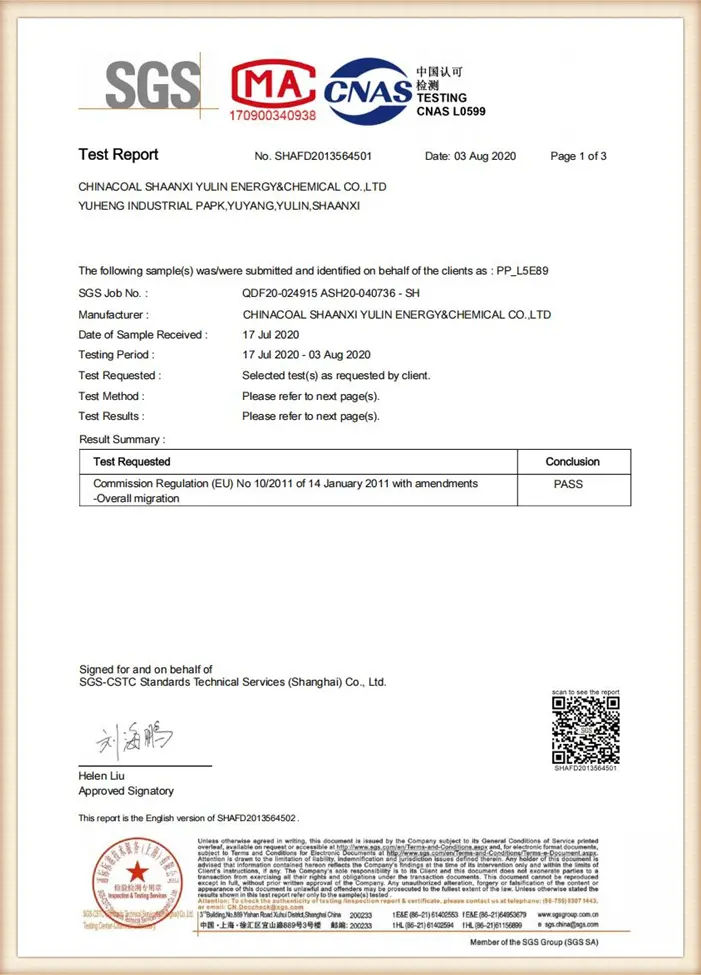
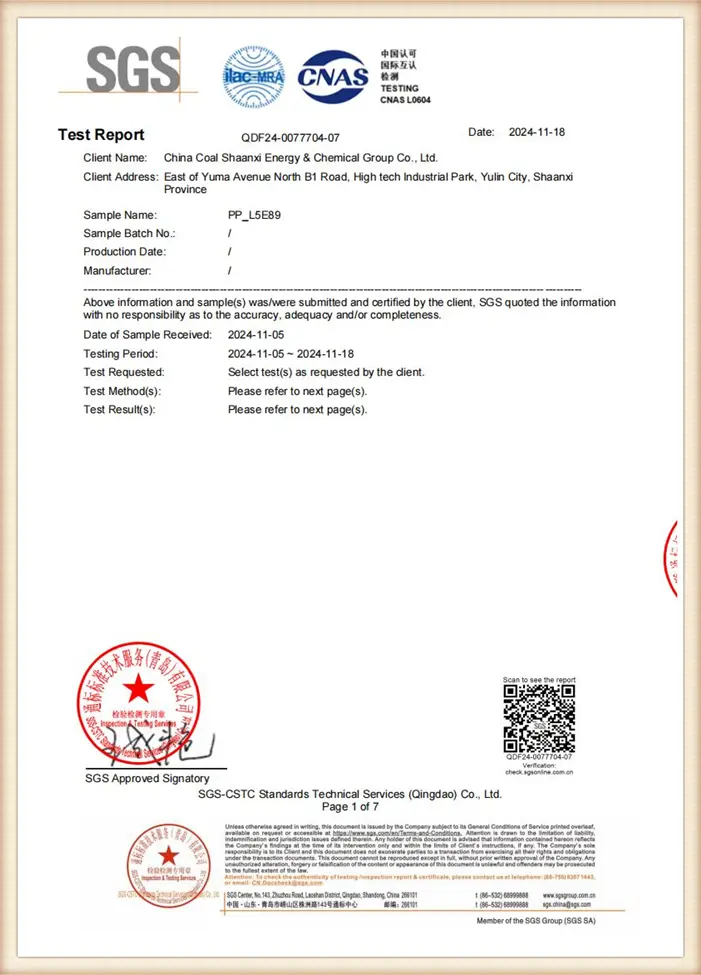
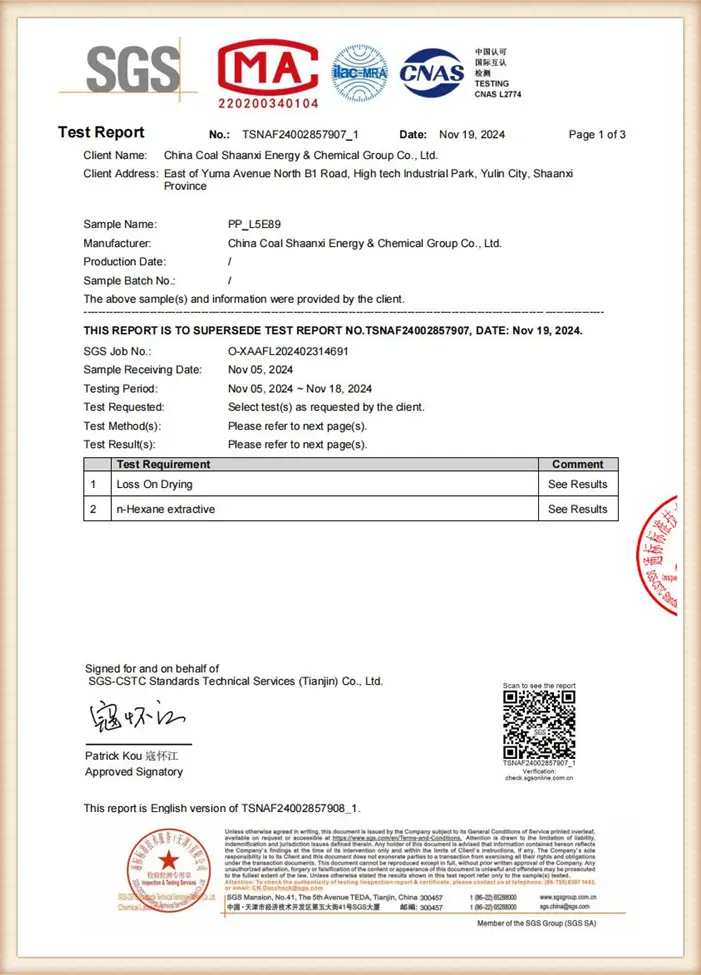
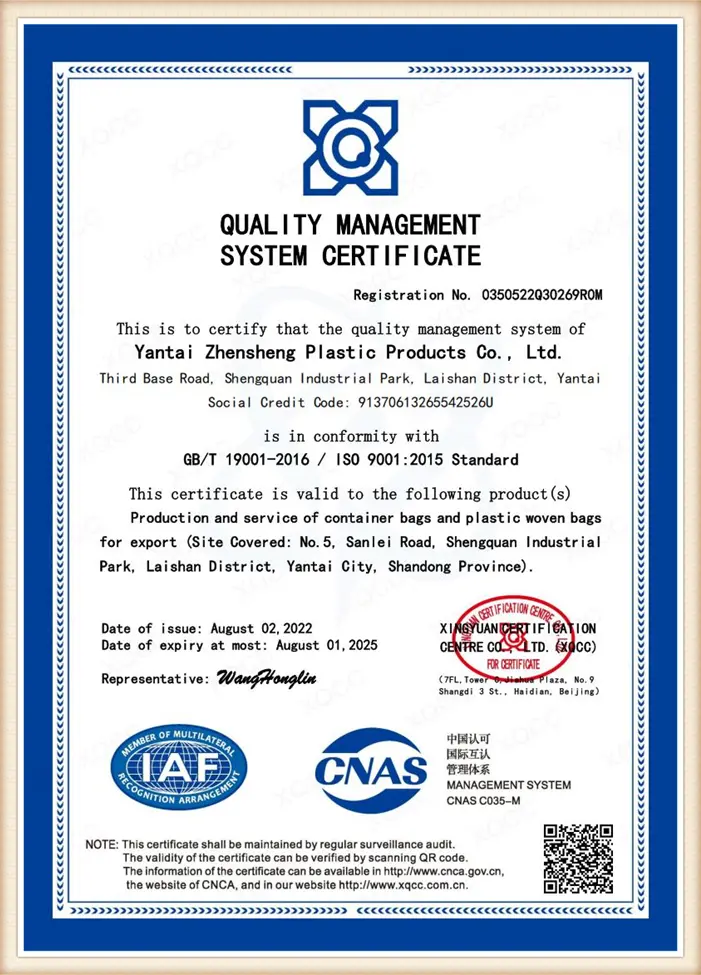
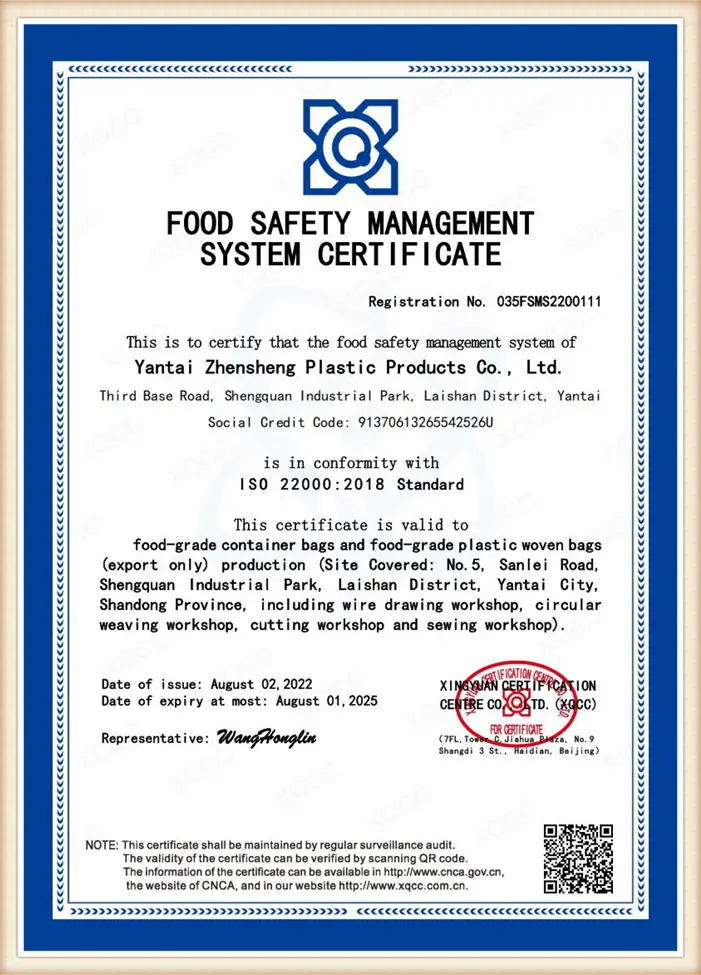
Our facilities are fully certified under ISO 9001:2015 Quality Management Systems and ISO 22000 Food Safety Management Standards.
Essential details on manufacturing cleanroom bags, anti-static safety, and custom bulk bag design for global procurement managers.
Food-grade bulk bags are manufactured in specialized, cleanroom facilities that control airborne dust and microbes. They are built using 100% virgin polypropylene resins with zero recycled materials, preventing chemical migration. In addition, automated ultrasonic cutting tools are used to prevent loose threads from fraying, which would contaminate raw food ingredients. In contrast, standard industrial bags are often sewn in open warehouses without specialized testing, air cleaning, or protection against fine particulate contamination.
Reliable producers should hold ISO 22000 or FSSC 22000 Food Safety Management certifications, which verify cleanroom operations and active control of microbial contamination. Raw materials must align with FDA Title 21 CFR 177.1520 regulations and EU directive 10/2011 on food-contact plastics. Additionally, standard ISO 9001 quality audits help verify batch traceability from polymer supply to final bag delivery.
Multilayer aluminum foil liners are ideal for highly moisture-sensitive ingredients, fine hygroscopic powders (like MSG, salt, or sugar), and ingredients containing natural oils. Woven polypropylene is naturally breathable; even laminated fabric lets some moisture and air pass through over time. An aluminum foil liner blocks oxygen, moisture, and light, protecting the cargo from clumping, oxidation, and contamination during long shipping times.
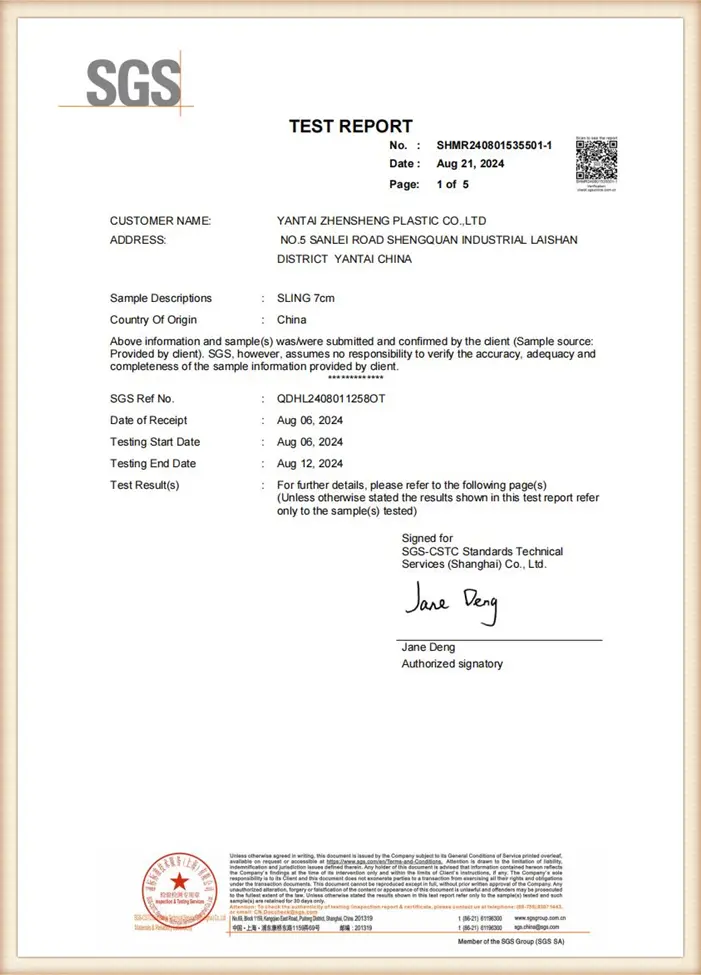
Most single-trip bulk bags have a safety factor rating (SF) of 5:1, meaning a bag with a safe working load (SWL) of 1,000kg is tested to hold 5,000kg before structural failure. Multi-trip heavy-duty bulk bags require a 6:1 safety factor and are built with thicker fabrics, reinforced loops, and durable sewing methods to handle multiple fills and discharge cycles.
Type B bags use materials with low breakdown voltage (under 6kV) to prevent sparks when handling dry powders in low-gas environments. Type C bags include woven carbon fiber threads and must be grounded to discharge static safely. Type D bags are made with static dissipative fibers that release charge directly into the air without grounding. The choice depends on the ignition sensitivity of the product dust and the safety setup of your filling and discharging lines.
Discover our range of breathable, moisture-shielded, and heavy-duty bulk bags designed for global industrial applications.
 Zhensheng