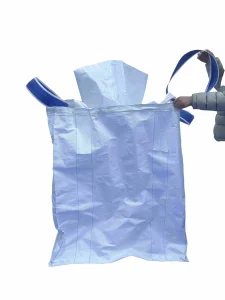
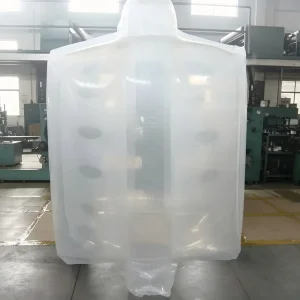
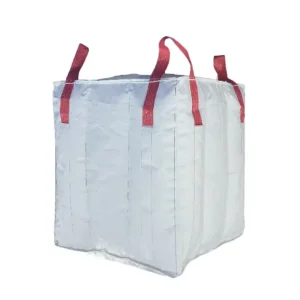
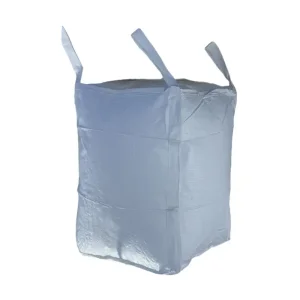
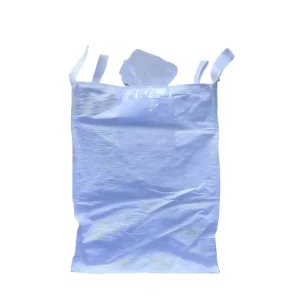
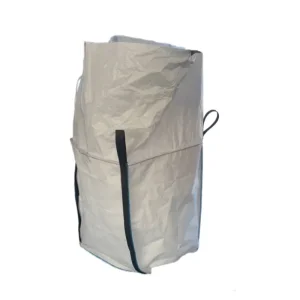
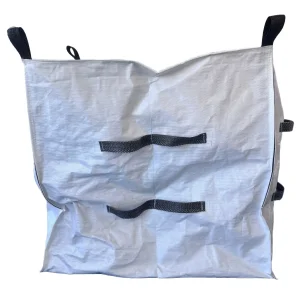
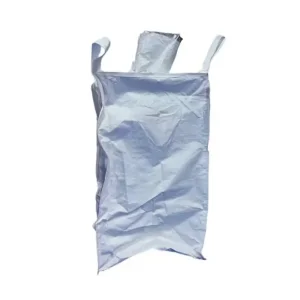
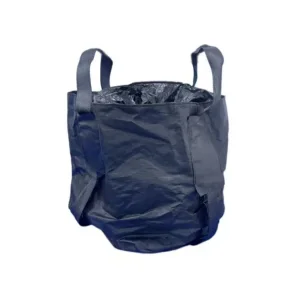
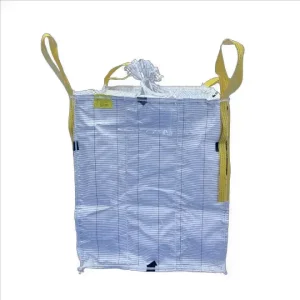
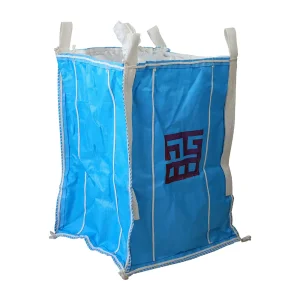
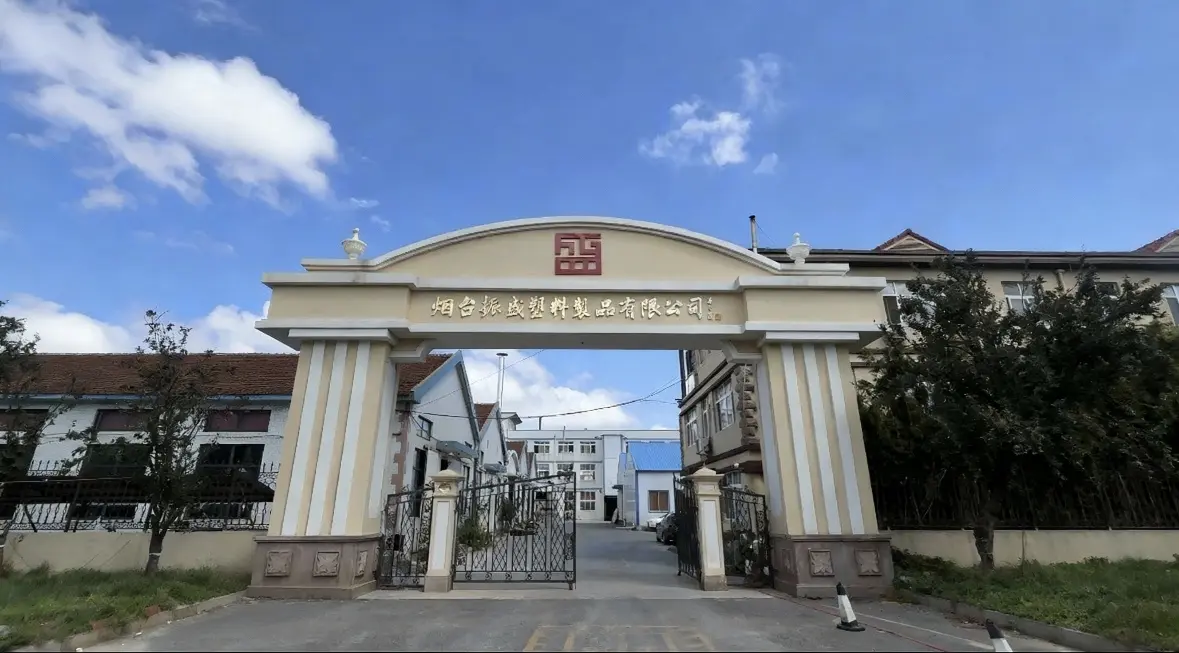
Founded in 1988, Yantai ZS Bulk Bags Manufacturing Co., Ltd. is a professional manufacturer specializing in the customized design and production of mid-to-high-end FIBCs (Flexible Intermediate Bulk Containers). With over 30 years of dedication to the industry, we take cost-effective customized solutions as our core. Relying on solid technical accumulation and strict quality control, we have become a trusted choice for well-known enterprises both at home and abroad, and are committed to providing packaging solutions that carry trust and safeguard value for global customers.
The company boasts strong strength, with two modern production bases located in Laishan District and Muping District of Yantai City respectively, covering a total area of 60,000 square meters. It has more than 300 employees, including over 30 professional and technical personnel and inspectors. We have built a complete closed-loop industrial chain covering raw material processing to finished product manufacturing, strictly controlling quality and delivery efficiency from the source.
Modern procurement demands transition from single-use to multi-trip FIBCs (SF 6:1). The industry is seeing a 25% increase in the adoption of high-tenacity, recyclable polypropylene (PP) fabrics that withstand multiple cycles of sand filling and discharging.
As sand is often stored in harsh coastal or desert environments, advanced UV stabilization technology has become a mandatory technical requirement. Our bags are engineered to maintain 80% tensile strength even after 2000 hours of intense UV exposure.
The rise of "Industry 4.0" has introduced RFID and IoT sensors into bulk bags, allowing real-time tracking of sand moisture content and location, optimizing the transit from quarry to construction site.
Strategic buyers in the Middle East, North America, and Southeast Asia are increasingly moving away from price-centric models toward Value-Driven Procurement. The primary search intent for "Bulk bag for sand manufacturers" now encompasses specific technical parameters:
Standardized 1-ton and 1.5-ton jumbo bags optimized for containerized shipping, reducing handling costs by 40% compared to traditional small-bag methods.
Specially treated high-density bags used as sand-filled geo-containers for breakwater construction and beach nourishment, featuring high seawater resistance.
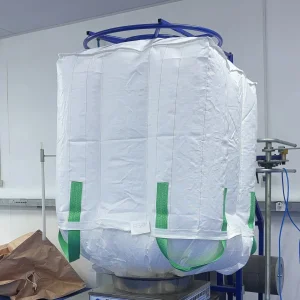
Heavy-duty FIBCs for copper concentrate and mineral sand, utilizing baffle technology to maintain shape and optimize warehouse space utilization by up to 30%.
ZS Bulk Bags utilizes a fully integrated production system covering raw material procurement, manufacturing, and final delivery. Precision, efficiency, and traceability are the pillars of our core competitiveness.
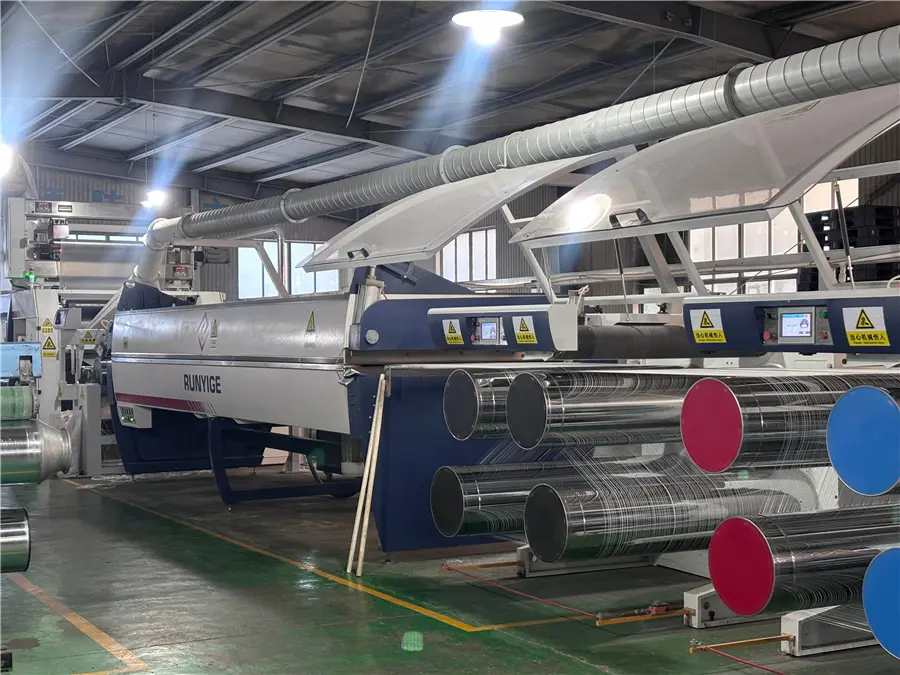
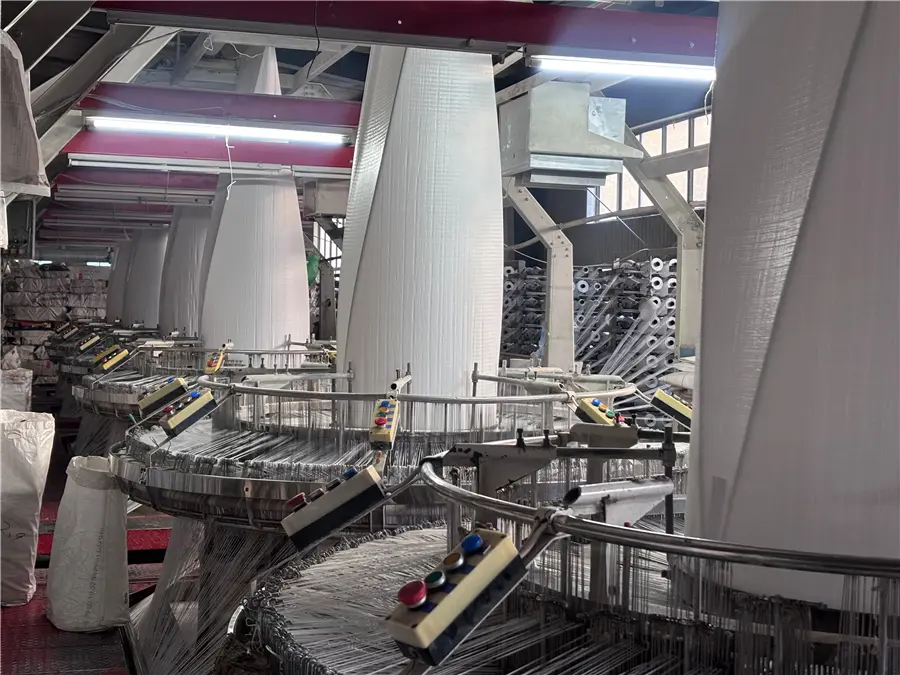
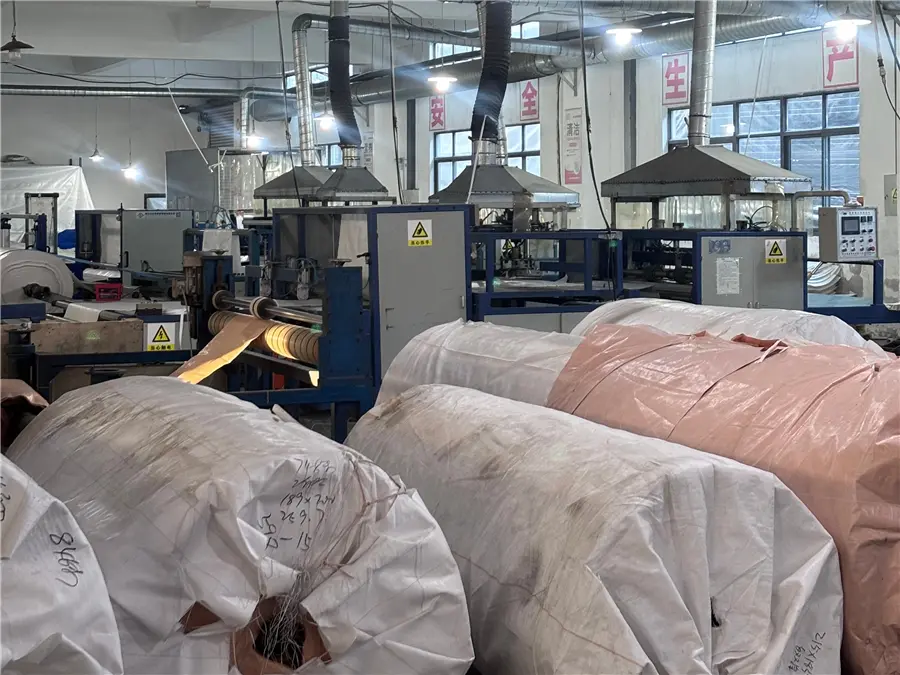
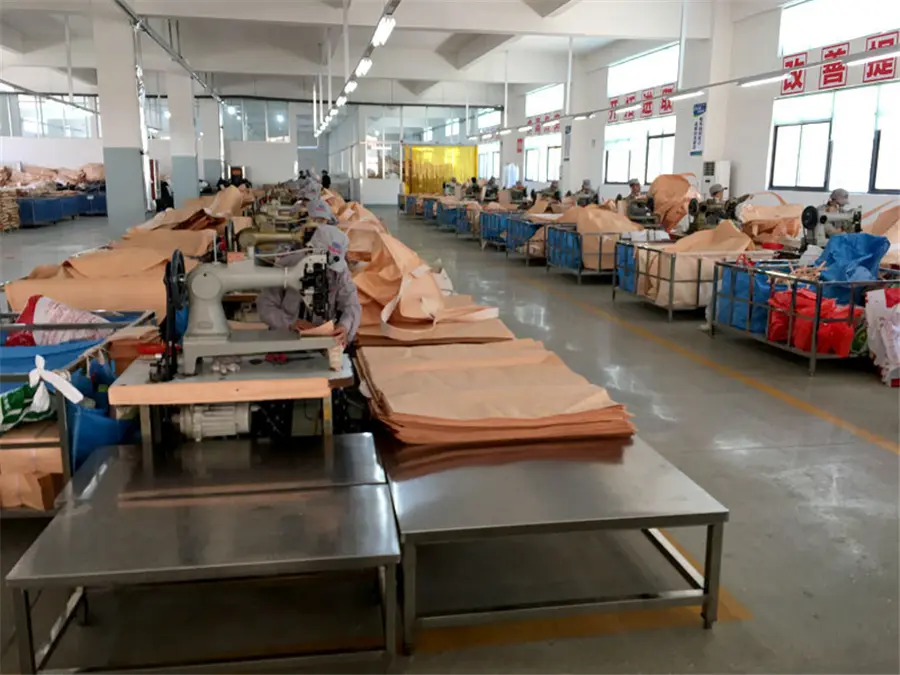
Especially for FIBCs designed for food-grade and high-hygiene applications, we use 100% virgin polypropylene raw materials, with all technical specifications strictly complying with FDA food-grade standards. All fabrics are cut using ultrasonic cutting technology, which effectively avoids fraying and dust issues. Sewing processes are completed in a dust-free workshop meeting ISO22000 standards.
Regulatory Compliance: We provide full documentation support for CE, ISO 9001, ISO 22000, and FDA requirements, ensuring smooth customs clearance in any territory.
Bilingual Support: Our dedicated international sales team offers 24/7 technical consultation in multiple languages, bridging the gap between factory floor and site implementation.
Logistics Optimization: Strategically located in Yantai Port area, we offer competitive shipping lead times and door-to-port logistics management for bulk orders.
Zhensheng is currently investing in the R&D of Graphene-enhanced Polymers to increase the load-to-weight ratio of our sand bags, potentially reducing material usage by 15% without compromising safety. Our 2026 Roadmap includes:
Introducing biodegradable components into the weaving process for environmental sustainability.
Developing bag structures optimized for robotic arms and automated filling lines.
Implementing computer vision to detect microscopic fiber deviations during the weaving stage.
 Zhensheng