Selecting the right Liner FIBC Bags for your specific needs can be challenging. These bulk bags serve various purposes in industries such as agriculture, construction, and logistics. Understanding the unique characteristics of Liner FIBC Bags is essential for ensuring product safety and efficiency.
When choosing a liner, consider material strength and moisture resistance. Bags made from high-quality polypropylene offer durability and prevent contamination. However, not all options may suit your product. The variety of liners, including block bottom and top spout designs, adds complexity to the decision-making process.
Reflect on your requirements carefully. Will your products be exposed to moisture? What is the weight they need to carry? Each choice impacts your overall efficiency and safety. A mismatch can lead to significant drawbacks, such as product spoilage or increased costs. Therefore, take the time to evaluate your options thoroughly.
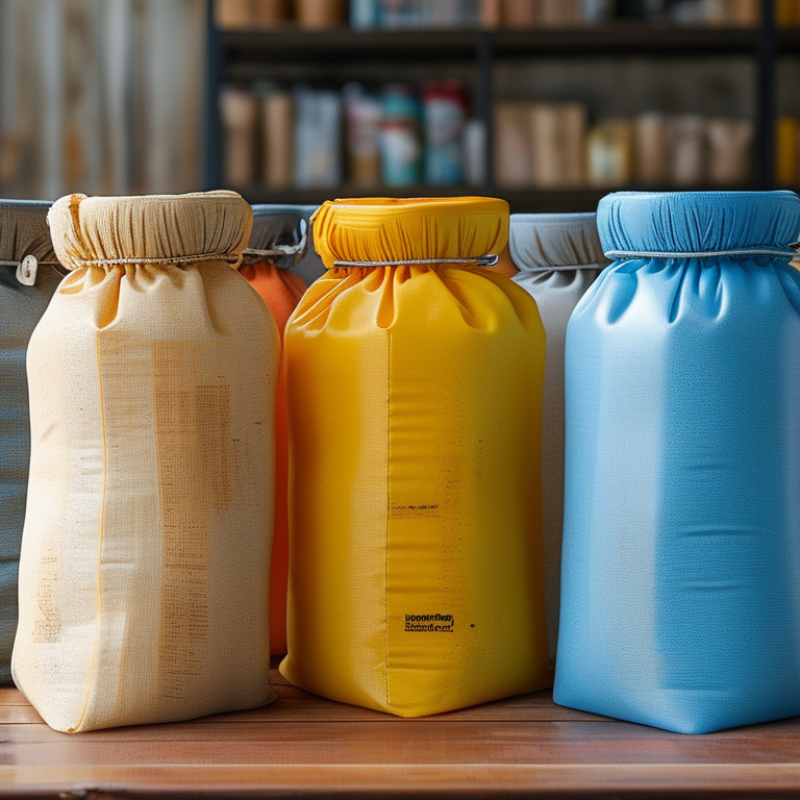
Understanding the Basics of Liner FIBC Bags and Their Applications
Liner FIBC bags, or Flexible Intermediate Bulk Containers, serve various purposes in industries like agriculture, food, and chemicals. Understanding their structure and use is crucial. These bags often feature an inner liner that helps protect products from moisture, contamination, and atmospheric conditions. The liner’s material varies based on the application's demands. Polyethylene is common for food-grade products, while other materials suit hazardous materials.
Choosing the right liner for your FIBC bag involves analyzing your specific requirements. Consider factors such as product sensitivity to moisture and temperature. Identify whether cleanliness is vital for your application. Getting this right can save you from costly product damage and contamination.
Reflect on how different liners affect your operation’s efficiency. A well-chosen liner can enhance safety and ease of handling. Conversely, a mismatch could lead to leaks or deterioration. Regularly reviewing your liner options ensures that you stay ahead of any industrial changes. Engaging with suppliers who understand your needs can provide valuable insights as well. Be aware that not every liner suits your product type, so research is essential.
Types of Liner FIBC Bags: Selecting the Right Style for Your Products
Choosing the right liner FIBC bags begins with understanding the various types available. Generally, these bags come with options like standard liners, breathable liners, and laminated liners. Standard liners are ideal for dry materials. They provide a barrier against moisture and dust.
Breathable liners allow air circulation. This feature is crucial for products sensitive to moisture. Laminated liners offer superior protection against external elements. They are excellent for hazardous materials that require safety measures.
It's essential to determine your specific needs before making a decision. If you're dealing with hygroscopic substances, a breathable liner might be appropriate. Consider the scale of your operations too. A larger scale might require bulk options that are more economical. Yet a smaller scale may benefit from customized solutions.
Evaluating these factors carefully preserves the integrity of your products during transport and storage.
Factors to Consider When Choosing Liner FIBC Bags for Your Needs
When selecting the right liner FIBC bags, consider several key factors. The type of material is paramount. Liner materials vary in strength and durability.
Polyethylene liners are suitable for moisture-sensitive products. However, they may tear easily. On the other hand, polypropylene liners offer more strength but may not seal as effectively. Assess your product's specific protection needs before making a choice.
Remember to examine the bag size and volume. Different industries have unique requirements. For instance, a food processing facility may need smaller, sealed bags. In contrast, a chemical plant may require larger bags with additional safety features. Ensure the liner dimensions match your FIBC bag specifications for optimal performance.
When in doubt, seek expert advice. Consult with manufacturers or distributors who understand your industry. They can provide insights based on their experience. If you’re unsure which liner works best, gather samples for testing. This can prevent costly errors. Make informed decisions, even if it means re-evaluating your previous choices. Each product and environment is unique. Take the time to reflect on what you truly need.
Evaluating the Material Options for Liner FIBC Bags
When evaluating material options for liner FIBC bags, the significance of choosing the right fabric cannot be overstated. Common materials include polyethylene, polypropylene, and nylon. Each option offers unique features that cater to different needs. Polyethylene is water-resistant, making it suitable for moisture-sensitive products. In contrast, polypropylene is more durable and resistant to chemicals.
Consider the environment where your bags will be used. Will they be exposed to extreme temperatures or harsh chemicals? Nylon provides excellent strength but may not be the ideal choice for every application. Be mindful of these factors. An incorrect material could lead to safety hazards and increased costs.
A few key factors to remember: always assess your product's specifics. Evaluate if you need moisture barriers or UV protection. Test small quantities to determine the right fit for your needs. The balance between cost and functionality is crucial. Researching options thoroughly can prevent costly mistakes down the line. Your choice of liner can make or break your packaging effectiveness.
Best Practices for Sourcing and Ordering Liner FIBC Bags
Choosing the right liner FIBC bags is crucial for your packaging needs. When sourcing these bags, consider the specific materials you need. Different liners offer varying protection levels. A woven polypropylene bag with a PE liner can provide excellent moisture resistance. However, not all projects require the same specifications. Assess your materials' compatibility with the liner used.
One important aspect is supplier selection. Look for suppliers with experience in the industry. They should understand your requirements and advise on the best options. A well-established supplier often ensures better reliability and quality control. Be cautious of overly cheap options. Sometimes, lower prices signal inferior products.
Take the time to request samples before placing a bulk order. This can prevent costly mistakes. Testing the bags helps verify their durability and suitability for your products. Understanding the weight capacity is essential too. You want to avoid overloading a bag, which could lead to failures during transport. Balancing cost, quality, and supplier reliability is key for a successful purchase.
FIBC Bags Selection Criteria and Usage Data
FAQS
: There are standard liners, breathable liners, and laminated liners. Each type serves different product needs.
Choose breathable liners for moisture-sensitive products. They allow air circulation, helping to prevent spoilage.
Laminated liners are ideal for hazardous materials. They provide superior protection against external elements.
Consider your industry needs. A food facility may need smaller bags, while a chemical plant may need larger ones.
The material affects strength, durability, and protection. Polyethylene is water-resistant; polypropylene is stronger but may not seal well.
Yes, testing samples can prevent costly mistakes. It helps ensure you select the right liner for your needs.
Assess moisture barriers, UV protection, and environment. Extreme conditions require specific material choices to maintain safety.
Absolutely. Consulting with manufacturers can provide valuable insights and help avoid errors in your selection process.
Yes, previous choices may not always suit your needs. Reflecting and re-evaluating can improve your packaging effectiveness.
Research options thoroughly. Focus on what truly meets your needs without overspending on unnecessary features.
Conclusion
In the article "How to Choose the Right Liner FIBC Bags for Your Needs?", readers are guided through the essential considerations for selecting the appropriate Liner FIBC Bags. It begins by providing a solid foundation on the basics and applications of these bags, highlighting their versatility in various industries. The article further explores different types of Liner FIBC Bags, enabling businesses to select the right style that aligns with their specific product requirements.
Key factors to consider are detailed, including load capacity, size, and the environmental conditions in which the bags will be used. Additionally, the article assesses various material options available for Liner FIBC Bags, ensuring users make informed decisions based on durability and safety. Finally, best practices for sourcing and ordering these bags are discussed, empowering businesses to optimize their procurement processes effectively. Overall, the article serves as a comprehensive guide for anyone looking to understand and choose Liner FIBC Bags tailored to their needs.

 Zhensheng