In the world of bulk packaging, Mesh FIBC Bags have emerged as a preferred choice for many industries. These bags combine durability, lightweight design, and breathability, which makes them ideal for various applications. According to a report by Grand View Research, the global FIBC market is expected to reach USD 9.4 billion by 2025, driven in part by the versatility of mesh varieties.
The unique structure of Mesh FIBC Bags allows for ventilation, crucial for products sensitive to moisture. This property helps prevent spoilage and enhances the quality of the goods inside. Industry studies indicate that proper airflow can increase product lifespan by up to 30%. In sectors such as agriculture and chemicals, this can lead to significant cost savings.
Despite their advantages, using Mesh FIBC Bags requires careful consideration. Not all products are suited for ventilation, and improper usage may compromise integrity. Supply chain managers must evaluate their needs before opting for these bags. Balancing efficiency with the right choice of packaging is key to maintaining both product quality and cost-effectiveness.
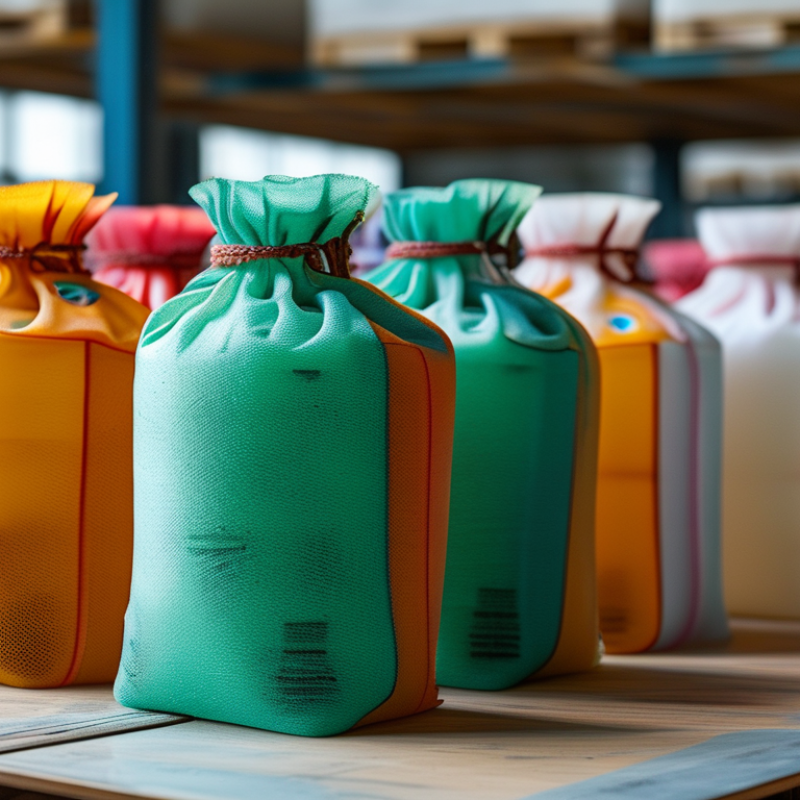
Benefits of Using Mesh FIBC Bags for Bulk Packaging
Mesh FIBC bags are becoming increasingly popular for bulk packaging. Their design allows for better ventilation and airflow. This characteristic is crucial for products that are sensitive to moisture. According to a report from Packaging Insights, mesh FIBC bags can reduce spoilage rates by up to 15% compared to traditional bags. This demonstrates their efficiency in maintaining product quality.
Moreover, these bags are lightweight yet strong, capable of handling large loads. They are made from durable polypropylene, which ensures a longer lifespan. Industry studies show that using mesh FIBC bags can lead to a 20% reduction in packaging costs over time due to lower material usage and fewer transport expenses. Businesses can benefit significantly from these practical features.
However, it’s essential to consider that mesh bags may not be suitable for all products. Certain materials, like fine powders, can spill through the mesh weave. This might lead to increased waste and contamination. Companies must evaluate their specific needs before making a switch. Balancing the benefits with potential drawbacks is key to effective bulk packaging.
Why Choose Mesh FIBC Bags for Efficient Bulk Packaging? - Benefits of Using Mesh FIBC Bags for Bulk Packaging
| Benefit |
Description |
Applications |
Material Type |
| Breathability |
Allows air circulation to prevent condensation and moisture build-up. |
Agricultural products, food grains |
Polypropylene (PP) |
| Efficiency |
Lightweight design multiplies shipping efficiency and reduces transportation costs. |
Construction materials, sand, and fertilizers |
Polyethylene (PE) |
| Durability |
Strong woven structure resists tearing and damage from rough handling. |
Industrial manufacturing, chemicals |
Woven polypropylene with UV resistance |
| Reusability |
Can be cleaned and reused multiple times, promoting sustainability. |
Logistics, repeat shipments |
Recycled materials |
| Customizability |
Available in various sizes and designs to meet specific needs. |
Bulk storage, specialized products |
Multi-layered fabrics |
Understanding the Design and Material Properties of Mesh FIBC Bags
Mesh FIBC bags are becoming the preferred choice for bulk packaging needs. Their unique design offers significant advantages over traditional bags. Made from durable woven polypropylene, these bags are lightweight yet strong. They can support weights ranging from 1,000 to 3,000 pounds. This durability is crucial for industries that handle heavy materials.
The mesh structure allows for airflow, reducing moisture buildup. According to industry reports, this feature is essential to maintain the quality of products like agricultural grains. Improved ventilation can lower spoilage rates by up to 30%. This is particularly important for businesses focused on sustainability. They aim to minimize waste from damaged goods.
However, even with benefits, there are limitations. Not all materials suit mesh FIBC bags. Some fine powders can escape through the mesh, leading to contamination. Users must assess their specific needs. Understanding the material properties is vital for effective bulk packaging. With the right approach, mesh FIBC bags can significantly enhance efficiency in logistics.
Comparison of Material Properties in Mesh FIBC Bags
This chart illustrates the comparison of various material properties of mesh FIBC bags, highlighting their efficiency in bulk packaging. The values represent performance ratings on a scale of 0 to 100, showcasing their strengths in UV resistance, tensile strength, weight, air permeability, and moisture resistance.
Applications of Mesh FIBC Bags Across Various Industries
Mesh FIBC bags have become essential in various industries due to their unique features. These bulk bags are highly breathable, allowing for moisture control during storage and transportation. This is particularly crucial in agriculture. Farmers can package grains or seeds without worrying about spoilage. The ventilation keeps products fresh, reducing waste.
In the construction industry, these bags serve a different purpose. They are often used for carrying aggregates or sand. The mesh design lets excess water drain out, preventing heavy clumping. This ensures that construction materials remain effective and usable. However, some contractors might find that not all mesh bags are equally durable, prompting a need for careful selection.
Food manufacturers also benefit from mesh FIBC bags. The food-safe materials ensure compliance with health standards. This is vital for packing produce or bulk chocolate. Nevertheless, companies must ensure that their mesh bags meet specific regulations. A lack of awareness could lead to compliance issues. These factors highlight the versatile applications and considerations when choosing mesh FIBC bags.
Comparative Analysis: Mesh FIBC Bags vs. Traditional Bulk Packaging
When comparing mesh FIBC bags with traditional bulk packaging, several factors come into play.
Mesh FIBC bags, made from woven polypropylene, provide visibility and ventilation.
This is crucial for certain products, such as agricultural goods. According to industry data, 30% of bulk packaging issues
stem from moisture retention. Mesh bags help mitigate this risk, reducing spoilage and maintaining product quality.
In contrast, traditional bulk bags often lack airflow. Many are made from solid materials that can trap moisture and lead to mold growth.
Research indicates that inefficient air circulation can compromise up to 20% of a product's shelf life.
The choice of packaging significantly impacts overall efficiency. For instance, one analysis showed that switching to mesh bags improved logistics efficiency by 15%.
Such improvements can be vital for businesses that rely on effective storage solutions.
However, the transition to mesh FIBC bags isn't without challenges. Some operators worry about the bags' strength under pressure.
While mesh bags offer benefits, they may be less suitable for heavy or sharp objects.
This duality points to the importance of assessing specific use cases. In the end, a careful evaluation can lead to more efficient bulk packaging solutions.
Best Practices for Storing and Handling Mesh FIBC Bags
When it comes to storing and handling mesh FIBC bags, following best practices can greatly enhance efficiency. These bags are versatile and allow for breathability, making them ideal for certain types of materials. However, improper storage can lead to damage and inefficiency. Keep your bags in a clean, dry place, away from direct sunlight. This helps maintain their structural integrity.
Tips for handling: Always ensure your workspace is free of sharp objects that could puncture the bags. When lifting, use proper techniques to avoid strain. Moreover, if stacking, do so with caution. Overloading can lead to mishaps. Ensure that the weight limit is respected for safety.
Cleaning your mesh FIBC bags is essential, especially if they are reused. A mild detergent and water will do the trick for most types of residues. Let them dry completely before storing. This prevents mildew and ensures longevity. Remember, a little attention can go a long way in extending the life of your packaging solutions.
FAQS
: Mesh FIBC bags are made from durable woven polypropylene. They are lightweight but strong.
They can support weights ranging from 1,000 to 3,000 pounds. This makes them suitable for heavy materials.
The mesh structure allows for airflow. This reduces moisture buildup and maintains product quality.
Agricultural goods benefit most. Improved ventilation can lower spoilage rates, helping sustainability efforts.
Yes, some fine powders can escape through the mesh. This may lead to contamination of the surrounding area.
Mesh bags offer visibility and ventilation, while traditional bags can trap moisture. This impacts product shelf life.
Some users worry about the strength of mesh bags under pressure. This needs careful consideration based on materials.
One study indicated a 15% improvement in logistics efficiency. This can be crucial for effective storage solutions.
Users must evaluate their specific needs and material properties. This ensures effective bulk packaging solutions.
Without proper assessment, there may be inefficiencies or spoilage. A careful evaluation is essential for success.
Conclusion
Mesh FIBC Bags, known for their efficient bulk packaging capabilities, offer numerous benefits across various industries. Their breathable material design prevents moisture buildup and allows for visibility of contents, making them ideal for storing and transporting products like grains, chemicals, and fertilizers. Understanding the design and material properties of Mesh FIBC Bags reveals their durability and strength, making them a reliable choice for bulk handling.
A comparative analysis of Mesh FIBC Bags against traditional bulk packaging highlights their advantages in weight reduction and recyclability, leading to cost savings and reduced environmental impact. Best practices for storing and handling these bags ensure their longevity and performance, further cementing their position as a preferred solution for bulk packaging needs.

 Zhensheng