In the world of packaging, 1 Ton FIBC Bags play a pivotal role. These bags are used across various industries, from agriculture to construction. According to industry expert, Dr. Alice Thompson, “Choosing the right supplier for 1 Ton FIBC Bags can greatly influence operational efficiency.” This insight emphasizes the importance of selecting a reliable supplier.
Global buyers often face challenges when sourcing these bags. The market is saturated, and not all suppliers meet quality standards. Inconsistent production practices can lead to complications. Additionally, the absence of industry certifications raises concerns. Buyers must be diligent in their selection process.
With the right supplier, 1 Ton FIBC Bags ensure safe and efficient transport of bulk materials. Quality bags contribute to reduced waste and improved logistics. However, it is crucial to research and compare suppliers meticulously. Buyers should reflect on their needs and the reliability of potential partners.
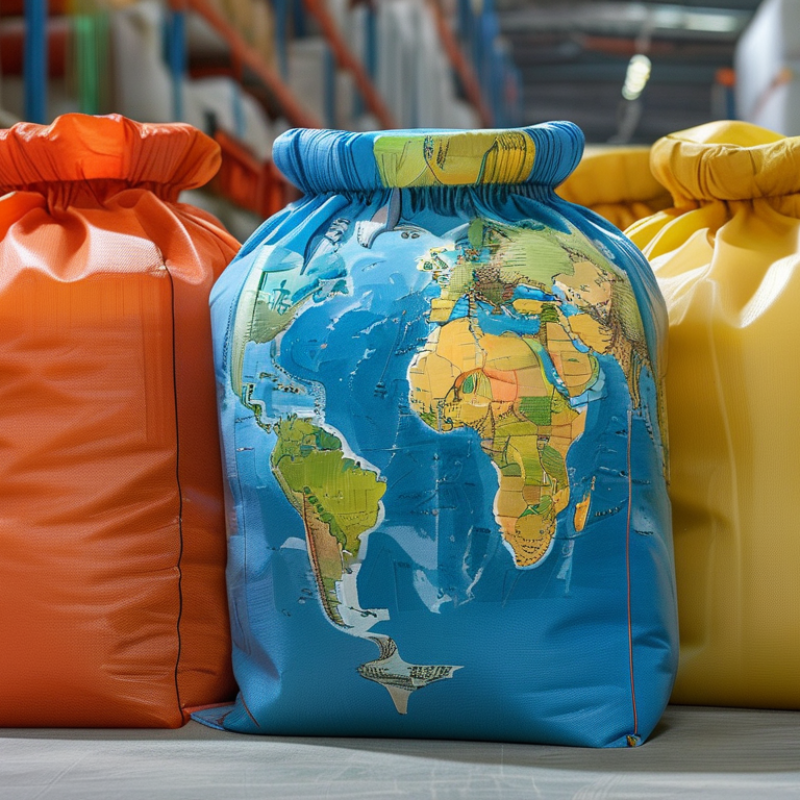
FIBC bags, also known as flexible intermediate bulk containers, play a crucial role in global trade. These bags are designed to handle large quantities of materials, often weighing up to one ton. They are commonly used for storing and transporting products like grains, chemicals, and minerals. The durability of FIBC bags makes them ideal for various industries. They can withstand harsh conditions during transport.
Understanding the specifications of FIBC bags is essential for buyers. These bags come in different styles and capacities, each tailored for specific needs. For instance, certain types are designed for food-grade materials, ensuring safety and compliance. Others may have UV resistance, protecting contents from sunlight exposure. It’s important for buyers to choose the right type according to their unique requirements. Misunderstanding these specifications can lead to damage or contamination.
While FIBC bags offer numerous benefits, they also pose challenges. Quality control is vital. Not all suppliers guarantee the same standards, so research is necessary. Buyers may face difficulties in sourcing reliable partners. Identifying reputable suppliers requires time and effort. Moreover, improper handling can compromise the integrity of the bags, leading to waste or losses. This highlights the need for ongoing education about FIBC use and supplier relations.
When selecting 1 ton FIBC bags, certain features are essential. First, the material quality is crucial. Look for bags made from strong polypropylene. This ensures durability and resistance to various environmental factors. Many buyers overlook the importance of UV stabilization. It helps protect bags from gradual degradation.
Next, consider the stitching and design. Double-stitched seams often provide enhanced strength. Pay attention to the lifting options as well. A bag with reinforced loops facilitates safer handling. However, some suppliers may offer standard designs that lack customization, which can limit usability for specific tasks.
FIBC bags should also be compliant with safety standards. This is often overlooked by many. The certification serves as a reassurance of quality. Testing for heavy loads is a practical approach. Buyers should inquire about testing procedures. While many suppliers claim reliability, checking actual performance is vital. After all, imperfections in manufacturing can lead to catastrophic failures. Choosing wisely can make a significant difference in efficiency and safety.
When looking for top suppliers of 1 ton FIBC bags, quality and reliability are crucial. Many global businesses rely on these bags for bulk packaging needs. A strong supplier stands out not only for their products but also for their service. They should ensure compliance with international standards, protecting products during transport.
Excellent suppliers often demonstrate experience in design and production. They use high-quality materials to ensure durability. This is vital for maintaining the integrity of the contents. Customization options can also be a sign of a knowledgeable supplier. They should be able to cater to diverse needs based on industry requirements.
However, not all suppliers deliver on these promises. Some may have inconsistent quality or delayed shipping times. It's essential to conduct thorough research before choosing a supplier. Customer reviews and industry feedback can shed light on a supplier's reputation and reliability. Thus, engaging with multiple sources can provide a clearer picture of potential partners in the global market.
When selecting the best suppliers for 1-ton FIBC bags, buyers must analyze several key factors. Quality of materials is crucial. A reliable supplier should use durable fabrics that resist wear and tear. This prevents bag failure during transport and storage. Testing for strength and load capacity is essential. Some manufacturers may claim high standards, yet fail to deliver during real-world use.
Pricing is another critical element. Not all suppliers offer the same pricing structure. Some may have hidden fees that increase overall costs. It’s important to request detailed quotes to ensure transparency. Additionally, buyers should consider the supplier’s production capabilities. A manufacturer with advanced technology can produce bags more efficiently. This often leads to more consistent quality, which is paramount for bulk orders.
Customer service plays a vital role in supplier selection. Effective communication can ease the order process. Suppliers should be able to provide timely updates and address concerns quickly. Moreover, reviewing customer testimonials can offer insights into a supplier’s reliability. Many buyers overlook this aspect, focusing instead on prices or specifications. Doing so can lead to disappointments later on. A supplier's track record is often a reliable indicator of future performance.
When selecting suppliers for 1-ton FIBC bags, various factors play a crucial role. Quality assurance is paramount. Buyers should prioritize suppliers with a proven track record in producing durable and reliable bags. Certifications can indicate a commitment to quality management.
Cost-effectiveness is another vital consideration. While it might be tempting to opt for the cheapest option, buyers should weigh the long-term benefits of paying slightly more for superior products. A low upfront cost may lead to higher replacement costs down the line.
Communication also matters significantly. Suppliers that are responsive to inquiries reflect their commitment to customer service. A reliable partner should provide detailed information about bag specifications and customization options. Lack of transparency can be a red flag. Engaging with suppliers who share case studies or past projects can illuminate their experience and help in making an informed decision. Balancing quality, cost, and communication is essential in choosing the right FIBC bag supplier.
: Focus on quality, reliability, and customer service. Look for strong communication and transparency.
Quality materials are crucial for durability. They help prevent bag failure during transport and storage.
Yes, customization options can indicate a supplier's ability to cater to diverse industry needs.
Pricing is significant. Request detailed quotes to avoid hidden fees that can inflate overall costs.
Absolutely, customer reviews provide insights into a supplier's reliability and service quality.
Research their track record and engage with multiple sources to gather information about their performance.
Yes, responsive communication reflects a supplier’s commitment to service and can ease your ordering process.
Yes, choosing cheaper products may result in higher replacement costs over time.
Certifications indicate a supplier's commitment to quality management and can assure buyers of product reliability.
Proper testing ensures bags perform as claimed, reducing the risk of failure during use in real-world conditions.
In the global trade arena, 1 Ton FIBC Bags play an essential role in the efficient packaging and transportation of bulk goods. Understanding their specifications and uses ensures that businesses can select the most appropriate solutions for their needs. Key features such as material strength, safety standards, and design versatility are crucial when evaluating 1 Ton FIBC Bags.
When sourcing these bags, global buyers often consider various suppliers based on factors like production capacity, delivery times, and quality assurance. A comparative analysis of leading manufacturers highlights how different organizations approach product innovation and customer service, influencing buyer decisions. Ultimately, the choice of FIBC bag suppliers is shaped by the supplier's reliability, expertise, and alignment with the buyers' logistical requirements.

Zhensheng