China Best FIBC Inner Liners for Bulk Bags?

Time:2026-09-24 Author:Sophia
0%

Choosing China’s best FIBC Inner Liners requires more than comparing prices or searching for the thickest film. The correct liner must match the product, filling method, storage period, and discharge process. Powdered chemicals, food ingredients, pharmaceuticals, and moisture-sensitive minerals all behave differently inside a bulk bag. A liner that works for flour may fail with sharp granules. Small details matter.

Dr. Wei Chen, an FIBC packaging specialist, offers a useful reminder: “The right liner protects product quality before it protects the bag.” This principle is practical. A reliable Chinese supplier should explain liner materials, sealing methods, dimensions, and testing procedures clearly. Buyers should also request samples. Feel the film. Check the fit. Observe how the liner opens during filling. These simple steps reveal problems that brochures often hide.

This guide examines polyethylene grades, barrier options, form-fit liners, aluminum foil structures, and antistatic requirements. It also considers factory experience, quality control, traceability, and export support. Certifications may help, but paperwork alone cannot prove consistent performance. That part is sometimes overlooked. Real confidence comes from documented tests, production records, and honest communication when specifications need adjustment.

China offers many capable FIBC Inner Liners manufacturers, yet quality varies between factories. Some suppliers optimize for low cost and accept weak seams or uneven thickness. Others invest in clean production areas, precise welding, and repeatable inspection. The best choice is not always the cheapest quotation. It is the supplier that understands your material, challenges unclear requirements, and delivers dependable liners batch after batch. Mistakes can still happen, so careful validation remains essential.
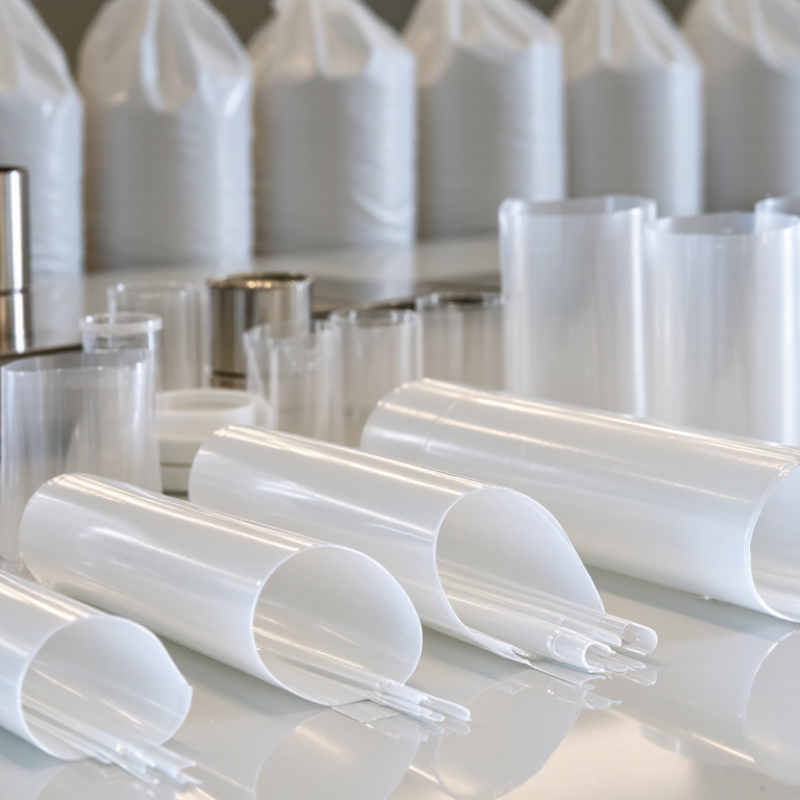
China Best FIBC Inner Liners for Bulk Bags?

What Are FIBC Inner Liners and Why Are They Used?

China Best FIBC Inner Liners for Bulk Bags?

FIBC inner liners are flexible films fitted inside woven bulk bags. They create a cleaner barrier between the cargo and the outer fabric. This barrier helps protect powders, granules, and sensitive materials from moisture, dust, and contamination. It also reduces product loss through tiny fabric gaps.

A 2023 market assessment estimated the global FIBC market at approximately US$6.7 billion. The same report identified food, chemicals, agriculture, and pharmaceuticals as major application sectors. This growth increases demand for dependable liner design, especially in China’s export manufacturing sector. Common liner materials include polyethylene and polypropylene. Selection depends on product behavior, filling temperature, discharge method, and required barrier performance.

The choice is not always obvious. A thicker liner may improve puncture resistance, but it can slow filling and complicate discharge. A loose liner may fold beneath the product. That detail often causes trouble during handling. In practical filling trials, fit and sealing usually matter as much as film thickness. ISO 21898 provides useful guidance for FIBC performance, but testing should reflect the actual product and transport conditions.

Tips: Request liner samples before ordering. Check dimensions, weld quality, thickness, and static behavior. Ask for documented food-contact or chemical-resistance data when relevant. Review the liner after filling, stacking, and discharge. A supplier’s certificate helps, but real-use testing remains essential.

Which Materials Are Best for FIBC Inner Liners?

China Best FIBC Inner Liners for Bulk Bags?

Which Materials Are Best for FIBC Inner Liners?

Material selection should follow the product, filling process, and storage environment. Low-density polyethylene is a practical choice for many dry powders and granules. It offers flexibility, heat sealing, and reliable moisture protection. Linear low-density polyethylene adds toughness when the liner faces repeated handling or sharp particles.

For oxygen-sensitive products, a multilayer liner can perform better. Polyamide improves puncture resistance, while EVOH provides strong oxygen-barrier performance. These layers usually need polyethylene sealing layers. Aluminum foil offers excellent protection against light, moisture, and gases. However, it can crease, crack, or complicate recycling. Barrier performance is not free.

Static-sensitive powders may require conductive or dissipative materials. The liner must match the FIBC fabric, grounding method, and filling equipment. A material described as “anti-static” is not automatically suitable for every powder. Testing matters. Surface resistance, seal strength, and leakage should be checked under actual conditions.

In practical sourcing, I would request samples before approving large production. Fill them with the real product, then inspect seals after transport simulation. Check odor, film thickness, weld quality, and dimensional stability. A thicker liner may seem safer, but it can increase cost and reduce usable capacity. I have seen specifications look impressive while the fit was poor. That detail deserves more attention.

How to Compare China FIBC Inner Liner Manufacturers

When comparing China FIBC inner liner manufacturers, start with the liner’s actual job. Does it protect powder from moisture, reduce contamination, or improve discharge? Ask for drawings showing dimensions, film thickness, neck design, seams, and filling method. A liner for fine powder needs different sealing control than one for coarse granules. Do not accept a general product sheet. Request a sample made to your specification.

An experienced supplier should explain resin selection, film production, welding, and inspection. Ask whether operators check thickness at several points, not only at the roll’s edge. Useful records include batch numbers, test results, and retained samples. Material declarations and test reports should match the supplied film. During a factory visit, inspect clean areas, storage conditions, and packing practices. Photos help, but direct evidence is stronger. A video call is useful, though it cannot replace an audit.

Compare more than unit price. Include tooling, sampling, lead time, defect handling, and delivery consistency. Clarify how the manufacturer responds when a liner leaks or dimensions drift. Ask for a written quality agreement and a practical replacement process. In practice, a perfect sample can mislead. Production stability matters more. Check whether the same controls continue during larger orders. Clear technical communication also matters. If answers change between sales staff and engineers, pause before ordering. Share your filling equipment details, because small neck-size errors can create serious handling problems.

What Quality Standards Should Bulk Bag Liners Meet?

A reliable FIBC inner liner must protect bulk goods from moisture, dust, oxygen, and handling damage. ISO 21898 provides a practical baseline for flexible intermediate bulk containers, including construction, performance, and testing requirements. The liner should match the product, filling temperature, discharge method, and storage period. A thin polyethylene film may suit dry powders, but it can fail when sharp granules rub against the surface.

Material verification matters. For food-contact applications, manufacturers should document compliance with applicable requirements, such as FDA 21 CFR 177.1520 or EU Regulation 10/2011. Testing should cover tensile strength, elongation, seal integrity, puncture resistance, and leakage. ASTM D882 can assess film tensile properties, while controlled conditioning under ASTM D4332 improves test consistency. Small details matter. Check the corners and spout seals.

FAO’s 2023 food-loss reporting estimates that 13.2% of food is lost between harvest and retail. A liner cannot solve every supply-chain problem, but poor sealing can increase exposure to humidity, dust, and handling contamination. Quality reports should include resin traceability, film thickness records, batch testing, and visual inspection results. Smithers’ flexible-packaging research also highlights continuing demand for stronger barrier performance and material efficiency. Yet, thinner is not automatically better. I have seen specifications look impressive while weak seams caused practical failures. A useful standard must survive real loading, vibration, storage, and discharge conditions—not only pass a laboratory test.

China Best FIBC Inner Liners for Bulk Bags? What Quality Standards Should Bulk Bag Liners Meet?

FIBC design qualification includes a safety factor based on the bag’s safe working load (SWL). ISO 21898 specifies a 5:1 factor for single-use FIBCs and a 6:1 factor for reusable FIBCs. These values apply to the FIBC, not to the liner alone.

Liner acceptance criteria—such as material compatibility, thickness, seal integrity, and moisture or oxygen barrier—should be specified for the intended product and application. There is no single universal liner performance value for every bulk bag.

How to Select the Right FIBC Inner Liner for Your Product

How to Select the Right FIBC Inner Liner for Your Product

Selecting an FIBC inner liner starts with the material being packed. Fine powders may need a liner that limits dust and moisture exposure, while granules often require more attention to discharge flow. Consider whether the product is hygroscopic, sensitive to oxygen, or likely to cling to plastic. These details shape liner material, thickness, and fit. Small samples can help reveal problems before a full production run.

Check the filling and emptying process, too. A liner must stay positioned inside the bulk bag without blocking its filling spout or discharge outlet. For example, a liner that folds across the outlet may slow unloading and leave product behind. Measure the bag and spouts carefully, then confirm the liner’s dimensions with a trial fill. It should fit without excessive slack or tension.

Handling conditions matter. Will bags travel outdoors, sit in a humid warehouse, or be stacked for weeks? Match the liner’s barrier properties to the actual exposure, not an assumed worst case. Ask suppliers for material specifications and verify performance with the product itself. A liner can look right and still fail in practice. I’ve seen teams overlook static behavior until powder clung to the walls; that detail is easy to miss.

FAQS

How should I choose a material for an FIBC inner liner?

Match the liner with the product, filling process, and storage environment. Polyethylene suits many dry powders and granules. It seals well. It also helps block moisture. Tougher polyethylene can handle sharp particles and repeated movement.

When is a multilayer liner useful?

Use a multilayer structure when oxygen or puncture resistance matters. A polyamide layer can improve toughness. An oxygen-barrier layer can protect sensitive products. Sealing layers are still necessary. More protection means higher cost.

What are the advantages and drawbacks of aluminum foil liners?

Aluminum foil blocks light, moisture, and gases effectively. It can protect sensitive materials during long storage. However, folding may create cracks. Recycling can also become harder. Strong performance is not free.

Do static-sensitive powders need special liner materials?

They may need conductive or dissipative materials. The liner must match the bag fabric, grounding method, and filling equipment. “Anti-static” alone proves very little. Check surface resistance, seal strength, and leakage under real conditions.

What should I test before approving a large order?

Request production samples made to your exact dimensions. Fill them with the real product. Simulate transport and inspect the seals afterward. Check odor, thickness, weld quality, fit, and dimensional stability. A thicker liner may reduce usable capacity.

How can I compare different liner manufacturers?

Ask for drawings showing dimensions, film thickness, seams, neck design, and filling methods. Request a sample built to your specification. Review batch records, inspection results, and retained samples. Photos help, but direct evidence is stronger.

Which quality checks are important for bulk bag liners?

Check tensile strength, elongation, puncture resistance, seal integrity, and leakage. Inspect corners and spout seals closely. Confirm resin traceability and film thickness records. The liner should survive loading, vibration, storage, and discharge.

Is a laboratory test enough to approve a liner?

No. Laboratory results may miss poor fit or weak seams. Test the liner with actual material and equipment. Inspect it after handling and storage simulation. I would trust practical evidence more, though this judgment can still be imperfect.

Conclusion

Fibc Inner Liners are flexible protective inserts placed inside bulk bags to improve product containment, hygiene, moisture resistance, and contamination control. They are especially useful for powders, granules, food ingredients, chemicals, pharmaceuticals, and other sensitive materials that require a clean and secure packaging environment. Common liner materials include polyethylene and specialized multilayer films, with the best choice depending on product compatibility, temperature, flexibility, barrier performance, and filling or discharge requirements.

When comparing China FIBC inner liner manufacturers, buyers should evaluate production experience, customization capabilities, material traceability, quality control systems, sample testing, and delivery reliability. A suitable liner should meet relevant food-contact or industrial packaging requirements where applicable, while demonstrating consistent thickness, strong seals, proper dimensions, and resistance to leakage or tearing. Selecting the right Fibc Inner Liners requires careful consideration of the product’s physical properties, storage conditions, handling process, and required protection level, ensuring efficient bulk packaging and dependable performance.

Sophia

Sophia

Sophia is a dedicated marketing professional with an exceptional depth of knowledge about her company's products and services. With a keen understanding of market trends and customer needs, she crafts insightful blog posts that not only inform but also engage readers, enriching the company’s online......