The importance of 2 Ton FIBC Bags in today’s industry cannot be overstated. These bulk bags are designed to handle large quantities of materials. Their robust construction ensures safe transport and storage. With increasing demand for efficient packaging solutions, 2 Ton FIBC Bags provide a reliable option.
These bags are not only durable, but they are also versatile. They accommodate various materials, from grains to chemicals. Companies appreciate the cost-effectiveness of these bags. They reduce the need for multiple smaller containers. However, not all FIBC bags are created equal. Quality and specifications matter greatly.
Considering these factors, it’s essential to choose the right 2 Ton FIBC Bags. Think about the material, weight capacity, and intended use. To maximize efficiency, it helps to consult experts in the field. While FIBC bags bring many advantages, misunderstandings about their applications persist. Awareness and education remain key.
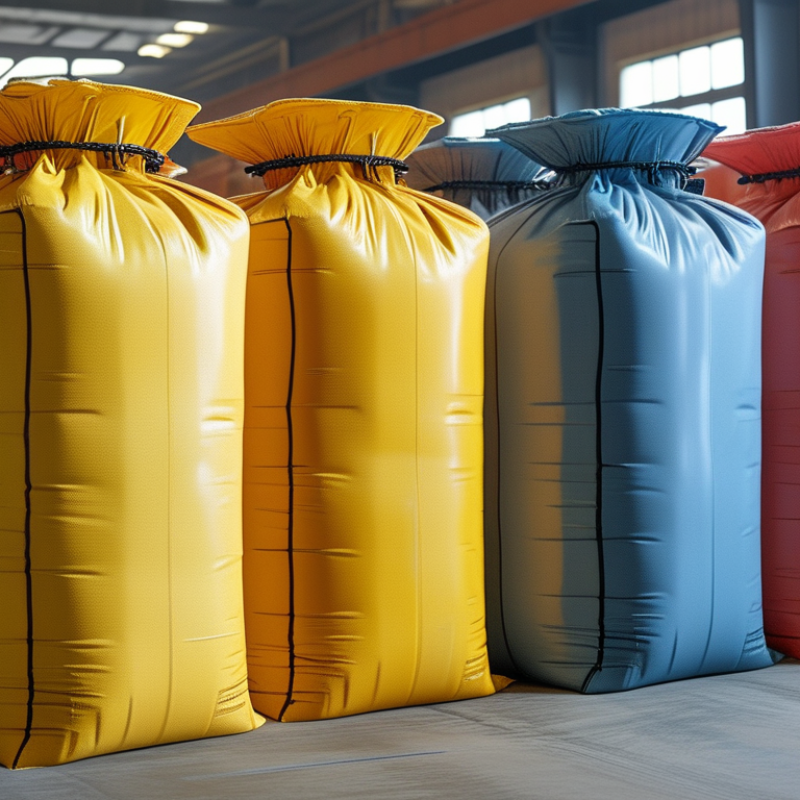
What Are 2 Ton FIBC Bags and Their Composition?
2 Ton FIBC bags, or flexible intermediate bulk containers, are large bags designed to hold and transport materials. These bags stand out due to their robust composition, primarily made from polypropylene. This material offers excellent resistance to moisture, chemicals, and abrasion. Many industries use 2 Ton FIBC bags to carry bulk materials, such as grains, chemicals, and construction materials. Their large capacity is a significant advantage for managing heavy loads efficiently.
The construction of these bags is critical. They feature multiple layers, often woven tightly to enhance strength. Additionally, many bags include a UV treatment for added durability against sunlight. The design allows for easy filling and emptying, which is essential for productivity. However, while they boast impressive strength, improper handling can lead to failure. Companies sometimes overlook best practices for storage and transportation. Regular inspections and training can mitigate risks associated with using these bags.
In summary, the importance of 2 Ton FIBC bags lies in their unique composition and practical applications. Their design facilitates efficient handling of bulk materials while also presenting challenges. Understanding these nuances is crucial for effective usage and safety.
Key Features and Specifications of 2 Ton FIBC Bags
2 Ton FIBC bags, also known as flexible intermediate bulk containers, are crucial in various industries. These bags can hold up to two tons of material, making them ideal for bulk storage and transportation. They are designed to be durable and can withstand heavy loads. The materials used are typically woven polypropylene, which provides strength and flexibility.
One of the key features of a 2 Ton FIBC bag is its resistance to various environmental conditions. This includes exposure to moisture and UV rays. They also come with several options for closures, such as fill spouts and discharge valves. These features enhance their usability in different settings. Some bags are even designed to be reusable, contributing to sustainability efforts. Yet, maintaining their integrity during transport can be a challenge. Proper handling is essential to ensure that the bags do not tear or weaken.
Another significant aspect is their versatility. They can carry different types of materials, from grains to chemicals. However, not all bags are suitable for every material type. It is crucial to assess the specifics before use. Load capacities and dimensions can vary, leading to potential mismatches. Understanding these specifications can help in optimizing storage and transport processes. The practical applications of 2 Ton FIBC bags are extensive, but careful consideration is vital to avoid mishaps.
Applications of 2 Ton FIBC Bags in Various Industries
2 Ton FIBC bags, also known as bulk bags, play a crucial role in various industries. These durable bags can hold up to two tons of materials, making them indispensable for shipping and storage. Industries such as agriculture, construction, and food processing utilize these bags for their efficiency and reliability.
In agriculture, 2 ton FIBC bags are used for packing grains, seeds, and fertilizers. They protect the contents from moisture and pests. In construction, these bags are filled with sand, gravel, or other materials. Their strength ensures safe transport and easy handling. Moreover, in the food industry, these bags are designed with safe, food-grade materials that meet strict health standards. This versatility showcases their value across different sectors.
Despite their many uses, some challenges persist. For instance, improper handling can lead to damage. Additionally, not all bags are created equal. It's essential for businesses to select the right type of bag for their specific needs. Understanding these factors can enhance the efficiency of operations and reduce waste.
Advantages of Using 2 Ton FIBC Bags for Bulk Packaging
2 Ton FIBC bags are versatile bulk packaging solutions. They can hold up to 2,000 kilograms of materials. This makes them ideal for various industries, from agriculture to construction. Their design allows for easy loading and unloading, reducing labor costs and improving efficiency.
One significant advantage is their durability. Made from woven polypropylene, these bags resist tearing and can endure harsh conditions. They are also moisture-resistant, which protects the contents inside. This quality is crucial for materials that need to stay dry during transportation.
Another important detail is their eco-friendliness. Many manufacturers use recyclable materials for production. This approach promotes sustainability amid rising environmental concerns. However, not all FIBC bags are created equal. Users must be cautious about quality. Sometimes, cheaper options may lead to issues like leaking or breakage. Investing in high-quality bags is vital for maintaining operational integrity.
Environmental Considerations in the Use of FIBC Bags
FIBC bags, or flexible intermediate bulk containers, are critical in many industries. They are designed to transport large quantities of dry bulk materials, often weighing up to 2 tons. However, their environmental impact deserves careful consideration. Studies indicate that the production of plastic bags contributes significantly to carbon emissions. For instance, manufacturing a single ton of plastic releases an estimated 6.1 tons of carbon dioxide, underscoring the need for sustainable practices.
The disposal of FIBC bags also poses environmental challenges. Many end up in landfills, where they can take hundreds of years to decompose. Data from the Environmental Protection Agency shows that plastic waste is a major contributor to land and ocean pollution. However, many manufacturers are now exploring recycling options that could reduce environmental harm. Reusable FIBC bags can not only lessen waste but also lead to cost savings.
Choosing FIBC bags with low environmental footprints is essential. Some firms are implementing biodegradable options made from natural fibers. This shift reflects a growing awareness of the environmental crisis. Industries must balance functionality and sustainability to contribute to a cleaner planet. As we adapt, awareness of these issues remains vital for responsible sourcing and usage.
What is 2 Ton FIBC Bags and Why Are They Essential? - Environmental Considerations in the Use of FIBC Bags
| Dimension |
Value |
Environmental Impact |
| Capacity |
2,000 kg (2 Ton) |
Reduces the need for multiple smaller bags, minimizing plastic waste |
| Material |
Woven Polypropylene |
Recyclable and reusable, lowering environmental footprint |
| Lifespan |
Up to 5 years |
Longer usage reduces overall production need |
| Applications |
Agriculture, Construction, Food Industry |
Versatile usage promotes efficiency in various sectors |
| Recycling Rate |
Approximately 100% |
Contributes to circular economy, less landfill waste |
FAQS
: They are primarily made from woven polypropylene, which offers strength and resistance to moisture.
Each bag can hold up to two tons of materials, making them ideal for bulk storage.
These bags are widely used in agriculture, construction, and food processing for efficient shipping.
They offer various closures, like fill spouts and discharge valves, improving their functionality in different settings.
Yes, some bags are designed for reuse, supporting sustainability efforts in various industries.
Proper handling is essential; regular inspections and training can reduce risks and prevent damage.
No, it’s crucial to assess the specifics of the materials being carried to ensure compatibility.
Improper handling can lead to tears, and selecting the wrong bag type can result in inefficiencies.
Their multi-layered design enhances strength, but mishandling can compromise their integrity.
They are resistant to moisture and UV exposure, but this resistance can diminish with improper storage.
Conclusion
2 Ton FIBC Bags, or flexible intermediate bulk containers, are large bags designed to hold and transport bulk materials efficiently. These bags are typically made from woven polypropylene, ensuring strength and durability. Key features include high load capacity, resistance to environmental factors, and customizable designs, making them suitable for various applications across industries such as agriculture, chemicals, and construction.
The advantages of using 2 Ton FIBC Bags for bulk packaging are numerous. They offer cost-effectiveness due to their reusability and lightweight nature, reducing shipping costs. Additionally, they help minimize environmental impact by being recyclable and promoting sustainable practices. Overall, 2 Ton FIBC Bags play a crucial role in enhancing logistics and packaging solutions, demonstrating their essential nature in modern industrial applications.

 Zhensheng